Artwork
Mrs. George Williams (Lydia Pickering)
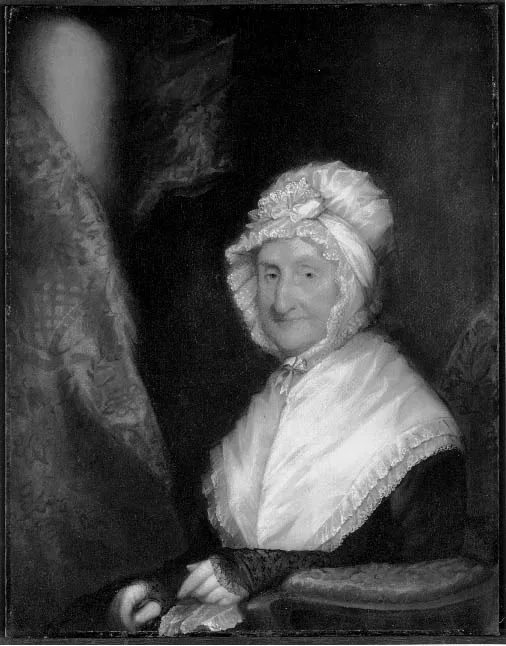
Mrs. George Williams (Lydia Pickering) is an oil painting by the American Impressionist artist Gilbert Stuart. It dates from 1819 and is held in the collection of the Museum of Fine Arts Boston.
About this work
The woman's clothing and the style of the painting suggest it was made in the early 19th century.
This painting shows a woman in a white bonnet and shawl, with a dark dress underneath. She is sitting and looking at the viewer with a gentle expression. Her face is illuminated, while the background is dark.
The woman's clothing and the style of the painting suggest it was made in the early 19th century. The artist has used chiaroscuro to create a sense of depth and contrast in the image.
The painting is a portrait of a woman, and it is held at the Museum of Fine Arts Boston. If you want to learn more about the artist's use of chiaroscuro, look up Gilbert Stuart.
Overview
Painted in 1819 by Gilbert Stuart, this oil portrait depicts Lydia Pickering, wife of George Williams. Stuart, a prominent American artist of the early 19th century, specialized in commissioned portraits of notable individuals. The work is part of the Museum of Fine Arts, Boston’s collection and reflects his refined approach to capturing individual presence through controlled lighting and subtle detail.
Subject & Meaning
The subject, Lydia Pickering Williams, is portrayed in quiet composure, her gaze meeting the viewer with calm directness. Dressed in a dark gown beneath a light shawl and bonnet, her attire suggests modesty and social standing typical of New England’s merchant class. The absence of symbolic objects or elaborate settings focuses attention on her demeanor, emphasizing personal identity over status display.
Technique & Style
Stuart employed chiaroscuro to model the sitter’s face and hands, using soft transitions between light and shadow to create volume and depth. The dark, unmodeled background isolates the figure, enhancing the intimacy of the portrait. Brushwork is restrained yet precise, particularly in the rendering of fabric and skin, reflecting Stuart’s commitment to naturalistic representation over decorative flourish.
History & Provenance
Commissioned in 1819, the portrait remained within the Williams family until its acquisition by the Museum of Fine Arts, Boston. Its documented history aligns with Stuart’s late career, when he frequently painted members of Boston’s elite. The painting’s preservation and consistent attribution support its authenticity as a work from Stuart’s final productive years.
Context
Created during the post-Revolutionary era, the portrait reflects the growing cultural confidence of American society. While European traditions influenced portraiture, artists like Stuart adapted them to emphasize individual character rather than aristocratic grandeur. This work exemplifies the shift toward domestic, psychologically nuanced depictions in early American art.
Legacy
Though Stuart is best known for his depictions of political figures, this portrait illustrates his broader contribution to American visual culture through intimate, lifelike representations of ordinary elites. Its enduring presence in a major museum underscores its value as a record of personal identity and artistic practice in early 19th-century America.
Artist & collection

Artist
Gilbert Stuart (né Stewart; December 3, 1755 – July 9, 1828) was an American painter born in the Rhode Island Colony who is widely considered one of America's foremost portraitists.

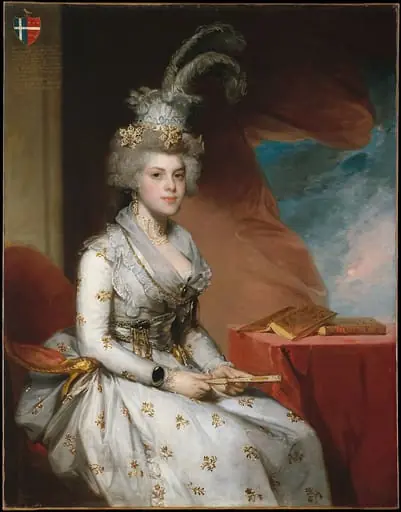
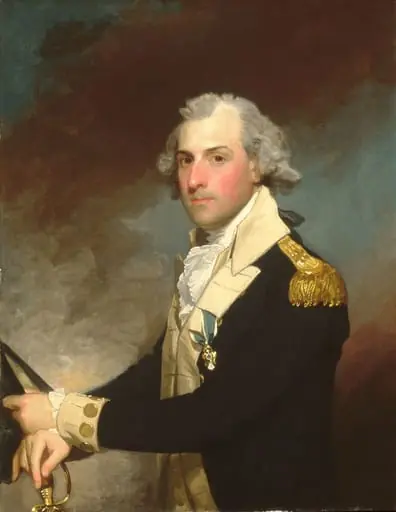
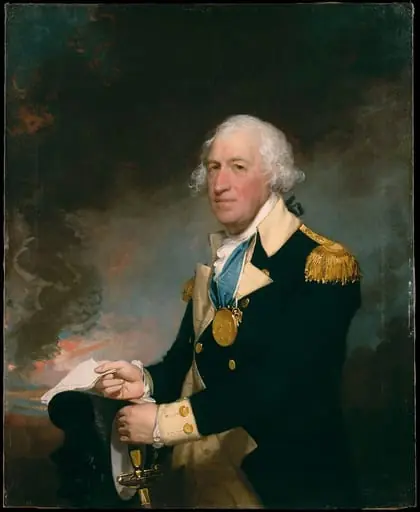

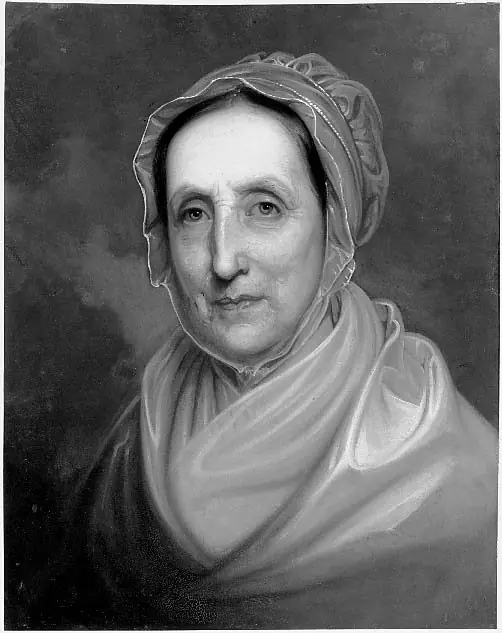 Mrs. Samuel Rodman (Elizabeth Rotch)
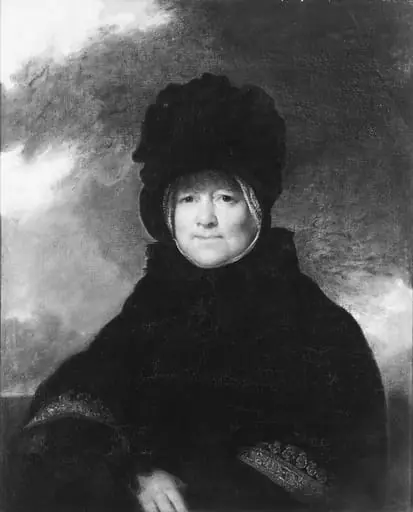 Mrs. William Thomas
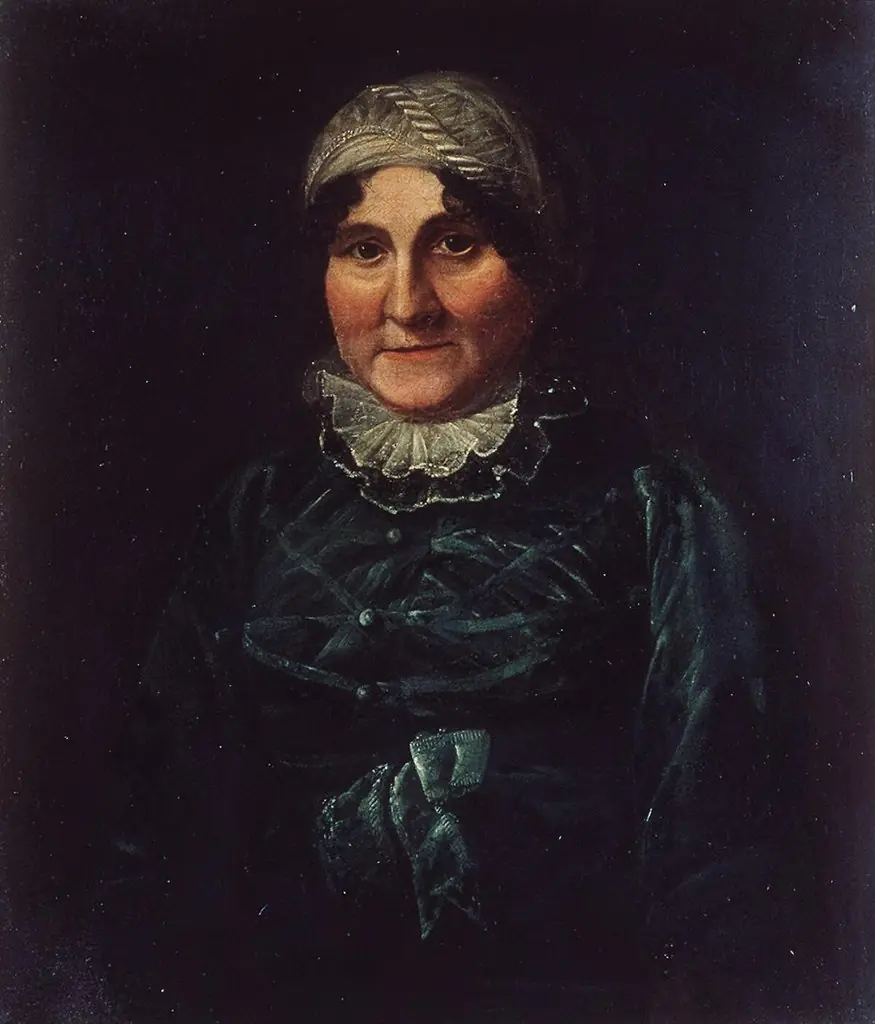 Catherine Roberts, Gwraig Robert Roberts
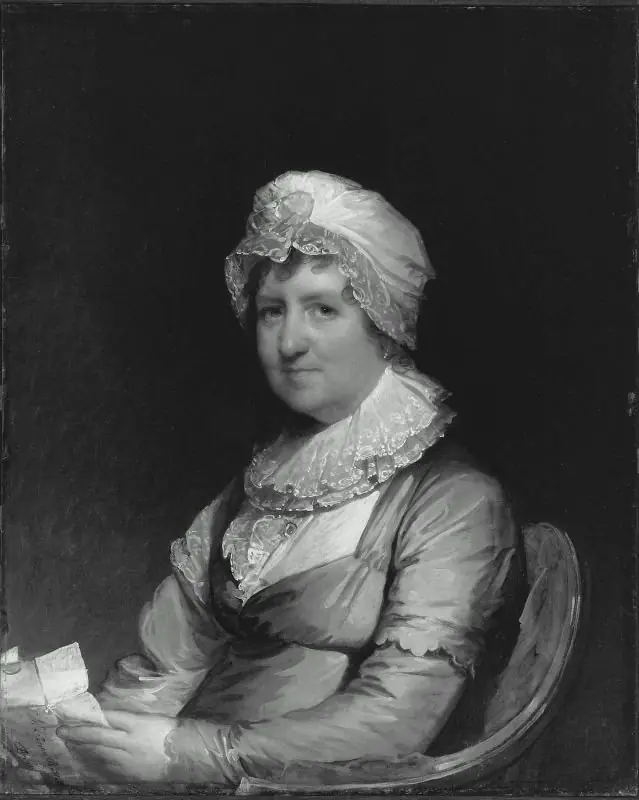 Mrs. Ebenezer Battelle (Anna Durant).
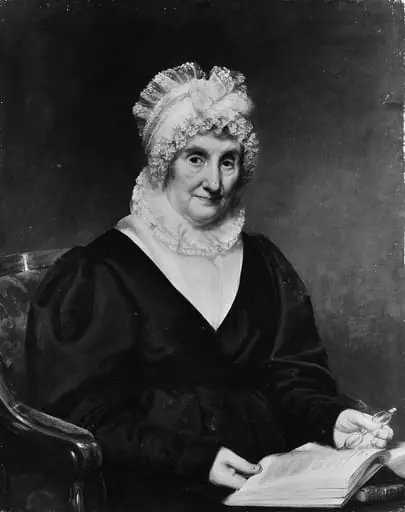 Portrait of a Lady (Possibly of the Buloid Family)
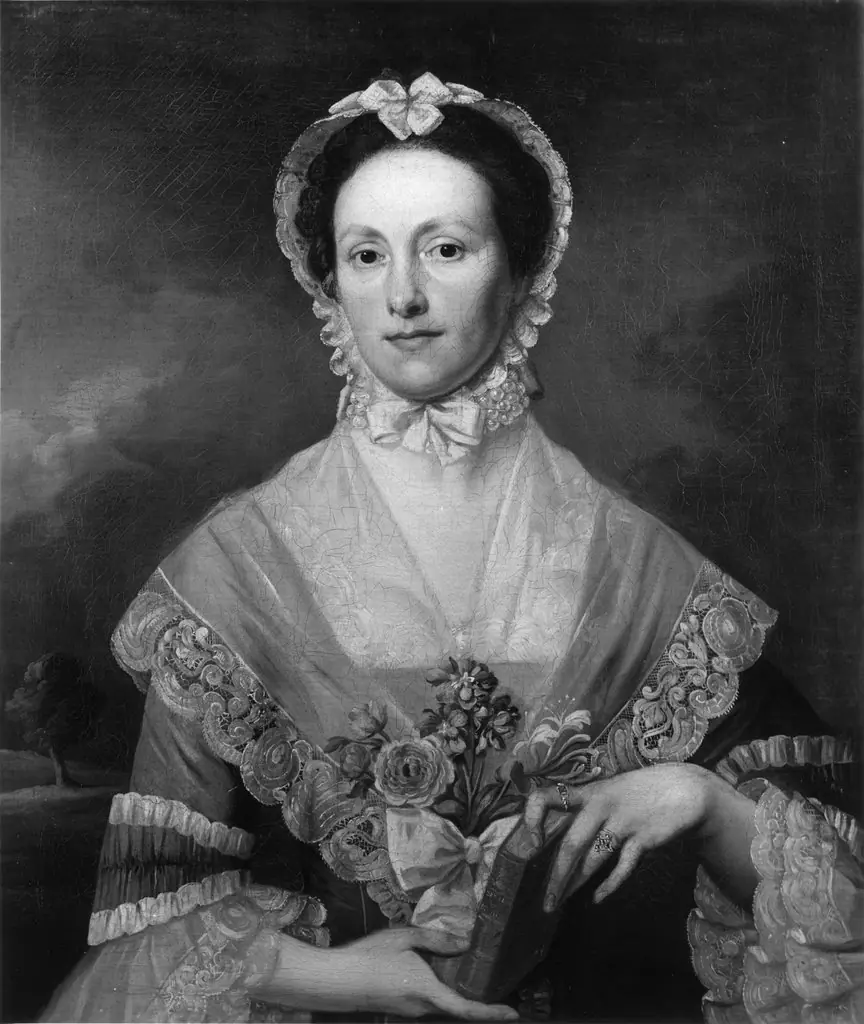 Portrait of a Lady Holding a Book
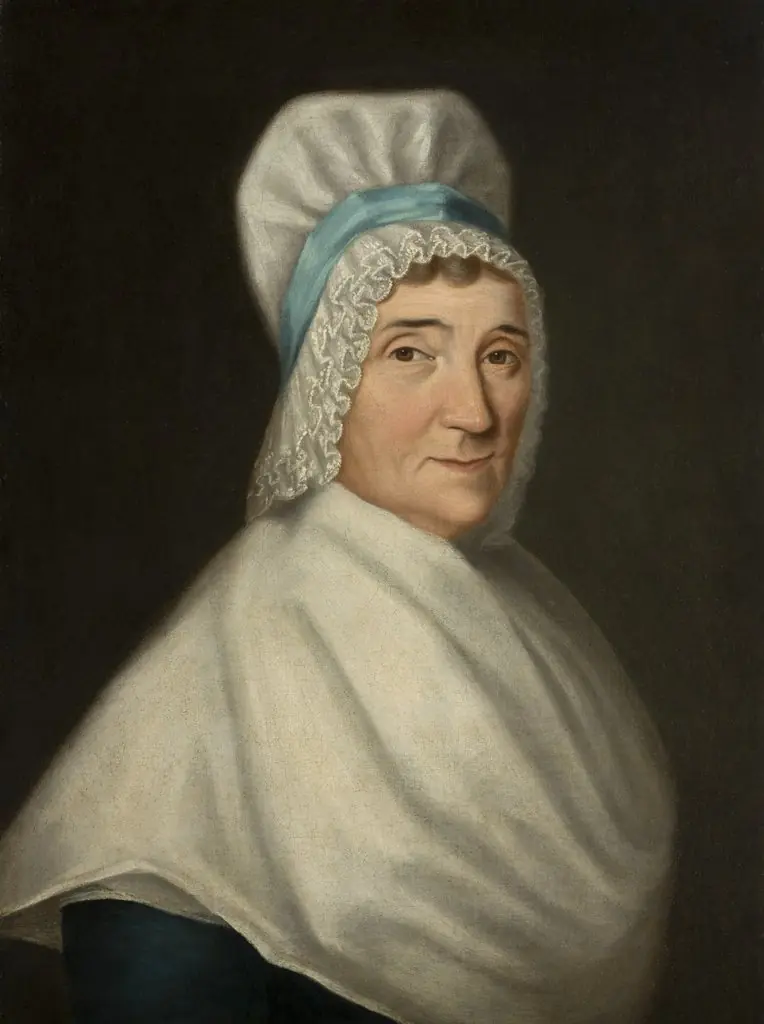 Madame Gabriel Cotte
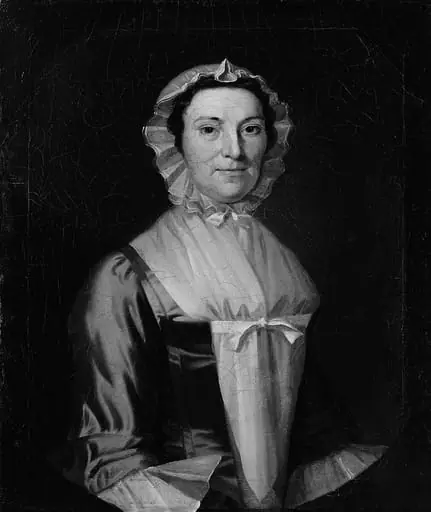 Mrs. Cadwallader Colden
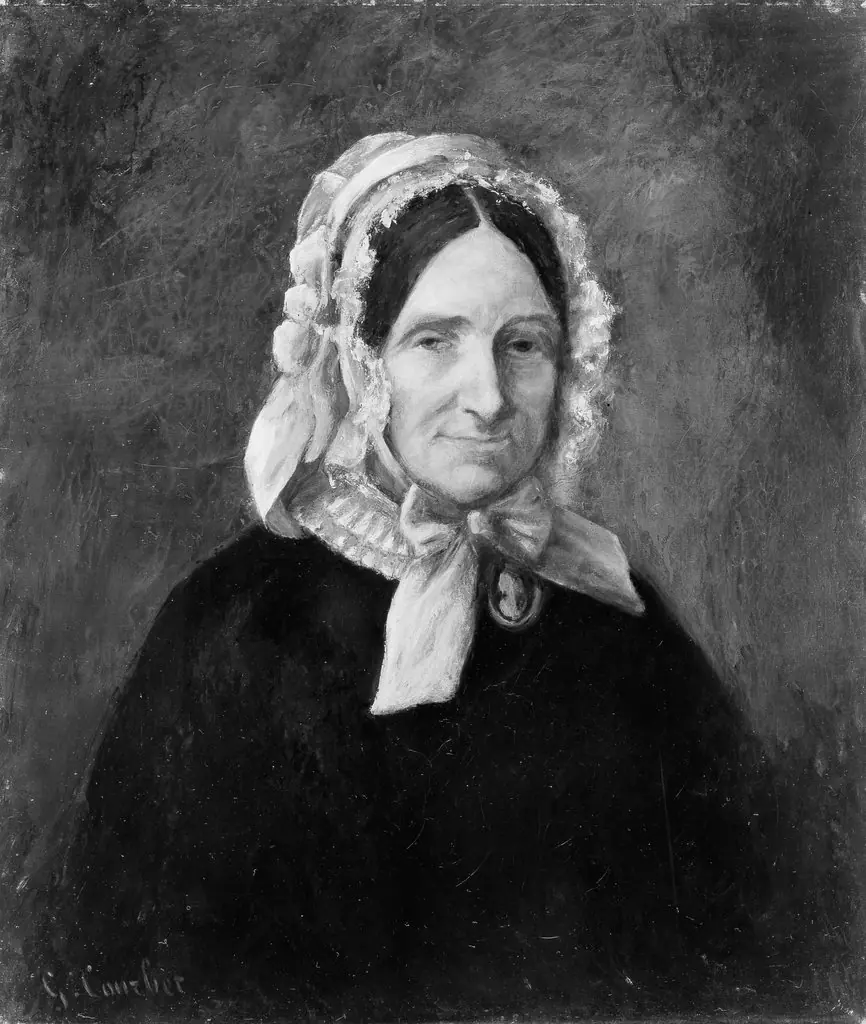 Portrait of a Woman, Called Héloïse Abélard
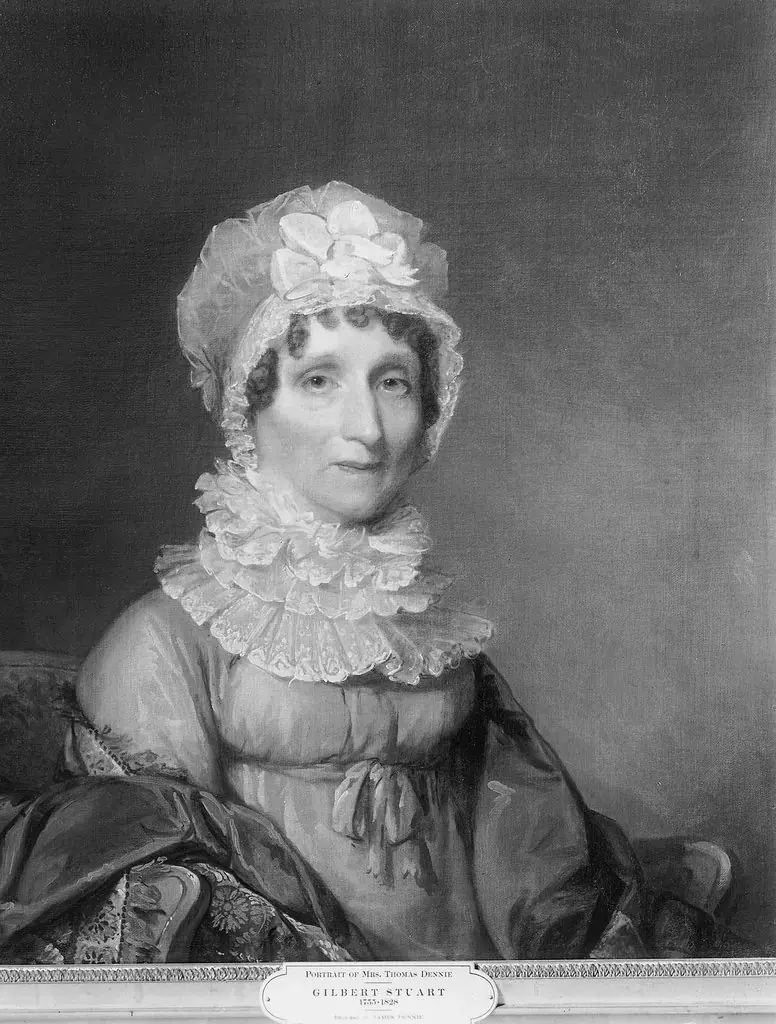 Mrs. Thomas Dennie (Sarah Bryant)