Artwork
Industrimanden og politikeren I.C. Drewsen
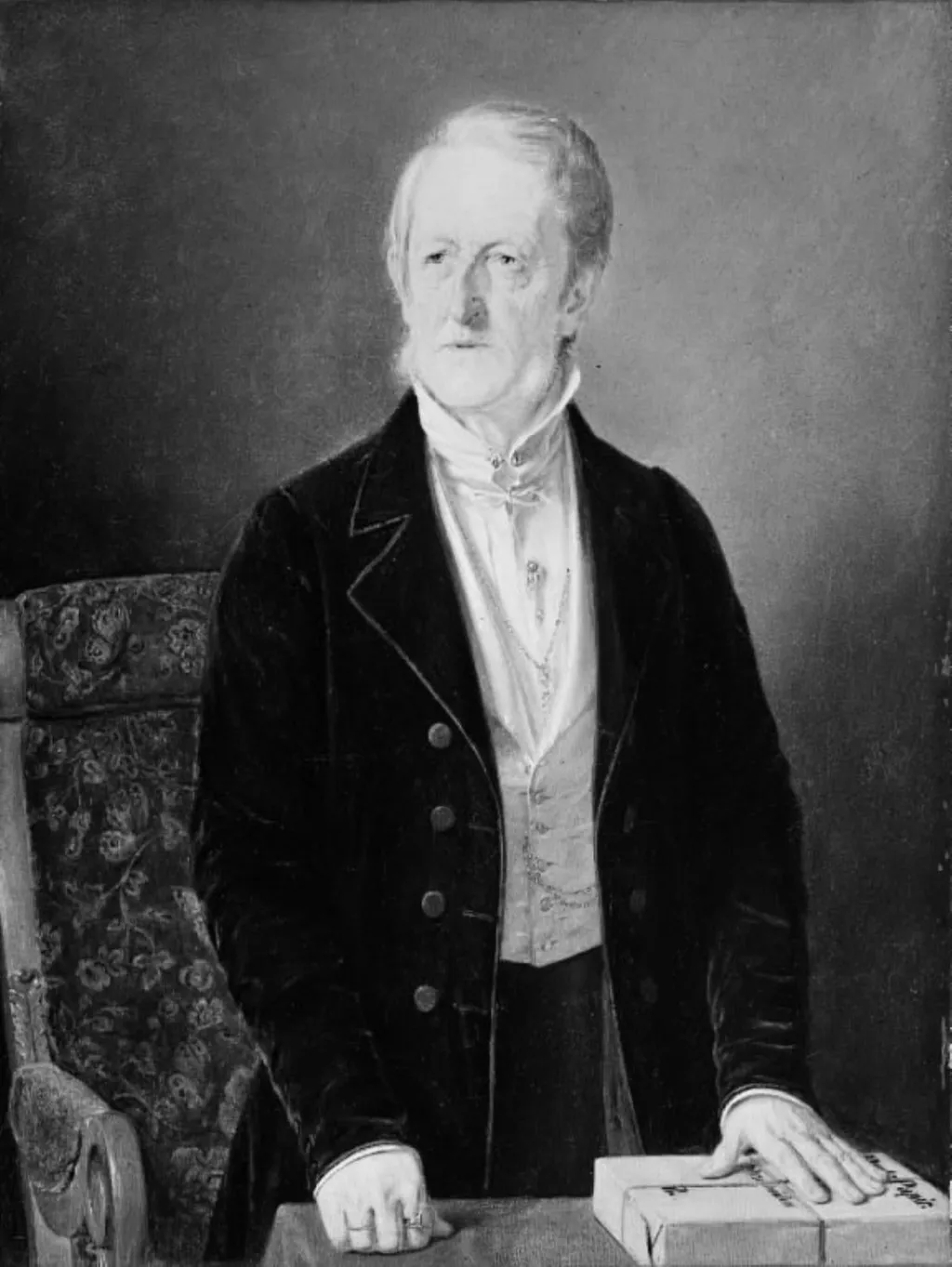
Industrimanden og politikeren I.C. Drewsen is a photography by the Romanticist artist Unknown. It dates from 1843 and is held in the collection of the Statens Museum for Kunst. Painted in 1843, this portrait captures I.
About this work
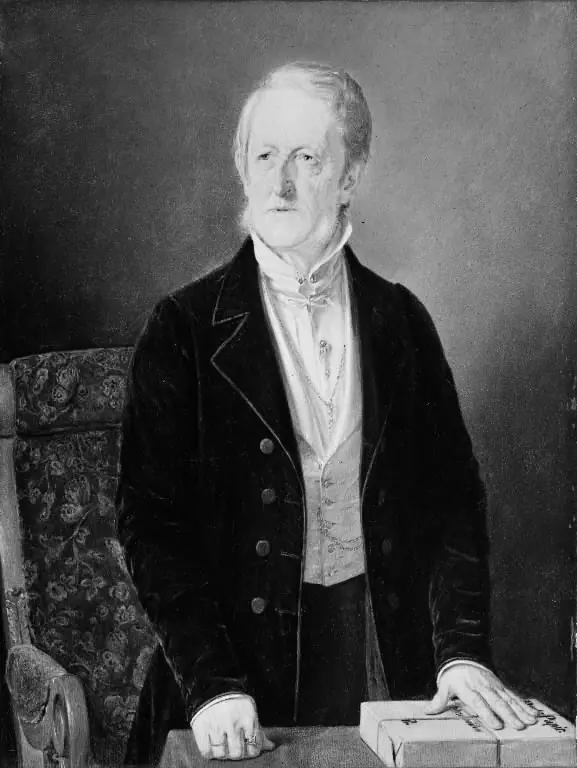
This painting depicts an older man in a dark coat with buttons down the front, standing behind a table with a book on it.
This painting depicts an older man in a dark coat with buttons down the front, standing behind a table with a book on it. He has white hair and is wearing a white shirt and vest. The background is a dark wall, and there is a chair with a patterned back to his left.
The man's attire and hairstyle suggest that he is from the 19th century. The book on the table may indicate that he is a scholar or intellectual.
This painting is characteristic of the Romanticism movement, which emphasized emotion and individualism. To learn more about this style, look up the Romanticism movement.
Overview
Painted in 1843, this portrait captures I.C. Drewsen, a Danish industrialist and politician, in a formal seated pose. The work is attributed to an artist associated with the early 19th-century Danish artistic tradition. It resides in the Museum of Ethnography, though its subject is not an ethnographic figure, suggesting the collection’s broader historical scope beyond cultural artifacts.
Subject & Meaning
I.C. Drewsen is portrayed as a man of intellect and public standing, dressed in the sober attire of a 19th-century bourgeois elite. The book on the table implies scholarly engagement, while his composed posture and direct gaze convey authority and reflection. The setting, stripped of ornament, focuses attention on his presence, aligning with ideals of individual dignity common in post-Napoleonic European portraiture.
Technique & Style
The painting employs muted tones and careful modeling to render texture and form, with attention to the folds of fabric and the sheen of the book’s cover. Backgrounds are rendered in deep, flat shadows, isolating the figure. While not overtly dramatic, the composition reflects Romantic-era tendencies toward psychological depth and restrained emotional resonance, favoring quiet dignity over theatricality.
History & Provenance
The portrait was likely commissioned by Drewsen’s family or associates shortly after his rise in public life. It entered the Museum of Ethnography’s collection in the late 19th or early 20th century, possibly as part of a broader effort to document Denmark’s civic leaders. Its presence there, rather than in an art museum, reflects shifting institutional priorities in preserving national heritage.
Context
In 1840s Denmark, industrialization and political reform were reshaping society. Drewsen, as both a manufacturer and legislator, embodied the emerging class of educated entrepreneurs. Portraits like this served to legitimize their social authority, merging economic success with cultural refinement. The style echoes contemporary Danish and German portraiture, which favored realism over idealization during this period.
Legacy
The portrait remains a quiet testament to Denmark’s transition into modernity, capturing a figure who bridged commerce and civic duty. Though not widely exhibited, it contributes to the historical record of how self-made elites presented themselves during a time of institutional change. Its preservation underscores the value placed on individual contribution to national development.
Artist & collection

 Domestic Scene
 Giacomo and Cardinal Marco, investing Andrea, Abbot of San Zeno, with his Benefice
 The Nymph of Fontainebleau
 Portrait of a Woman
 Madonna and Child with Saints in the Enclosed Garden
 Venus and Minerva
 Family Group of Four on Sofa
 Wall painting from Room H of the Villa of P. Fannius Synistor at Boscoreale
 Præsten Gjerløv Christian Krog Schiøler
 Wendell Phillips
 Præsten Gjerløv Christian Krog Schiøler
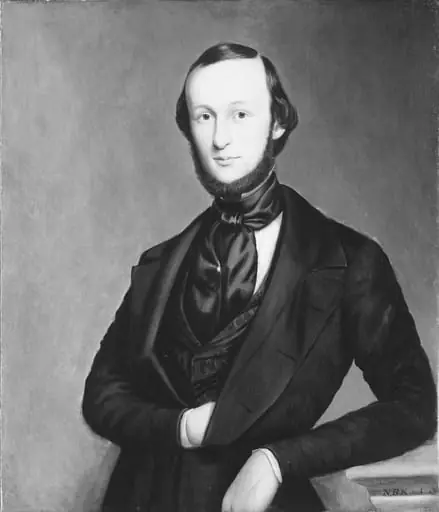 Charles Henry Augustus Carter
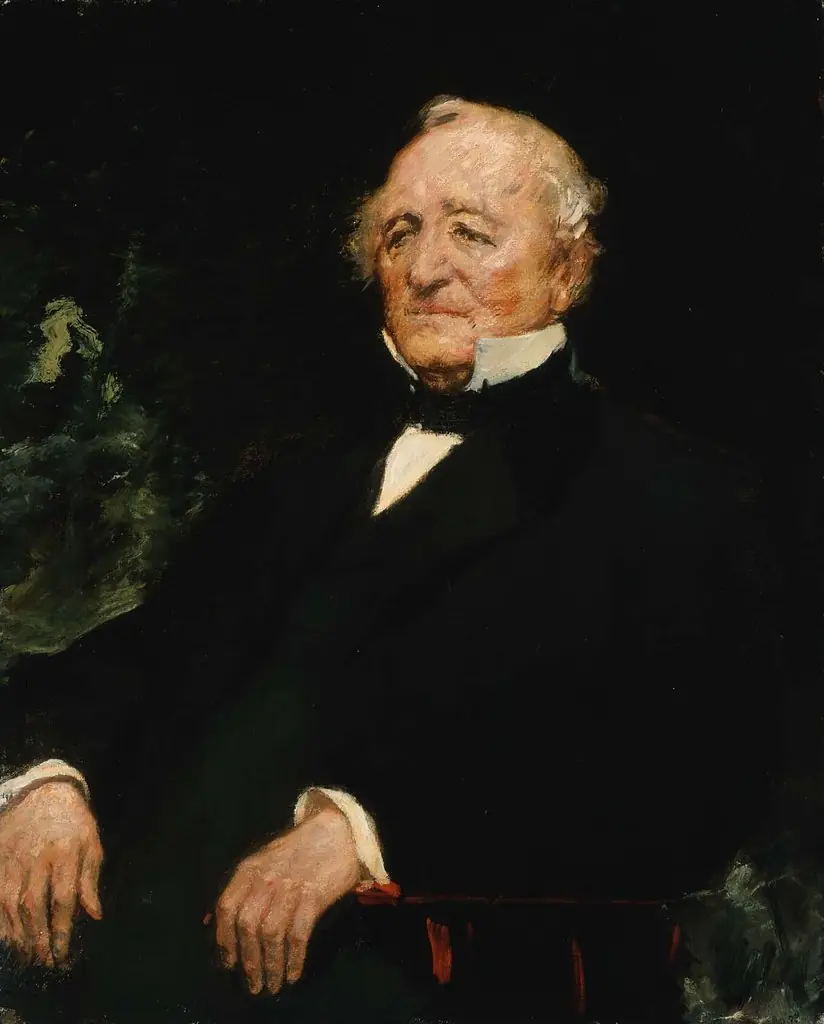 Senator Charles Sumner
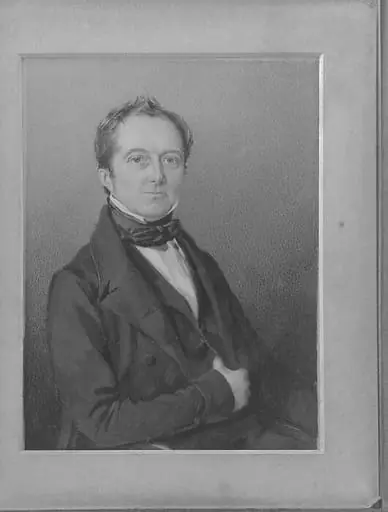 Uncle Charles
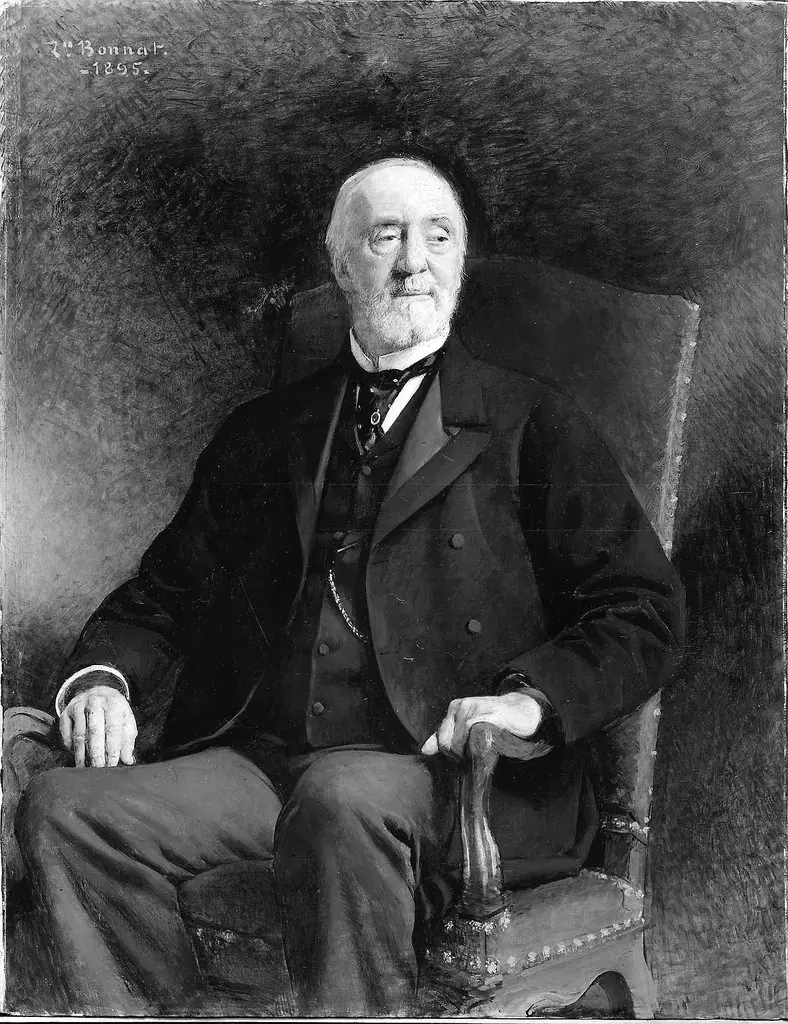 Henry Lillie Pierce
 William Richard Hamilton (1777-1859)
 Portrait of a Gentleman
 Portrait of George Petrie (1790-1866), Artist and Archaeologist
 Peter Hiort Lorenzen, slesvigsk stænderdeputeret, kunstnerens svoger
 Industrimanden og politikeren I.C. Drewsen