Artwork
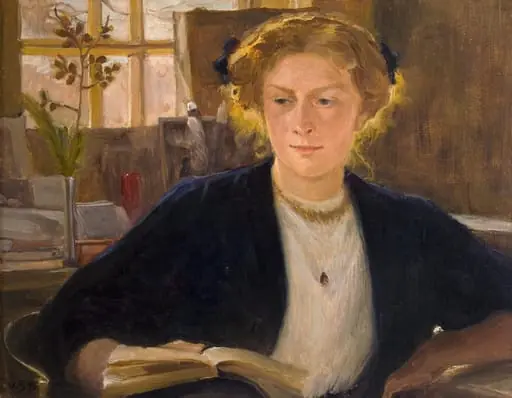
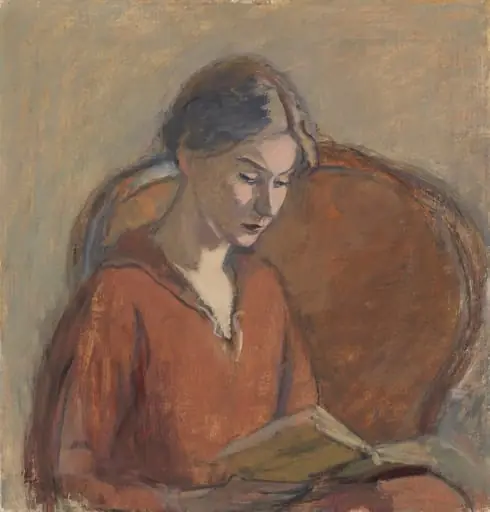
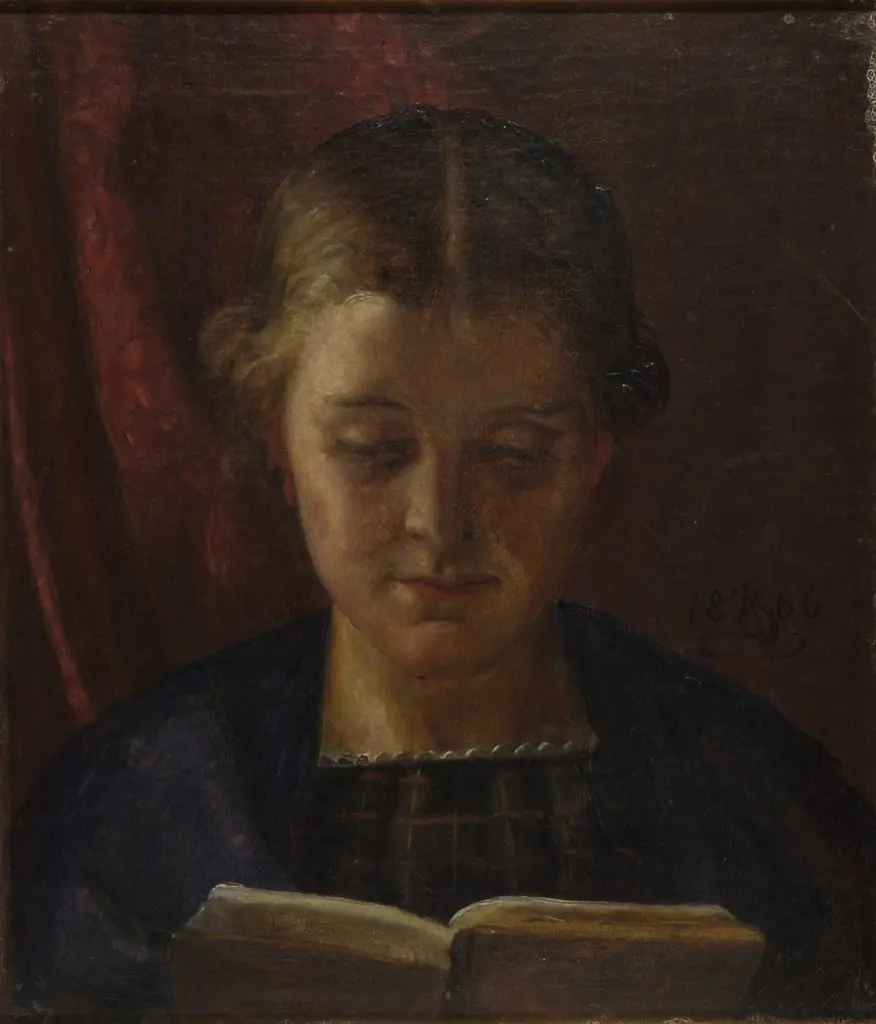
Elisabeth Zahrtmann, kunstnerens søster, læsende
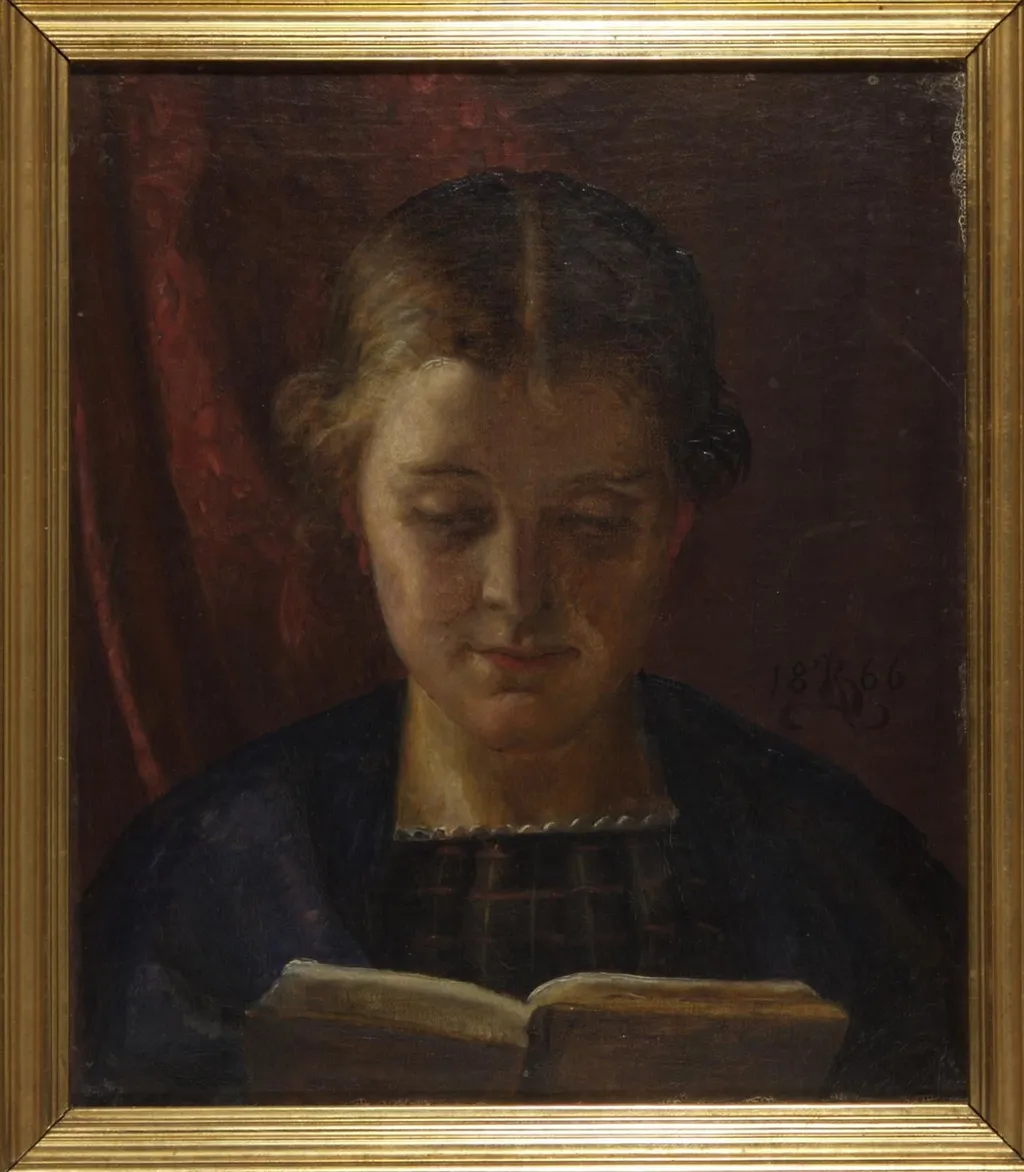
Elisabeth Zahrtmann, kunstnerens søster, læsende is a photography by the Impressionist artist Unknown. It dates from 1866 and is held in the collection of the Statens Museum for Kunst. Painted in 1866, this portrait depicts Elisabeth Zahrtmann, sister of the Danish artist Christen Dalsgaard.
About this work
Overview
The subject’s stillness and focused gaze convey a sense of private reflection, characteristic of domestic scenes favored in 19th-century Danish art.
Painted in 1866, this portrait depicts Elisabeth Zahrtmann, sister of the Danish artist Christen Dalsgaard. The work is held in the collection of the Museum of Ethnography in Copenhagen. It presents a quiet, intimate moment of reading, rendered with careful attention to light and texture. The subject’s stillness and focused gaze convey a sense of private reflection, characteristic of domestic scenes favored in 19th-century Danish art.
Subject & Meaning
Elisabeth Zahrtmann is shown absorbed in a book, her posture and expression suggesting deep concentration. The act of reading, often associated with intellectual engagement and personal solitude in this period, frames her as a figure of quiet inner life. The absence of decorative elements or narrative context directs attention to her mental presence, emphasizing introspection over social performance.
Technique & Style
The painting employs oil on canvas with a restrained palette dominated by deep reds and muted tones. A soft, directional light illuminates the subject’s face and hands, creating subtle gradations of shadow that define form without dramatic contrast. The background’s rich, luminous red suggests a deliberate use of color to enhance mood rather than to describe space, aligning with contemporary Nordic tendencies toward atmospheric realism.
History & Provenance
The portrait was completed in 1866 and remained within the artist’s family before entering the Museum of Ethnography’s collection. Its acquisition reflects a broader institutional interest in documenting domestic life and personal portraiture from Denmark’s Golden Age. While not widely exhibited, it has been consistently cataloged as an example of intimate genre painting from the period.
Context
In mid-19th-century Denmark, domestic scenes featuring women in quiet activities were common in academic and bourgeois art. These works often conveyed moral ideals of modesty and intellectual refinement. The painting’s focus on reading aligns with contemporary cultural values that associated literacy and solitude with feminine virtue, even as such imagery subtly expanded the visibility of women’s inner lives.
Legacy
Though not among the most publicly recognized works of its time, the portrait contributes to a nuanced understanding of Danish domestic portraiture. It exemplifies how artists captured private moments with emotional restraint, avoiding theatricality in favor of authenticity. Its preservation in a museum of ethnography underscores its value as a document of everyday life rather than merely artistic achievement.
Artist & collection

 Domestic Scene
 Giacomo and Cardinal Marco, investing Andrea, Abbot of San Zeno, with his Benefice
 The Nymph of Fontainebleau
 Portrait of a Woman
 Madonna and Child with Saints in the Enclosed Garden
 Venus and Minerva
 Family Group of Four on Sofa
 Wall painting from Room H of the Villa of P. Fannius Synistor at Boscoreale