Artwork
Seascape with Clouds (The Sound Coast?)
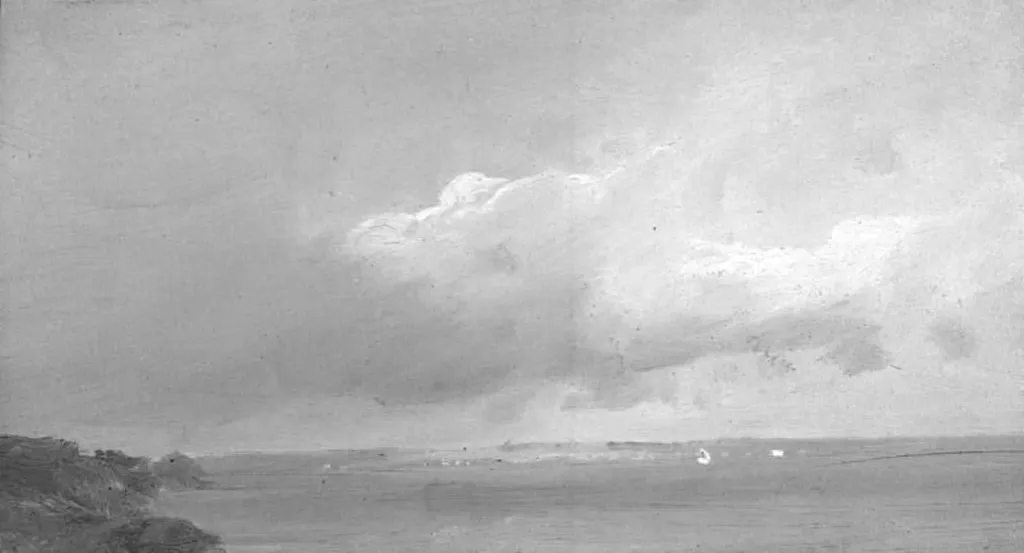
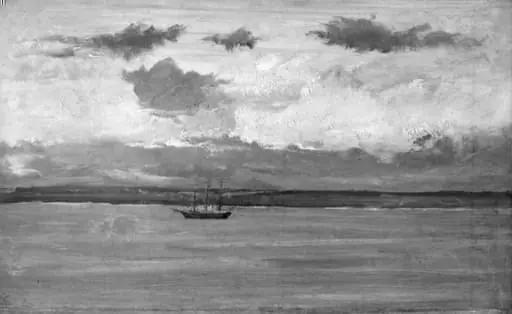
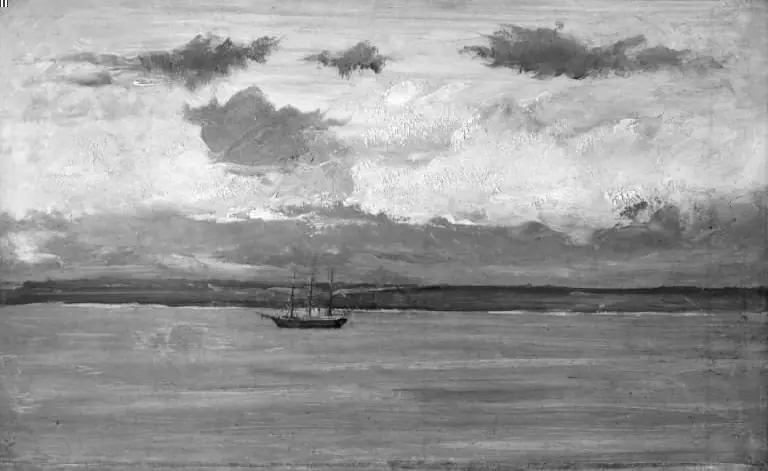
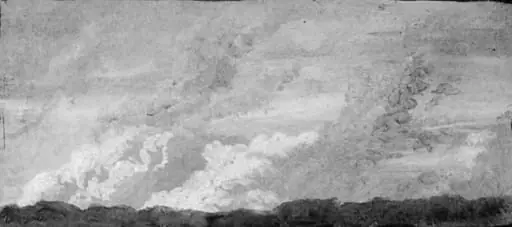
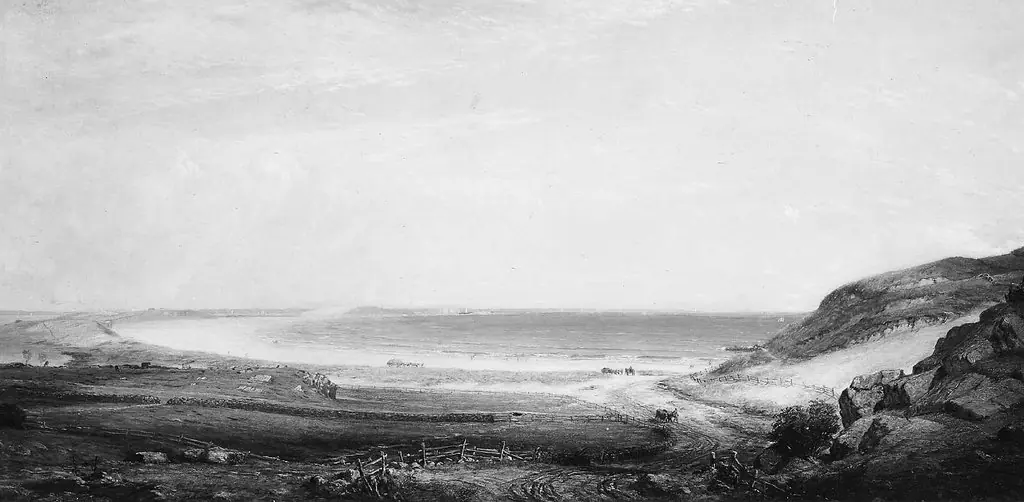
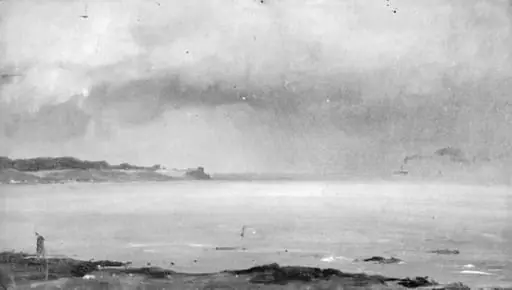
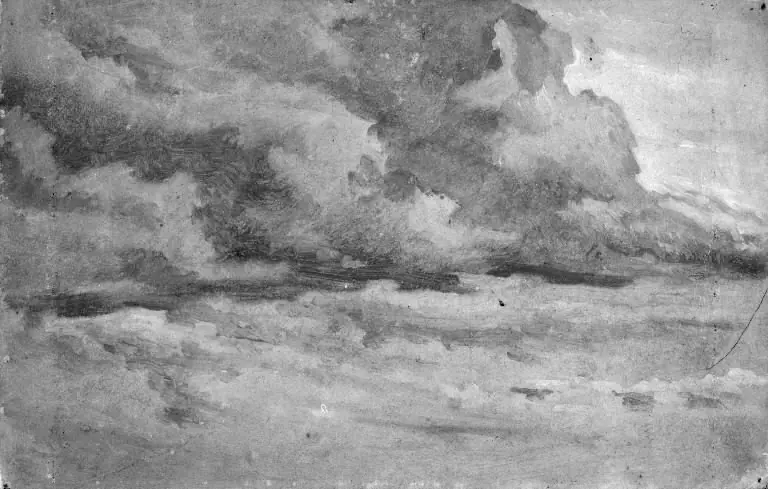
Seascape with Clouds (The Sound Coast?) is a photography by Unknown. It dates from 1850 and is held in the collection of the Statens Museum for Kunst. Created around 1850, this marine work by 1321_person portrays a quiet coastal expanse under a shifting sky.
About this work
Overview
Created around 1850, this marine work by 1321_person portrays a quiet coastal expanse under a shifting sky. The painting is part of the Museum of Ethnography’s collection, though its exact title and location remain uncertain. Its subdued tones and restrained composition reflect a quiet engagement with natural phenomena rather than dramatic narrative.
Subject & Meaning
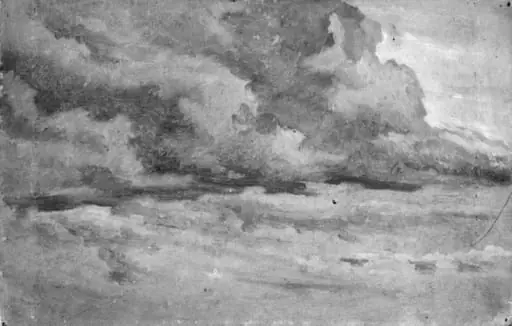
The scene presents a calm sea meeting a sky dominated by layered clouds—some luminous, others heavy with shadow. There is no human presence or vessel, emphasizing solitude and the elemental rhythm of sea and atmosphere. The work invites quiet observation, suggesting a meditation on nature’s stillness rather than a depiction of a specific place or event.
Technique & Style
Soft, blended brushwork defines both water and sky, avoiding sharp edges to enhance the sense of atmospheric continuity. A limited palette of blues, grays, and whites, punctuated by faint darks in the cloud bases, creates subtle tonal variation. Chiaroscuro is used sparingly to suggest depth, not drama, reinforcing the painting’s restrained, meditative character.
History & Provenance
The painting entered the Museum of Ethnography’s holdings in the late 19th century, though its acquisition details are undocumented. Its attribution to 1321_person is based on stylistic comparison with other works from the period, as no signed or dated records survive. The title 'The Sound Coast?' was added later, reflecting speculative geographic association.
Context
Produced during a time when coastal landscapes were increasingly studied for their atmospheric effects, this work aligns with broader 19th-century European interests in naturalism and mood. Unlike dramatic seascapes of the era, it avoids narrative or symbolic weight, instead focusing on quiet observation—a quiet counterpoint to more theatrical contemporaries.
Legacy
Though not widely exhibited or reproduced, the painting contributes to an understudied strand of 19th-century marine art that prioritizes atmosphere over spectacle. Its presence in an ethnographic museum, rather than a fine arts collection, hints at its perceived role as a document of natural phenomena rather than artistic achievement.
Artist & collection

 Domestic Scene
 Giacomo and Cardinal Marco, investing Andrea, Abbot of San Zeno, with his Benefice
 The Nymph of Fontainebleau
 Portrait of a Woman
 Madonna and Child with Saints in the Enclosed Garden
 Venus and Minerva
 Family Group of Four on Sofa
 Wall painting from Room H of the Villa of P. Fannius Synistor at Boscoreale