Artwork
An Old Jewish Doctor Advising a Woman
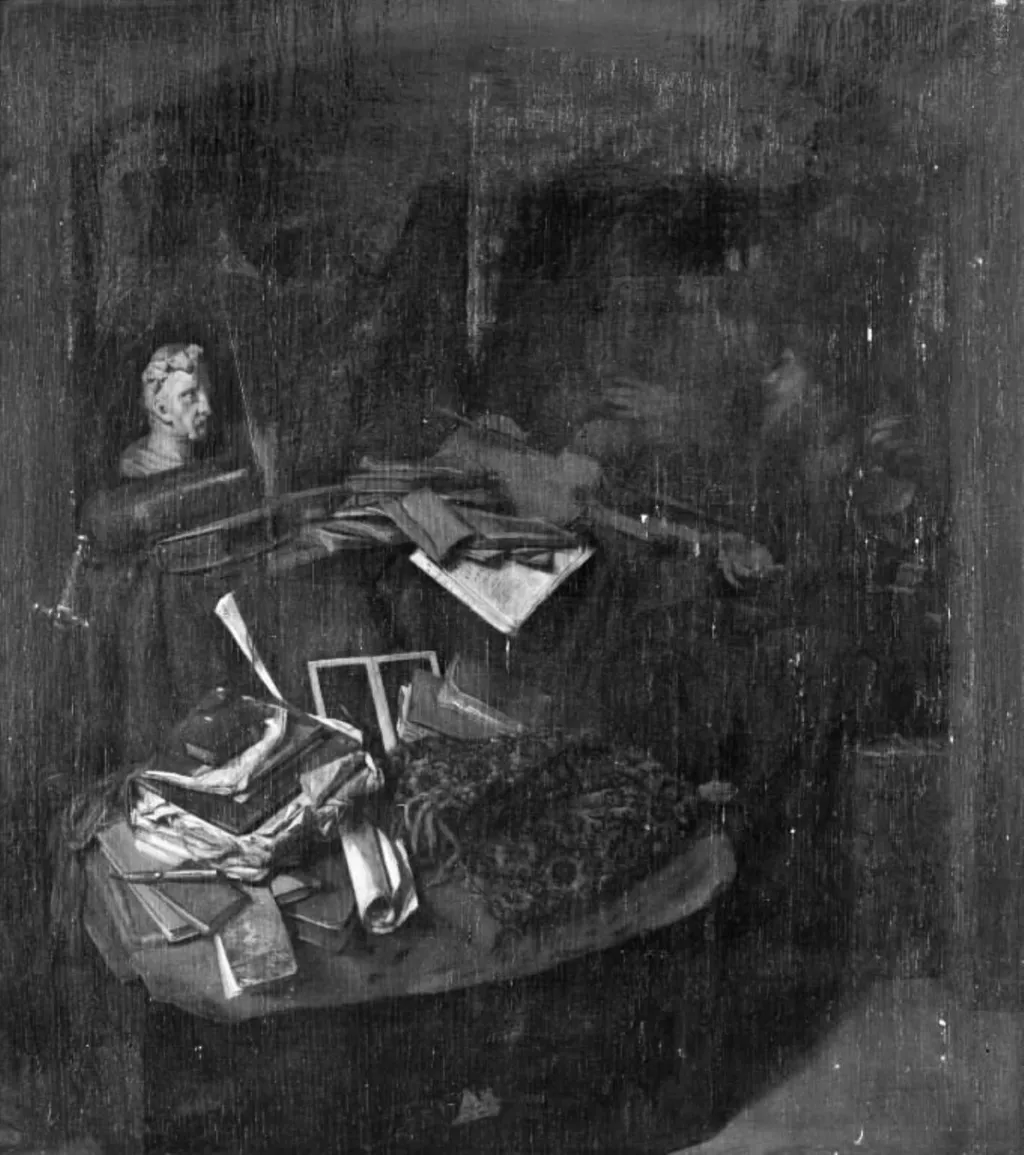
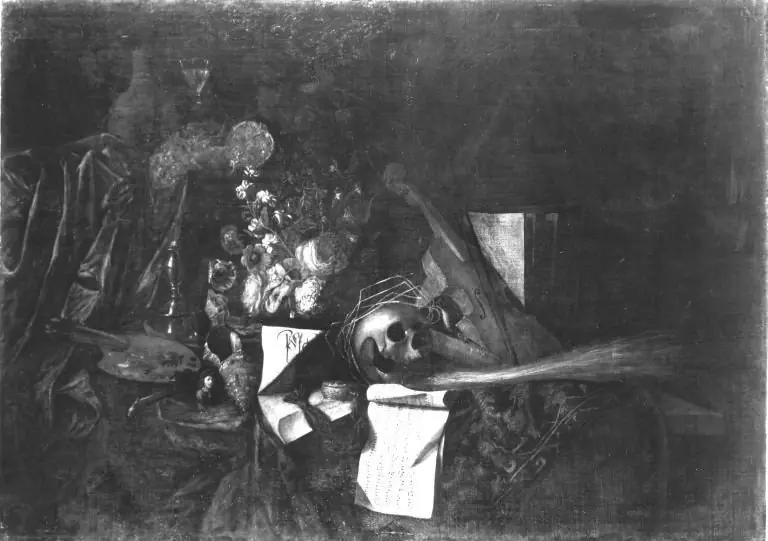
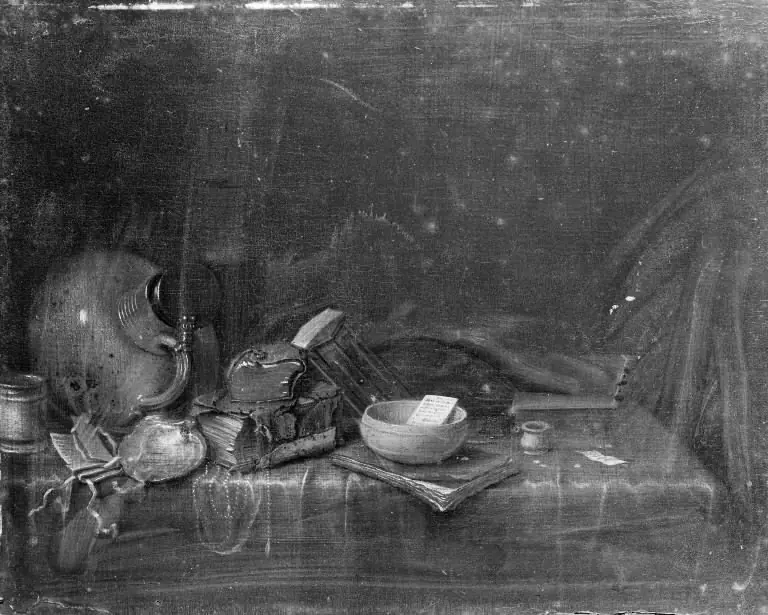
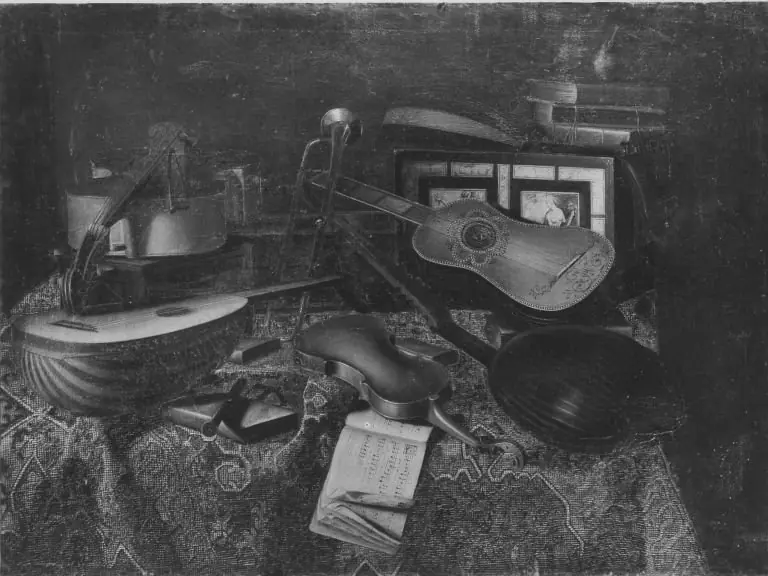
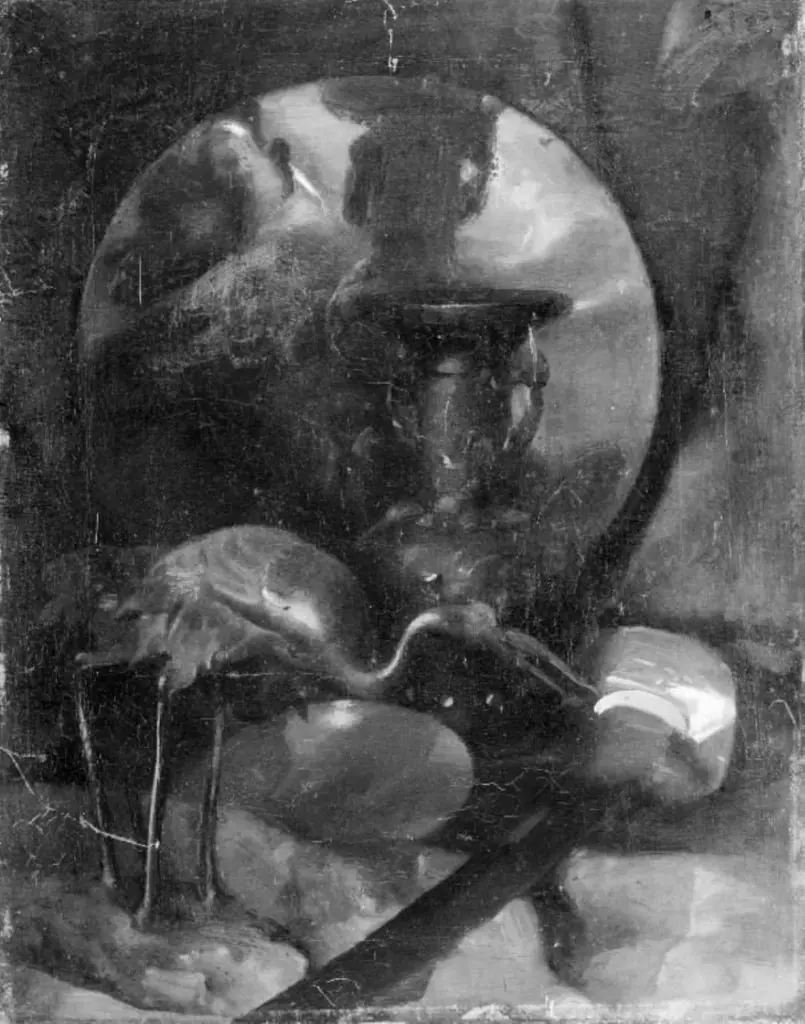
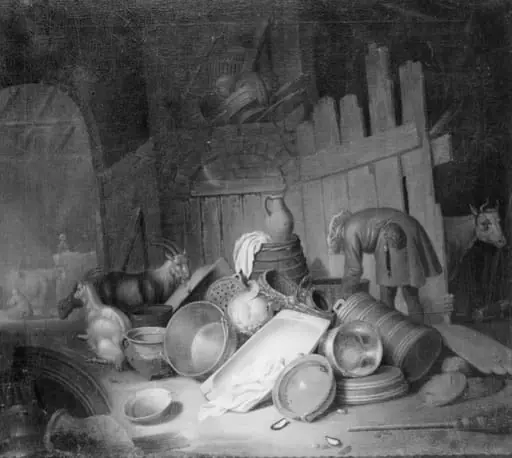
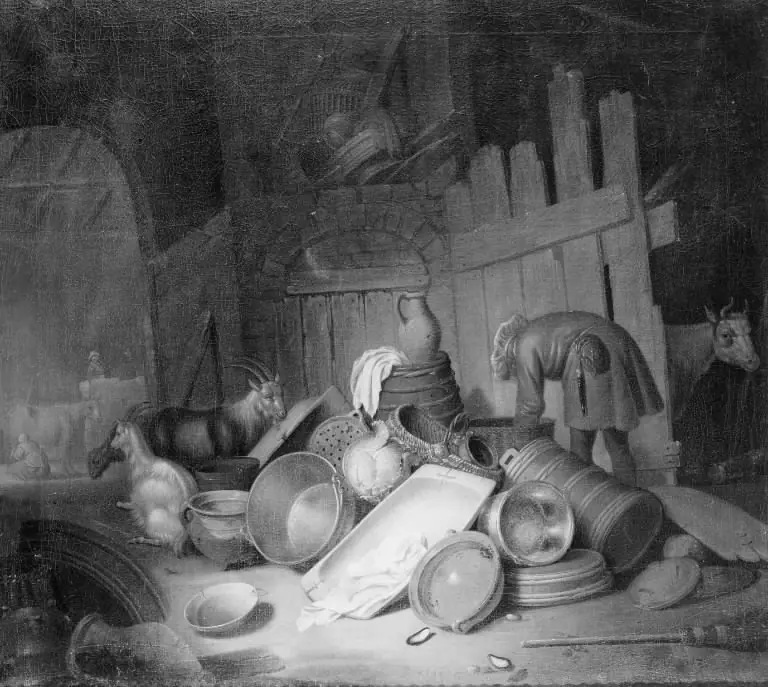
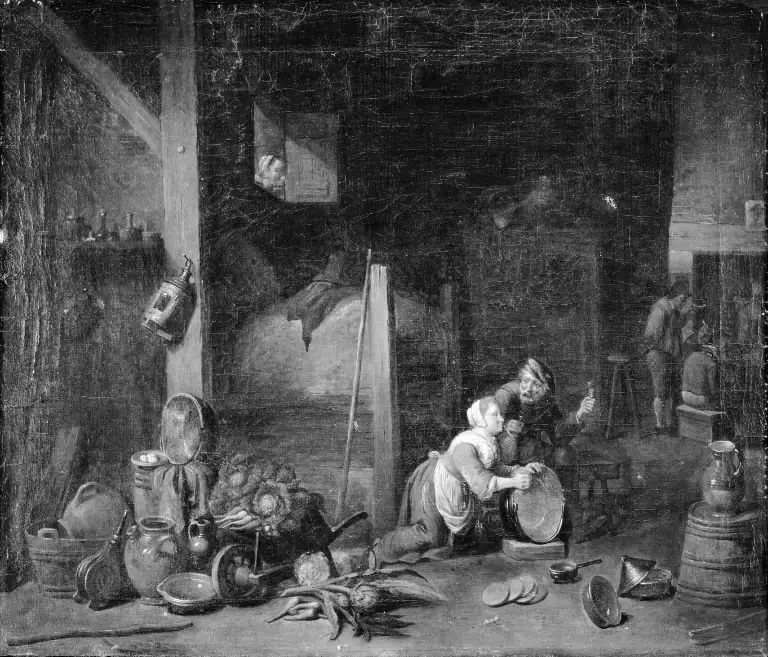
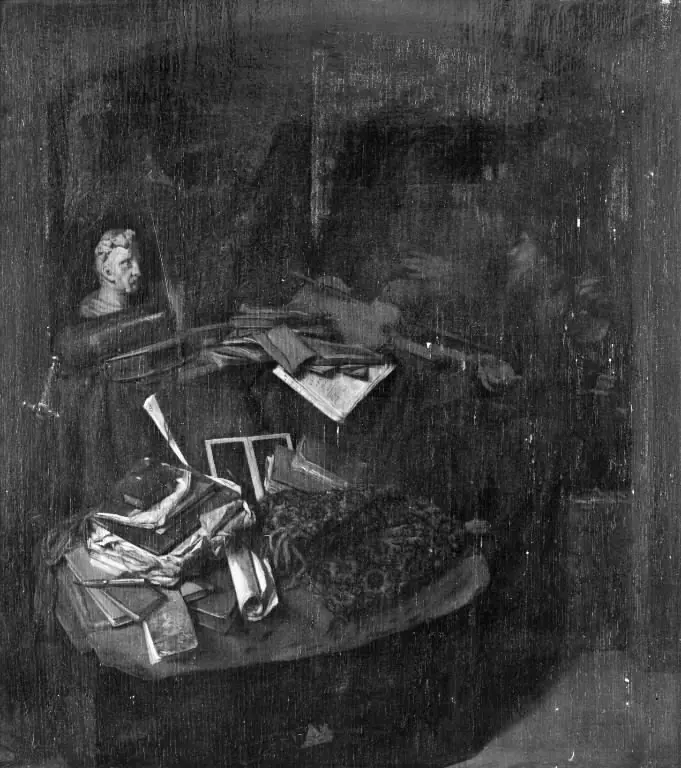
An Old Jewish Doctor Advising a Woman is a photography by Unknown. It dates from 1650 and is held in the collection of the Statens Museum for Kunst. This black-and-white photograph, dated around 1650, depicts a moment of quiet exchange between an elderly Jewish physician and a woman.
About this work
Overview
The image, held by the Museum of Ethnography, captures a domestic or clinical setting with minimal props: a table, scattered papers, and a small box.
This black-and-white photograph, dated around 1650, depicts a moment of quiet exchange between an elderly Jewish physician and a woman. The image, held by the Museum of Ethnography, captures a domestic or clinical setting with minimal props: a table, scattered papers, and a small box. The composition emphasizes stillness and concentration, with no overt narrative cues beyond the figures' posture and gaze.
Subject & Meaning
The scene portrays a medical consultation, with the man, dressed in a dark robe and holding a book, acting as an advisor. The woman kneels before him, hands folded, suggesting reverence or submission. The interaction implies a transfer of knowledge or spiritual counsel, possibly blending medical and folk healing traditions. The absence of overt symbols leaves the exact nature of the advice open to interpretation.
Technique & Style
The photograph’s grainy texture and stark lighting evoke an early photographic or engraved print aesthetic. Light falls sharply across the man’s face and the table’s edge, creating defined shadows that heighten the sense of intimacy and gravity. The contrast between the man’s angular features and the woman’s softer expression reinforces a hierarchical dynamic without overt dramatization.
History & Provenance
Attributed to an artist active in the mid-17th century, the work entered the Museum of Ethnography’s collection as part of a broader effort to document cultural practices. Its origins remain unclear, but its style suggests it may derive from a printed illustration or early photographic reproduction, possibly made for scholarly or ethnographic circulation rather than artistic display.
Context
In 17th-century Europe, Jewish physicians often served both Jewish and non-Jewish communities, sometimes navigating tensions between religious tradition and emerging scientific medicine. This image may reflect the persistence of oral medical knowledge and the role of elders as healers. The kneeling posture could indicate cultural norms of deference, common in both religious and domestic settings of the time.
Legacy
The image endures as a quiet record of cross-cultural medical practice and gendered roles in early modern care. It is not widely reproduced in art historical discourse but holds value in ethnographic studies for its unembellished depiction of daily ritual. Its simplicity invites reflection on the unseen labor of healers and the transmission of knowledge beyond formal institutions.
Artist & collection

 Domestic Scene
 Giacomo and Cardinal Marco, investing Andrea, Abbot of San Zeno, with his Benefice
 The Nymph of Fontainebleau
 Portrait of a Woman
 Madonna and Child with Saints in the Enclosed Garden
 Venus and Minerva
 Family Group of Four on Sofa
 Wall painting from Room H of the Villa of P. Fannius Synistor at Boscoreale