Artwork
Opstilling
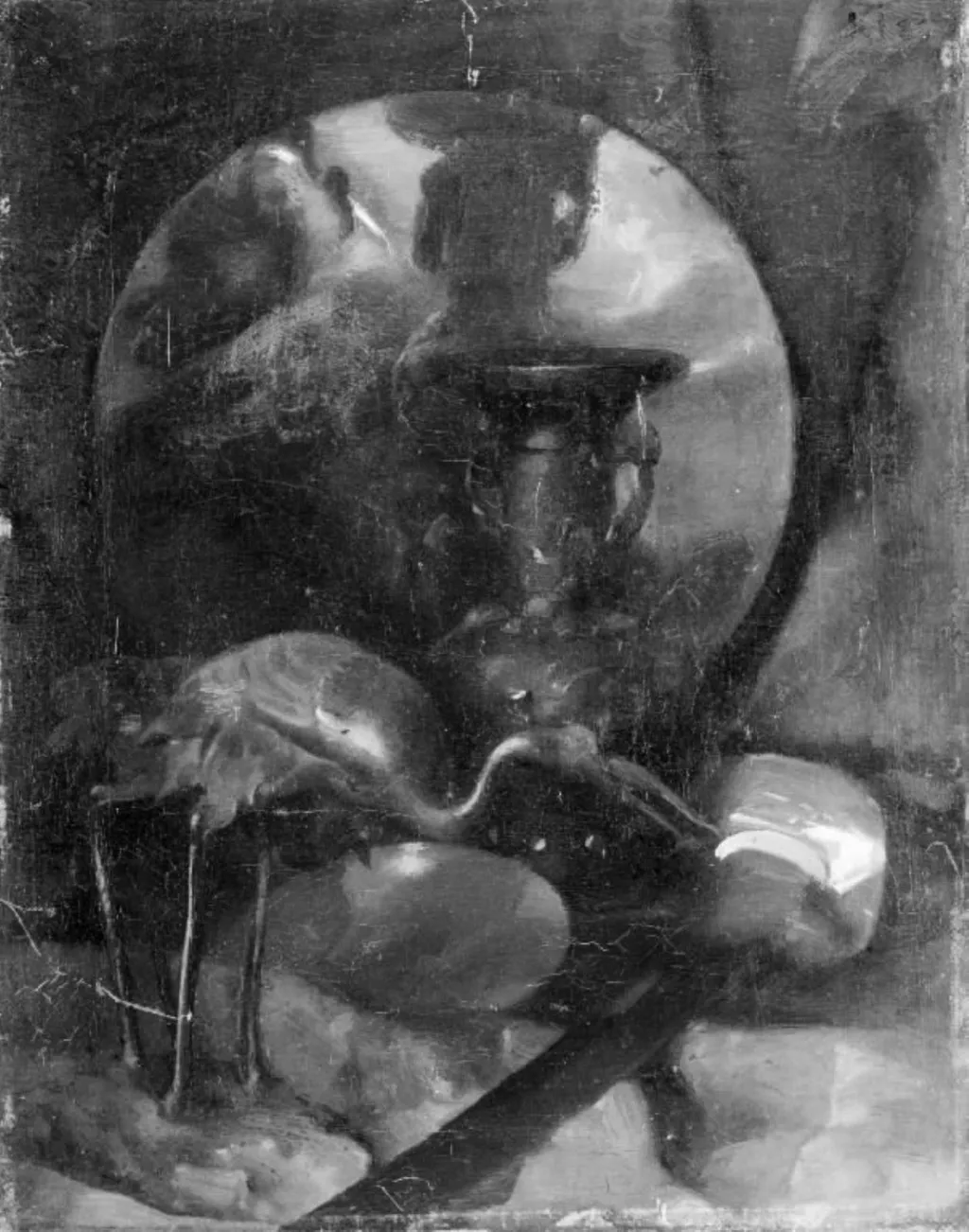
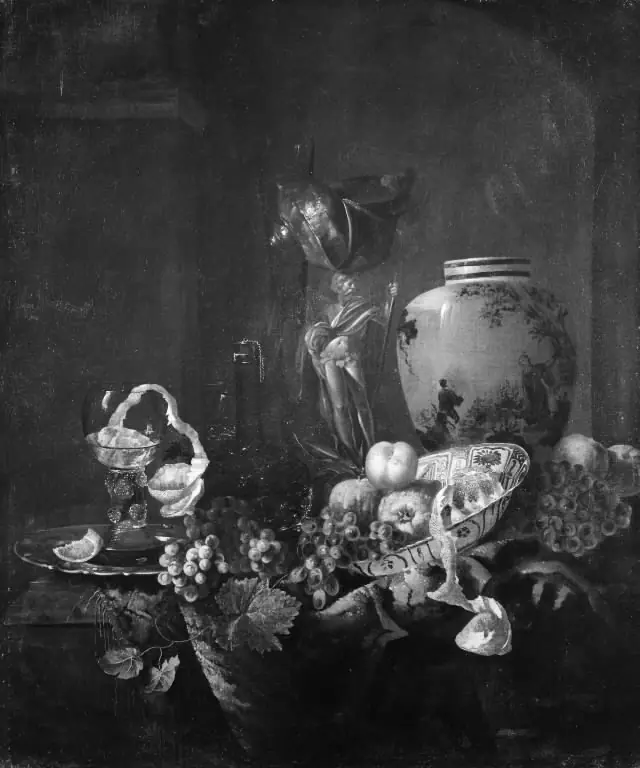
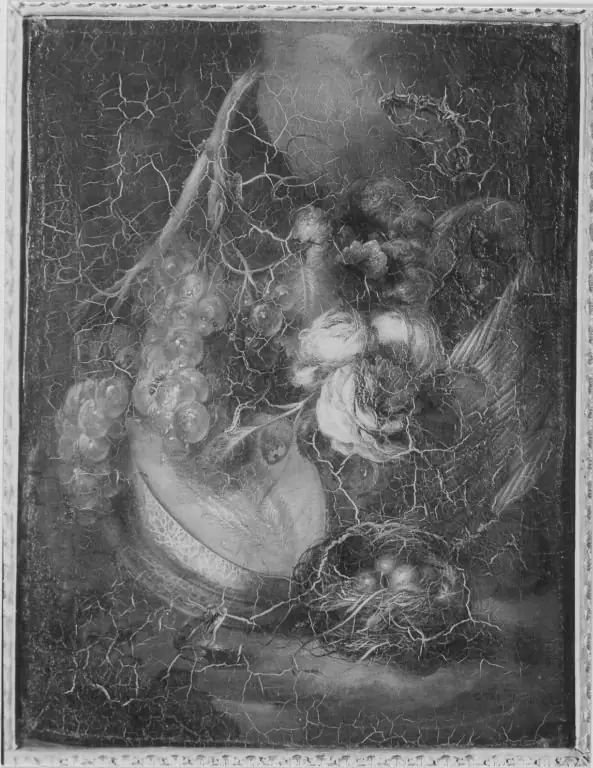
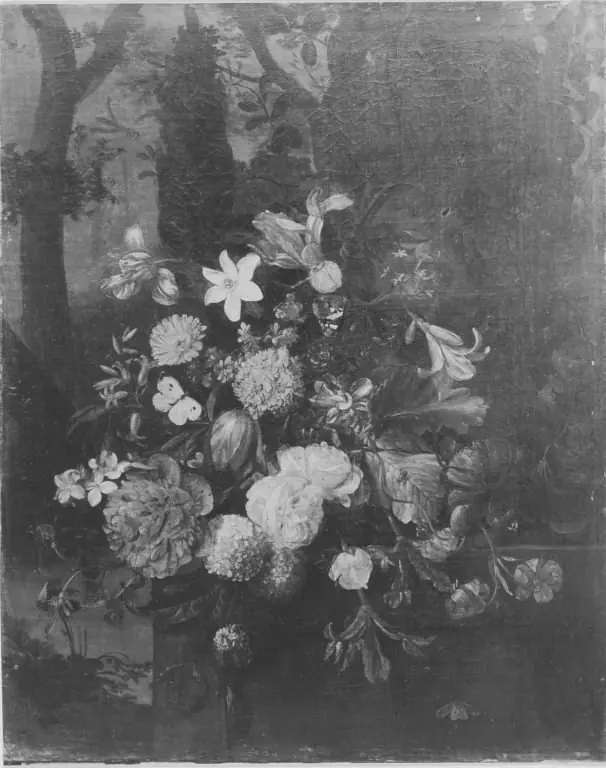
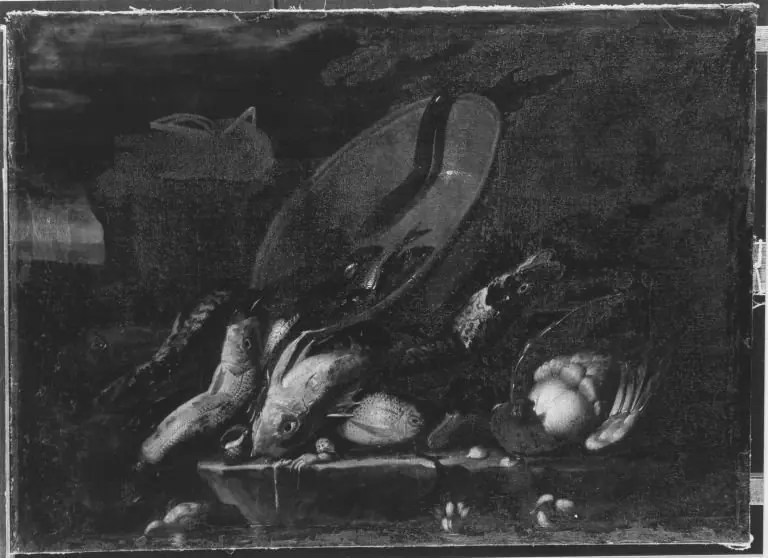
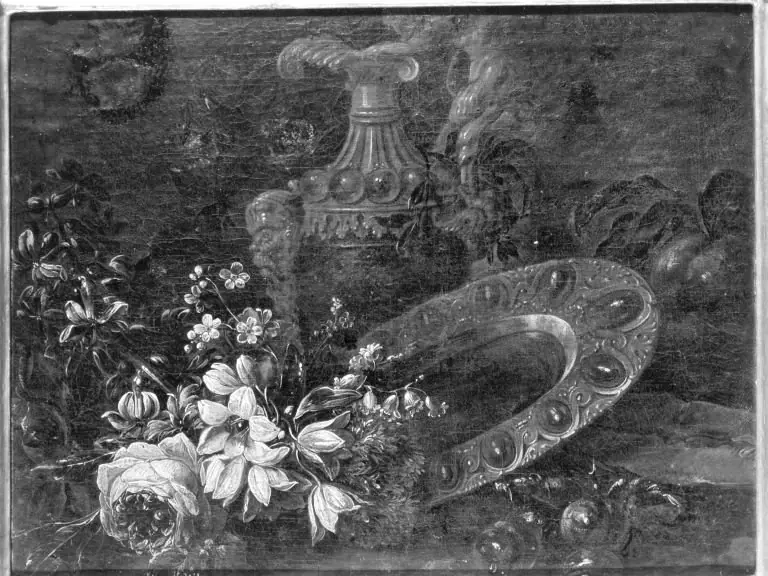
Opstilling is an oil painting by the Impressionist artist Karl Jensen. It dates from 1892 and is held in the collection of the Statens Museum for Kunst.
About this work
Overview
Though associated with Impressionist sensibilities, the work leans toward careful realism in its rendering of everyday objects.
Painted in 1892 by Danish artist Karl Jensen, *Opstilling* is an oil-on-canvas still life that reflects the quiet observation characteristic of late 19th-century Nordic painting. Though associated with Impressionist sensibilities, the work leans toward careful realism in its rendering of everyday objects. It resides in the collection of Statens Museum for Kunst in Copenhagen, where it contributes to the museum’s representation of Danish domestic scenes from the period.
Subject & Meaning
The composition centers on three household items—a vase, a bowl, and a cup—arranged with deliberate balance on a horizontal surface. No narrative or symbolic intent is overt; instead, the painting invites contemplation of ordinary forms. The placement suggests a moment of stillness, perhaps after use, emphasizing the dignity of mundane objects through their careful arrangement and absence of clutter.
Technique & Style
Jensen employs oil paint to capture subtle variations in surface texture: the vase’s engraved patterns, the bowl’s glossy sheen, and the cup’s matte rim are rendered with precision. A dark, unmodeled background isolates the objects, enhancing their presence without dramatic lighting. The approach avoids the loose brushwork of French Impressionism, favoring controlled, deliberate strokes that prioritize clarity over atmospheric effect.
History & Provenance
Created during Jensen’s mature period, *Opstilling* entered the collection of Statens Museum for Kunst shortly after its completion. Little is documented about its early ownership, but its inclusion in the national collection indicates early recognition of its quiet formal qualities. It has remained in public hands since, consistently displayed as an example of Danish still-life practice in the late 1800s.
Context
In 1890s Denmark, artists increasingly turned from grand historical themes to intimate domestic subjects. Jensen, like contemporaries such as P.S. Krøyer, explored the aesthetic potential of ordinary interiors. While French Impressionism influenced Danish painters, *Opstilling* reflects a more restrained, Northern European tradition—one that valued stillness, material presence, and subtle tonal harmony over fleeting light effects.
Legacy
Though not widely reproduced, *Opstilling* remains a representative example of Danish still-life painting at the turn of the century. Its emphasis on materiality and compositional restraint influenced later generations of Nordic artists interested in the quiet poetry of everyday objects. It continues to be studied for its understated technique and its role in expanding the scope of Danish academic painting beyond landscape and portraiture.
Artist & collection
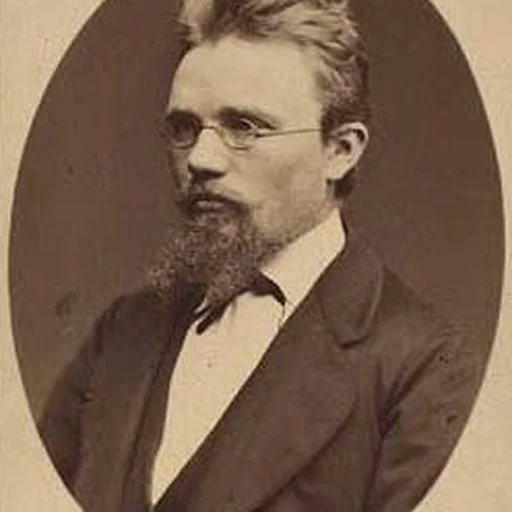
Artist
Karl Georg Jensen (22 November 1851 – 23 May 1933) was a Danish painter. He is remembered for his landscapes of northern Zealand and for his architectural interiors.