Artwork
Landscape with the Flight into Egypt
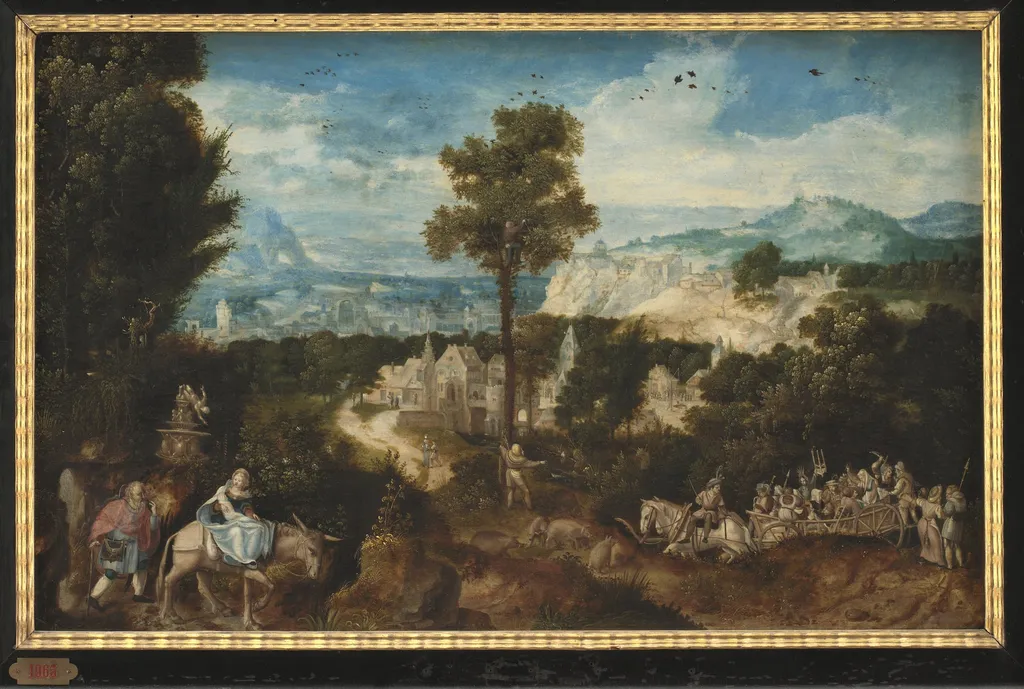
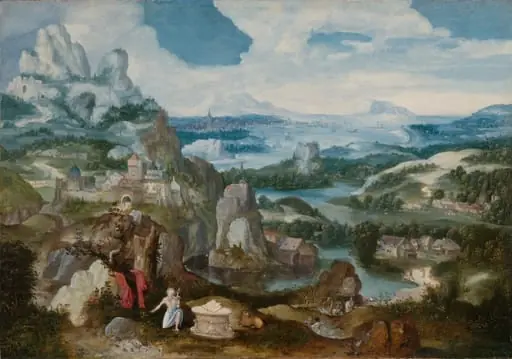
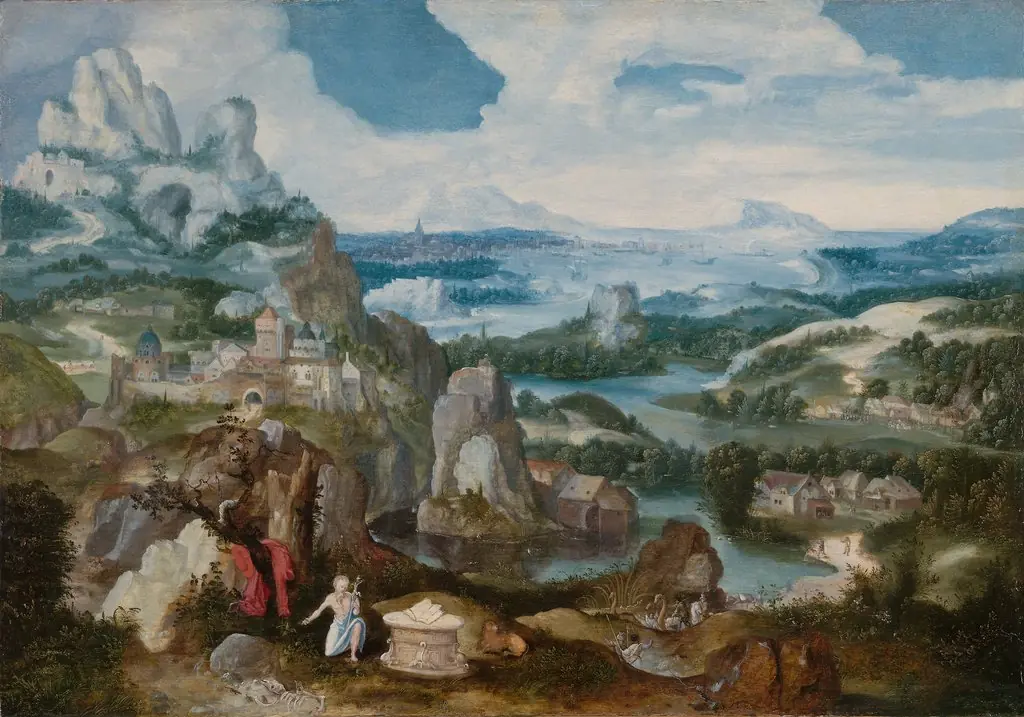
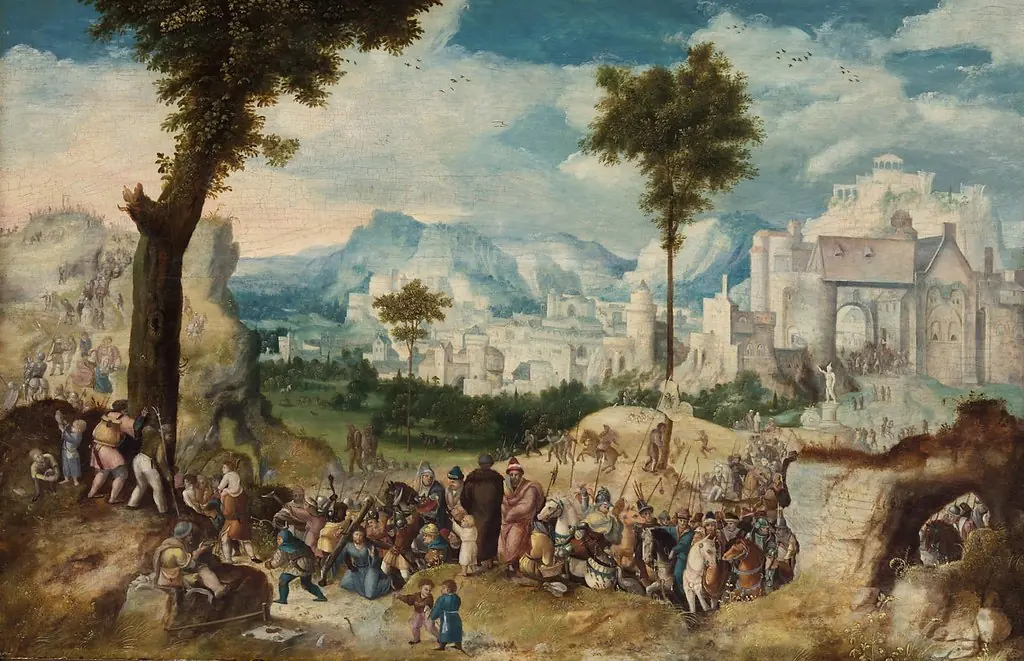
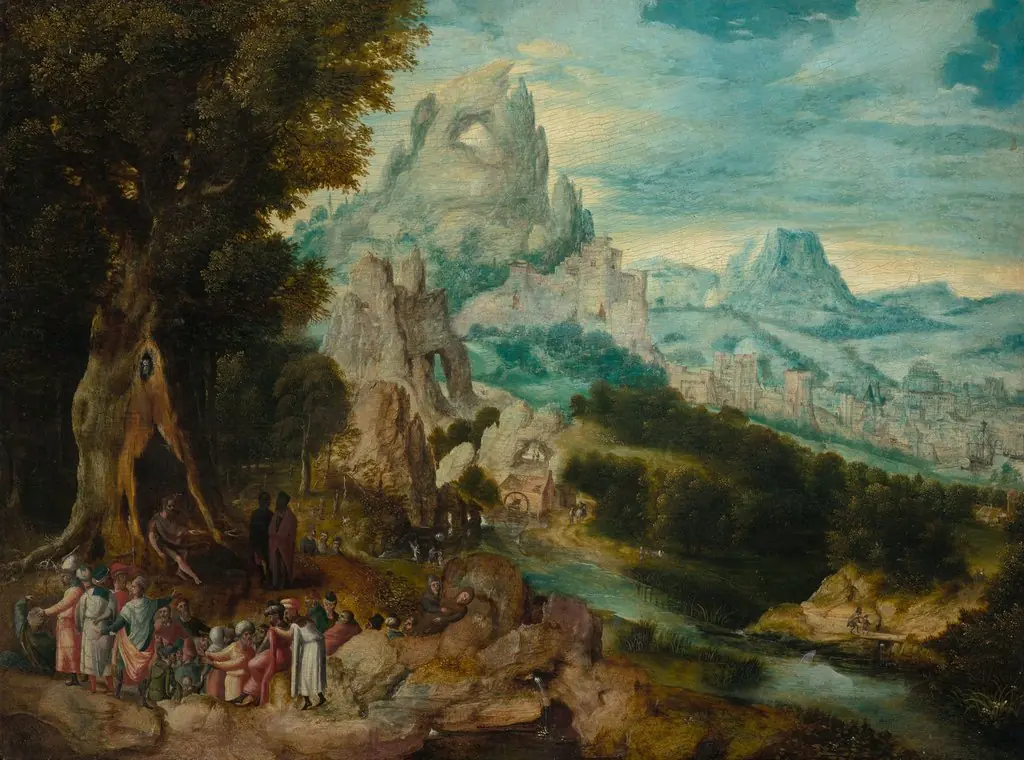
Landscape with the Flight into Egypt is an unspecified painting by Unknown. It dates from 1450 and is held in the collection of the Statens Museum for Kunst. Created around 1450, this landscape depicts the biblical journey of Mary, Joseph, and the infant Jesus as they flee to Egypt.
About this work
Overview
Created around 1450, this landscape depicts the biblical journey of Mary, Joseph, and the infant Jesus as they flee to Egypt.
Created around 1450, this landscape depicts the biblical journey of Mary, Joseph, and the infant Jesus as they flee to Egypt. The scene is rendered with quiet restraint, emphasizing natural elements over dramatic action. The work is attributed to an artist active in the mid-15th century, though the precise identity remains uncertain. It is currently held in the collection of the Museum of Ethnography.
Subject & Meaning
The painting illustrates the Flight into Egypt, a moment from the Gospel of Matthew when the Holy Family escapes Herod’s persecution. Rather than focusing on divine intervention, the artist presents the journey as a humble, earthly passage. The figures are small within the vast landscape, suggesting themes of vulnerability and endurance amid nature’s quiet permanence.
Technique & Style
The composition uses muted earth tones and soft atmospheric perspective to unify the scene. Figures are rendered with subtle detail, their clothing and mounts suggesting period authenticity. Light is diffused evenly, avoiding strong contrasts; the effect is one of stillness rather than theatricality. The brushwork is deliberate but unobtrusive, favoring harmony over emphasis.
History & Provenance
The painting’s early ownership is undocumented, but it entered the Museum of Ethnography in the late 19th century. Its attribution to a specific artist remains speculative, as it lacks a signature or contemporary record. It was likely produced in a regional workshop familiar with devotional imagery, possibly in the Low Countries or northern Italy.
Context
This work reflects the growing interest in landscape as a subject in 15th-century art, where religious narratives were increasingly set within naturalistic environments. Unlike earlier panel paintings that prioritized symbolic space, this piece integrates figures into a believable terrain, aligning with broader trends in early Netherlandish and Italian painting of the period.
Legacy
Though not widely exhibited or studied, the painting contributes to understanding how sacred stories were domesticated in early Renaissance art. Its quiet tone and emphasis on environment influenced later landscape traditions, particularly in how spiritual themes could be conveyed through atmosphere rather than gesture or iconography.
Artist & collection

 Domestic Scene
 Giacomo and Cardinal Marco, investing Andrea, Abbot of San Zeno, with his Benefice
 The Nymph of Fontainebleau
 Portrait of a Woman
 Madonna and Child with Saints in the Enclosed Garden
 Venus and Minerva
 Family Group of Four on Sofa
 Wall painting from Room H of the Villa of P. Fannius Synistor at Boscoreale