Artwork
Landscape with the Temple of Sibyl in Tivoli
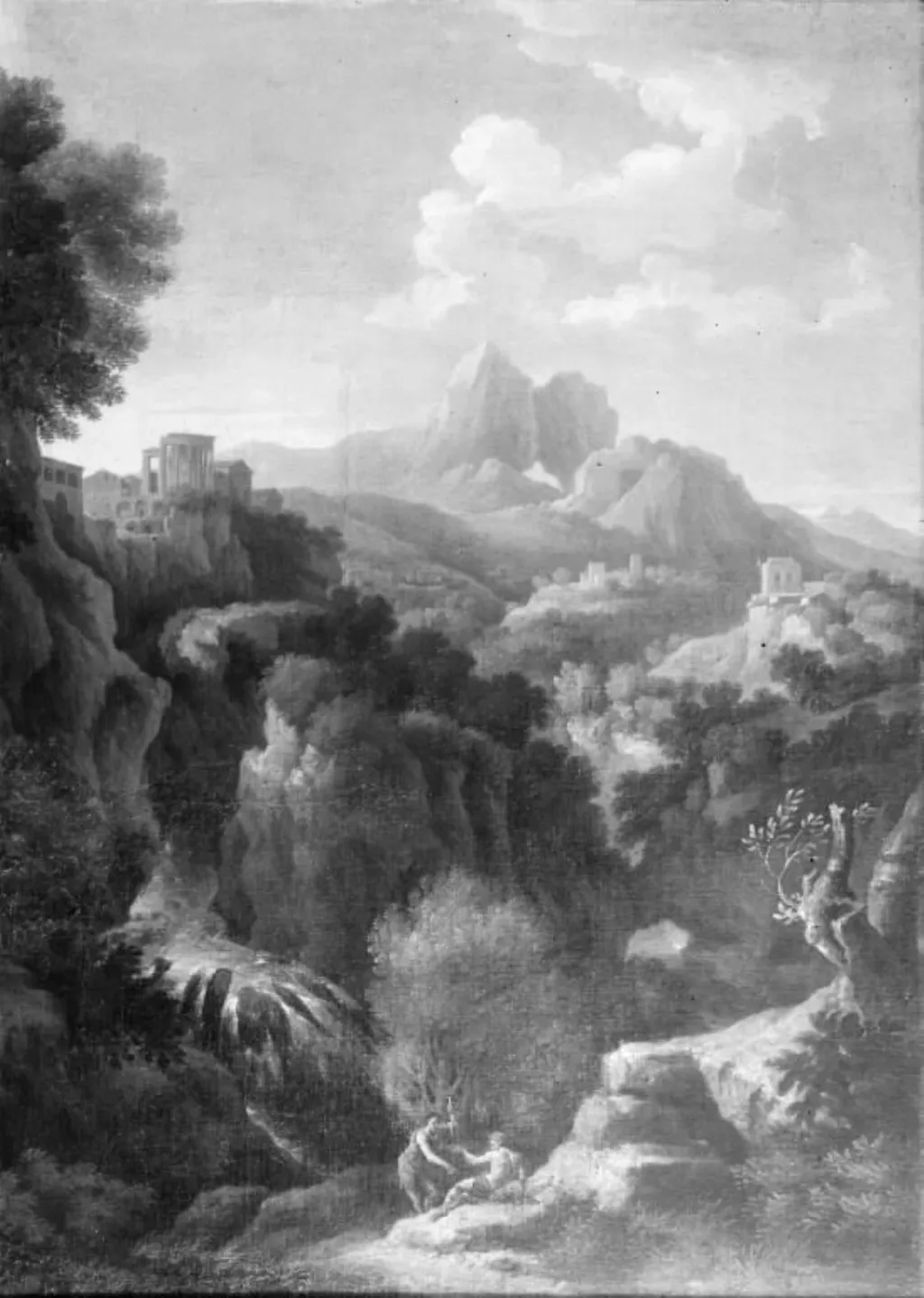
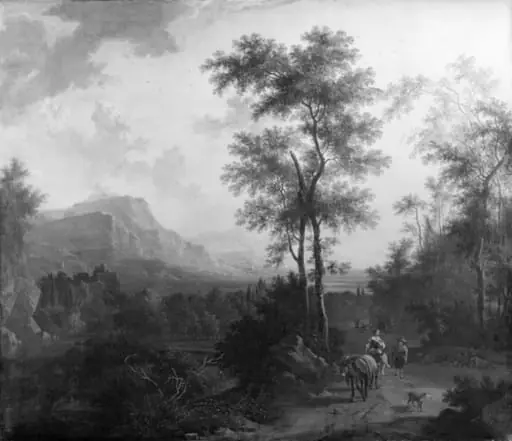
Landscape with the Temple of Sibyl in Tivoli is an unspecified painting by Unknown. It dates from 1713 and is held in the collection of the Statens Museum for Kunst. Painted around 1713, this landscape depicts the Temple of the Sibyl in Tivoli, situated within a quiet, rolling countryside.
About this work
Overview
It is currently held in the collection of the Museum of Ethnography, where it is displayed as an example of early 18th-century topographical painting.
Painted around 1713, this landscape depicts the Temple of the Sibyl in Tivoli, situated within a quiet, rolling countryside. The scene is rendered with careful attention to natural elements—trees, rocks, distant buildings—and a soft, luminous sky. Though the artist is identified as 1488_person, the work’s precise origins remain obscure. It is currently held in the collection of the Museum of Ethnography, where it is displayed as an example of early 18th-century topographical painting.
Subject & Meaning
The Temple of the Sibyl, an ancient Roman structure, serves as the focal point, framed by dense foliage and undulating hills. Its placement suggests reverence for classical antiquity, common among artists of the period. The absence of human figures and the stillness of the atmosphere evoke contemplation rather than narrative. The scene reflects a cultivated ideal of nature—ordered, peaceful, and harmonious—aligned with Enlightenment-era sensibilities toward ruins and landscape.
Technique & Style
The artist employs a restrained palette of earth tones and pale blues to suggest atmospheric depth. Brushwork is precise but not overly ornate, with layered pigments creating texture in foliage and stone. Light is diffused evenly across the composition, enhancing the sense of calm. Buildings on the left are rendered with architectural clarity, contrasting with the looser handling of natural forms, a technique that balances structure with organic flow.
History & Provenance
The painting’s early ownership is undocumented. It entered the Museum of Ethnography’s collection in the late 19th or early 20th century, likely as part of a broader acquisition of European landscape works. Its classification within an ethnographic institution suggests it was once viewed as a cultural artifact reflecting European ideals of nature and antiquity, rather than purely as fine art.
Context
Created during a period when Italian landscapes were highly sought after by Northern European collectors, this work aligns with the tradition of vedute and idealized topography. Artists often traveled to Tivoli to sketch its ruins, later refining compositions in studios. The painting reflects a broader fascination with classical ruins as symbols of enduring beauty and the passage of time, a theme prevalent in early 18th-century European art.
Legacy
Though not widely reproduced or studied, the painting contributes to the understanding of how classical sites were visually interpreted outside Italy. Its presence in an ethnographic museum highlights shifting perceptions of landscape art—as both aesthetic object and cultural record. It remains a quiet testament to the enduring appeal of Tivoli’s ruins in the visual imagination of the early modern period.
Artist & collection

 Domestic Scene
 Giacomo and Cardinal Marco, investing Andrea, Abbot of San Zeno, with his Benefice
 The Nymph of Fontainebleau
 Portrait of a Woman
 Madonna and Child with Saints in the Enclosed Garden
 Venus and Minerva
 Family Group of Four on Sofa
 Wall painting from Room H of the Villa of P. Fannius Synistor at Boscoreale
 The Cascate di Tivoli
 Arcadian Landscape
 Southern Landscape
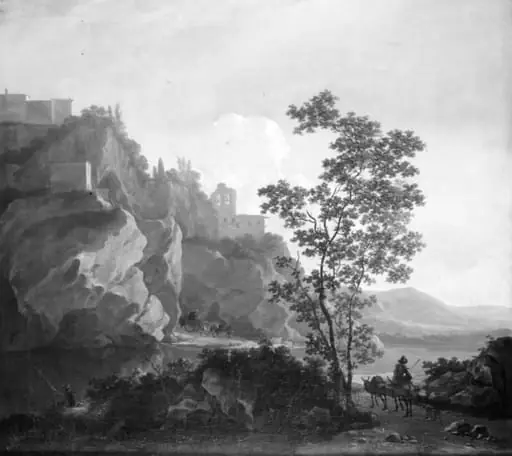 Southern Landscape with Angler
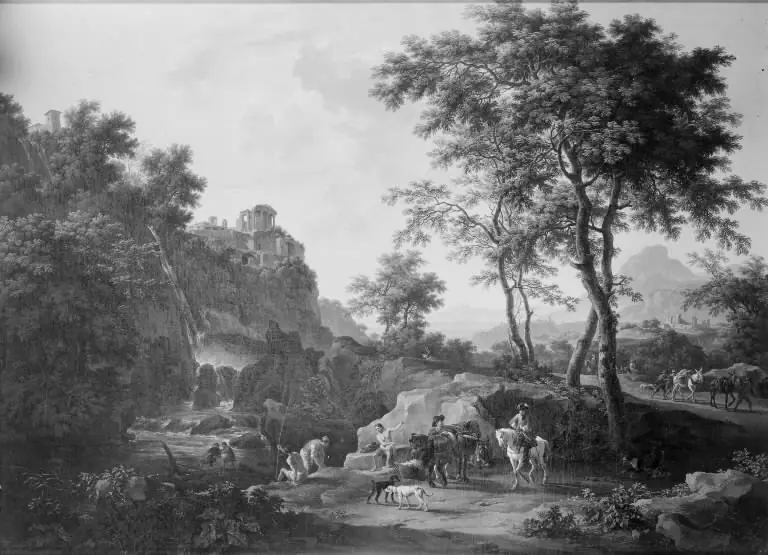 Southern Landscape
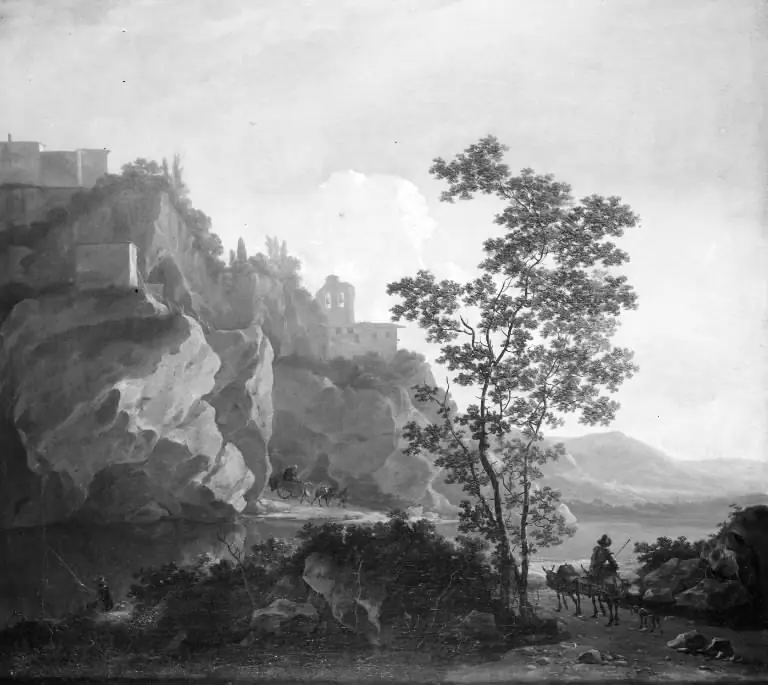 Southern Landscape with Angler
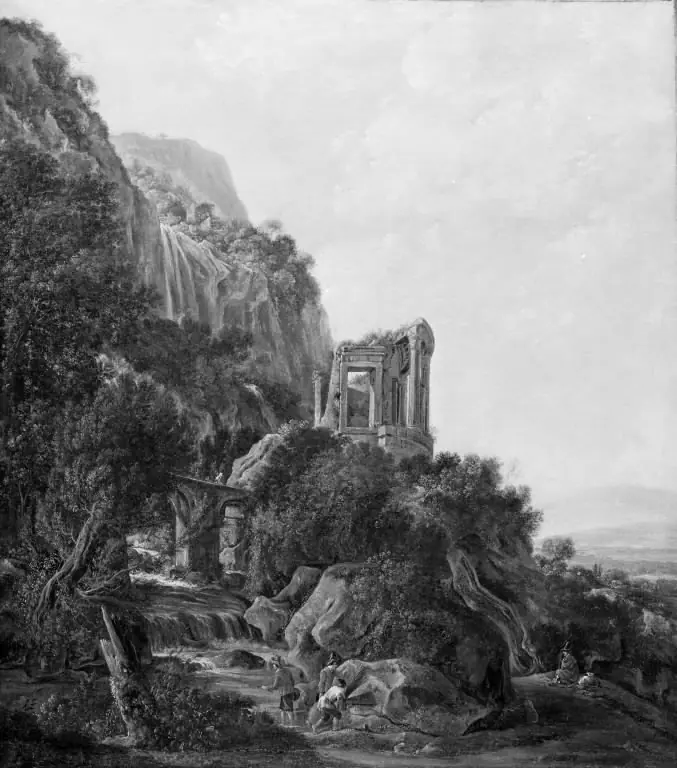 Cascatellen ved Tivoli
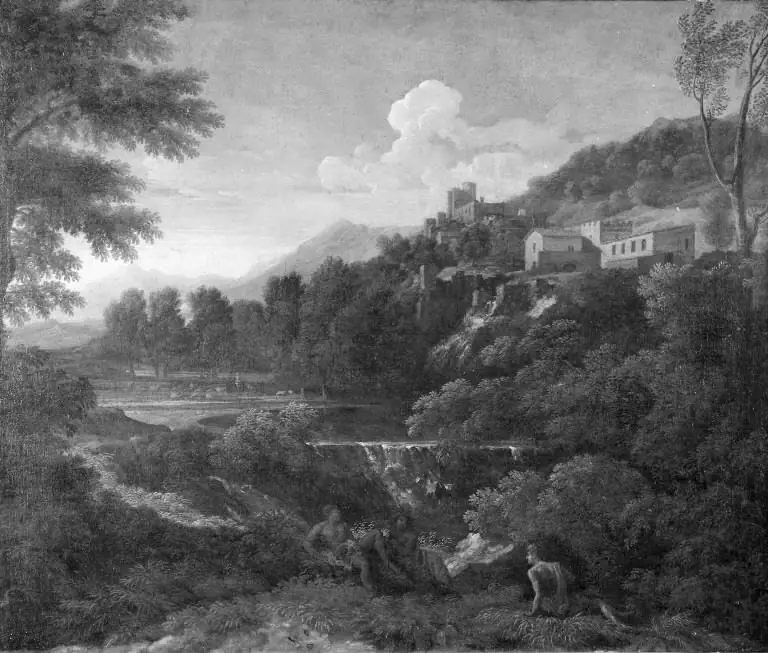 Arcadian Landscape
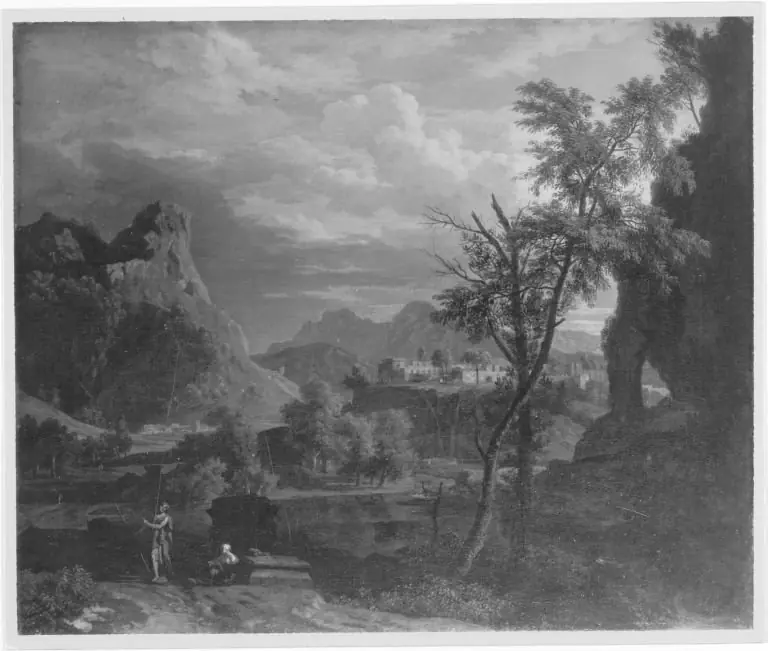 Italienische Landschaft
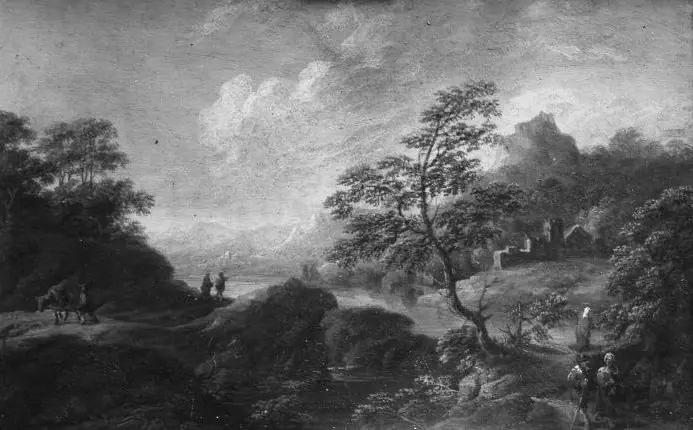 Landscape: Backside: copper engraving portrait of a man
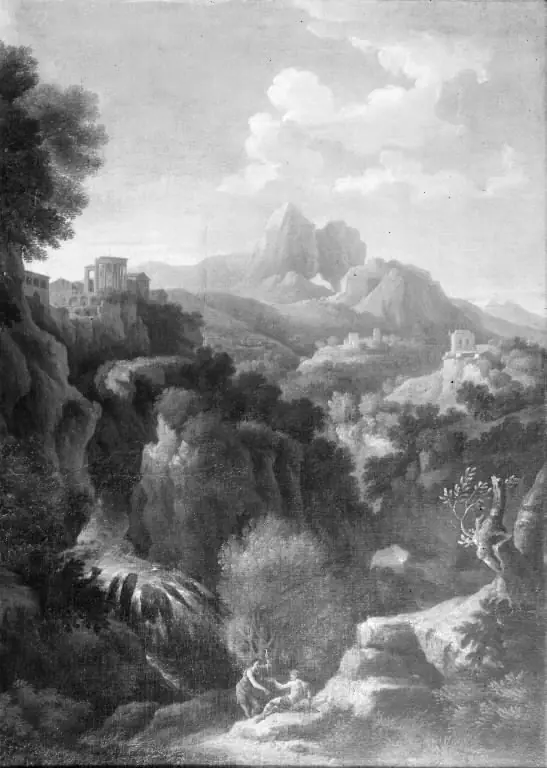 Landscape with the Temple of Sibyl in Tivoli
 Southern Landscape