Artwork
A Tinker
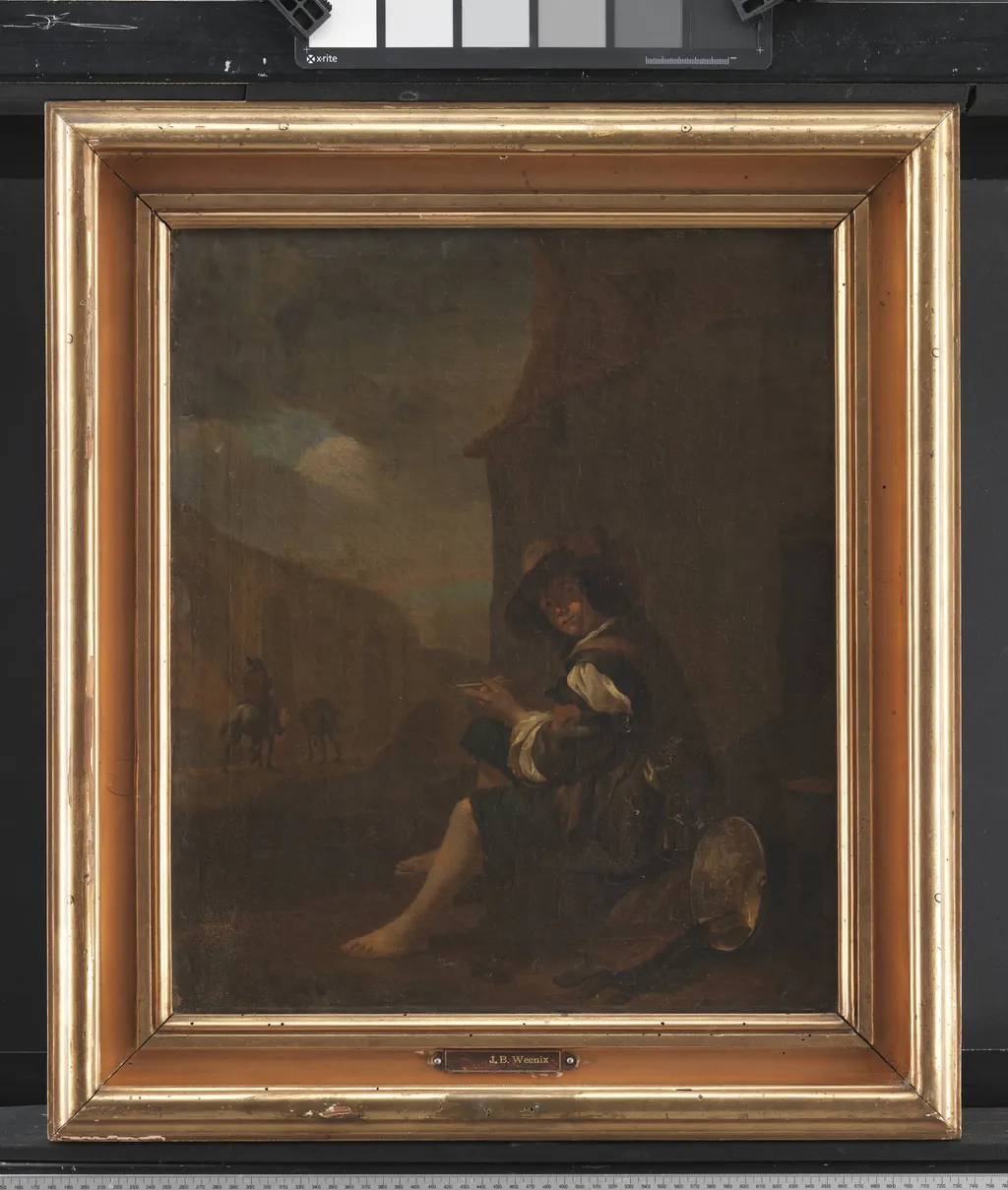
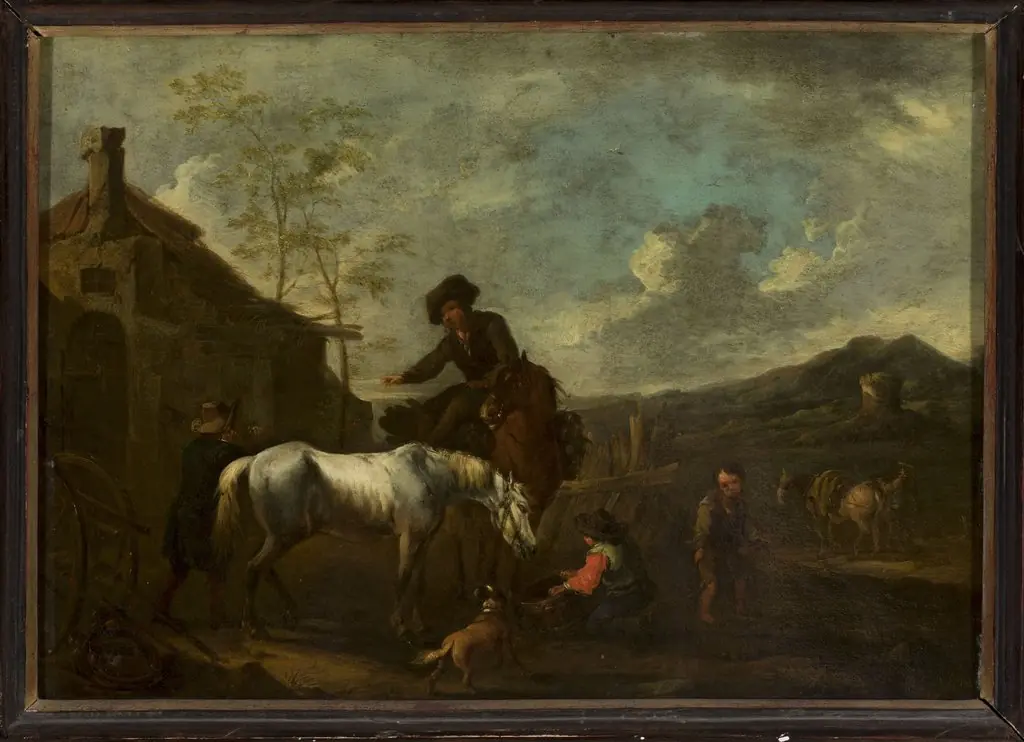
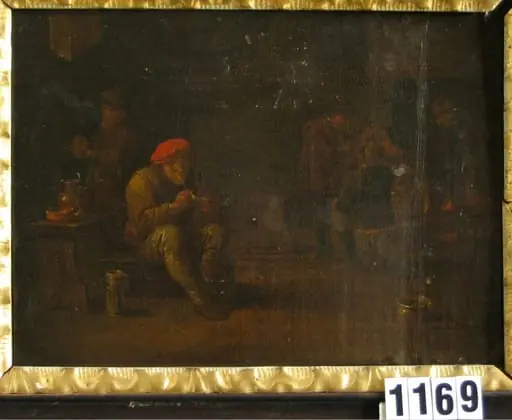
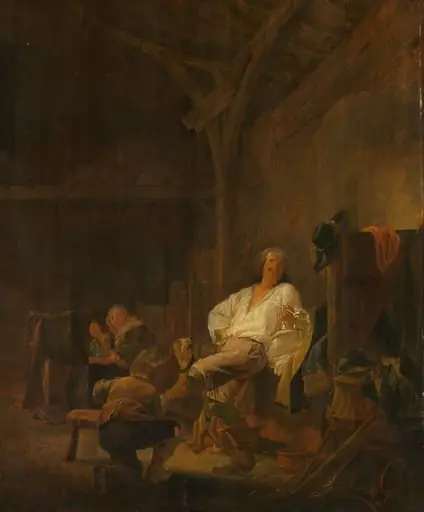
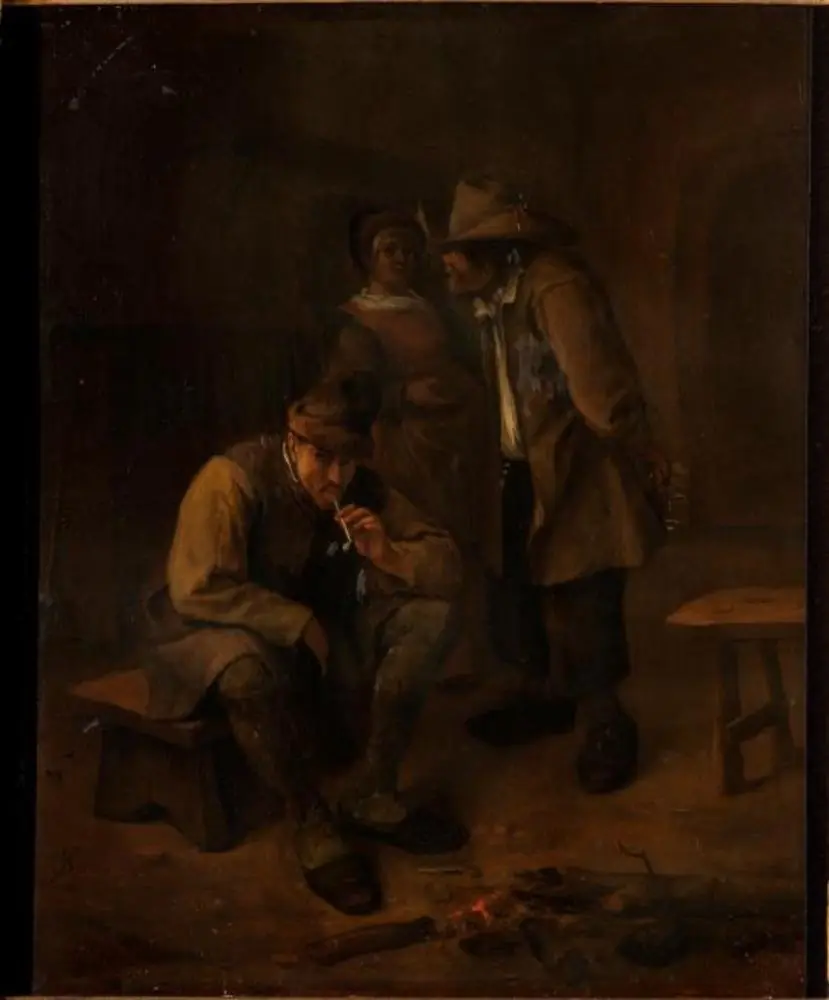
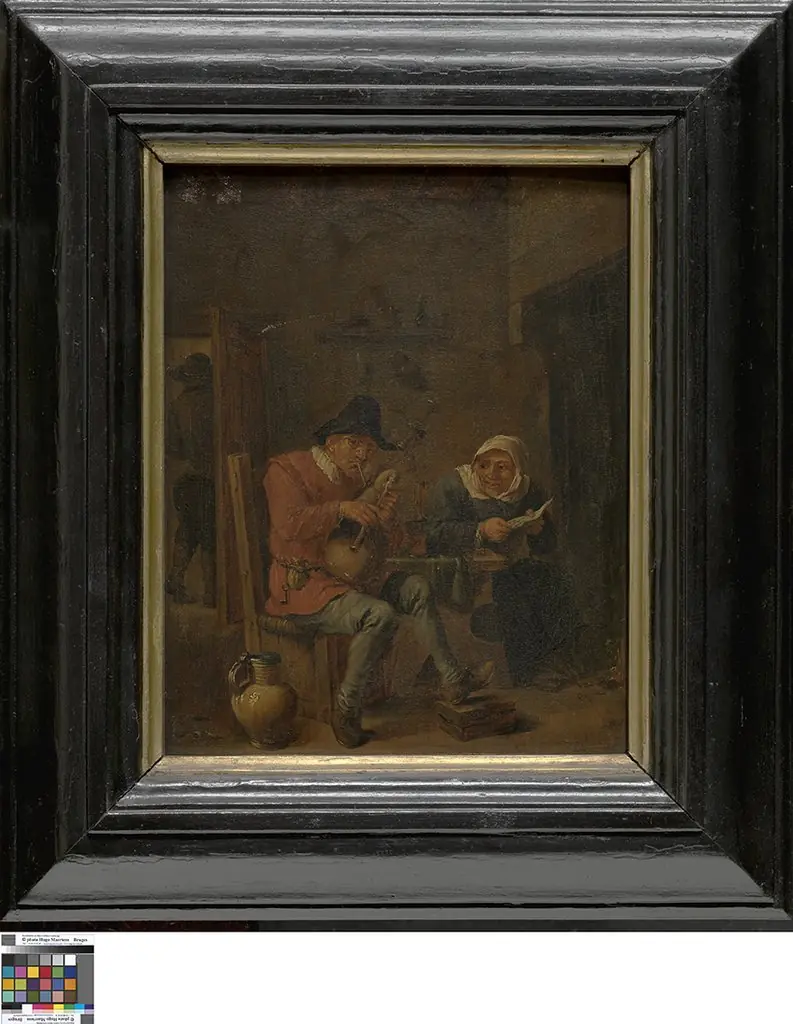
A Tinker is a photography by Unknown. It dates from 1650 and is held in the collection of the Statens Museum for Kunst. Created around 1650, this image depicts a laborer engaged in a quiet, focused task.
About this work
Overview
Created around 1650, this image depicts a laborer engaged in a quiet, focused task. The work is attributed to an artist active in the mid-seventeenth century and is currently preserved in the Museum of Ethnography. Its composition centers on a solitary figure, rendered with heightened realism and emotional gravity, set against a muted, atmospheric backdrop.
Subject & Meaning
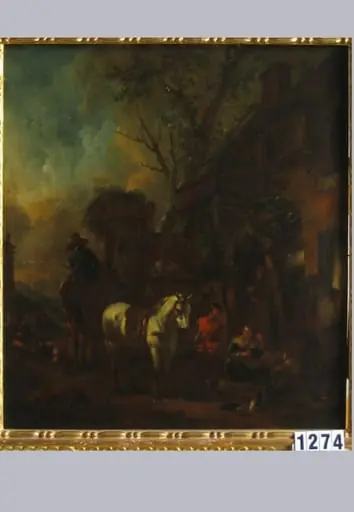
The figure, identified as a tinker, is shown squatting outdoors with a small tool and a rounded object—likely a repaired pot or kettle. The scene captures a moment of humble craftsmanship, emphasizing dignity in manual labor. The absence of grandeur or narrative spectacle suggests an intention to honor everyday work rather than glorify it.
Technique & Style
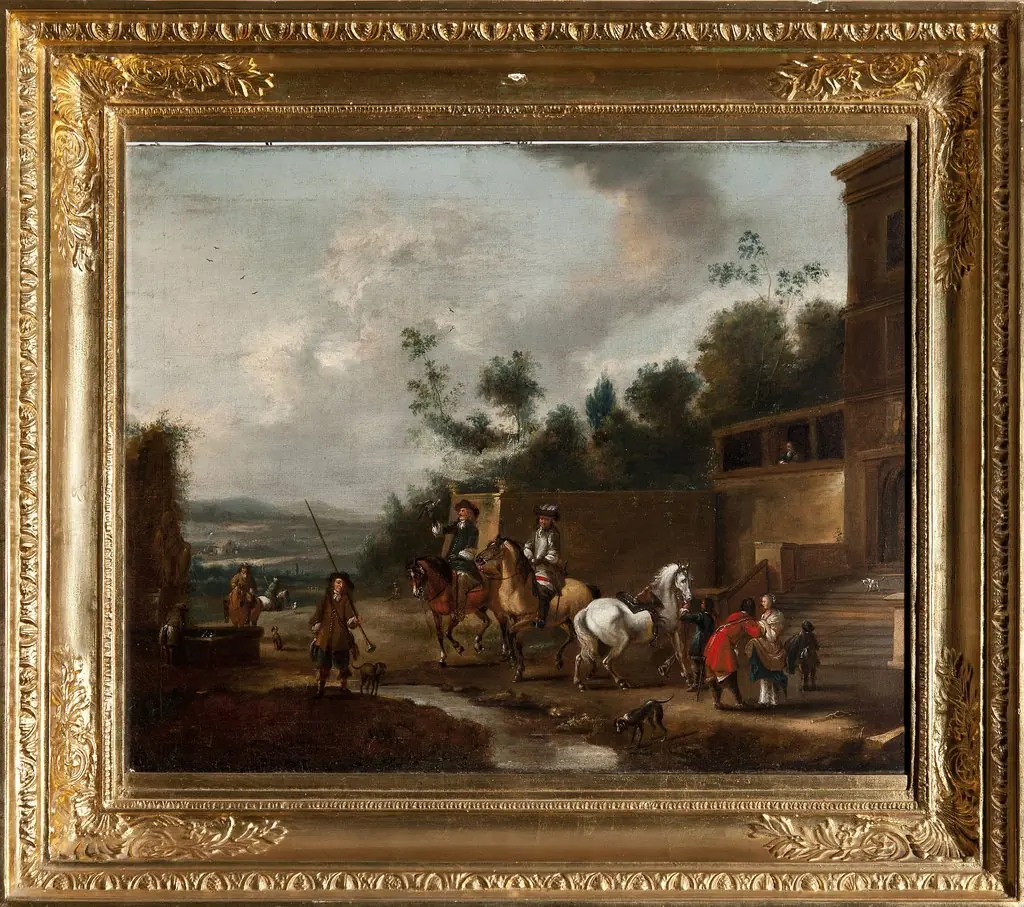
The artist employs chiaroscuro to model the figure’s form, using deep shadows and sharp contrasts to isolate the subject from the dim background. Brushwork is restrained yet precise, rendering fabric texture and skin tone with subtle gradations. The faint, blurred presence of horses and riders behind adds depth without distracting from the central figure.
History & Provenance
The work entered the Museum of Ethnography’s collection in the late nineteenth century, likely acquired during a period of increased interest in vernacular life. Its origins remain undocumented beyond stylistic links to regional Dutch or Flemish painting traditions of the 1650s. No early records of ownership or exhibition are known.
Context
In mid-seventeenth-century Europe, depictions of rural laborers were gaining traction among artists seeking authenticity over idealized subjects. This image aligns with a broader trend of portraying common people with psychological presence, reflecting shifting cultural values toward the dignity of ordinary existence.
Legacy
Though not widely reproduced or studied, the image contributes to a quiet but persistent visual record of pre-industrial craftsmanship. Its restrained composition and emotional restraint distinguish it from more theatrical genre scenes, offering a sober testament to the visibility of labor in early modern art.
Artist & collection

 Domestic Scene
 Giacomo and Cardinal Marco, investing Andrea, Abbot of San Zeno, with his Benefice
 The Nymph of Fontainebleau
 Portrait of a Woman
 Madonna and Child with Saints in the Enclosed Garden
 Venus and Minerva
 Family Group of Four on Sofa
 Wall painting from Room H of the Villa of P. Fannius Synistor at Boscoreale