Artwork
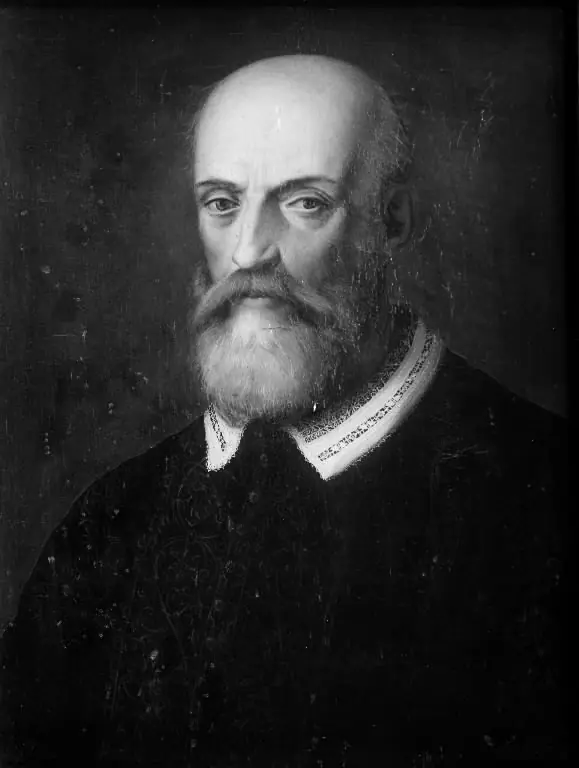
Portrait of a Man, presumably a member of the Medici Family
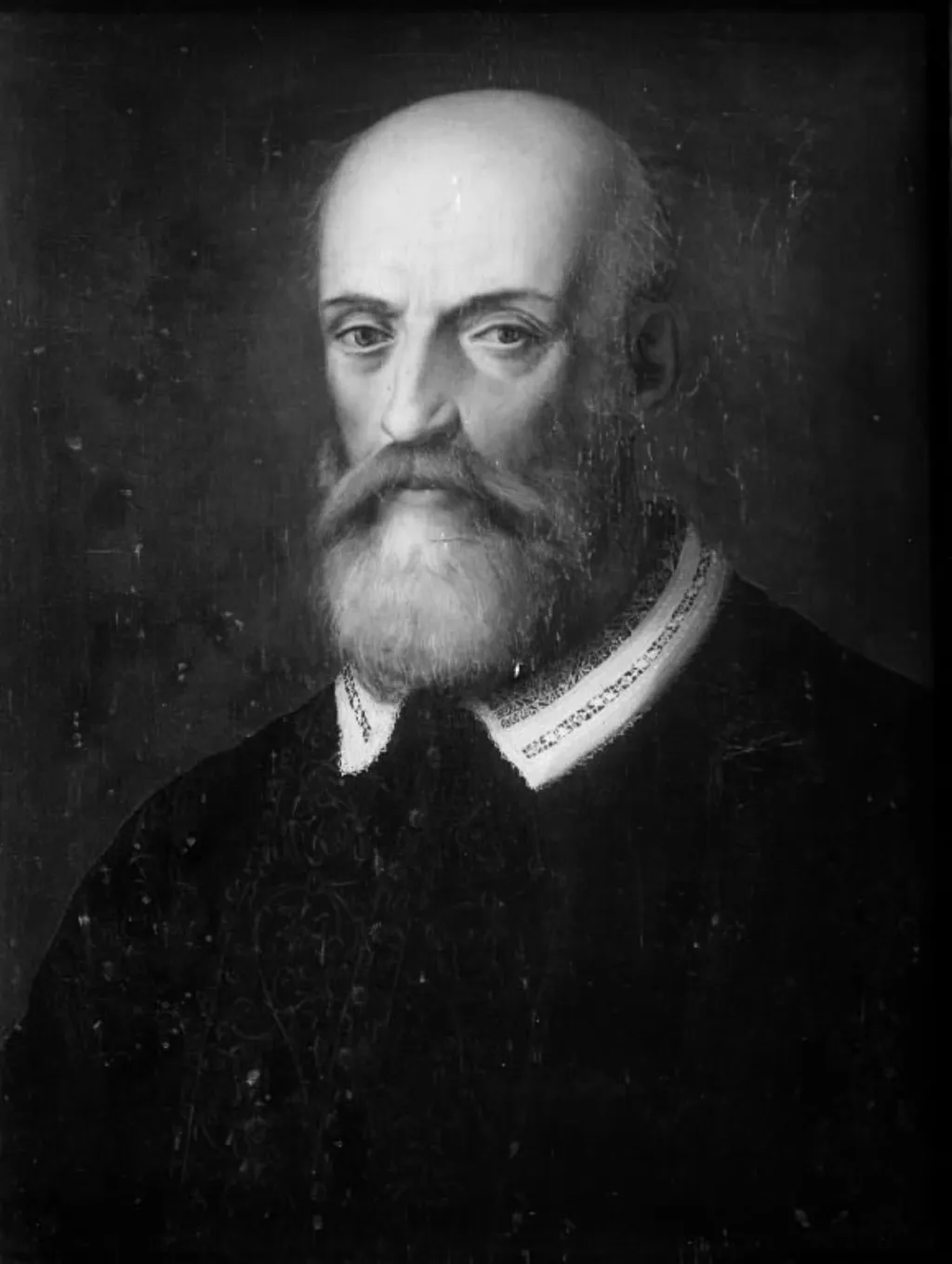
Portrait of a Man, presumably a member of the Medici Family is an unspecified painting by Unknown. It dates from 1545 and is held in the collection of the Statens Museum for Kunst. The work is a monochrome portrait dating from around 1545, attributed to an artist identified only as 1515_person.
About this work
Overview
The work is a monochrome portrait dating from around 1545, attributed to an artist identified only as 1515_person. It depicts a bearded, bald‑headed male figure set against a plain, dark backdrop. The sitter’s expression is solemn, and he wears a high, starched collar typical of mid‑sixteenth‑century dress. The image is part of the collection of the Museum of Ethnography.
Subject & Meaning
The figure is presumed to belong to the Medici family, though no documentary evidence confirms his identity. The austere pose, direct gaze, and lack of ornamental detail suggest a focus on personal dignity and status rather than narrative content, reflecting the period’s interest in individualized portraiture as a marker of social rank.
Technique & Style
Executed in a stark black‑and‑white palette, the portrait relies on chiaroscuro to model the face. Gradations of shadow define the beard, moustache, and skin, while the high collar is rendered with crisp, linear strokes. The overall effect emphasizes volume through contrast rather than color, a technique common among Northern European painters of the era.
History & Provenance
Created circa 1545, the painting entered the Museum of Ethnography's holdings at an unspecified date, where it remains on display. Its provenance prior to acquisition is not fully documented, and the attribution to 1515_person derives from stylistic analysis rather than signed evidence.
Context
Mid‑sixteenth‑century portraiture often served to affirm familial alliances and political influence, especially among Florentine elites such as the Medici. The work’s restrained composition aligns with contemporary trends that favored sober realism over the elaborate allegorical settings seen in earlier Renaissance portraiture.
Artist & collection

 Domestic Scene
 Giacomo and Cardinal Marco, investing Andrea, Abbot of San Zeno, with his Benefice
 The Nymph of Fontainebleau
 Portrait of a Woman
 Madonna and Child with Saints in the Enclosed Garden
 Venus and Minerva
 Family Group of Four on Sofa
 Wall painting from Room H of the Villa of P. Fannius Synistor at Boscoreale
 Portrait of a Man with a Red Cloak
 Portrait of an Old Man
 Portrait of Cosimo I de' Medici
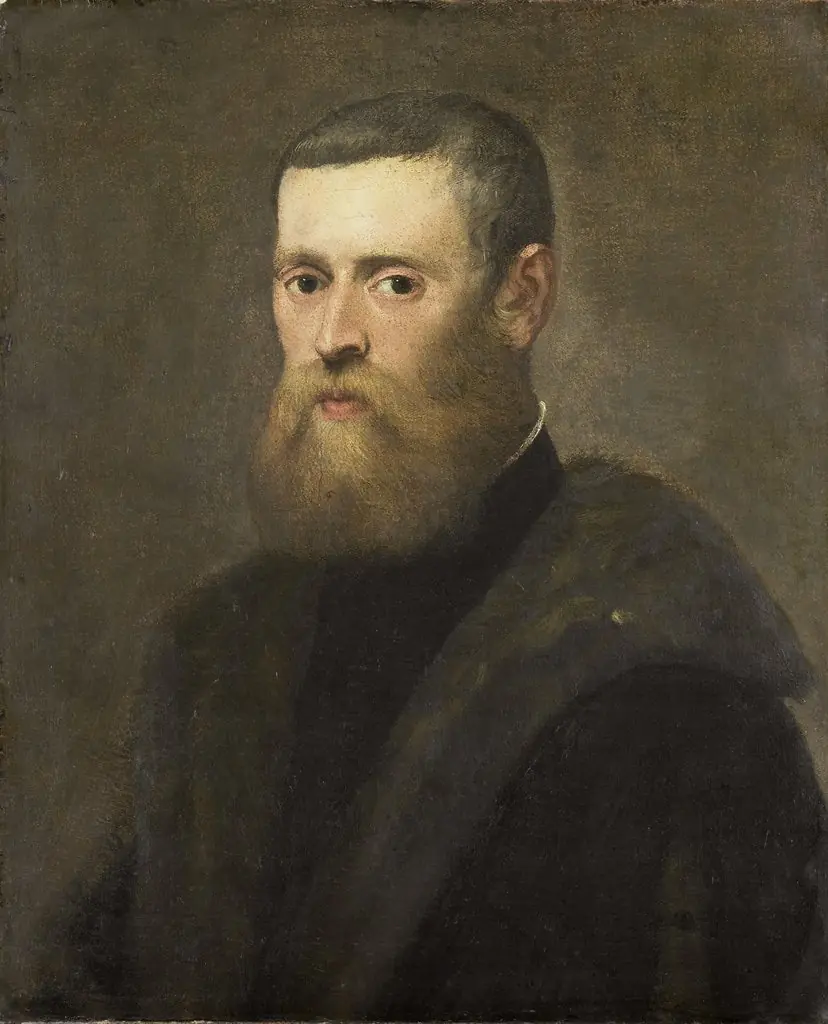 Portrait of a Man
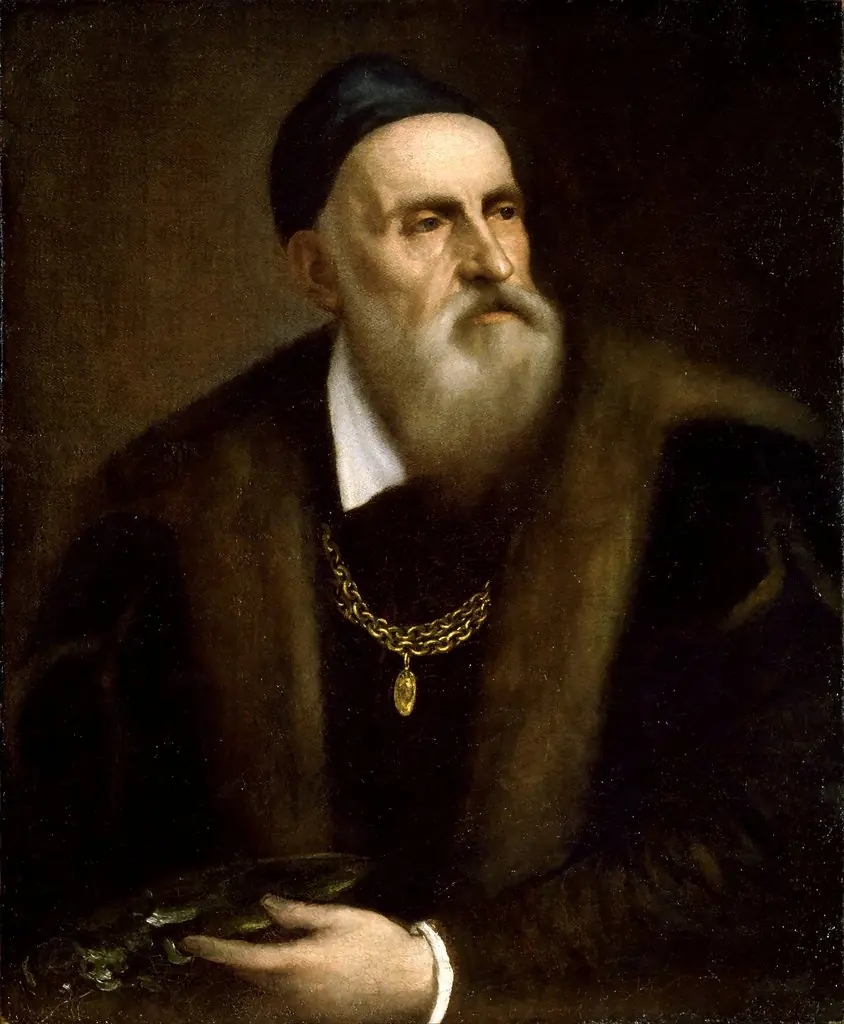 Portrait of Titian
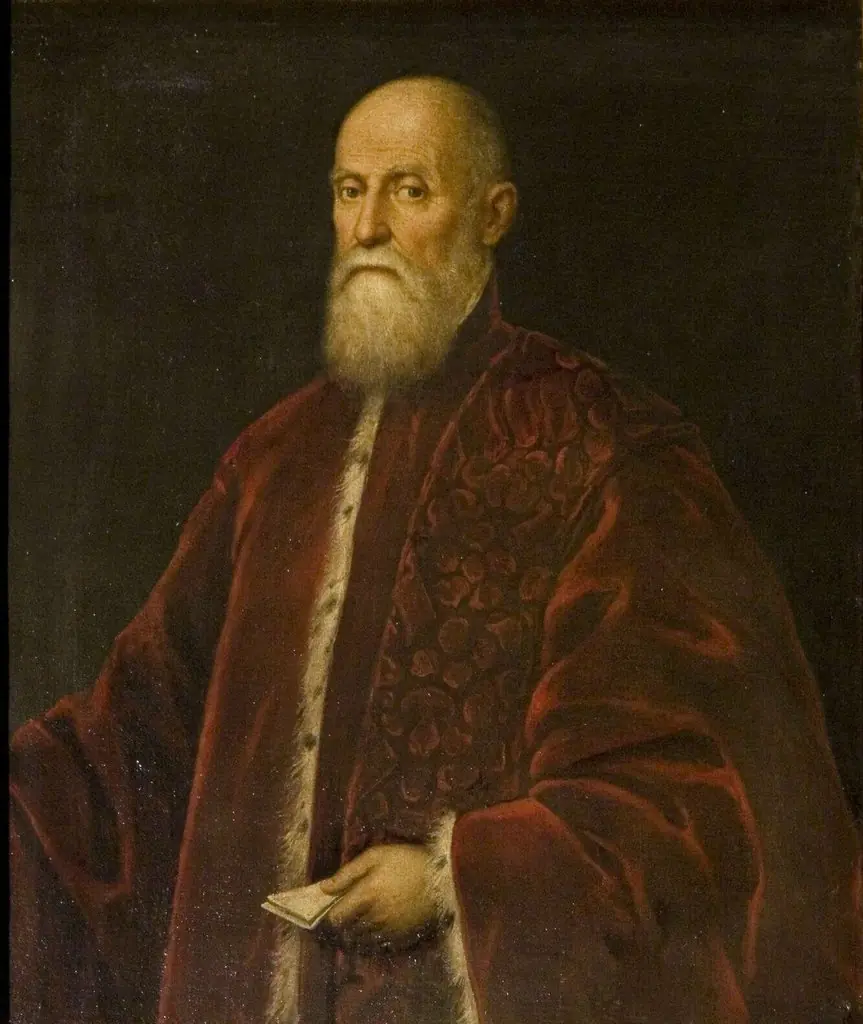 Portrait of a Procurator of St Mark's, Venice
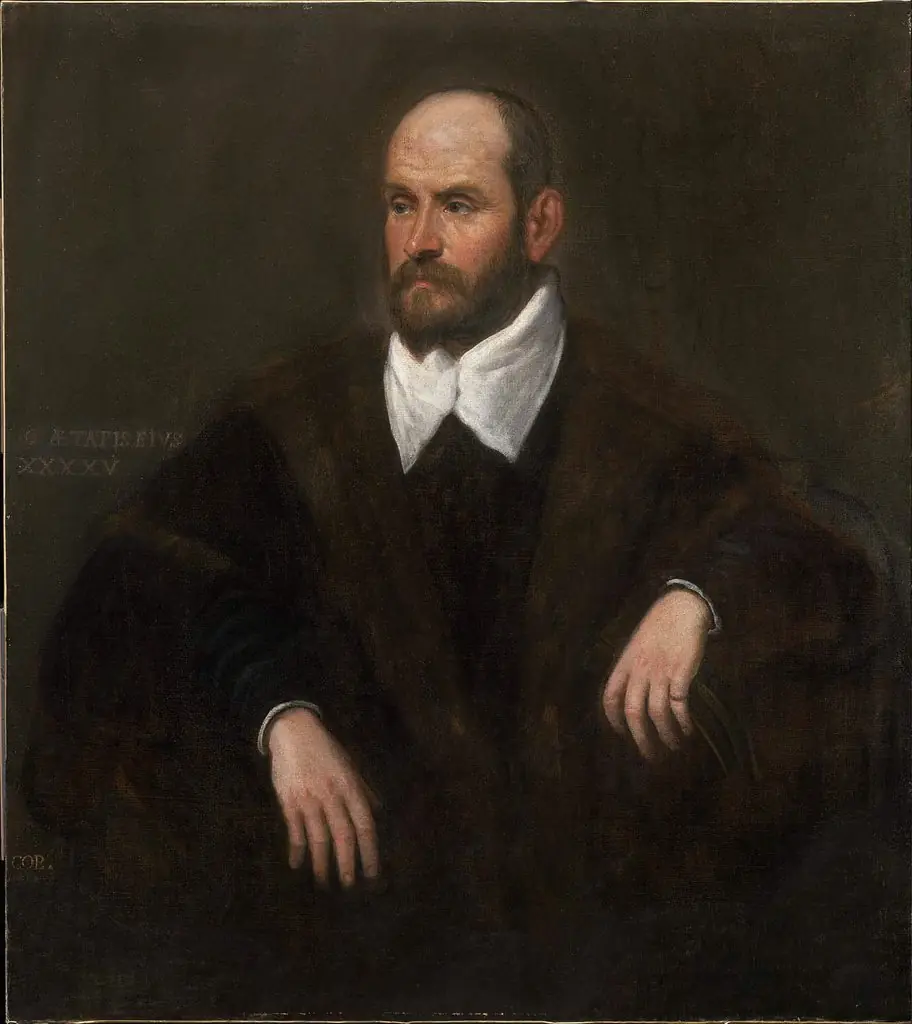 Portrait of a Man
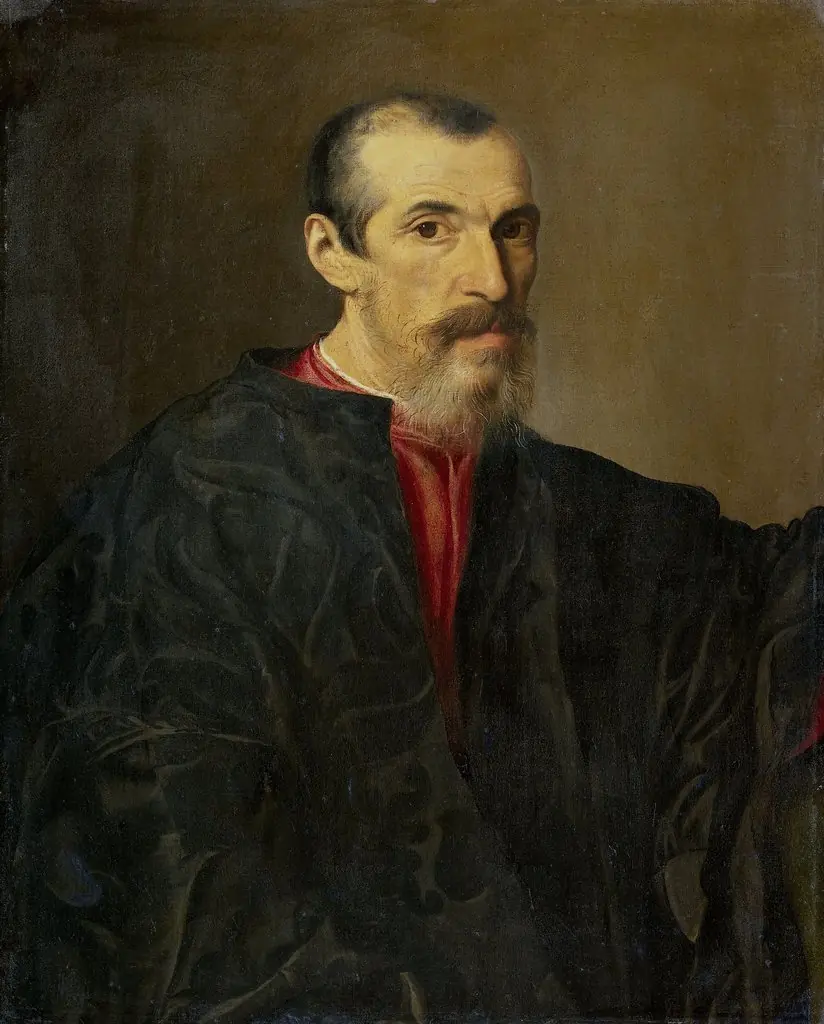 Portrait of a man in Brescia
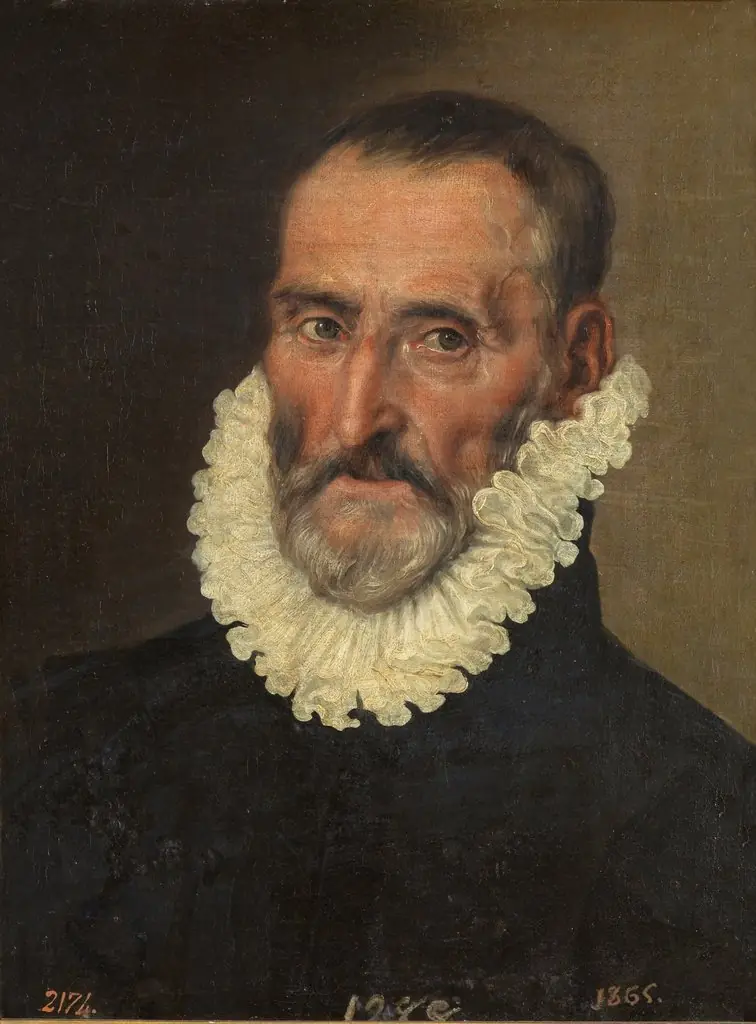 Portrait of an elderly Man
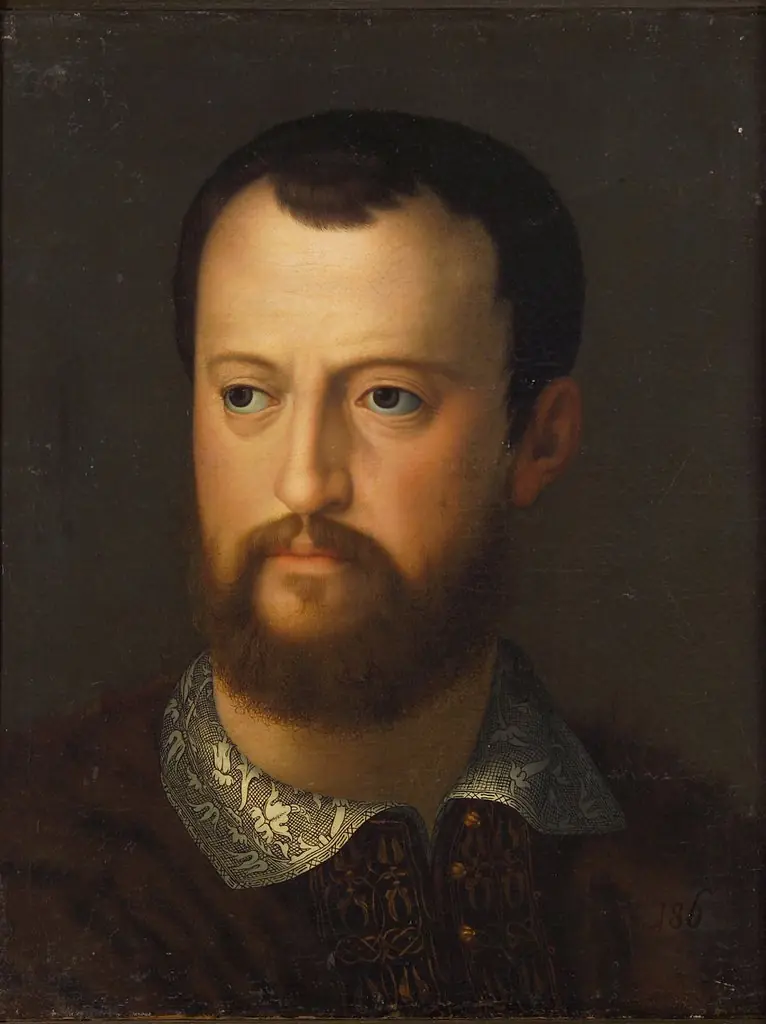 Portrait of Cosimo I de' Medici
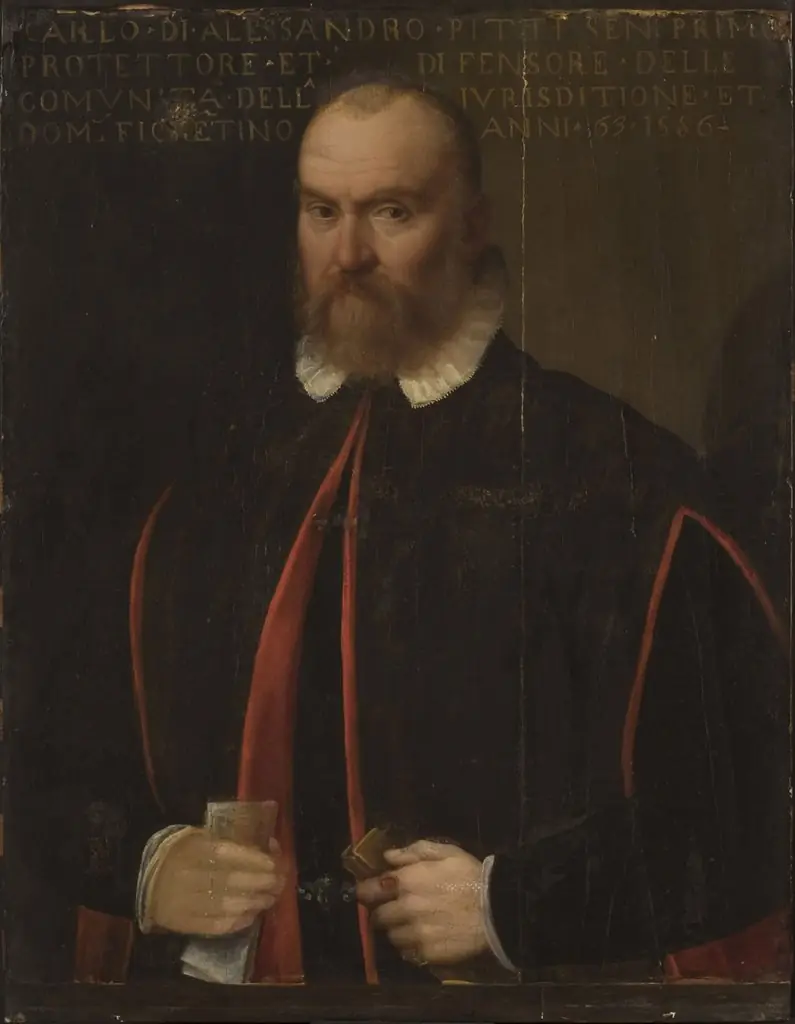 Portrait of Carlo Pitti
 Portrait of a Man, presumably a member of the Medici Family