Artwork
Portrait of Carlo Pitti
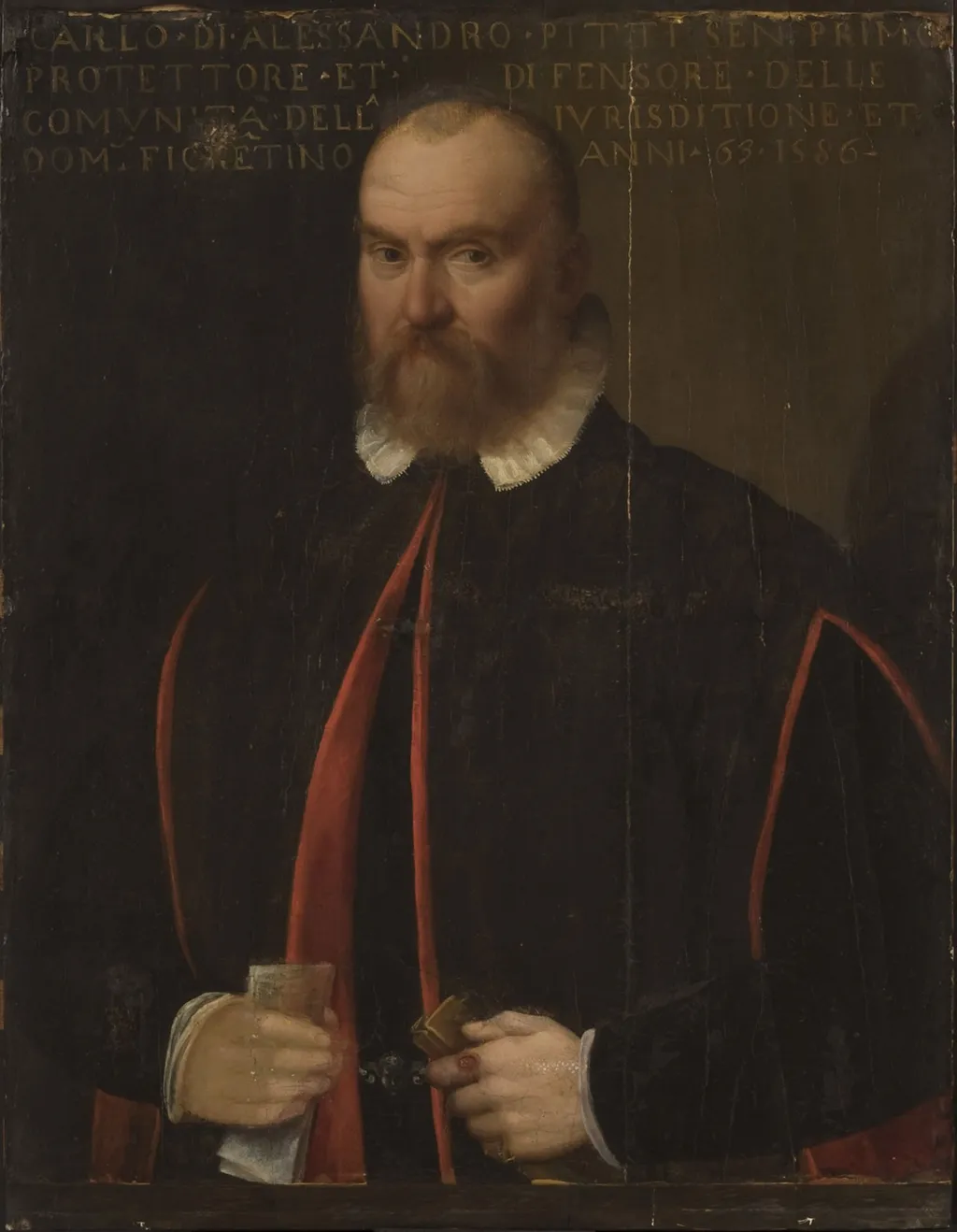
Portrait of Carlo Pitti is an oil painting by the Mannerist artist Santi di Tito. It dates from 1594 and is held in the collection of the Philadelphia Museum of Art.
About this work
Overview
It resides in the Philadelphia Museum of Art’s collection, where it stands as a quiet example of late 16th-century Italian portraiture.
Painted in 1594 by Santi di Tito, this oil portrait captures Carlo Pitti, a figure of civic or scholarly standing. Executed in the late Mannerist tradition, the work reflects the transitional phase between Renaissance formalism and the emerging Baroque emphasis on psychological presence. It resides in the Philadelphia Museum of Art’s collection, where it stands as a quiet example of late 16th-century Italian portraiture.
Subject & Meaning
The sitter, identified as Carlo Pitti, is depicted with composed dignity, dressed in a dark robe edged in red and adorned with a crisp white ruff. His grip on a small object and a sheet of paper suggests engagement with intellectual or administrative duties. The faint inscriptions above hint at a contextual label or inscription, reinforcing his status. The somber tone and direct gaze convey gravitas, typical of portraits meant to affirm social or institutional authority.
Technique & Style
Santi di Tito employs oil paint with restrained but deliberate modeling, using subtle shifts in tone to define the sitter’s form against a deep, unbroken background. The texture of fabric, the sheen of the ruff, and the weight of the paper are rendered with precision. Light falls selectively, enhancing volume without dramatic contrast—chiaroscuro is present but subdued, serving realism over theatricality, a hallmark of Mannerist portraiture.
History & Provenance
The painting entered the Philadelphia Museum of Art’s collection through documented acquisitions in the 20th century, though its earlier ownership remains unclear. It was likely commissioned by the Pitti family or an associate, as was customary for Florentine elites. Its survival intact through centuries reflects its perceived value, though it never achieved widespread fame, remaining a private testament to status rather than a public monument.
Context
In late 16th-century Florence, portraiture served as a tool for asserting identity within a rigid social hierarchy. Santi di Tito, aligned with Counter-Reformation ideals, favored clarity and moral seriousness over Mannerist excess. This portrait aligns with a broader trend among Florentine artists to depict individuals not as idealized types, but as recognizable figures of civic responsibility, grounded in quiet authority.
Legacy
Though not widely reproduced or celebrated in popular discourse, the portrait exemplifies the quiet sophistication of Florentine Mannerism. It contributes to scholarly understanding of how elite identity was visually constructed in post-Renaissance Italy. Its preservation in a major American museum ensures continued access for study, offering insight into the understated visual language of power during a period of artistic transition.
Own this work as a print
Artist & collection
Artist
Santi di Tito (5 December 1536 – 25 July 1603) was one of the most influential and leading Italian painters of the proto-Baroque style – what is sometimes referred to as "Counter-Maniera" or Counter-Mannerism.

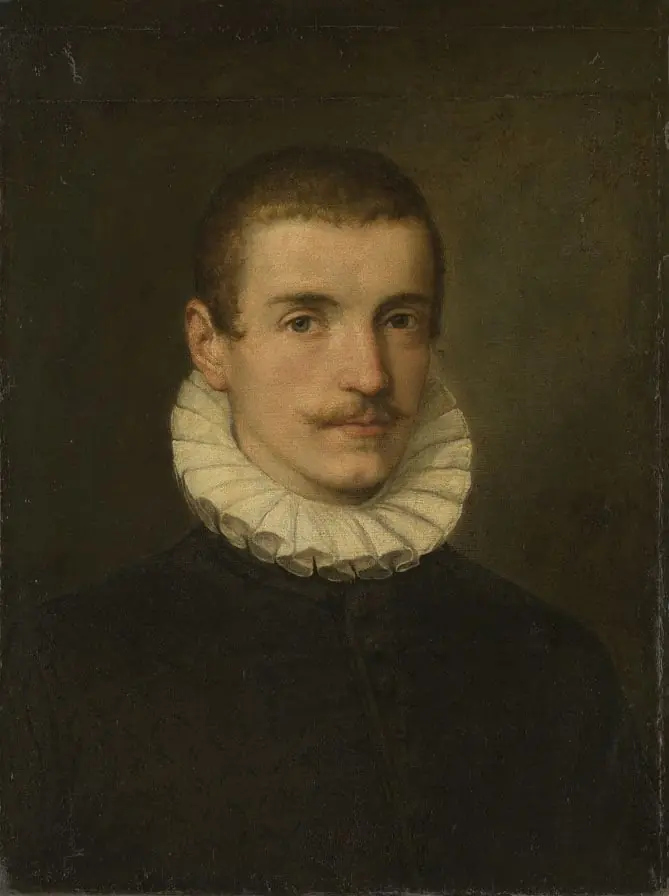
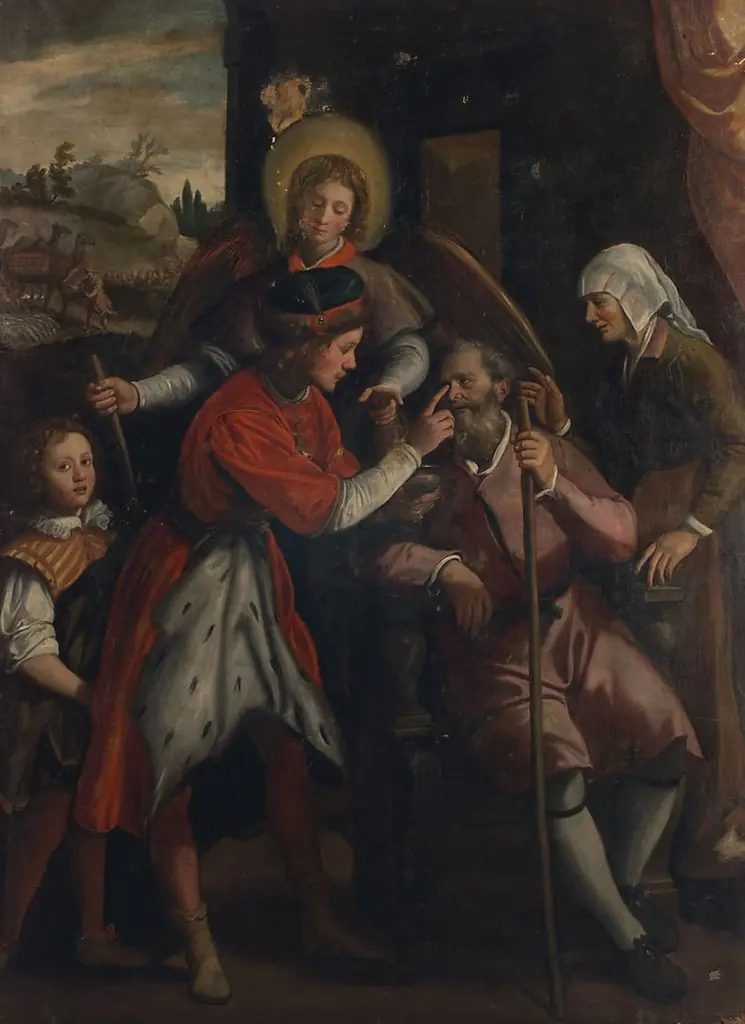
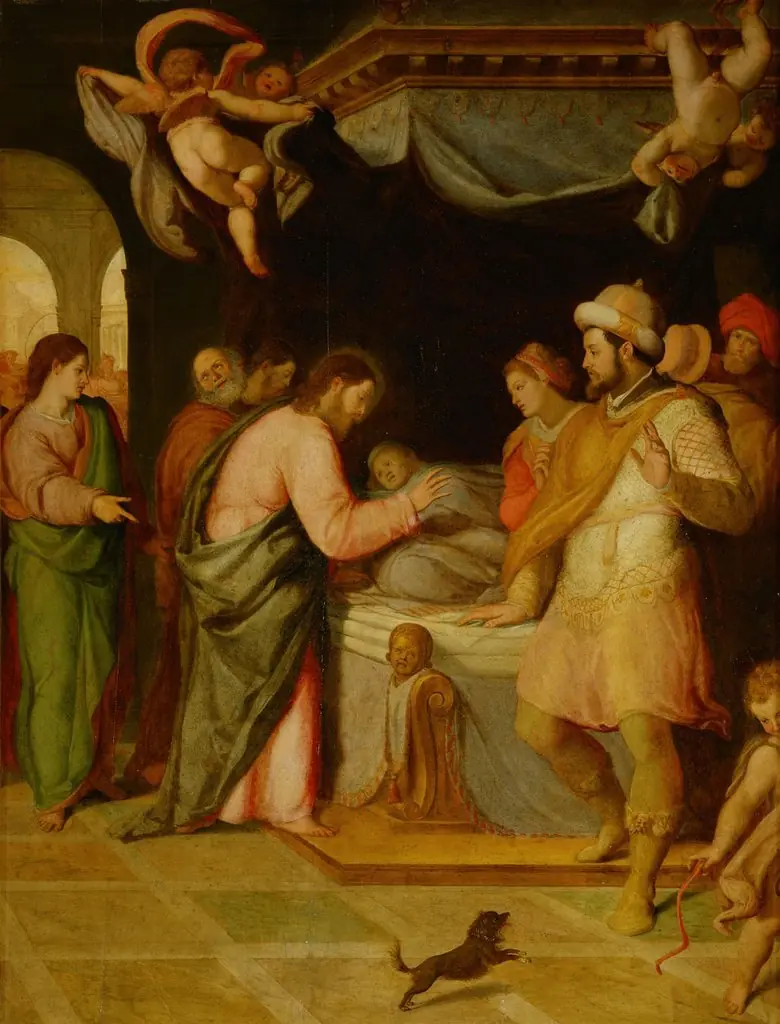
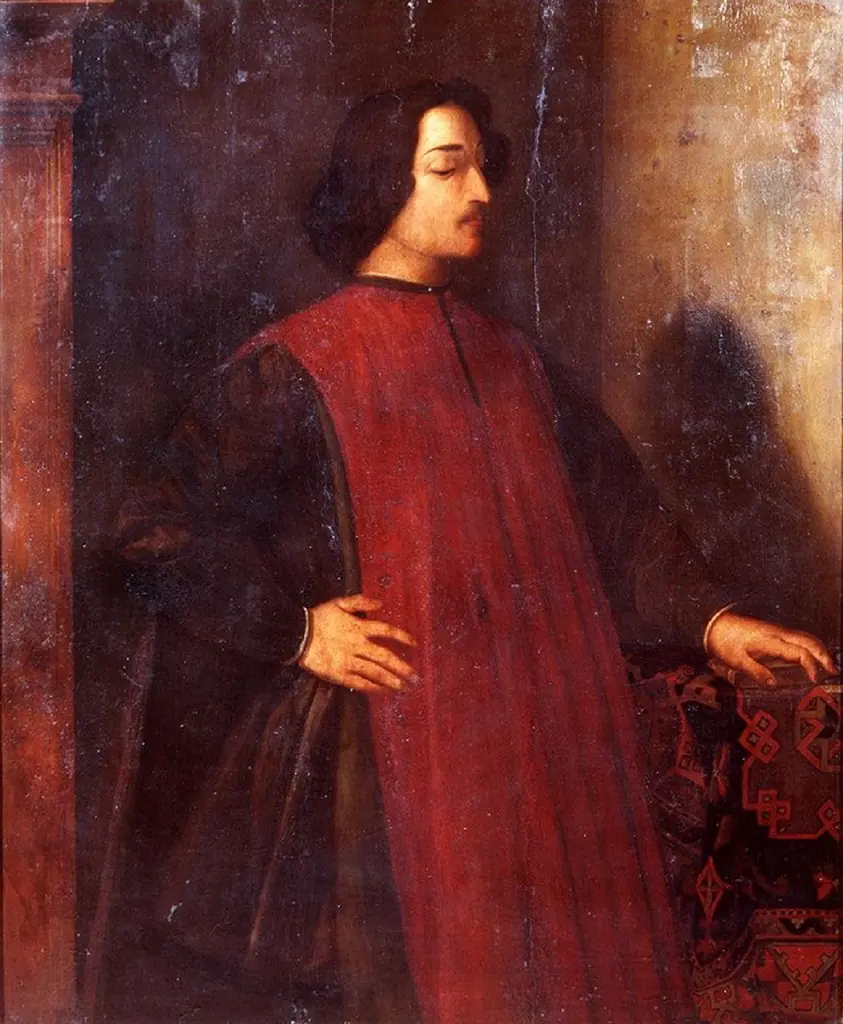
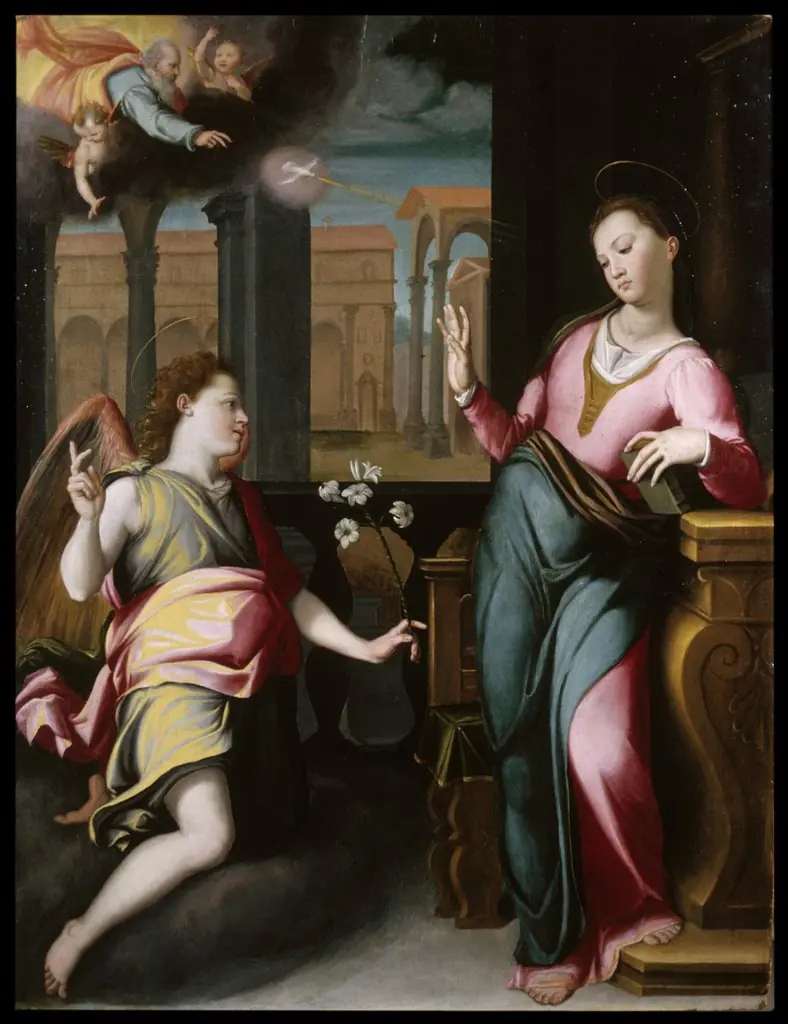
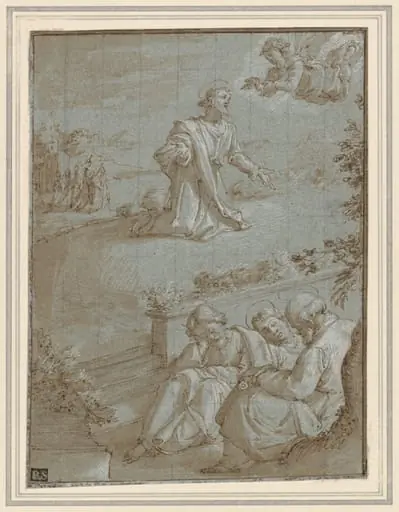
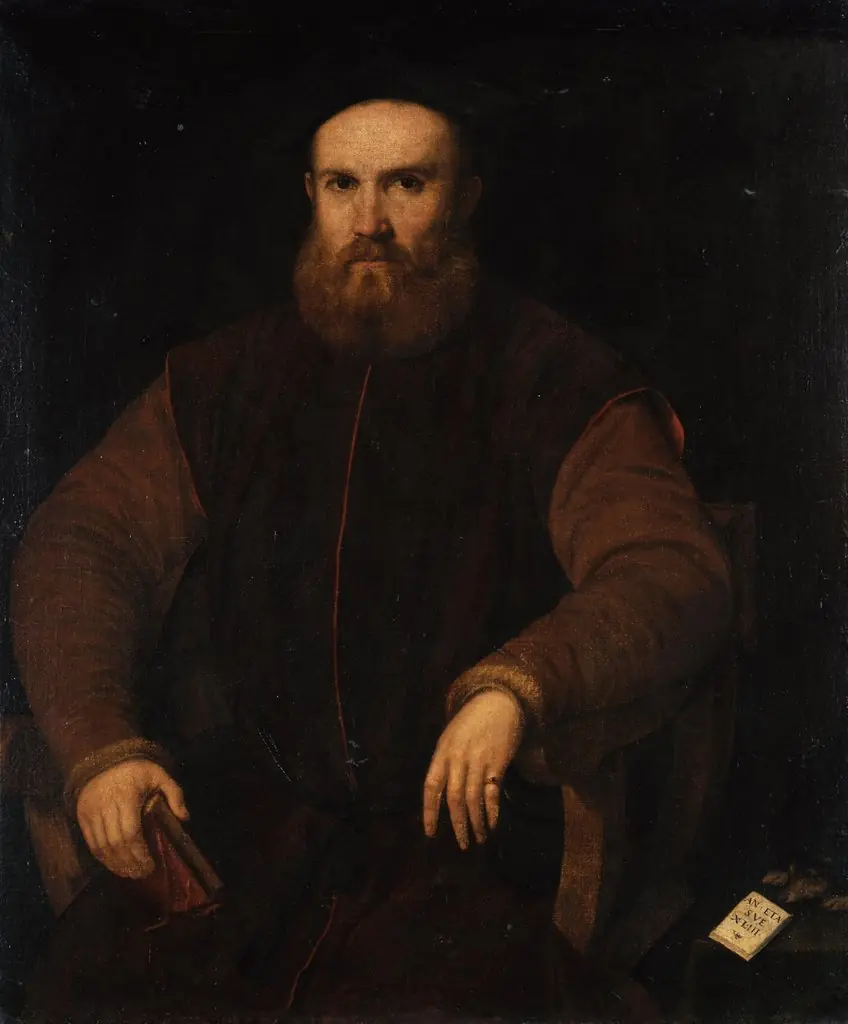 Portrait of a Man
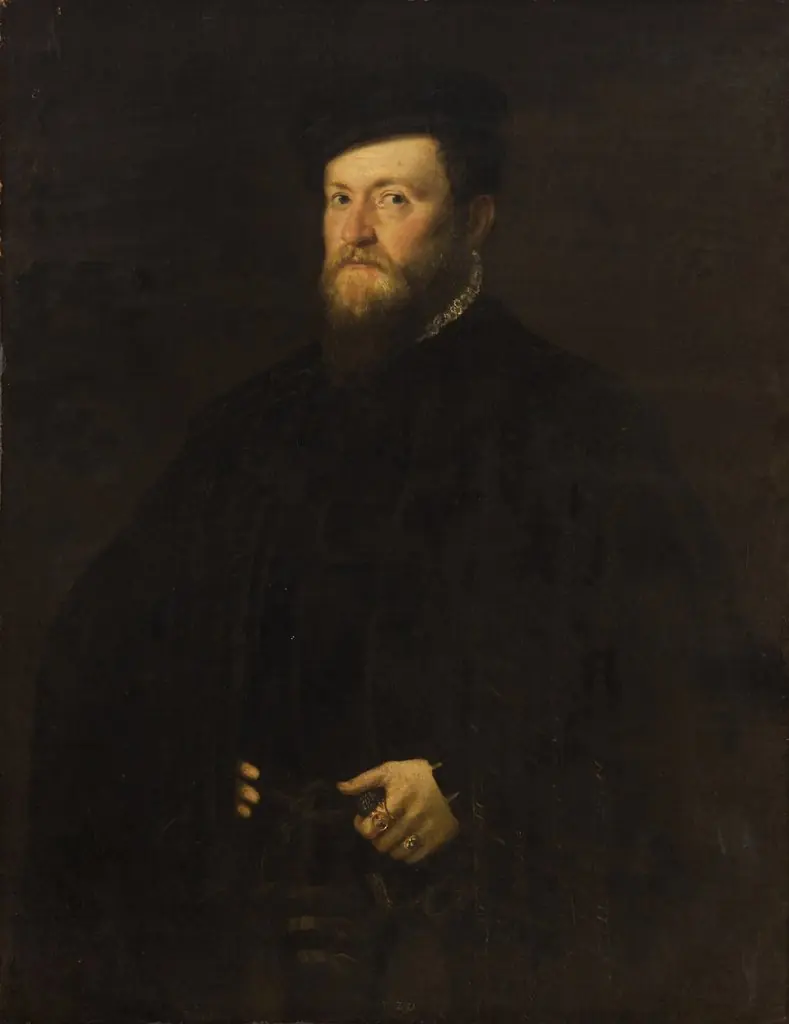 Portrait of a Man in a Cape
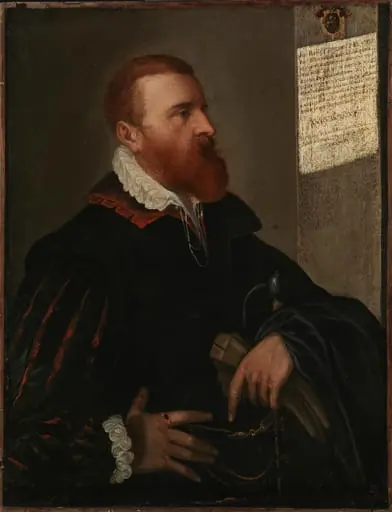 Giovanni Battista Fichetti
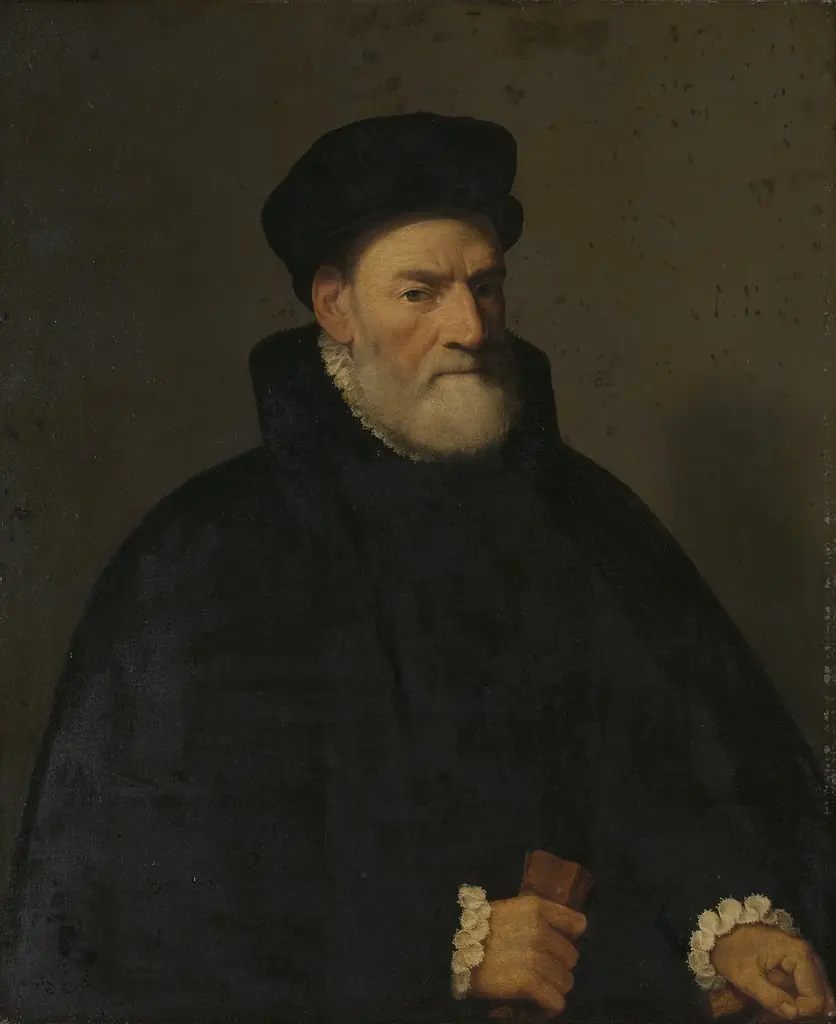 Portrait of an Old Man, probably Vercellino Olivazzi, Senator from Bergamo
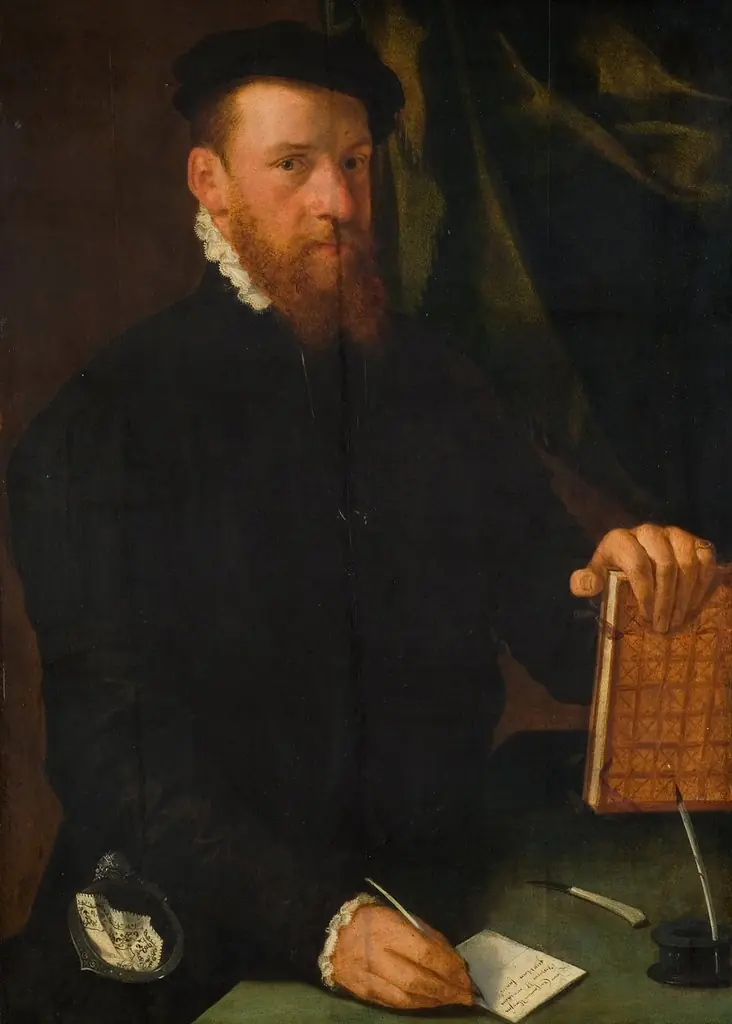 Männliches Bildnis
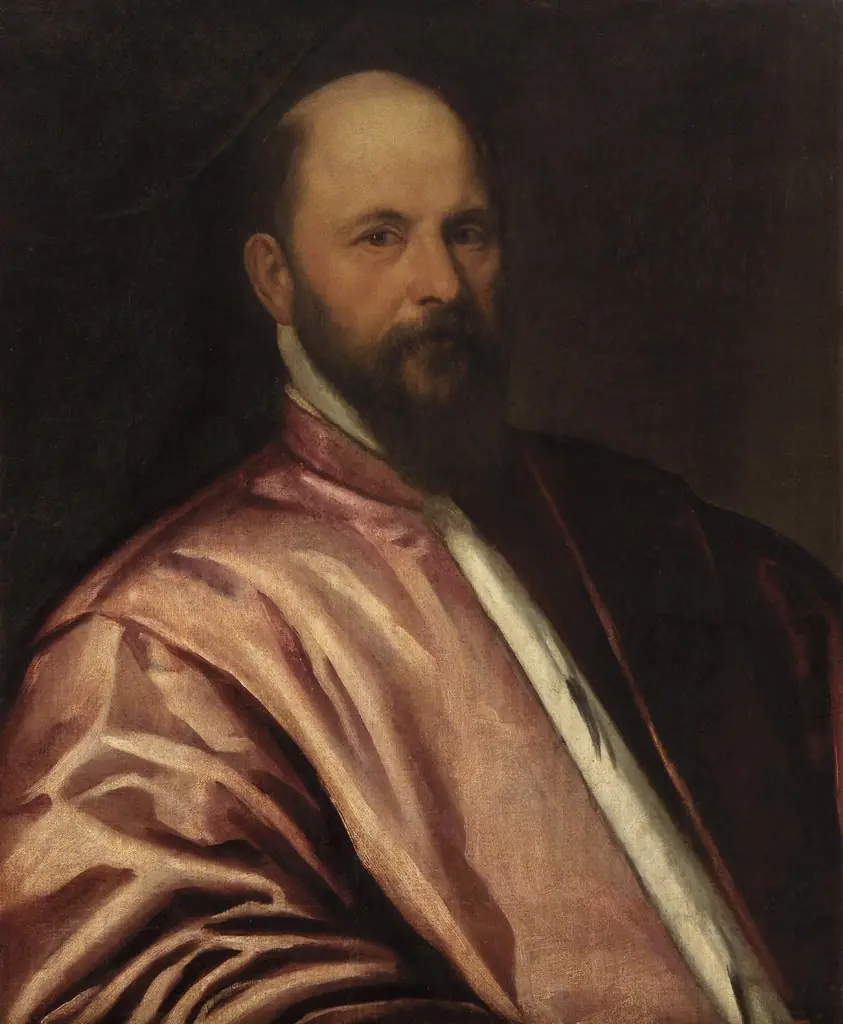 Bildnis eines Prokurators
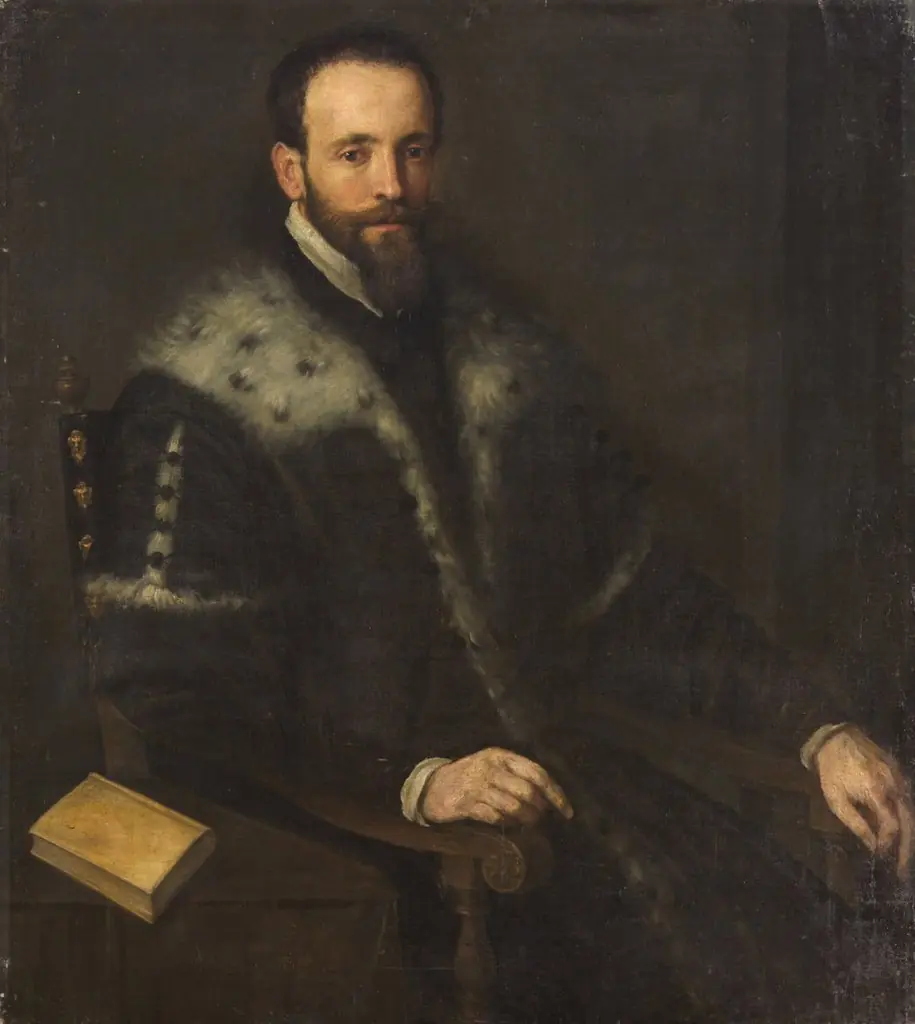 Bildnis eines Mannes im Lehnstuhl
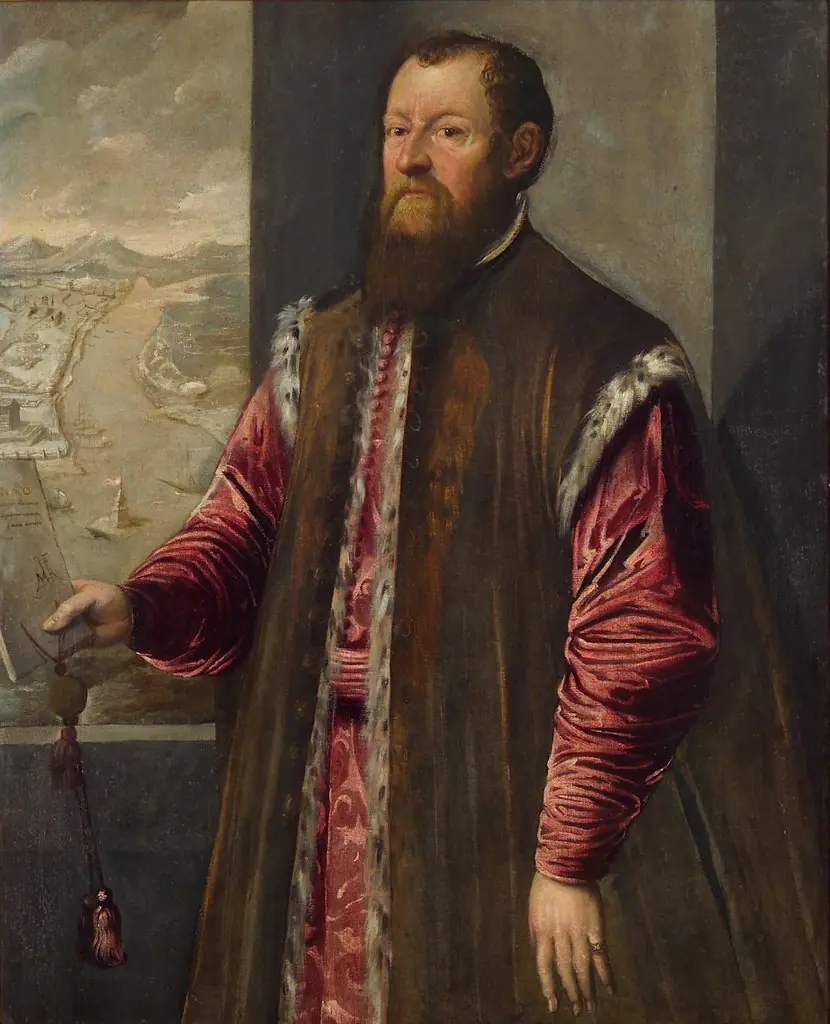 Portrait of Marcantonio Barbaro (1518-1595) as ambassador to Constantinople
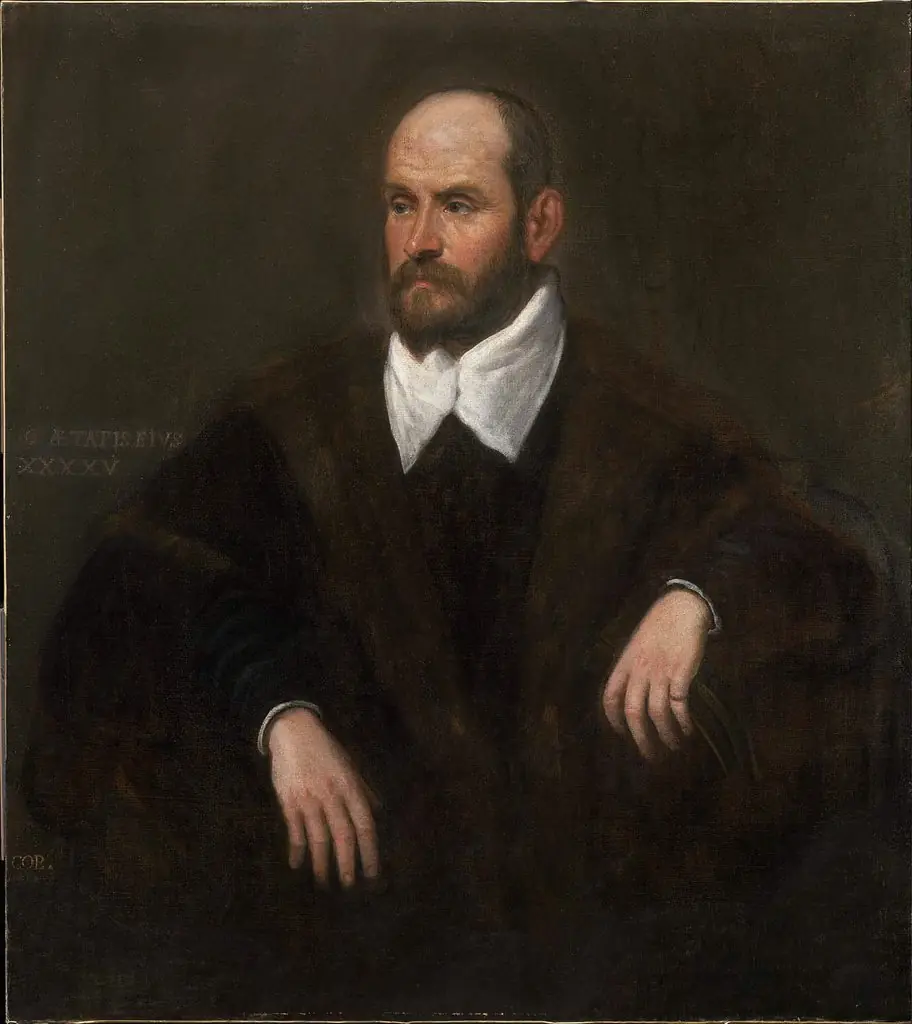 Portrait of a Man
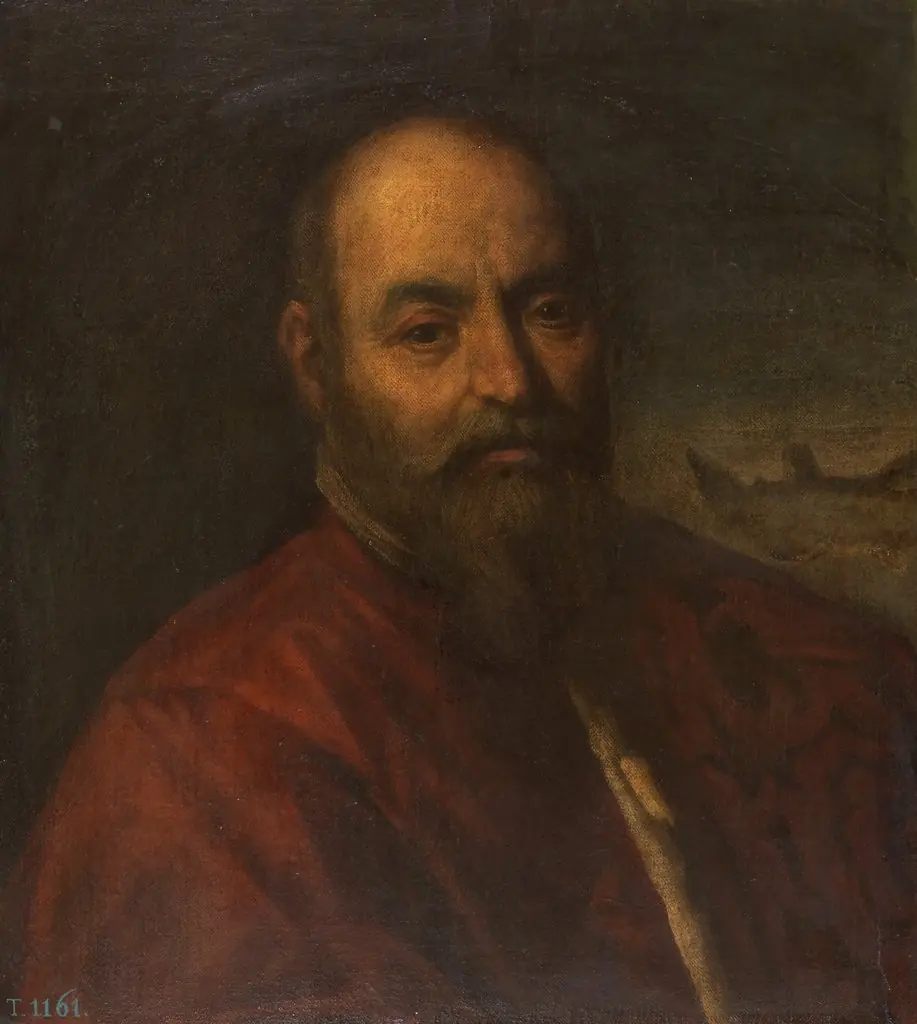 A Venetian Senator