Artwork
The Strife between Carnival and Lent
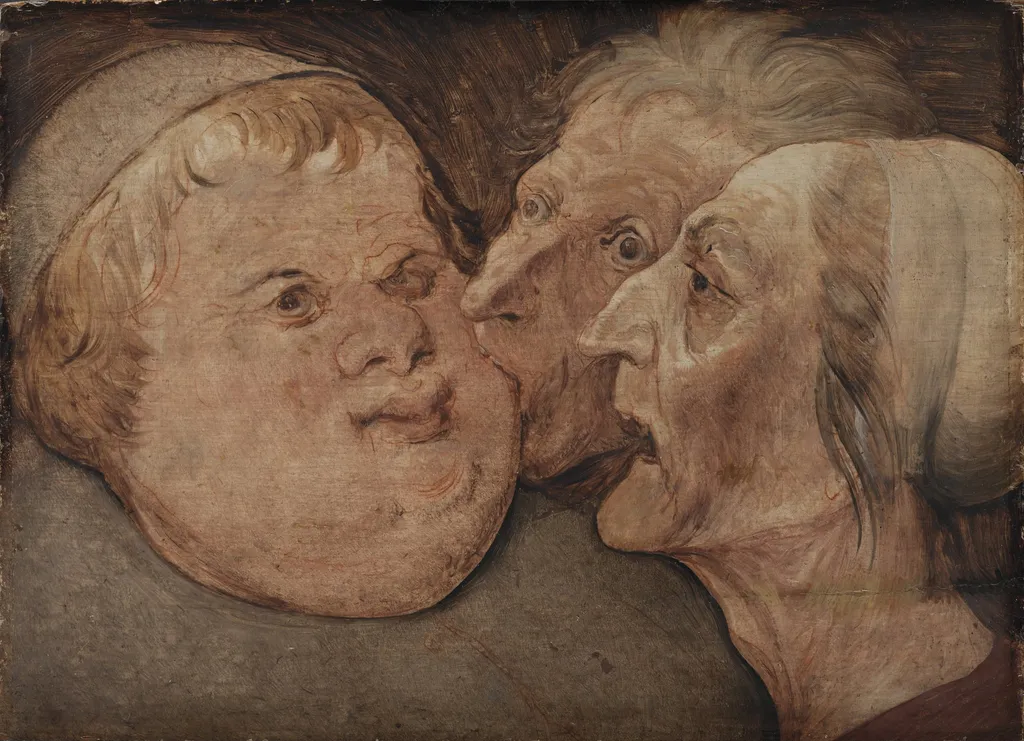
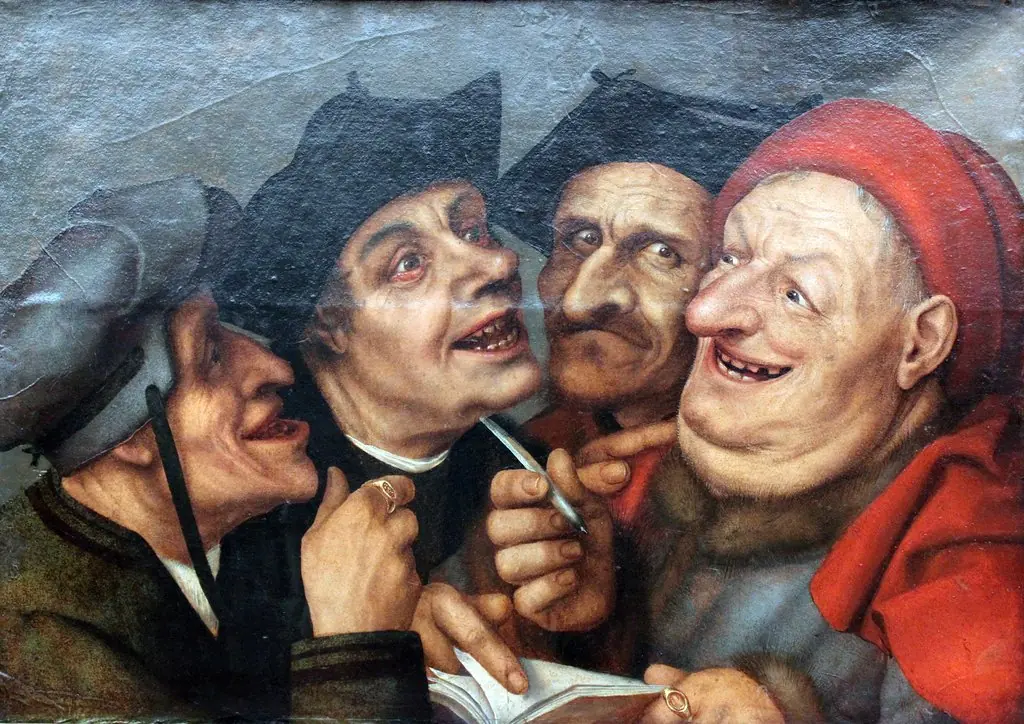
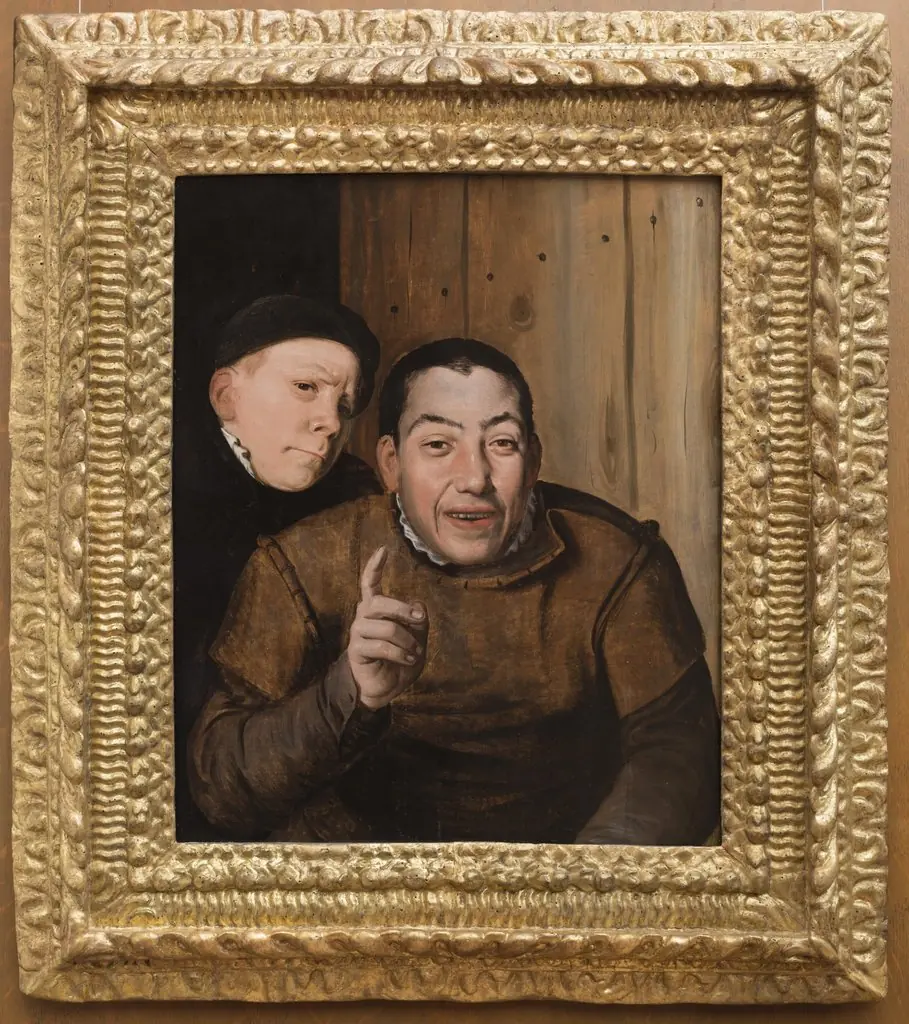
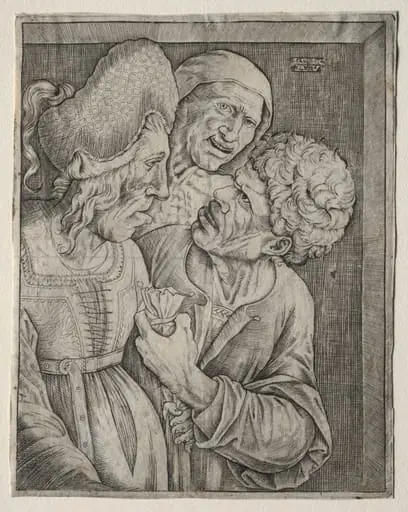
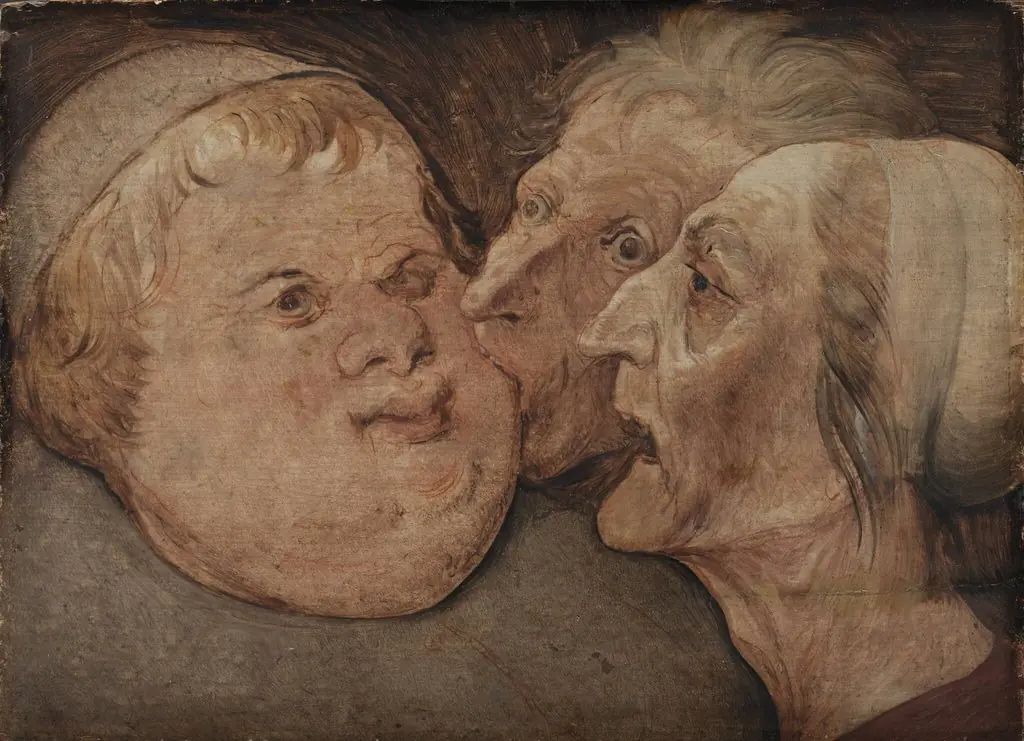
The Strife between Carnival and Lent is a photography by Unknown. It dates from 1550 and is held in the collection of the Statens Museum for Kunst. Painted around 1550, this work depicts a tense confrontation between three figures, likely symbolizing opposing cultural forces.
About this work
Overview
Painted around 1550, this work depicts a tense confrontation between three figures, likely symbolizing opposing cultural forces. Though traditionally attributed to a 1518-born artist, the date of creation postdates their known active years, raising questions about authorship. The painting resides in the Museum of Ethnography, where it is interpreted as an allegory rather than a literal scene.
Subject & Meaning
Together, they visualize the annual tension between festivity and abstinence in early modern European life.
The three faces represent contrasting states: indulgence, proclamation, and restraint. The left figure, with a rounded form and calm expression, may signify Carnival’s revelry; the central figure, angular and vocal, embodies the forceful call to fasting; the right, subdued and angular, suggests Lenten resignation. Together, they visualize the annual tension between festivity and abstinence in early modern European life.
Technique & Style
The composition relies on stark chiaroscuro to model the faces against a near-black background, enhancing their three-dimensionality. Colors are restrained—ochres, grays, and muted browns—focusing attention on expression and form. Brushwork is precise yet unembellished, prioritizing psychological presence over decorative detail. The lack of context or setting intensifies the sense of intimate conflict.
History & Provenance
The painting entered the Museum of Ethnography’s collection in the late 19th century, acquired as part of a broader effort to document folk traditions. Its origins before this are undocumented. No contemporary records confirm its commission or early ownership, and its attribution to a specific artist remains uncertain, with scholarly consensus leaning toward an anonymous regional painter.
Context
Created during a period of religious reform, the image reflects widespread societal negotiations over ritual, diet, and public celebration. The contrast between Carnival and Lent was not merely religious but deeply social, influencing markets, labor, and community behavior. This work captures that tension visually, aligning with broader Northern European traditions of moral allegory in art.
Legacy
Though not widely reproduced or studied in mainstream art history, the painting remains a significant artifact in ethnographic collections for its direct representation of popular belief systems. It continues to inform exhibitions on pre-modern European customs, offering insight into how visual culture mediated religious and seasonal transitions in everyday life.
Artist & collection

 Domestic Scene
 Giacomo and Cardinal Marco, investing Andrea, Abbot of San Zeno, with his Benefice
 The Nymph of Fontainebleau
 Portrait of a Woman
 Madonna and Child with Saints in the Enclosed Garden
 Venus and Minerva
 Family Group of Four on Sofa
 Wall painting from Room H of the Villa of P. Fannius Synistor at Boscoreale