Artwork
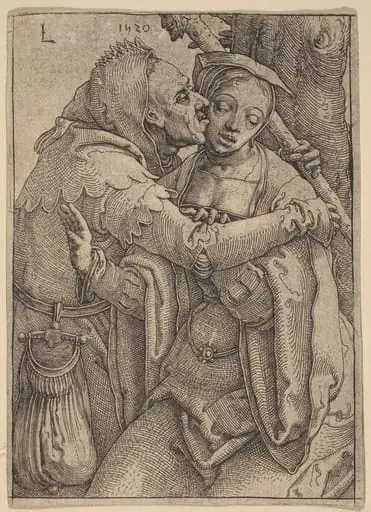
The Rich Old Woman
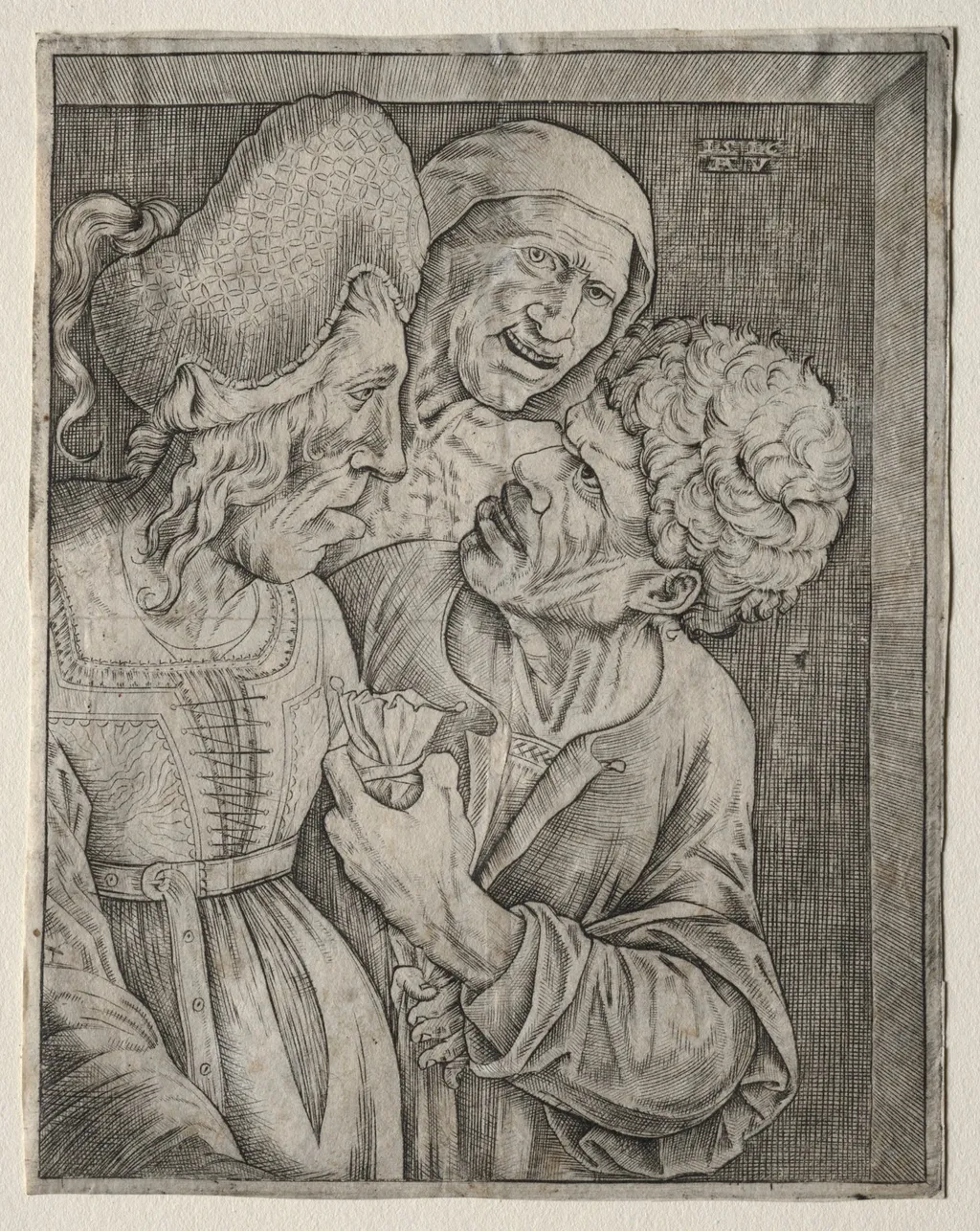
The Rich Old Woman is a print by the Renaissance artist Agostino dei Musi. It dates from 1504 and is held in the collection of the Cleveland Museum of Art.
About this work
Overview
Created around 1504 by the Italian engraver Agostino Veneziano, this print is a fine example of early 16th-century Northern Italian printmaking.
Created around 1504 by the Italian engraver Agostino Veneziano, this print is a fine example of early 16th-century Northern Italian printmaking. Veneziano, known for his technical precision and prolific output, produced works that often drew from classical and contemporary themes. The piece is part of the Cleveland Museum of Art’s collection, where it is preserved as a representative of Renaissance graphic art.
Subject & Meaning
The image portrays an elderly woman in a loose robe, holding a purse, beside a younger figure dressed in ornate clothing with a belt adorned with coins. Their close proximity and the woman’s gentle smile suggest a moment of exchange or generosity. Rather than emphasizing wealth alone, the scene implies a personal bond—perhaps familial or charitable—reflecting Renaissance interest in moral and social dynamics within everyday life.
Technique & Style
Rendered in fine-line engraving, the work displays the meticulous detail typical of Renaissance printmakers. Facial features, curly hair, and the textured weave of the background are carefully incised to create depth and realism. The plain setting focuses attention on the figures and their interaction, while the contrast between the woman’s modest attire and the other’s ornate dress enhances the narrative tension without overt symbolism.
History & Provenance
The print entered the Cleveland Museum of Art’s collection through documented acquisitions in the 20th century, though its earlier ownership remains unrecorded. As a work by Agostino Veneziano, it likely circulated among collectors and artists in Italy during the early 1500s, possibly as part of a broader series or as an independent study of character and social role.
Context
During the Renaissance, printmaking became a medium for exploring human behavior and social hierarchy. Artists like Veneziano translated moral and domestic themes into accessible images, often drawing from classical literature or contemporary life. This print aligns with a trend of depicting ordinary figures with psychological nuance, reflecting broader cultural interests in individual character and ethical conduct.
Legacy
Though not widely reproduced in modern scholarship, the print contributes to the understanding of how Renaissance engravers used subtle visual cues to convey complex social relationships. Its preservation in a major museum underscores its value as a quiet but insightful document of early 16th-century attitudes toward wealth, age, and interpersonal connection.
Own this work as a print
Artist & collection
Artist
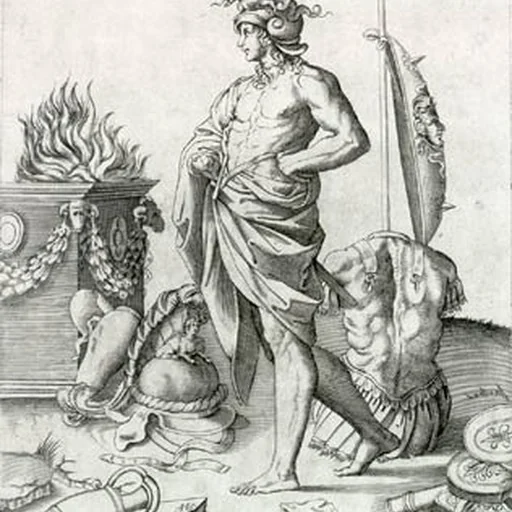
Agostino Veneziano ("Venetian Agostino"), whose real name was Agostino de' Musi (c. 1490 – c. 1540), was an important and prolific Italian engraver of the Renaissance.

 The Fool and the Woman
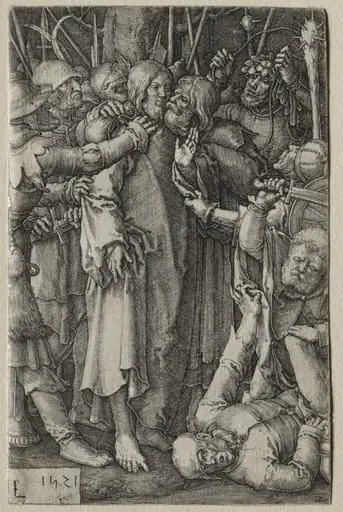 The Passion: The Capture of Jesus
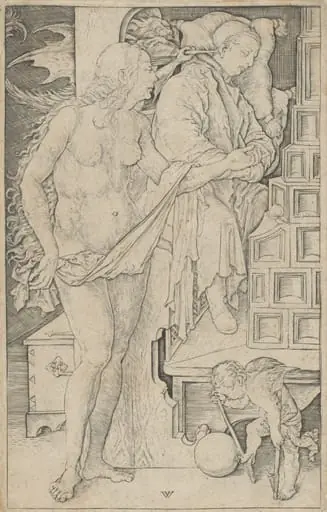 The Dream of the Doctor
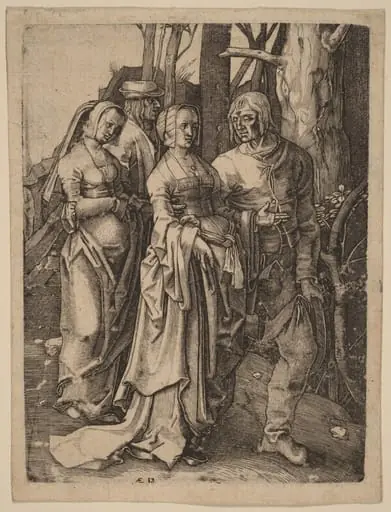 The Two Couples in the Forest
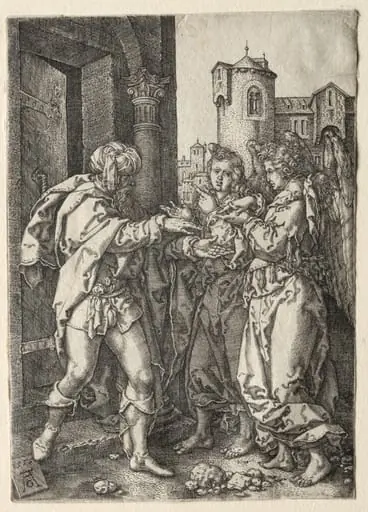 The Story of Lot
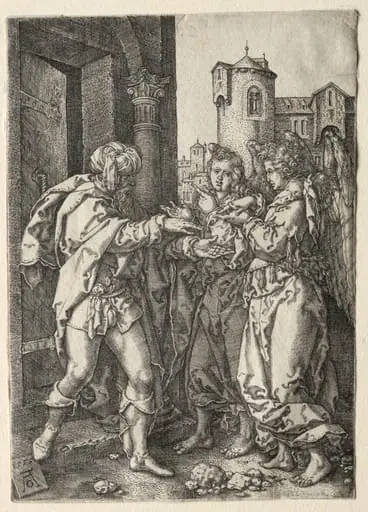 The Story of Lot: Lot Welcomes the Angels
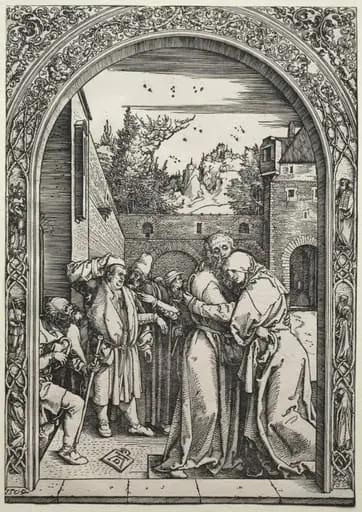 The Meeting of Joachim and Anna at the Golden Gate
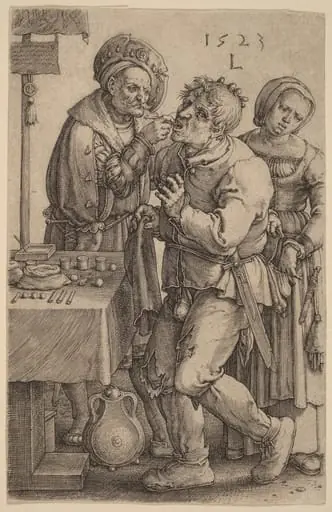 The Dentist
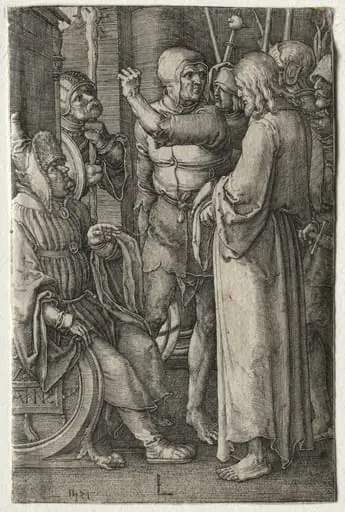 The Passion: Christ Before the High Priest
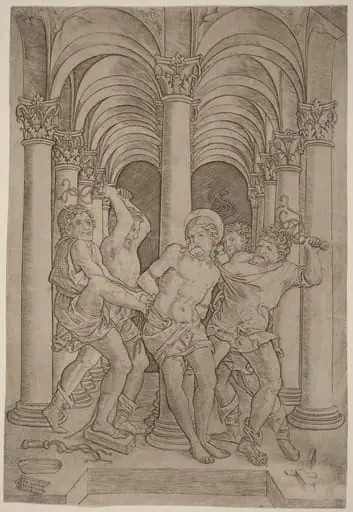 Flagellation
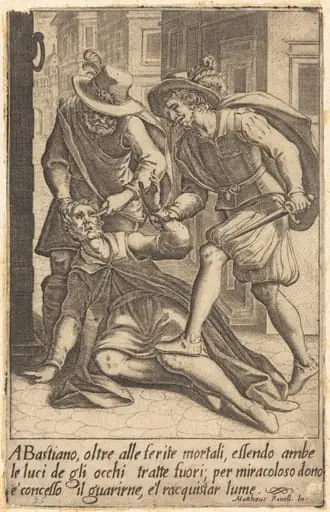 Bastiano
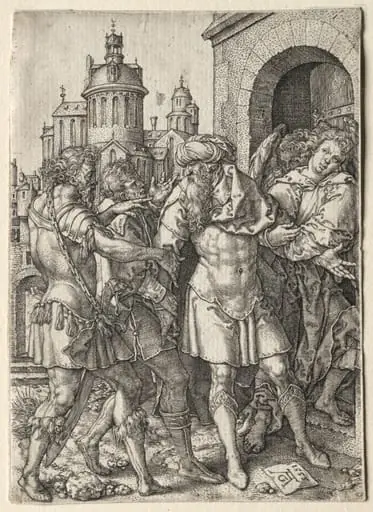 The Story of Lot: Lot Prevents the Sodomites from Violence