Artwork
The Chastity of Joseph
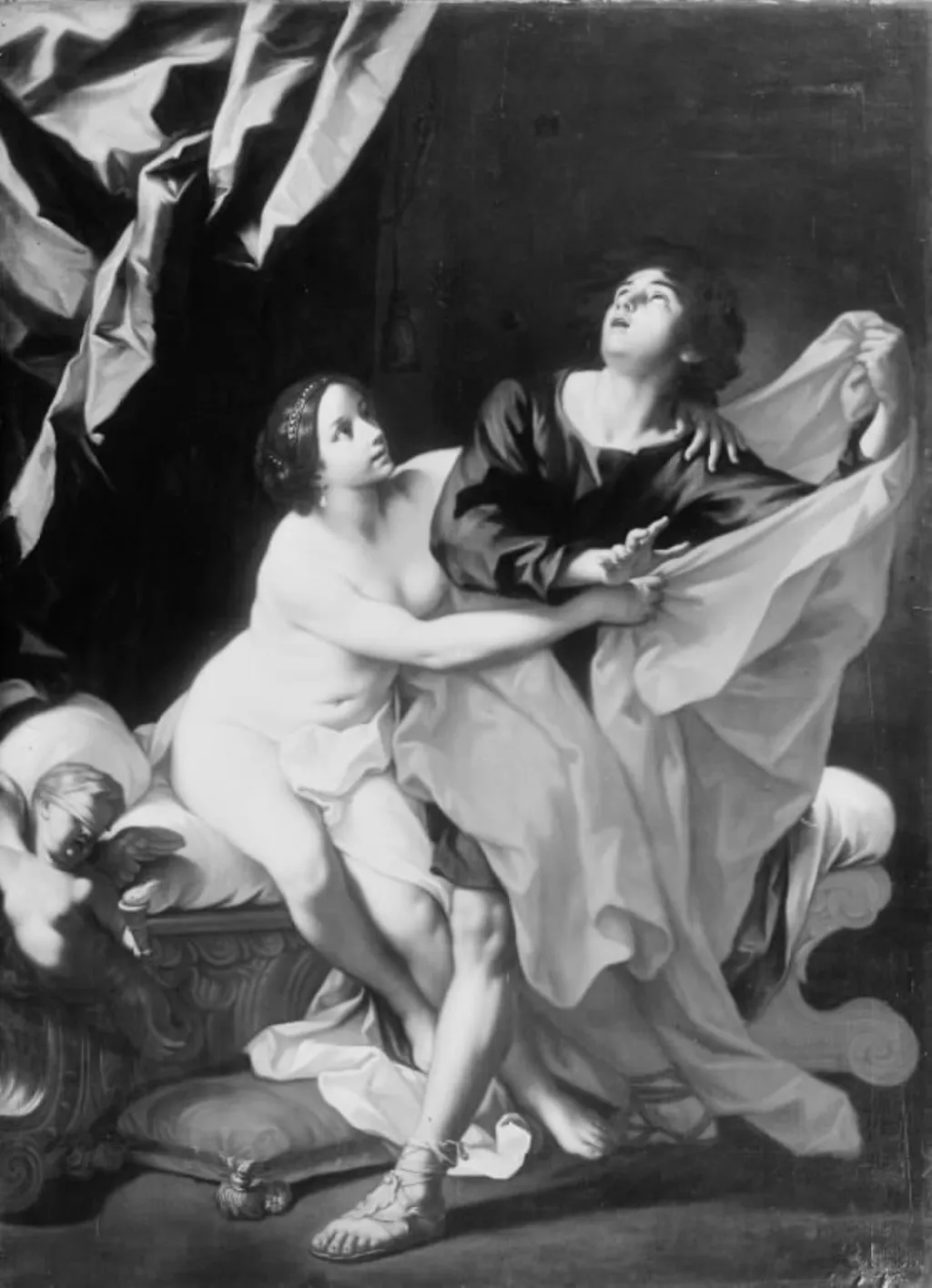
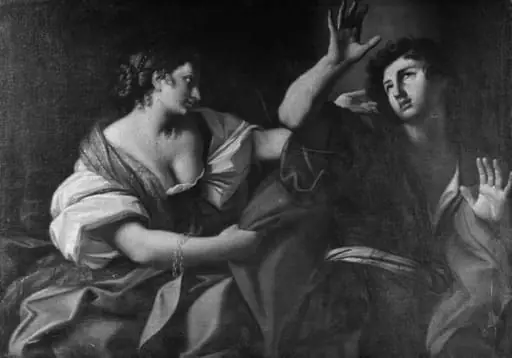
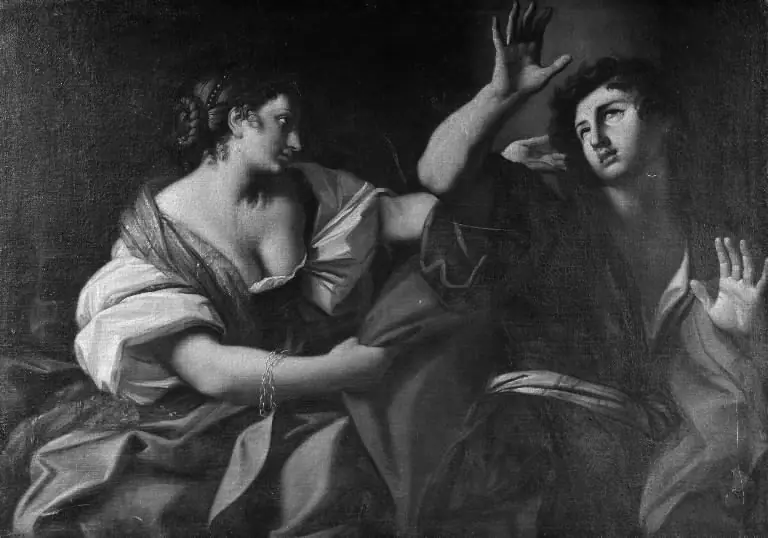
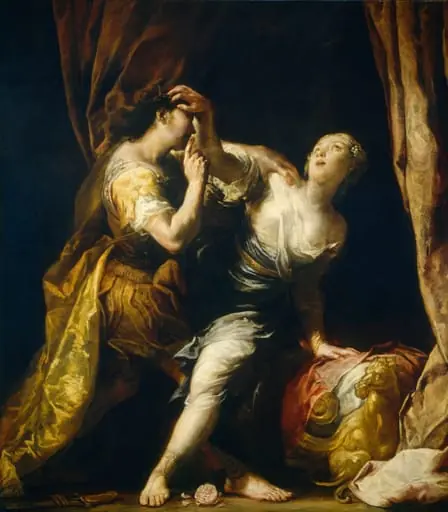
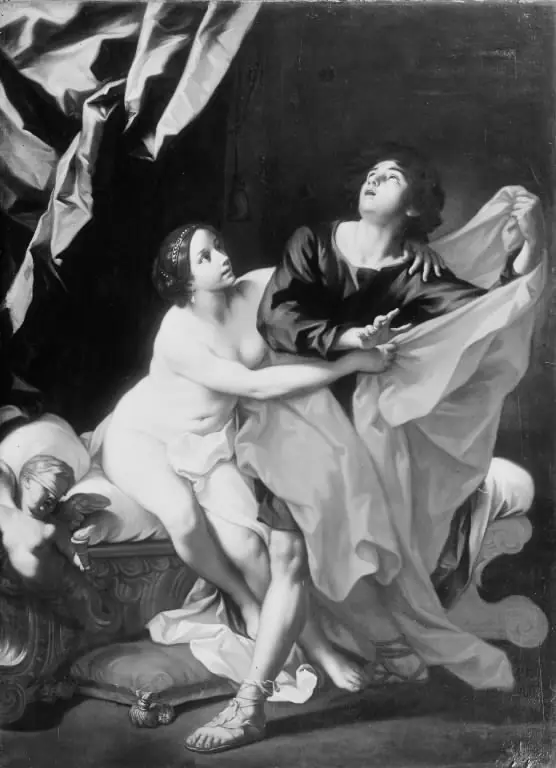
The Chastity of Joseph is a photography by Unknown. It dates from 1750 and is held in the collection of the Statens Museum for Kunst. Created around 1750, this painting depicts a moment from the biblical story of Joseph and Potiphar’s wife.
About this work
Overview
The composition centers on a tense encounter between two figures, rendered with heightened emotional intensity through dramatic lighting and dynamic poses.
Created around 1750, this painting depicts a moment from the biblical story of Joseph and Potiphar’s wife. It is part of the collection at the Museum of Ethnography. The composition centers on a tense encounter between two figures, rendered with heightened emotional intensity through dramatic lighting and dynamic poses. The work reflects a tradition of religious narrative painting common in 18th-century Europe.
Subject & Meaning
The scene illustrates Joseph’s refusal of seduction by Potiphar’s wife, a moment symbolizing moral integrity. The kneeling figure, partially unveiled, represents temptation, while the standing figure, clad in dark garments, embodies restraint and divine resolve. The upward gaze suggests appeal to a higher power, reinforcing the theme of chastity as spiritual victory over earthly desire.
Technique & Style
The artist employs chiaroscuro to model forms and heighten emotional tension. Strong contrasts between light and shadow define the kneeling figure’s bare skin and flowing drapery, isolating them from the dark, turbulent background. The swirling curtain enhances movement, directing the viewer’s eye toward the central confrontation. Brushwork is controlled yet expressive, emphasizing texture and volume without overt detail.
History & Provenance
The painting was likely produced in the mid-18th century, possibly in a region with strong Catholic artistic traditions. It entered the Museum of Ethnography’s collection in the late 19th or early 20th century, though its earlier ownership remains undocumented. Its attribution to a specific artist from 1547 is inconsistent with its date and style, suggesting a misattribution in earlier records.
Context
This work aligns with 18th-century devotional art that emphasized moral virtue through dramatic biblical scenes. While religious themes remained popular, the style reflects a transition toward more theatrical compositions influenced by Baroque traditions. The focus on physicality and emotional conflict suggests engagement with contemporary trends in sacred narrative painting across Europe.
Legacy
Though not widely reproduced or studied, the painting contributes to the understanding of how biblical morality was visually encoded in the 18th century. Its preservation in an ethnographic museum highlights how religious imagery was collected as cultural artifact rather than purely theological object. It remains a quiet example of devotional art’s enduring visual language.
Artist & collection

 Domestic Scene
 Giacomo and Cardinal Marco, investing Andrea, Abbot of San Zeno, with his Benefice
 The Nymph of Fontainebleau
 Portrait of a Woman
 Madonna and Child with Saints in the Enclosed Garden
 Venus and Minerva
 Family Group of Four on Sofa
 Wall painting from Room H of the Villa of P. Fannius Synistor at Boscoreale