Artwork
The Suicide of Lucretia
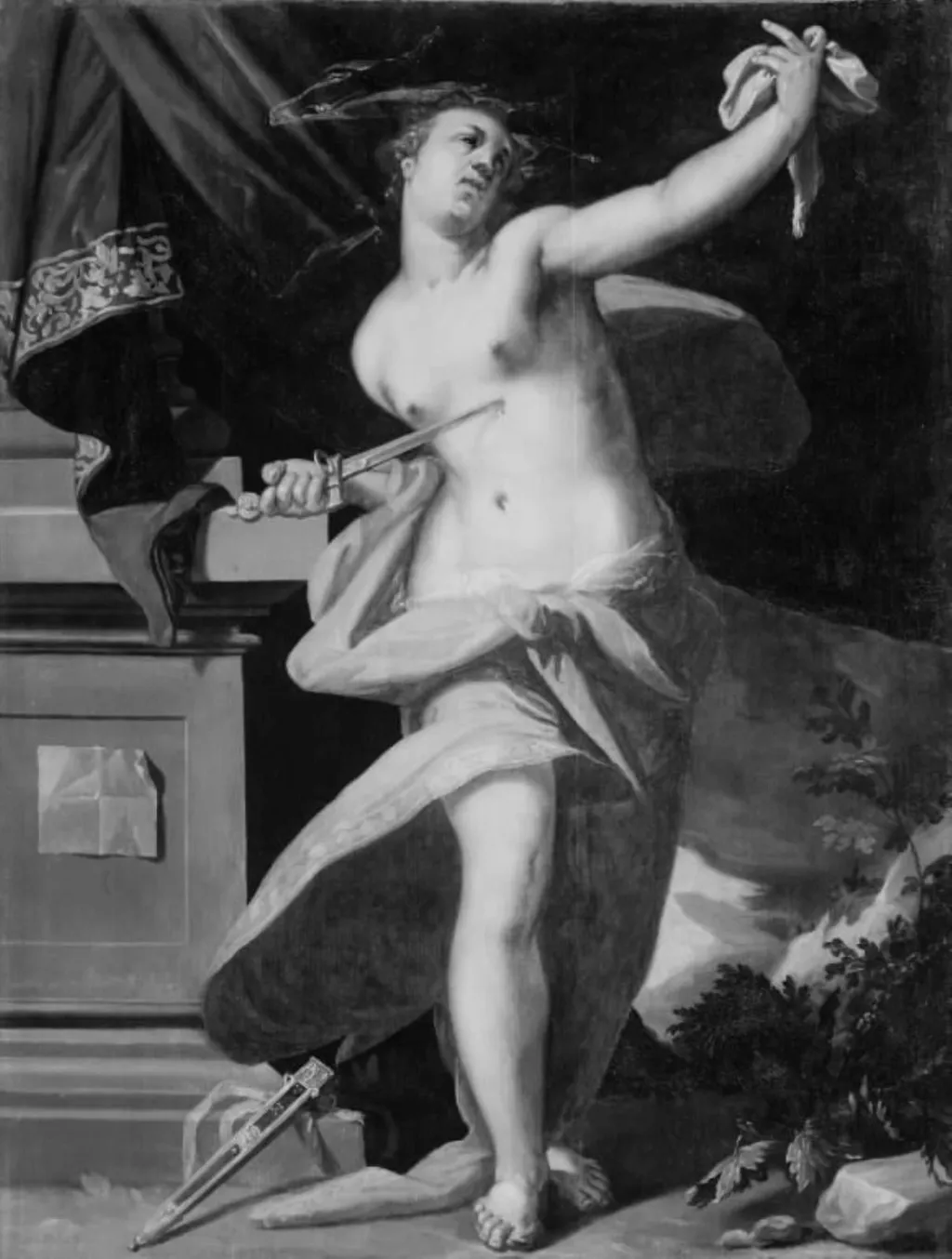
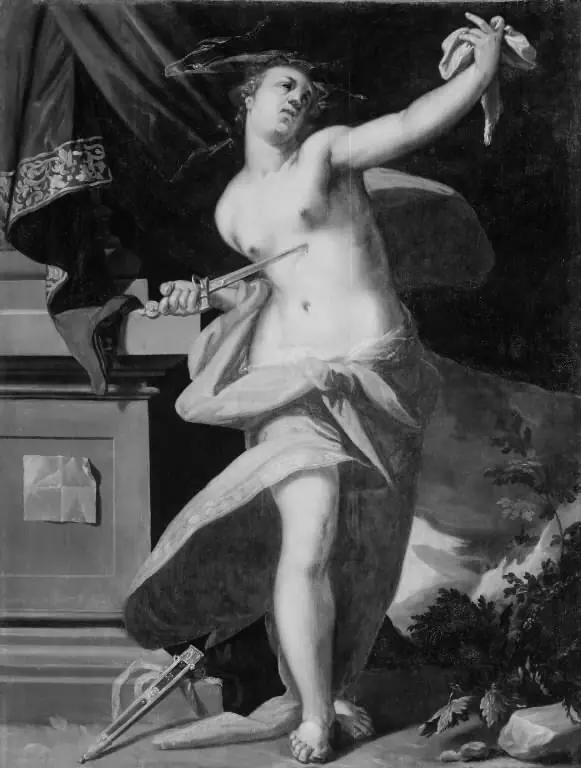
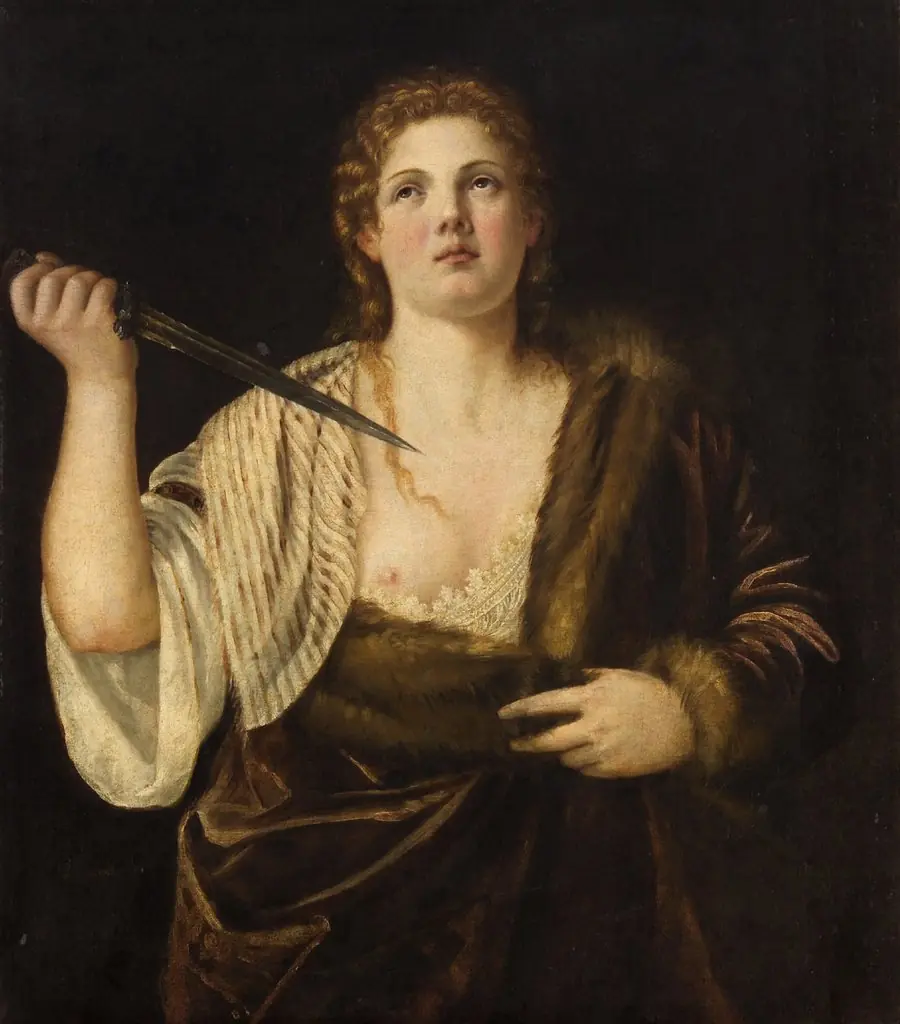
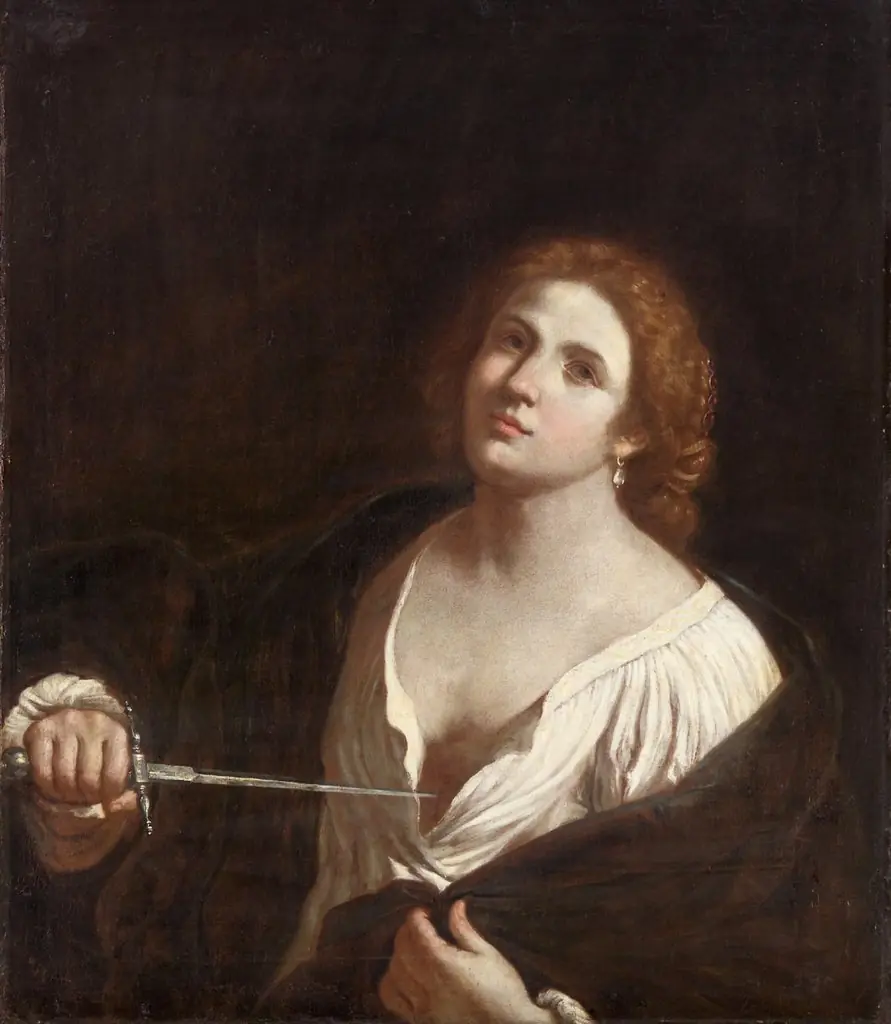
The Suicide of Lucretia is a photography by Unknown. It dates from 1550 and is held in the collection of the Statens Museum for Kunst. Painted around 1550, this work portrays the moment of Lucretia’s self-inflicted death.
About this work
Overview
The composition centers on her isolated figure against a deep, shadowed background, emphasizing the gravity of the moment.
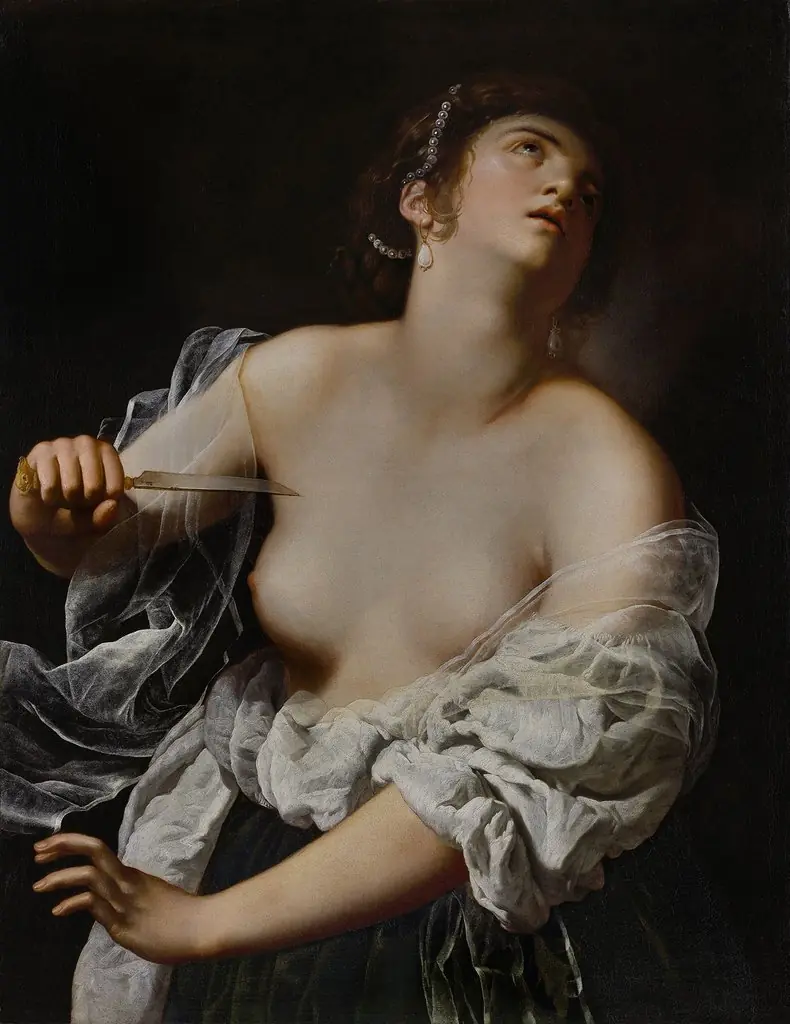
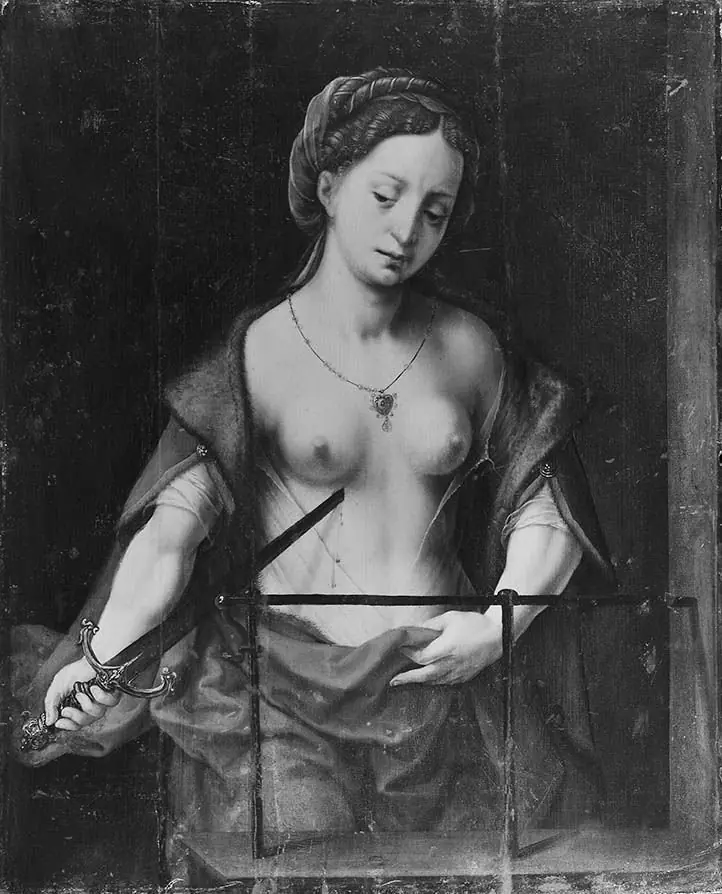
Painted around 1550, this work portrays the moment of Lucretia’s self-inflicted death. Executed in oil on panel, it captures the final act of a Roman noblewoman who chose death over dishonor. The composition centers on her isolated figure against a deep, shadowed background, emphasizing the gravity of the moment. The artist’s handling of light and form reflects a deliberate engagement with contemporary dramatic conventions.
Subject & Meaning
Lucretia, a symbol of virtue and tragic agency in classical tradition, is shown at the instant of her suicide. Her nudity signifies purity, while the dagger in her right hand and the cloth draped over her waist suggest both vulnerability and resolve. Her upturned gaze and closed eyes convey resignation rather than anguish, aligning with Renaissance interpretations of moral sacrifice as an act of dignity.
Technique & Style
The artist employs chiaroscuro to model the figure with sharp contrasts between light and shadow, directing focus to the torso and face. The background remains ambiguous, with faint, indistinct forms suggesting a dim interior space. Brushwork is controlled, with smooth transitions in skin tones and a restrained palette dominated by earth tones and muted highlights, reinforcing the solemnity of the scene.
History & Provenance
The painting entered the collection of the Museum of Ethnography in the late 19th century, though its earlier ownership remains undocumented. Its attribution to a specific artist from the mid-16th century is based on stylistic parallels with known works of the period, though no definitive documentary evidence confirms its origin or commission.
Context
Created during a time when classical myths were frequently revisited in European art, this image reflects the enduring appeal of Lucretia’s story as a moral allegory. While religious themes dominated much of the period, secular narratives drawn from antiquity were increasingly used to explore themes of honor, gender, and autonomy, particularly in private collections.
Legacy
The painting contributes to a broader visual tradition of Lucretia’s suicide in Renaissance and Mannerist art, though it lacks the overt theatricality of later interpretations. Its restrained composition and psychological focus distinguish it within the genre, offering a quiet meditation on personal agency rather than public spectacle.
Artist & collection

 Domestic Scene
 Giacomo and Cardinal Marco, investing Andrea, Abbot of San Zeno, with his Benefice
 The Nymph of Fontainebleau
 Portrait of a Woman
 Madonna and Child with Saints in the Enclosed Garden
 Venus and Minerva
 Family Group of Four on Sofa
 Wall painting from Room H of the Villa of P. Fannius Synistor at Boscoreale