Artwork
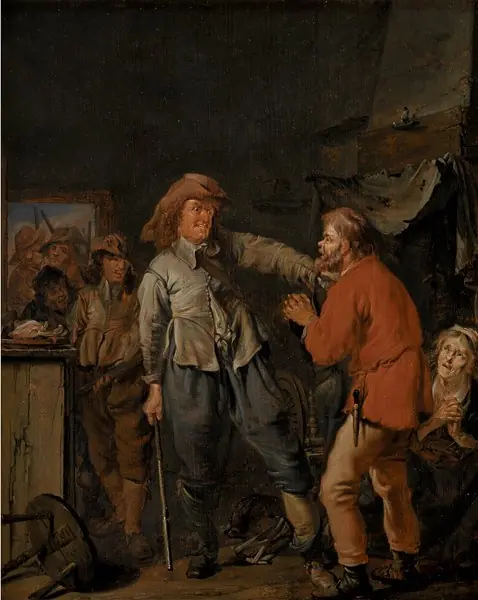
Soldiers Breaking into a Peasant's Cottage
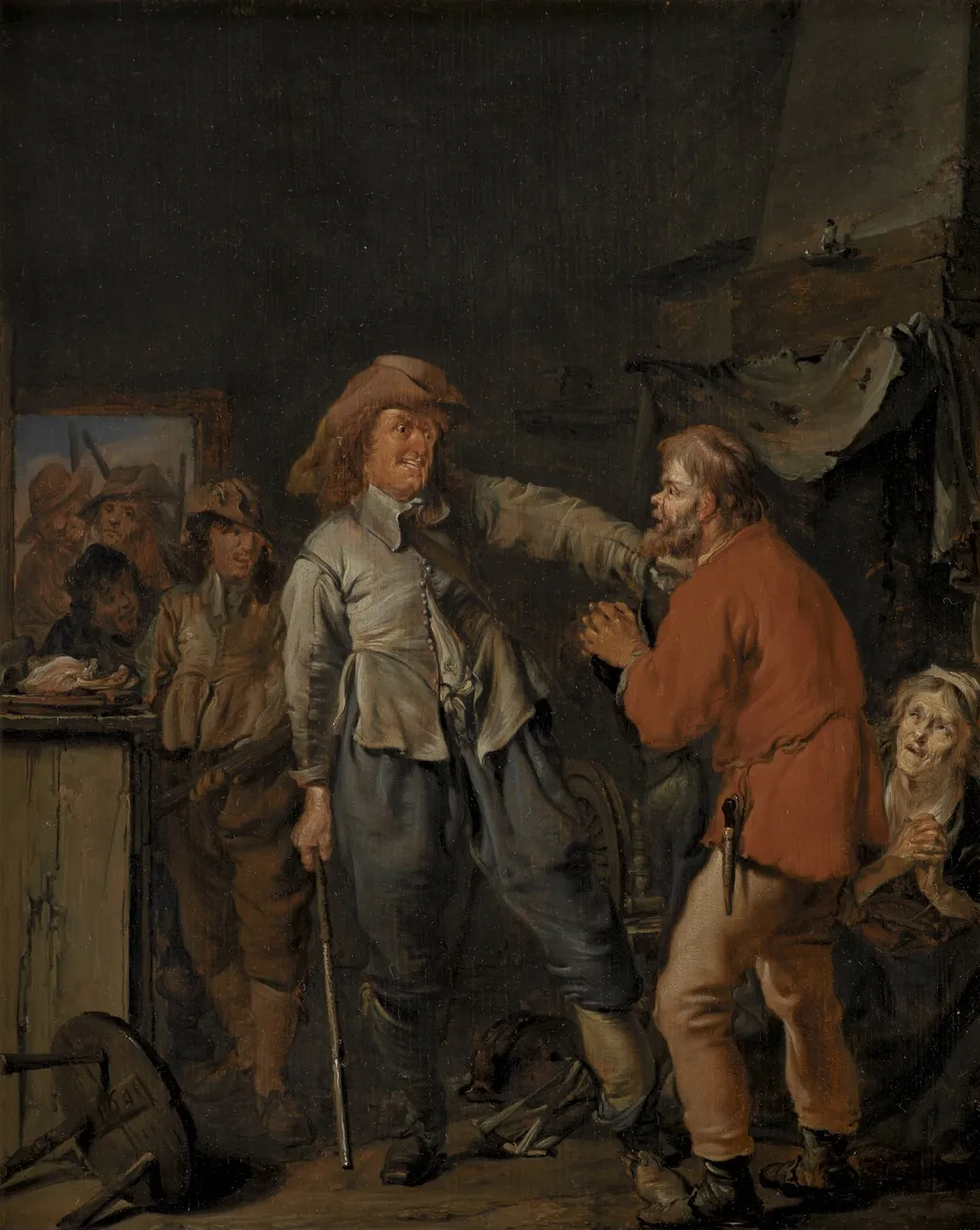
Soldiers Breaking into a Peasant's Cottage is a photography by the Baroque artist Unknown. It dates from 1645 and is held in the collection of the Statens Museum for Kunst. Created in 1645, this painting depicts a moment of intrusion into a peasant home by armed soldiers.
About this work
Overview
The scene captures a quiet but charged atmosphere, suggesting impending disruption rather than overt violence.
Created in 1645, this painting depicts a moment of intrusion into a peasant home by armed soldiers. Executed in oil on panel, it is part of the collection at the Museum of Ethnography. The composition centers on a tense interaction between soldiers, set within a confined, dimly lit interior. The scene captures a quiet but charged atmosphere, suggesting impending disruption rather than overt violence.
Subject & Meaning
The painting portrays soldiers entering a domestic space, their presence disrupting the quiet life of the household. One figure in red gestures toward another, who stands rigidly with a hand on the man’s shoulder, implying authority or restraint. Onlookers display varied reactions—indifference, anxiety, or amusement—hinting at the complex social dynamics of military occupation. The scene reflects the vulnerability of civilians during wartime.
Technique & Style
The artist employs strong chiaroscuro to heighten emotional tension, contrasting the soldiers’ vivid red and gray uniforms against the deep shadows of the interior. The cluttered room, with its hanging boat and uneven surfaces, adds to the sense of disorder. Brushwork is restrained yet precise, focusing attention on the figures’ postures and facial expressions to convey psychological depth without narrative clarity.
History & Provenance
The work is attributed to an artist active in the mid-17th century, though definitive records of its early ownership are scarce. It entered the Museum of Ethnography’s collection in the late 19th century, likely acquired as part of a broader effort to document rural life under military pressure. Its origins remain tied to regional traditions of genre painting in Northern Europe.
Context
Painted during the Thirty Years’ War, the scene reflects the widespread disruption of peasant communities by passing armies. Soldiers often requisitioned supplies and shelter, turning homes into temporary quarters. This image aligns with contemporary depictions of civilian suffering, offering a quiet counterpoint to grand historical narratives of battle and triumph.
Legacy
Though not widely exhibited, the painting contributes to a lesser-known strand of 17th-century genre art that prioritizes everyday tension over heroic spectacle. Its focus on civilian experience influenced later realist traditions in Northern European painting, particularly in works addressing social inequality and the impact of war on domestic life.
Artist & collection

 Domestic Scene
 Giacomo and Cardinal Marco, investing Andrea, Abbot of San Zeno, with his Benefice
 The Nymph of Fontainebleau
 Portrait of a Woman
 Madonna and Child with Saints in the Enclosed Garden
 Venus and Minerva
 Family Group of Four on Sofa
 Wall painting from Room H of the Villa of P. Fannius Synistor at Boscoreale
 Interior of a peasant hut
 Interior tavern scene with peasants drinking and smoking
 Travellers at Rest
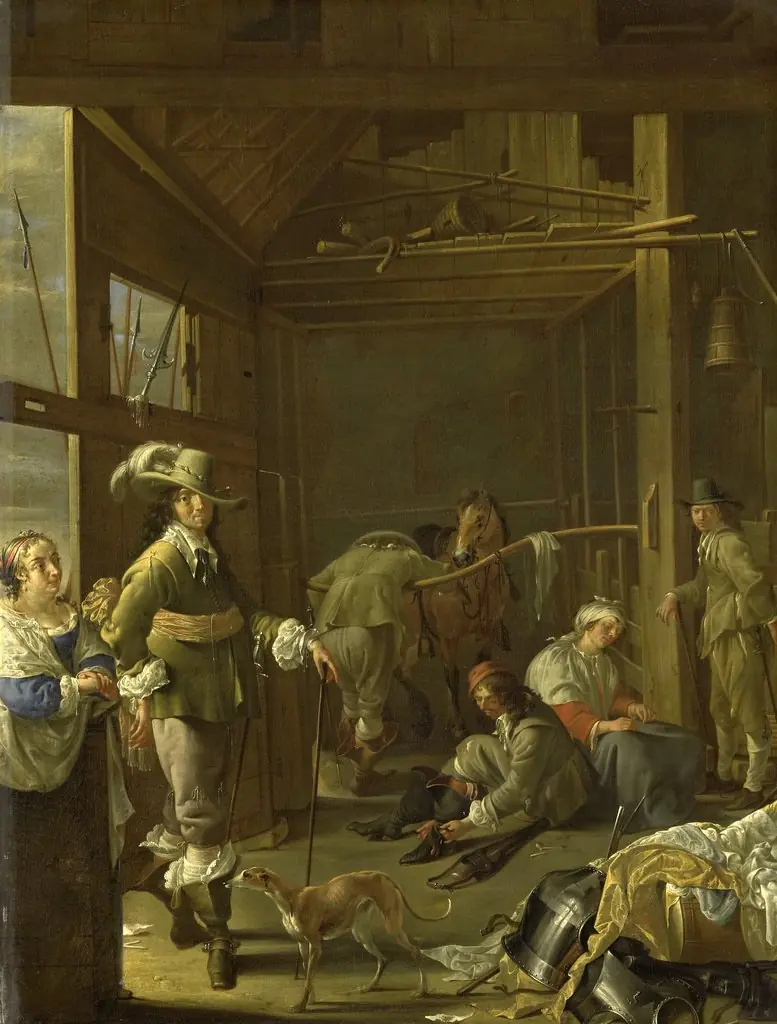 Soldiers in a stable
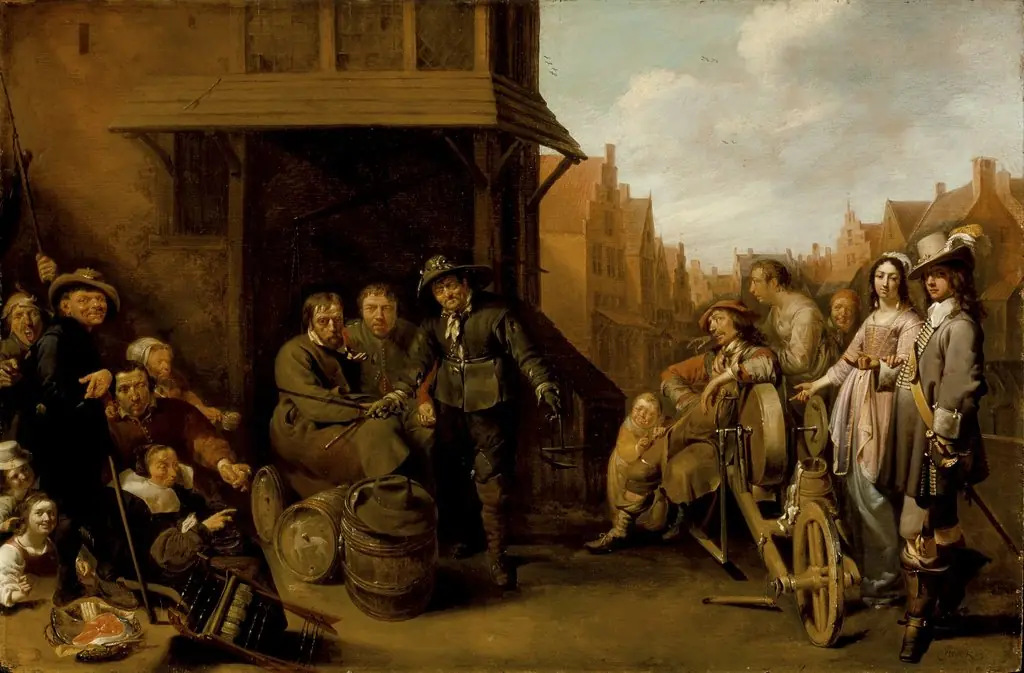 A Street Scene with Knife Grinder and Elegant Couple
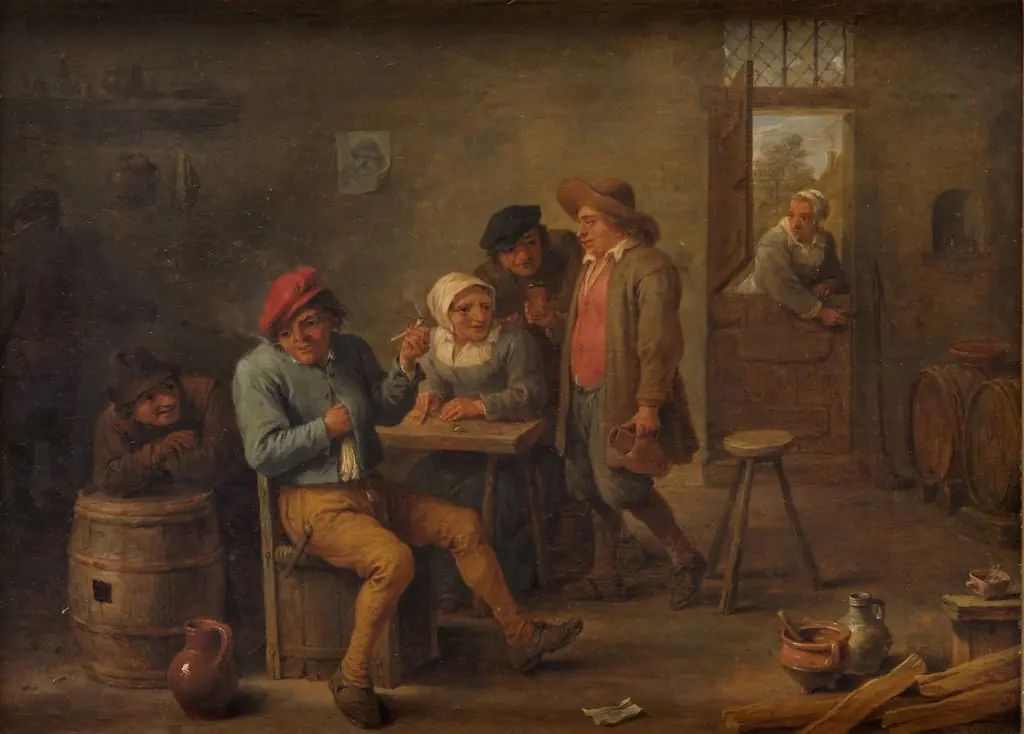 Wirtshausszene
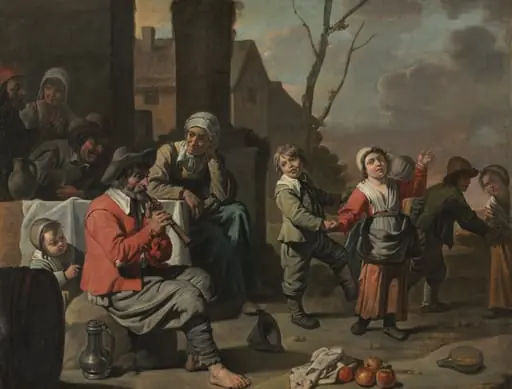 Peasant Children Dancing
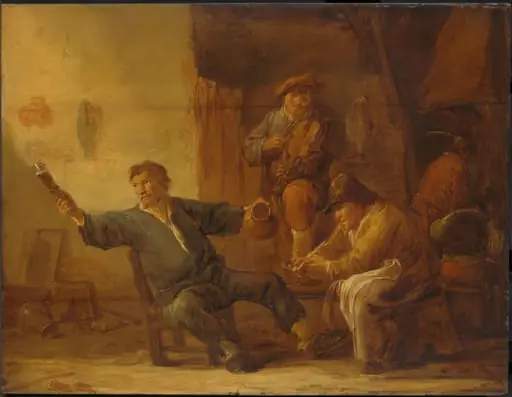 Interior of a Peasant Hut
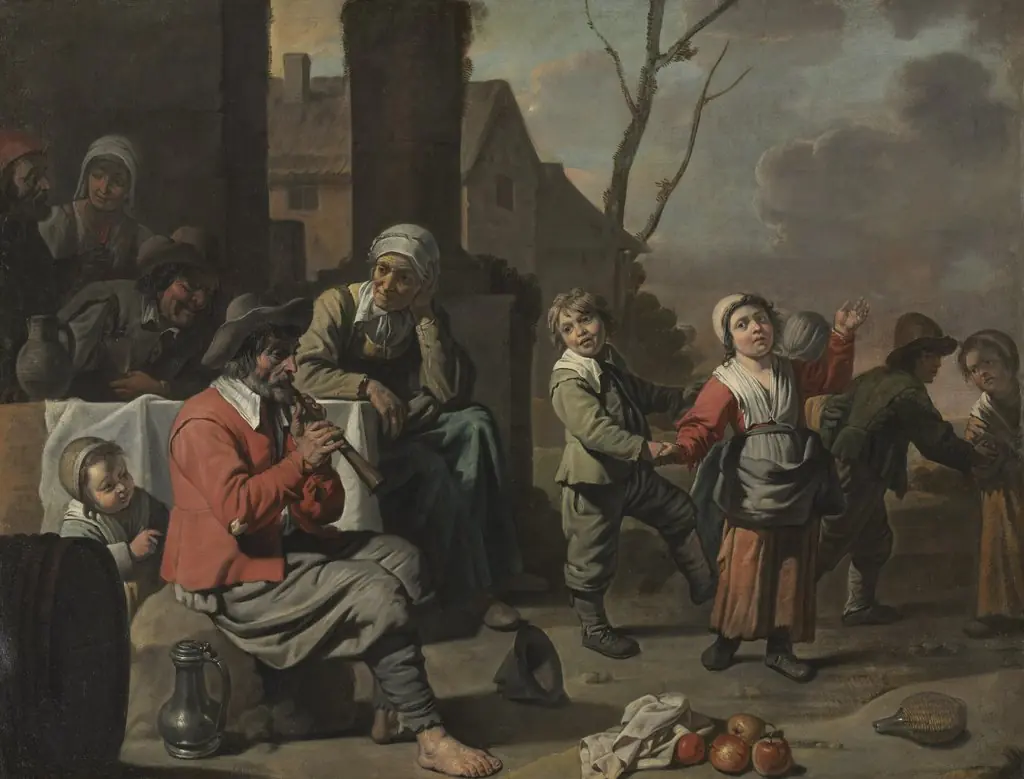 Peasant Children Dancing
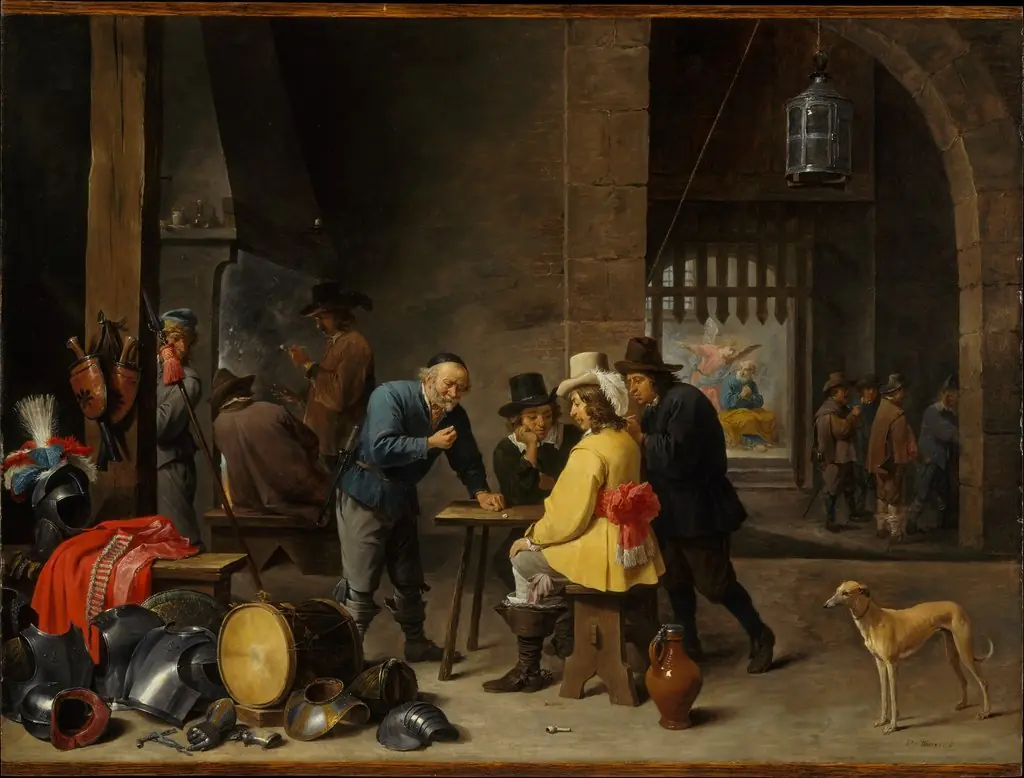 Guardroom with the Deliverance of Saint Peter
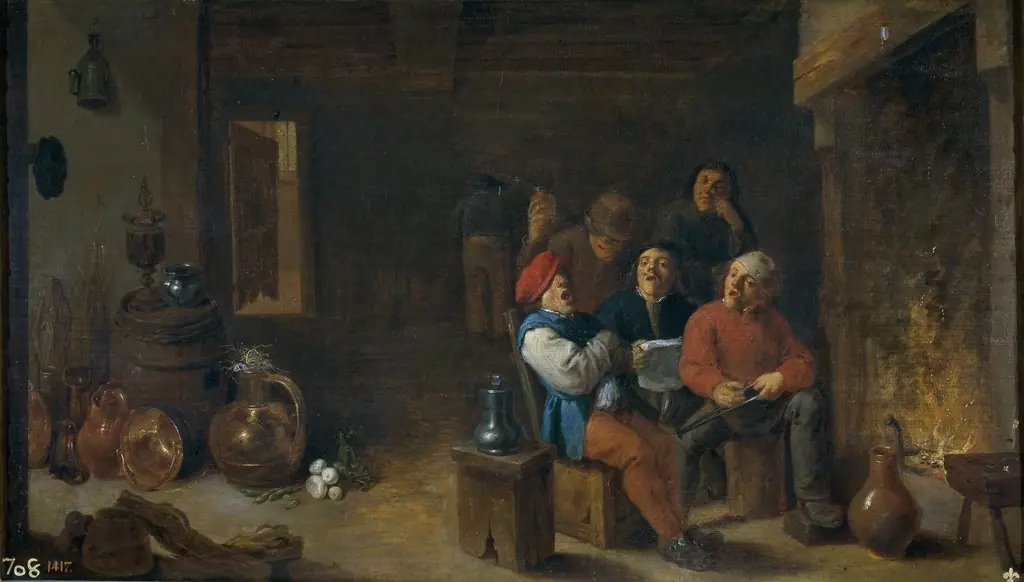 Music in the kitchen
 Soldiers Breaking into a Peasant's Cottage