Artwork
The Triumph of Galathea
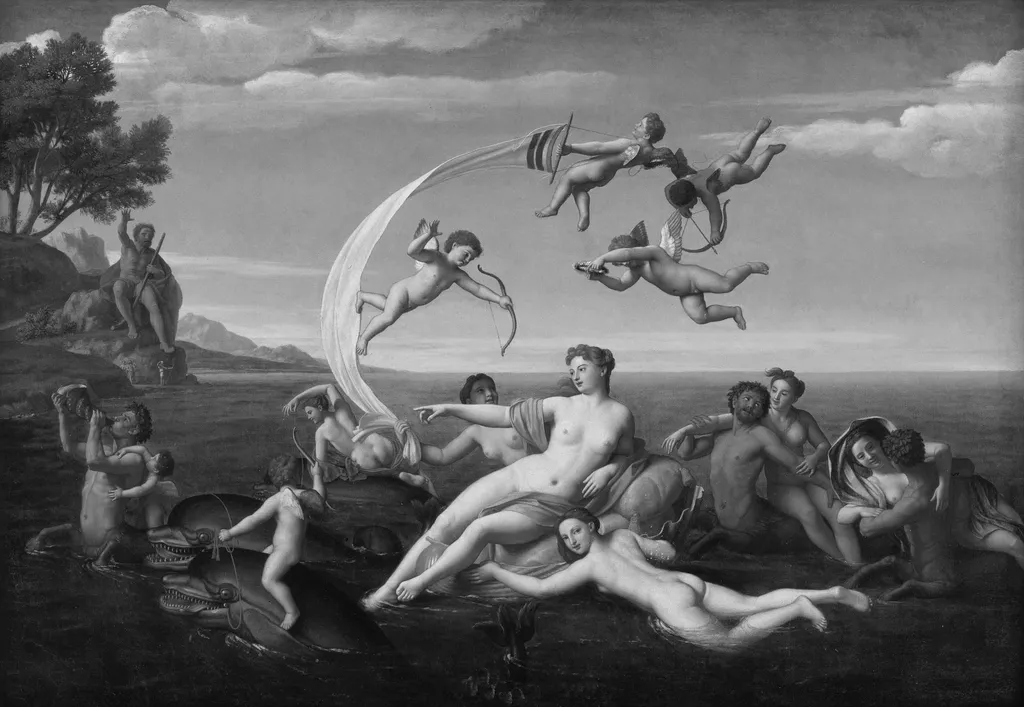
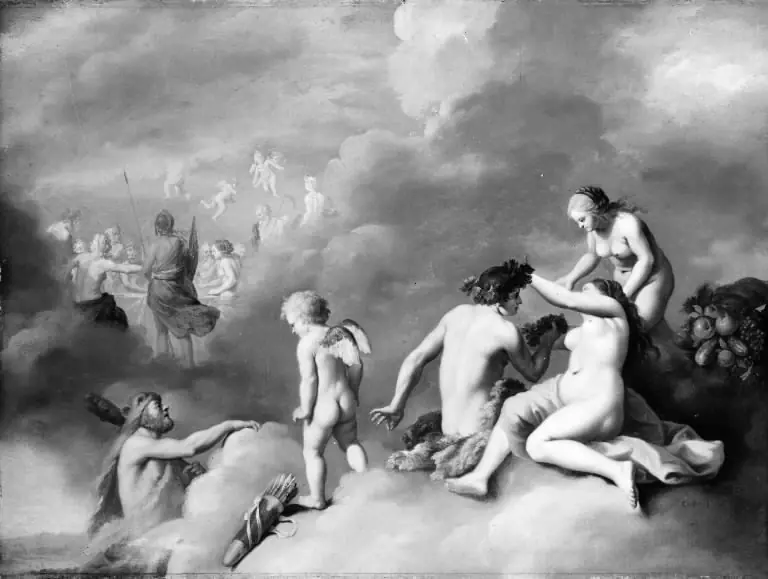
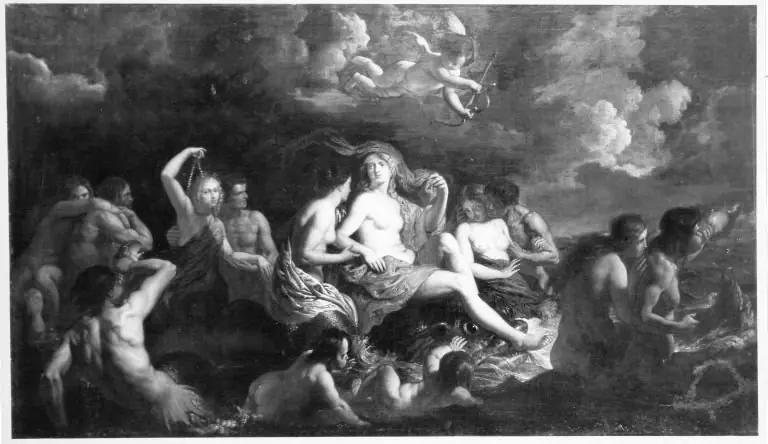
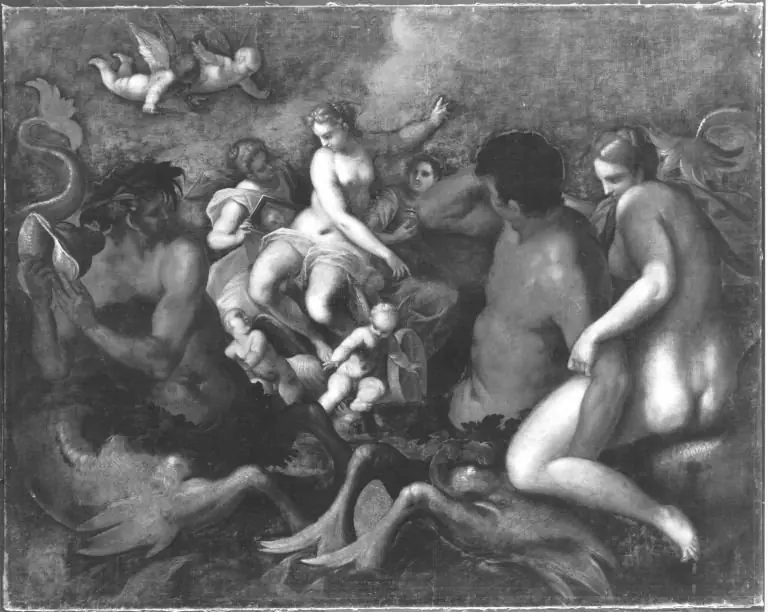
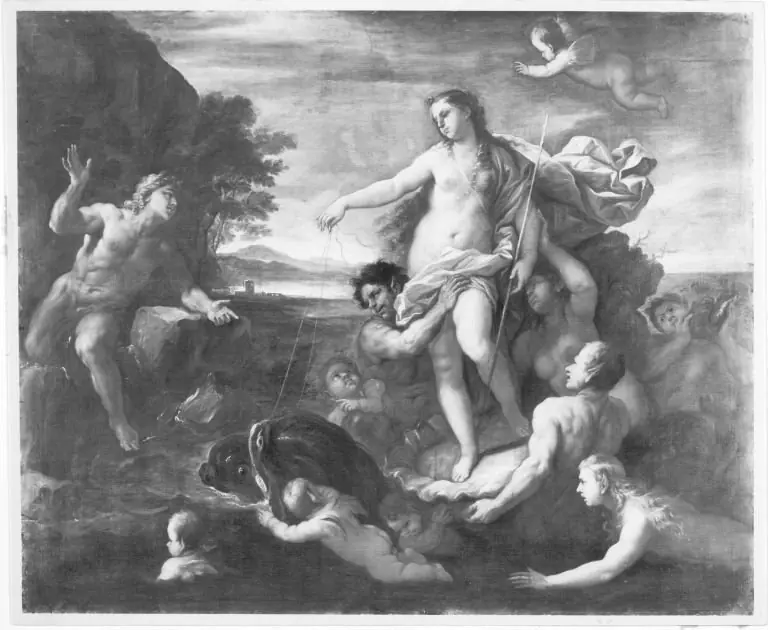
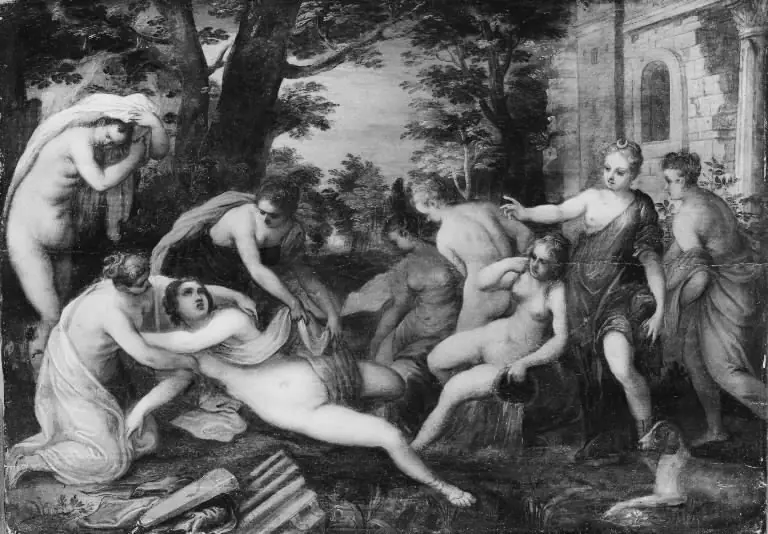
The Triumph of Galathea is a photography by Unknown. It dates from 1750 and is held in the collection of the Statens Museum for Kunst. Created around 1750, this painting portrays a mythological scene centered on Galathea, a figure from classical legend.
About this work
Overview
Though attributed to an artist active in 1557, the work’s style and date suggest a later interpretation, possibly from the mid-18th century.
Created around 1750, this painting portrays a mythological scene centered on Galathea, a figure from classical legend. Though attributed to an artist active in 1557, the work’s style and date suggest a later interpretation, possibly from the mid-18th century. It resides in the Museum of Ethnography, where its allegorical tone and decorative elements reflect evolving tastes in mythological imagery during the Enlightenment era.
Subject & Meaning
The central figure, Galathea, is depicted reclining on a shell, a reference to her mythological transformation from a mortal woman into a sea nymph. Surrounded by cherubs bearing symbolic objects—such as a bow, arrow, and banner—the scene evokes themes of divine favor and metamorphosis. Her relaxed posture and the tranquil setting suggest harmony between the human and the supernatural, reinforcing her status as a figure of grace beyond earthly concerns.
Technique & Style
The composition employs soft modeling of flesh tones against vividly colored garments worn by the cherubs, creating a contrast that draws attention to the central figure. Brushwork is delicate, with fluid lines defining the drapery and the contours of the shell. The background features muted natural elements—a shoreline and water—blending into a hazy atmosphere that enhances the dreamlike quality of the scene, typical of Rococo-inflected mythological painting.
History & Provenance
The painting’s early history is undocumented, but its presence in the Museum of Ethnography suggests it was collected as part of a broader interest in classical themes during the 18th and 19th centuries. Its attribution to a 16th-century artist is likely an error; stylistic analysis aligns it with mid-18th-century European workshops that revived mythological subjects for aristocratic patrons seeking refined, allegorical decoration.
Context
This work emerged during a period when European courts and collectors favored mythological narratives as expressions of cultural sophistication. Galathea’s depiction aligns with contemporary trends that idealized classical figures through sensuous, serene compositions. While rooted in ancient sources, the painting reflects Enlightenment-era reinterpretations of myth—not as religious allegory, but as aesthetic and philosophical contemplation.
Legacy
Though not widely reproduced or studied, the painting contributes to the broader archive of 18th-century mythological imagery that bridged classical antiquity and modern sensibility. Its preservation in an ethnographic museum underscores shifting institutional priorities, where art once seen as decorative is now contextualized as a cultural artifact reflecting historical perceptions of myth, gender, and nature.
Artist & collection

 Domestic Scene
 Giacomo and Cardinal Marco, investing Andrea, Abbot of San Zeno, with his Benefice
 The Nymph of Fontainebleau
 Portrait of a Woman
 Madonna and Child with Saints in the Enclosed Garden
 Venus and Minerva
 Family Group of Four on Sofa
 Wall painting from Room H of the Villa of P. Fannius Synistor at Boscoreale