Artwork
Empress Maria Theresa Garlanded by Wisdom
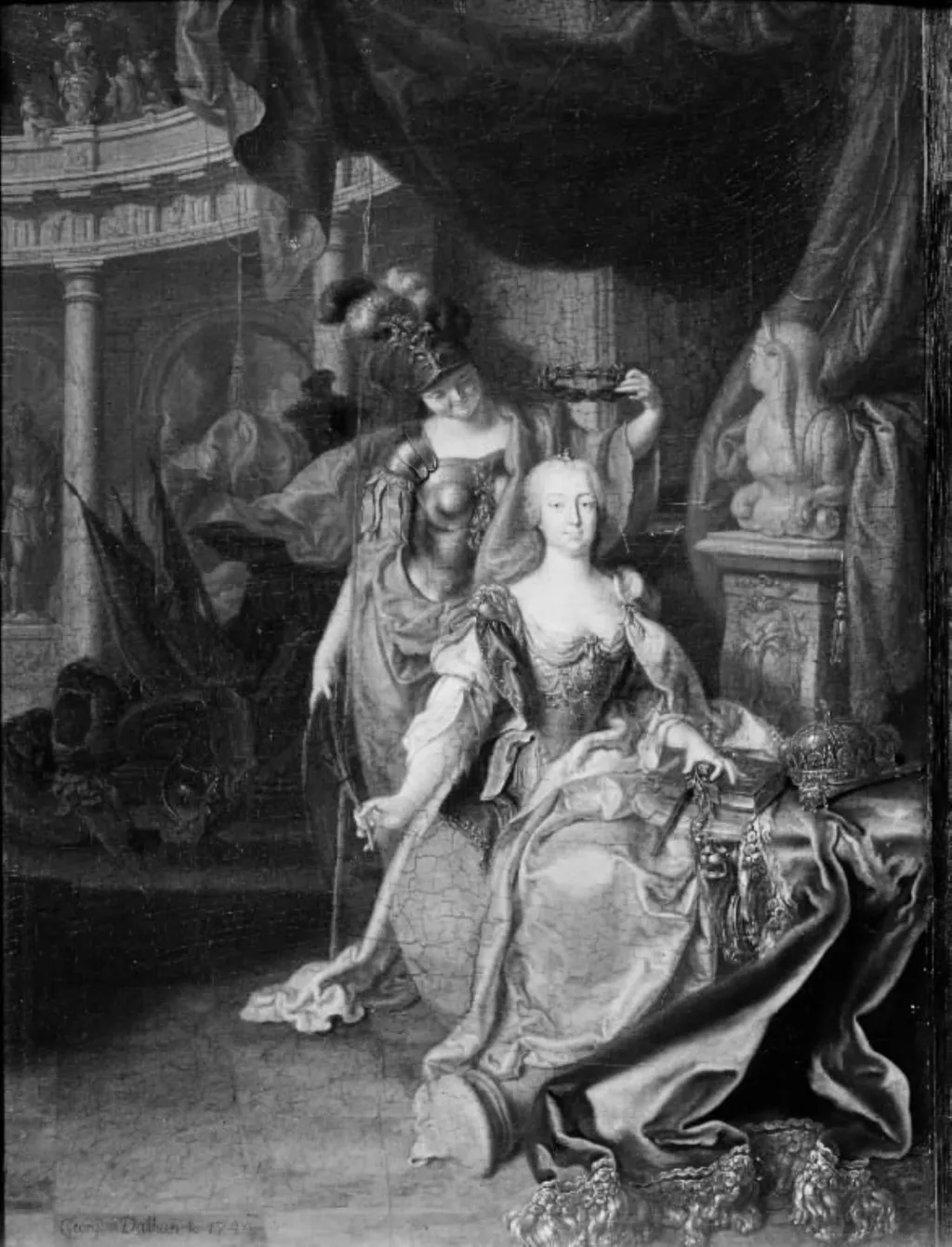
Empress Maria Theresa Garlanded by Wisdom is a photography by the Baroque artist Unknown. It dates from 1744 and is held in the collection of the Statens Museum for Kunst. Painted in 1744, this portrait depicts Empress Maria Theresa in a ceremonial moment of reverence.
About this work
Overview
Painted in 1744, this portrait depicts Empress Maria Theresa in a ceremonial moment of reverence. The composition centers on her kneeling before an allegorical figure representing Wisdom, who is seated on an elevated throne. The scene is rendered with dramatic lighting and architectural grandeur, emphasizing hierarchy and symbolic authority rather than literal representation.
Subject & Meaning
The seated figure embodies Wisdom, adorned with regalia and holding a crown, suggesting that imperial power is guided by intellect and virtue. Maria Theresa, in a posture of humility, receives this divine sanction. The servant holding a crown above Wisdom’s head reinforces the idea of elevated, almost sacred, authority. The imagery frames rule as a moral duty, not merely a birthright.
Technique & Style
Rich textures of fabric and stone are rendered with precision, while the background features classical pillars and draped curtains that evoke timeless grandeur.
The artist employs chiaroscuro to sculpt the figures against a dim, opulent interior, drawing focus to their gestures and garments. Rich textures of fabric and stone are rendered with precision, while the background features classical pillars and draped curtains that evoke timeless grandeur. The calm expression of Wisdom contrasts with Maria Theresa’s bowed posture, enhancing the narrative of deference.
History & Provenance
The painting was commissioned during Maria Theresa’s reign as ruler of the Habsburg dominions. It entered the collection of the Museum of Ethnography in the late 19th century, likely as part of a broader effort to document imperial iconography. Its presence there reflects its role as a cultural artifact of state symbolism rather than a purely religious or mythological work.
Context
Created amid Enlightenment ideals, the painting aligns with contemporary efforts to legitimize monarchical power through allegory and moral philosophy. Unlike earlier dynastic portraits, it merges political authority with intellectual virtue, responding to shifting expectations of rulership. The inclusion of classical architecture and allegorical figures situates the empress within a tradition of learned sovereignty.
Legacy
The work remains a key example of 18th-century political iconography in Central Europe. It illustrates how visual culture was used to communicate legitimacy beyond military or hereditary claims. Though not widely reproduced, its composition influenced later imperial portraiture that sought to blend authority with moral gravitas.
Artist & collection

 Domestic Scene
 Giacomo and Cardinal Marco, investing Andrea, Abbot of San Zeno, with his Benefice
 The Nymph of Fontainebleau
 Portrait of a Woman
 Madonna and Child with Saints in the Enclosed Garden
 Venus and Minerva
 Family Group of Four on Sofa
 Wall painting from Room H of the Villa of P. Fannius Synistor at Boscoreale
 Mistress and Maid
 Mistress and Maid
 Bildnis einer Hofdame
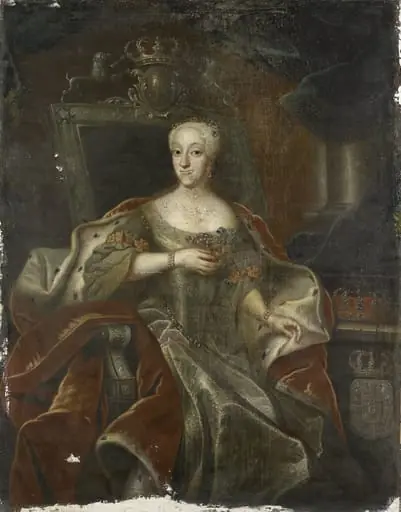 Portrait of Princess Charlotte Amalie, Daughter of Frederick IV, King of Denmark
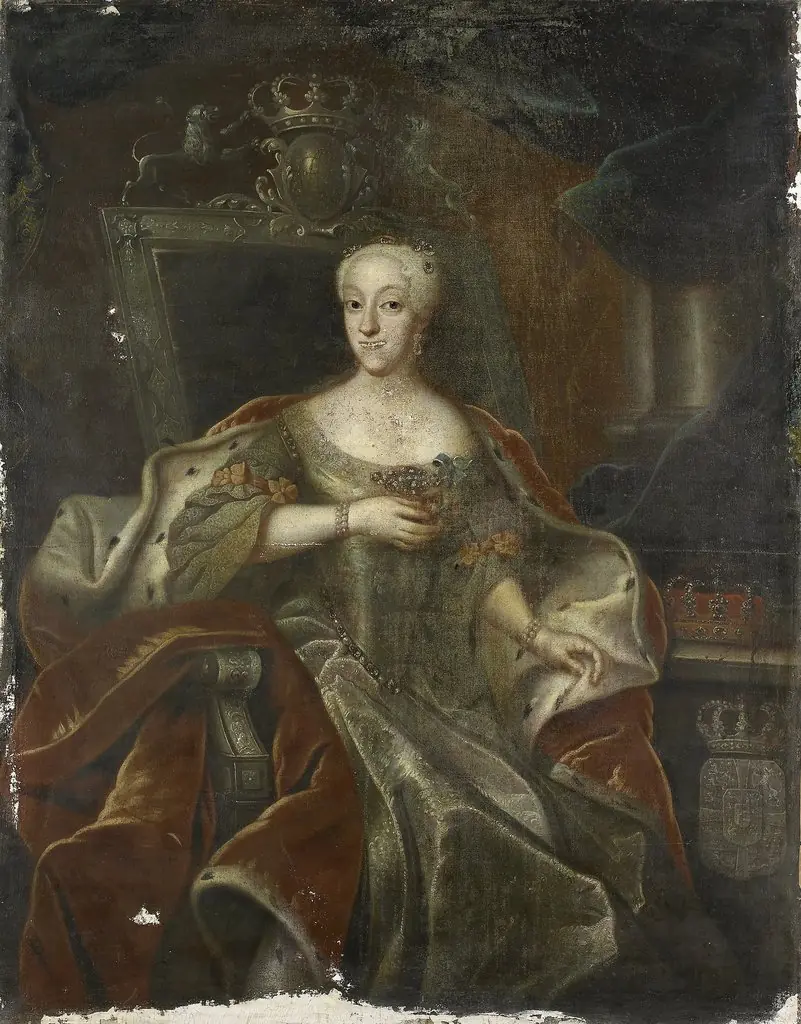 Portrait of Princess Charlotte Amalie, Daughter of Frederick IV, King of Denmark
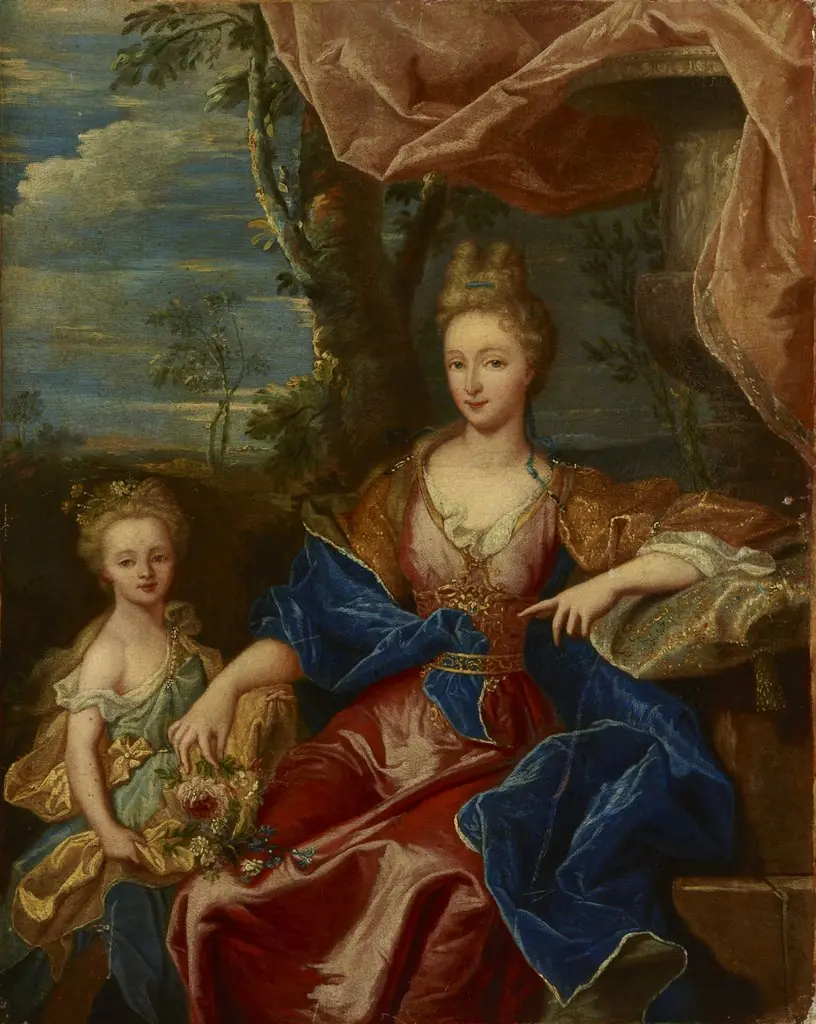 Portrait of a Lady with a Child
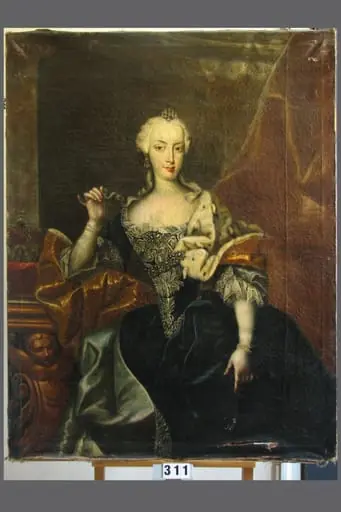 Maria Theresia, arhiducesă de Austria ; în registrul inventar: Prințesă în haină albastră
 A Shepherdess with a Dog
 A Shepherdess with a Dog