Artwork
Landscape by a River. In the Background a Limekiln
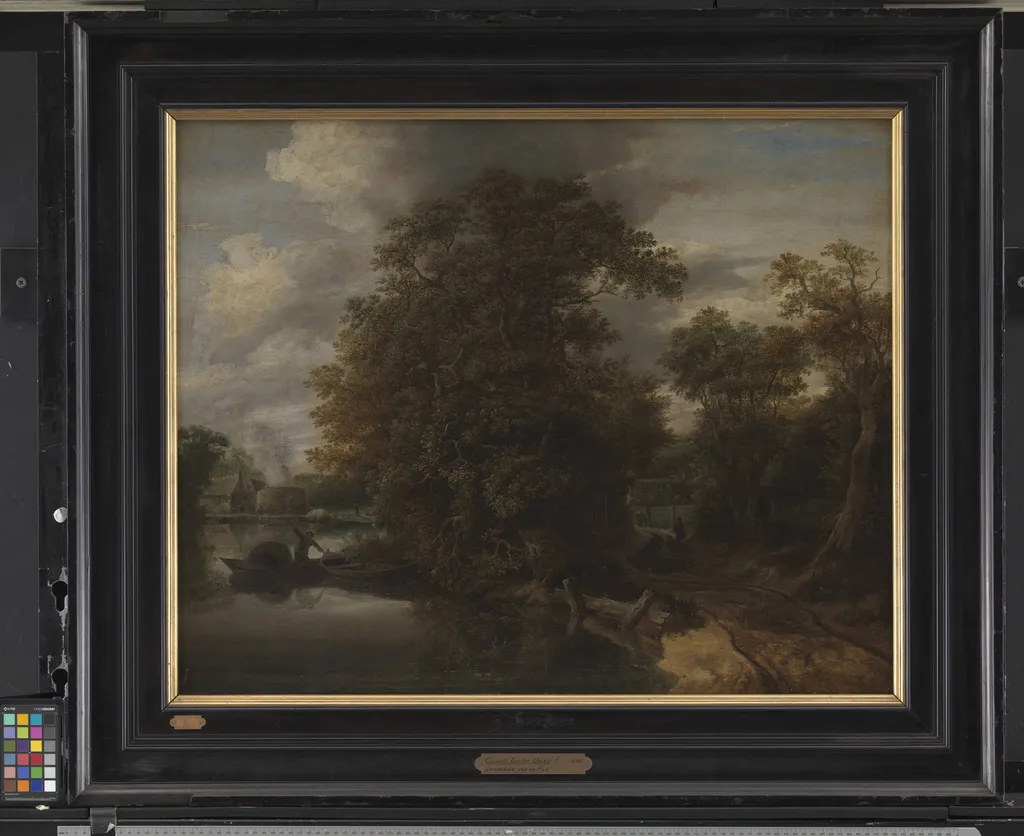
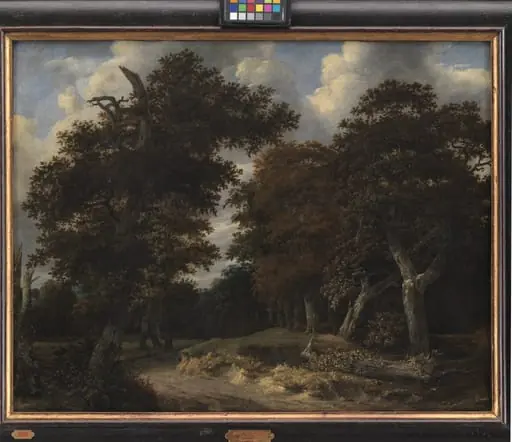
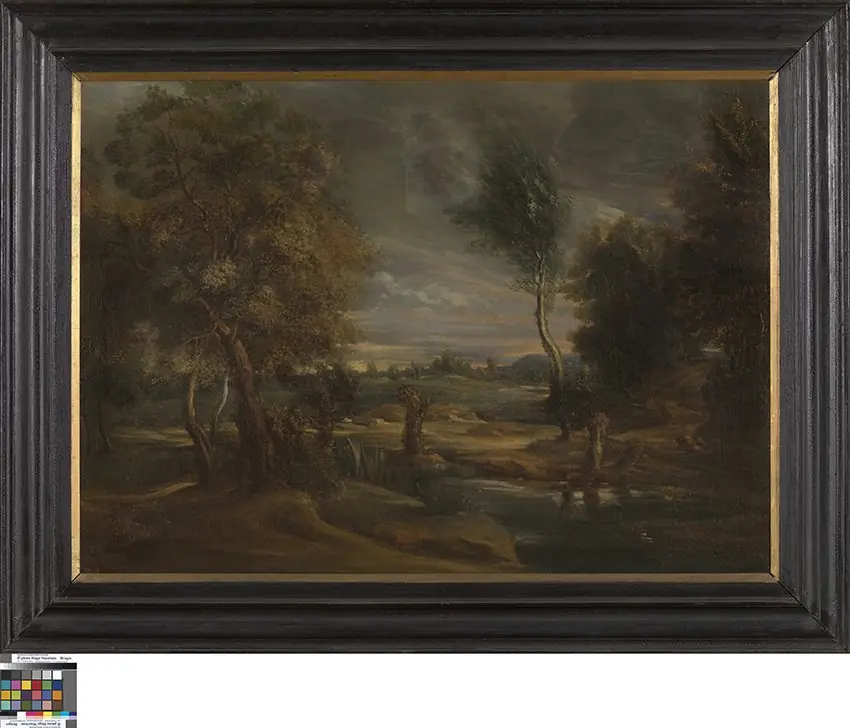
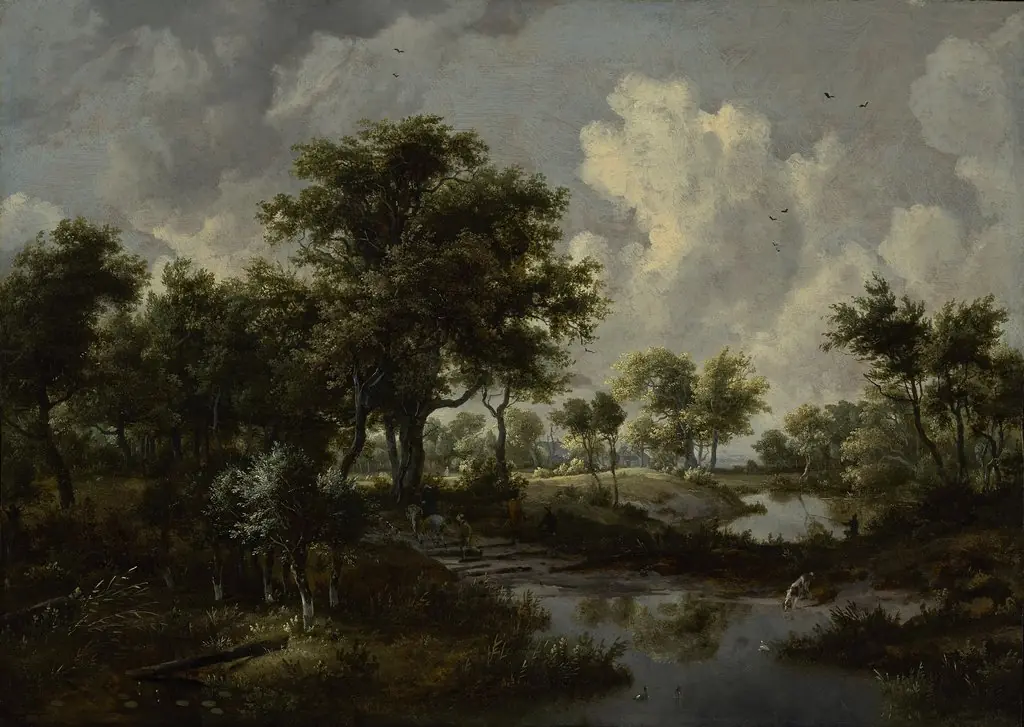
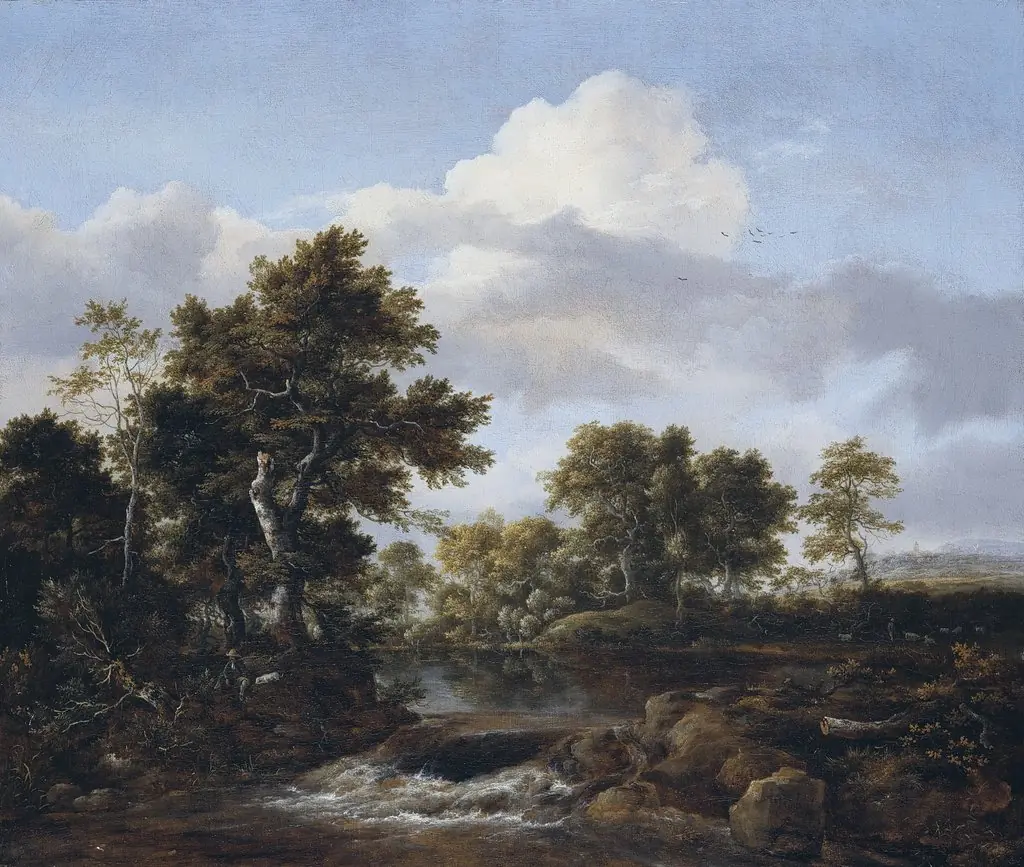
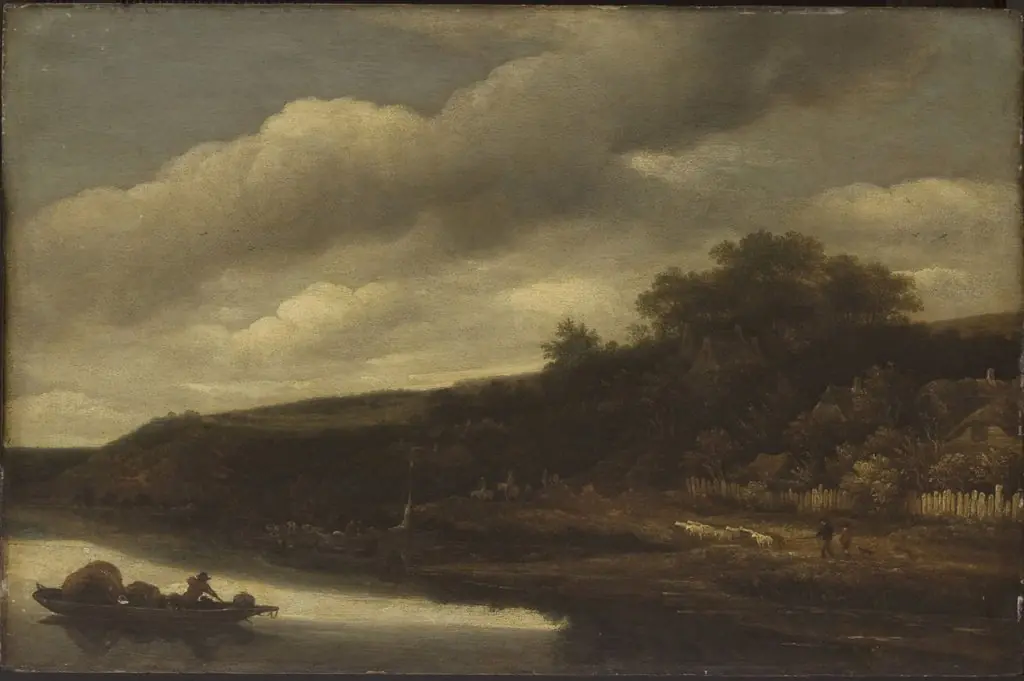
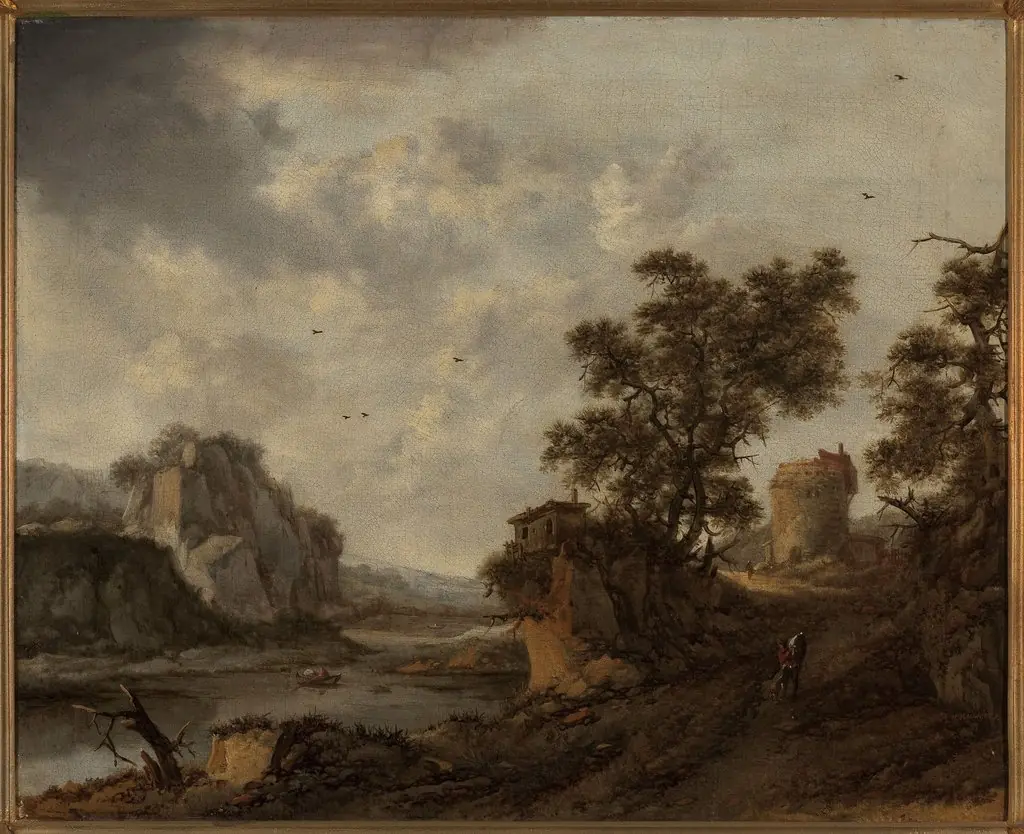
Landscape by a River. In the Background a Limekiln is an unspecified painting by Unknown. It dates from 1650 and is held in the collection of the Statens Museum for Kunst. Painted around 1650, this landscape depicts a quiet riverside scene with a limekiln faintly visible in the distance.
About this work
Overview
Painted around 1650, this landscape depicts a quiet riverside scene with a limekiln faintly visible in the distance.
Painted around 1650, this landscape depicts a quiet riverside scene with a limekiln faintly visible in the distance. The work is attributed to an artist active in the early 17th century, though little is known about their biography. It resides in the Museum of Ethnography, where it is preserved as an example of regional landscape painting from the period, valued for its restrained tone and compositional balance.
Subject & Meaning
The scene centers on a calm river winding through a rural setting, with a limekiln—used for burning limestone to produce quicklime—rising subtly behind it. The structure suggests human industry integrated into nature, not dominating it. Foreground trees frame the view, anchoring the composition while reinforcing a sense of stillness. The absence of figures enhances the meditative quality, inviting quiet observation rather than narrative engagement.
Technique & Style
The artist employs a muted palette of soft grays, greens, and earth tones to evoke atmospheric depth. Light is diffused, casting gentle shadows that model forms without harsh contrast. Brushwork is subdued, favoring smooth transitions over visible strokes. The river acts as a visual conduit, guiding the eye from foreground to background, while the placement of trees creates a balanced, asymmetrical structure typical of Dutch-influenced landscape conventions of the era.
History & Provenance
The painting entered the Museum of Ethnography’s collection in the late 19th or early 20th century, likely as part of a broader acquisition of Northern European works. Its origins prior to this are undocumented, and no early records of ownership or exhibition are known. The attribution to the artist active from 1618 remains tentative, based on stylistic comparison rather than signed documentation.
Context
Created during a period when landscape painting flourished in the Low Countries, this work reflects a shift from idealized vistas to quieter, more observational scenes. Limekilns, though industrial, were common in rural areas and often included as subtle markers of human presence. Unlike grander historical or religious works, this painting belongs to a growing tradition that valued everyday environments and subtle naturalism.
Legacy
Though not widely exhibited or studied, the painting contributes to understanding the diversity of 17th-century landscape practice beyond major artists. Its quietude and technical restraint align it with lesser-known regional painters who prioritized mood over spectacle. As such, it serves as a quiet testament to the period’s broader engagement with the natural world, beyond the celebrated masterpieces of the time.
Artist & collection

 Domestic Scene
 Giacomo and Cardinal Marco, investing Andrea, Abbot of San Zeno, with his Benefice
 The Nymph of Fontainebleau
 Portrait of a Woman
 Madonna and Child with Saints in the Enclosed Garden
 Venus and Minerva
 Family Group of Four on Sofa
 Wall painting from Room H of the Villa of P. Fannius Synistor at Boscoreale