Artwork
Forest landscape
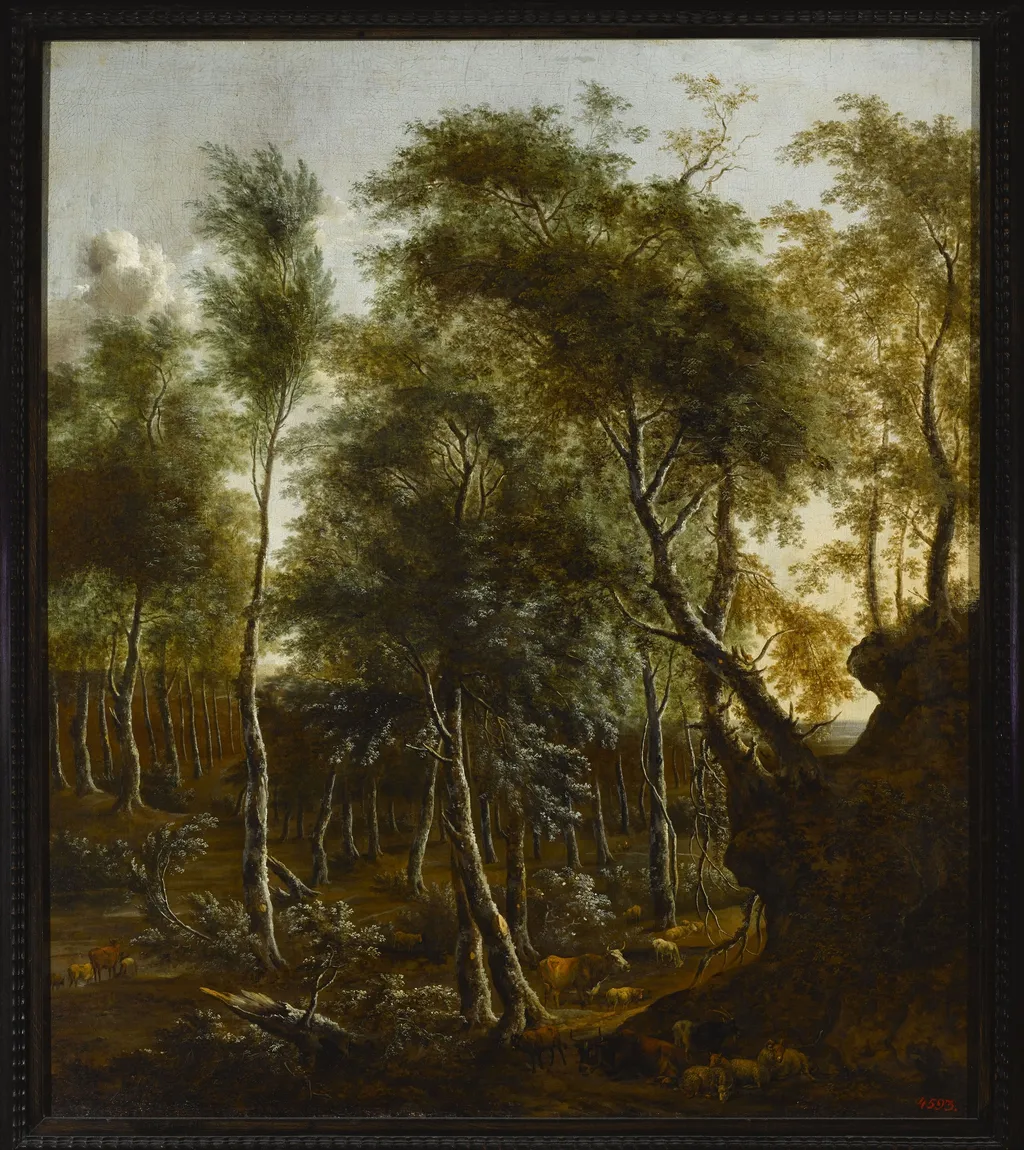
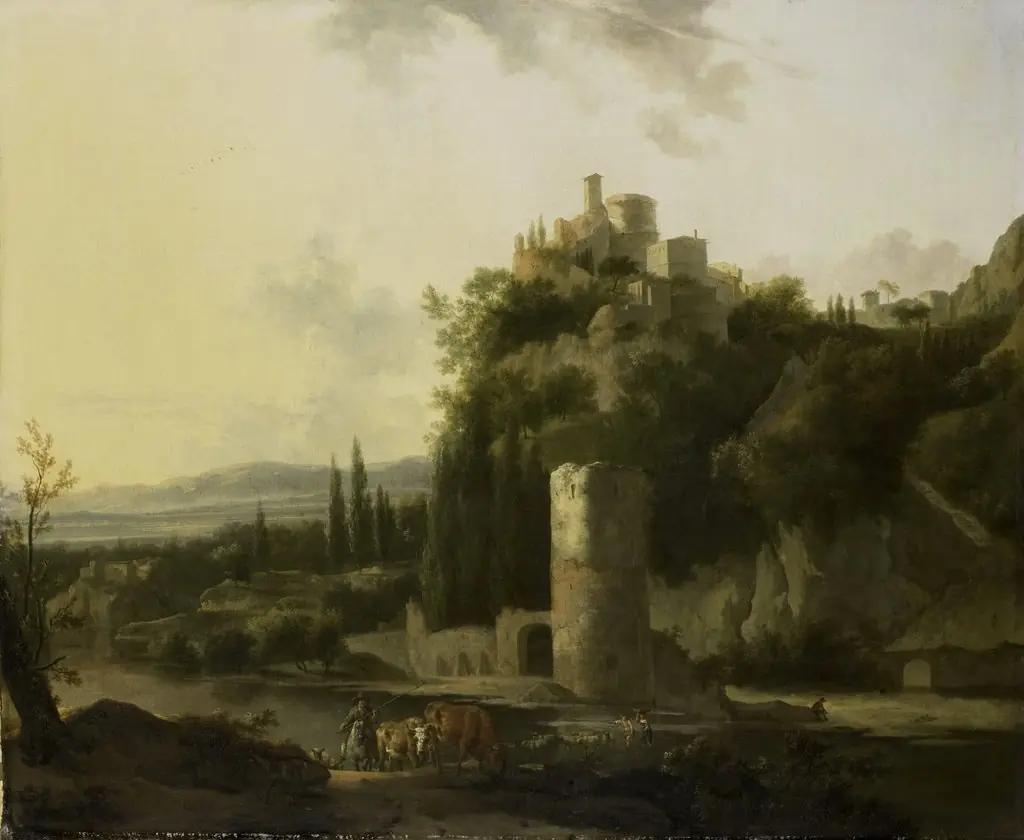
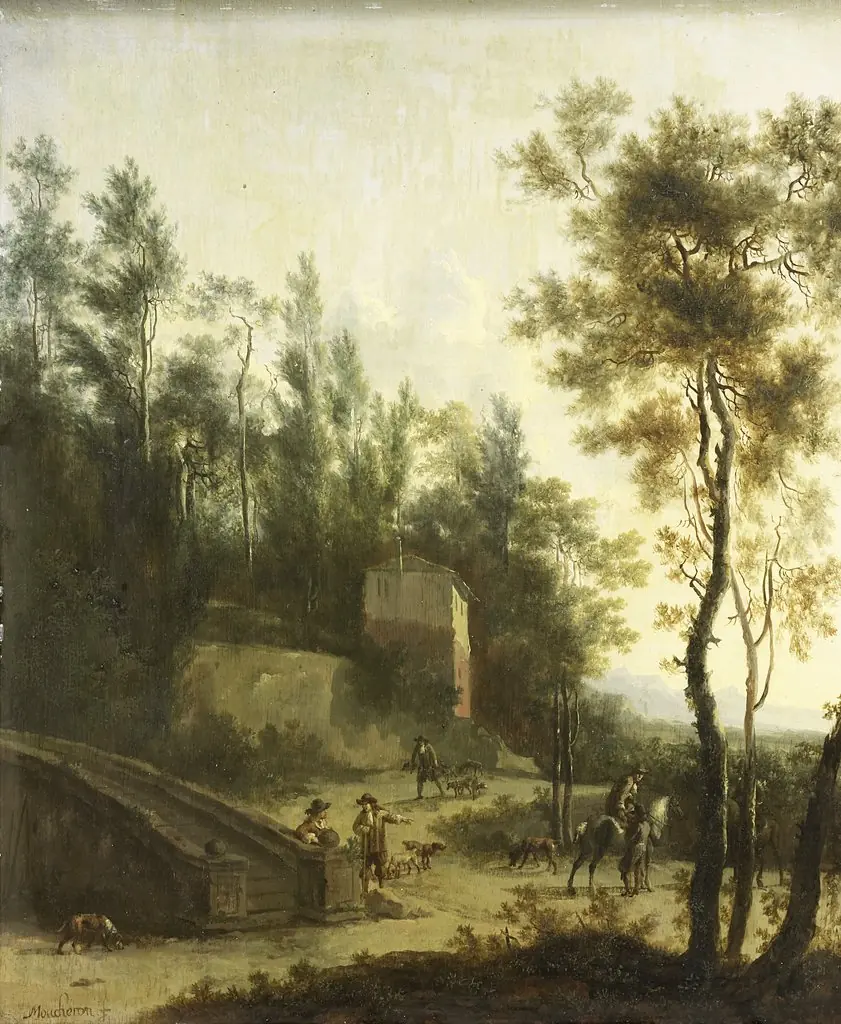
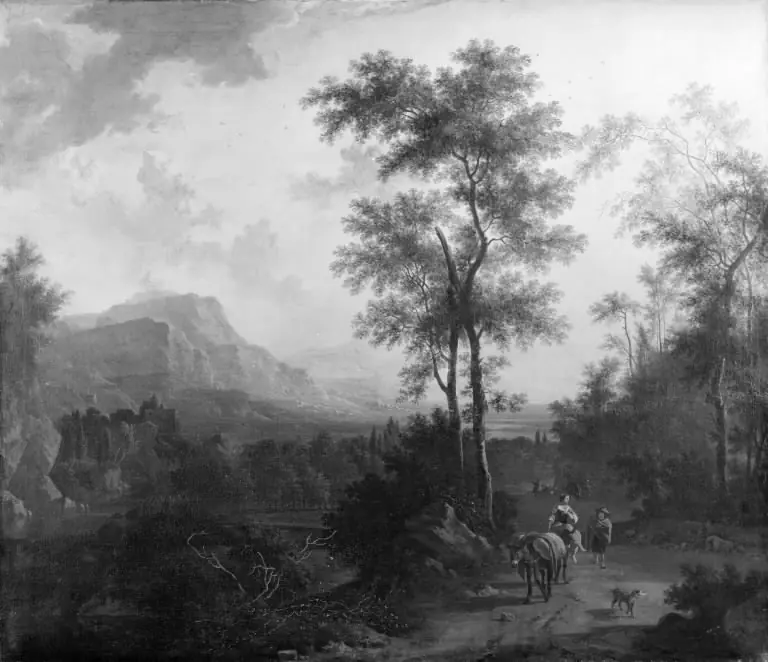
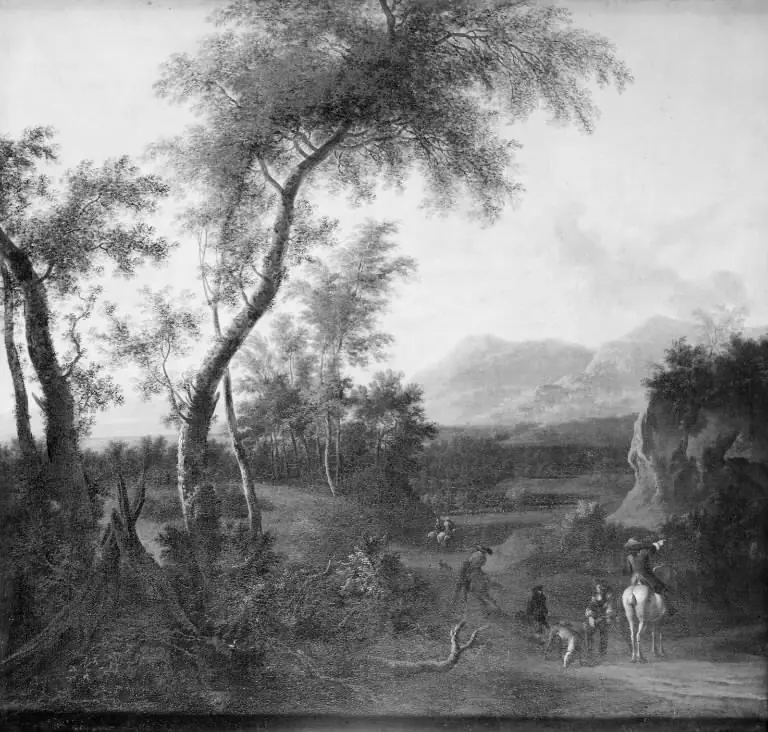
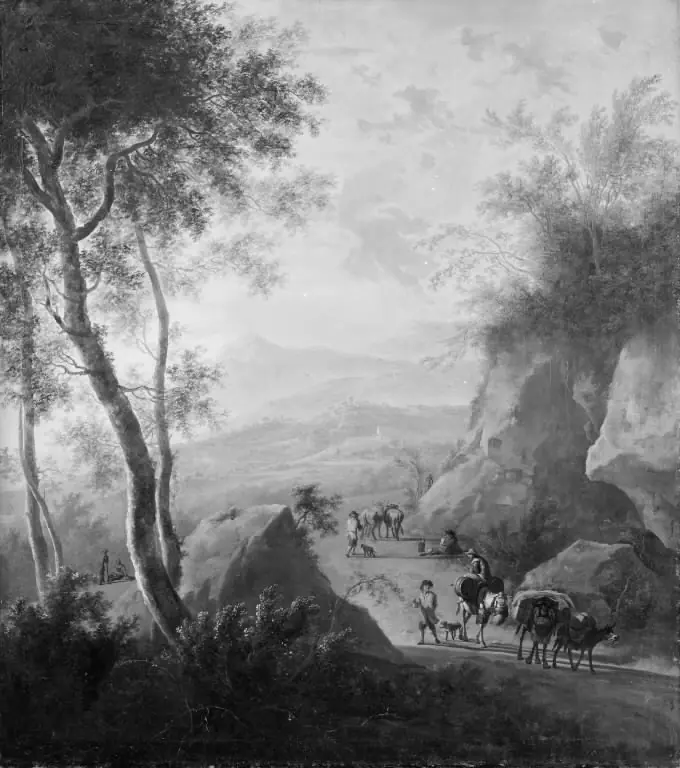
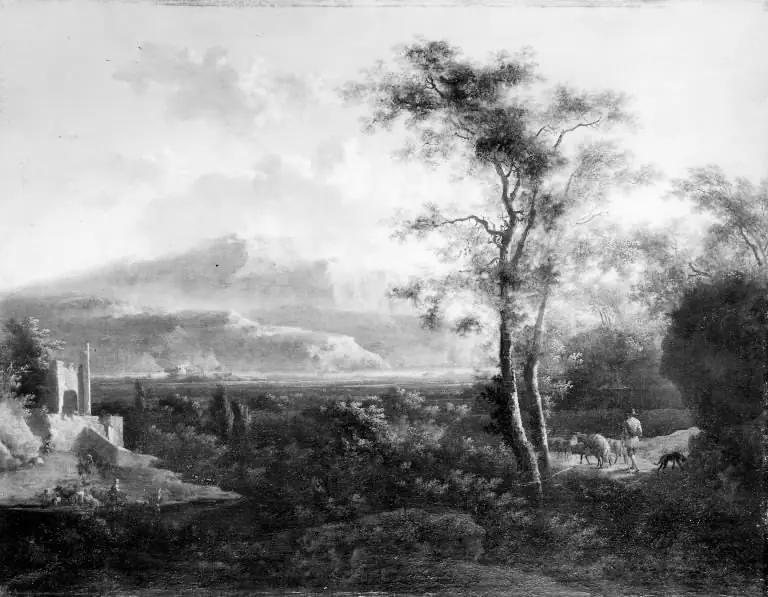
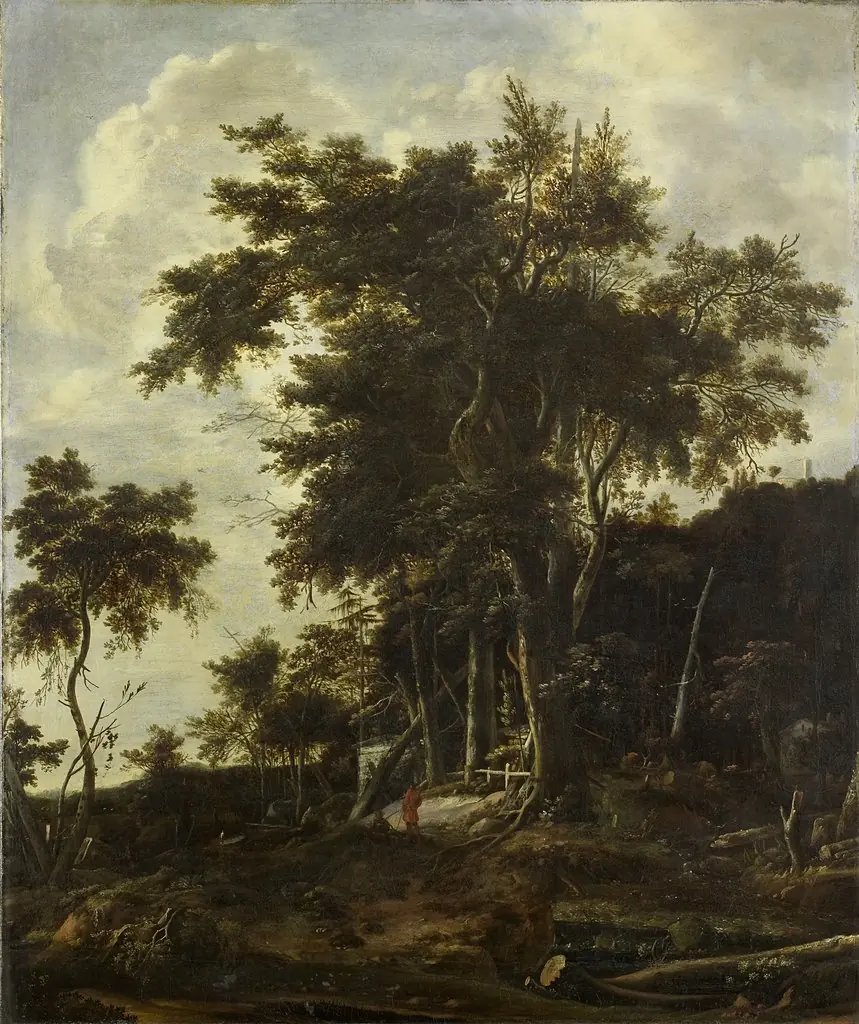
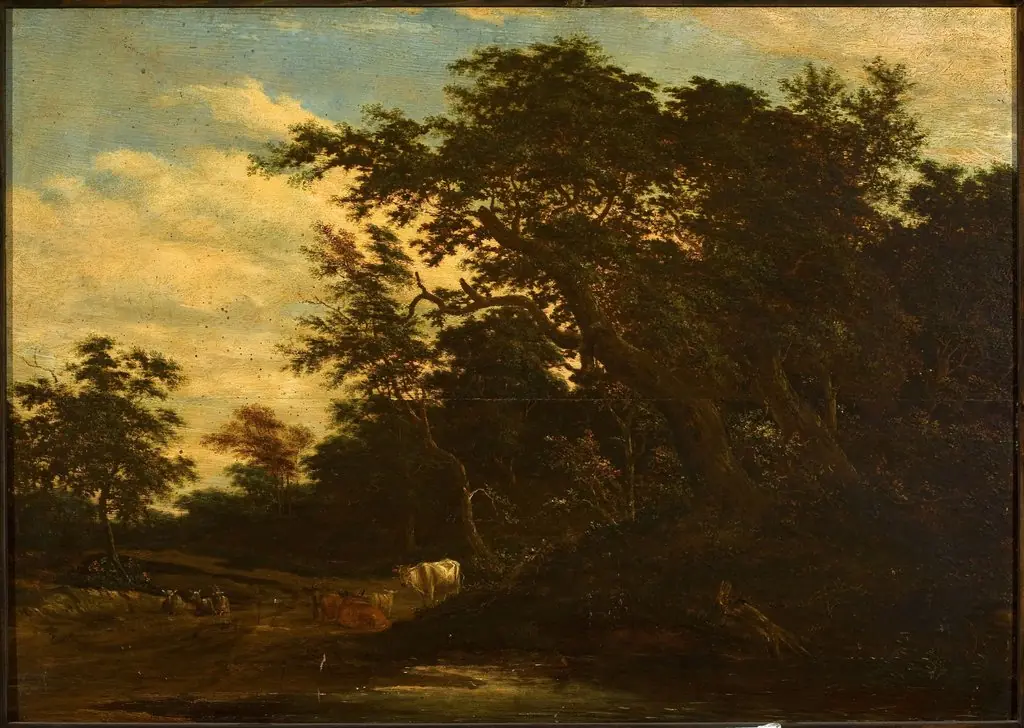
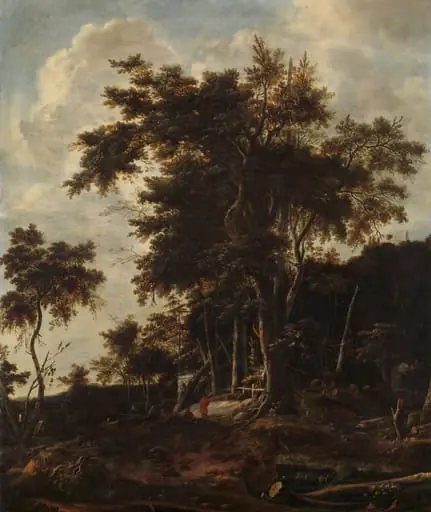
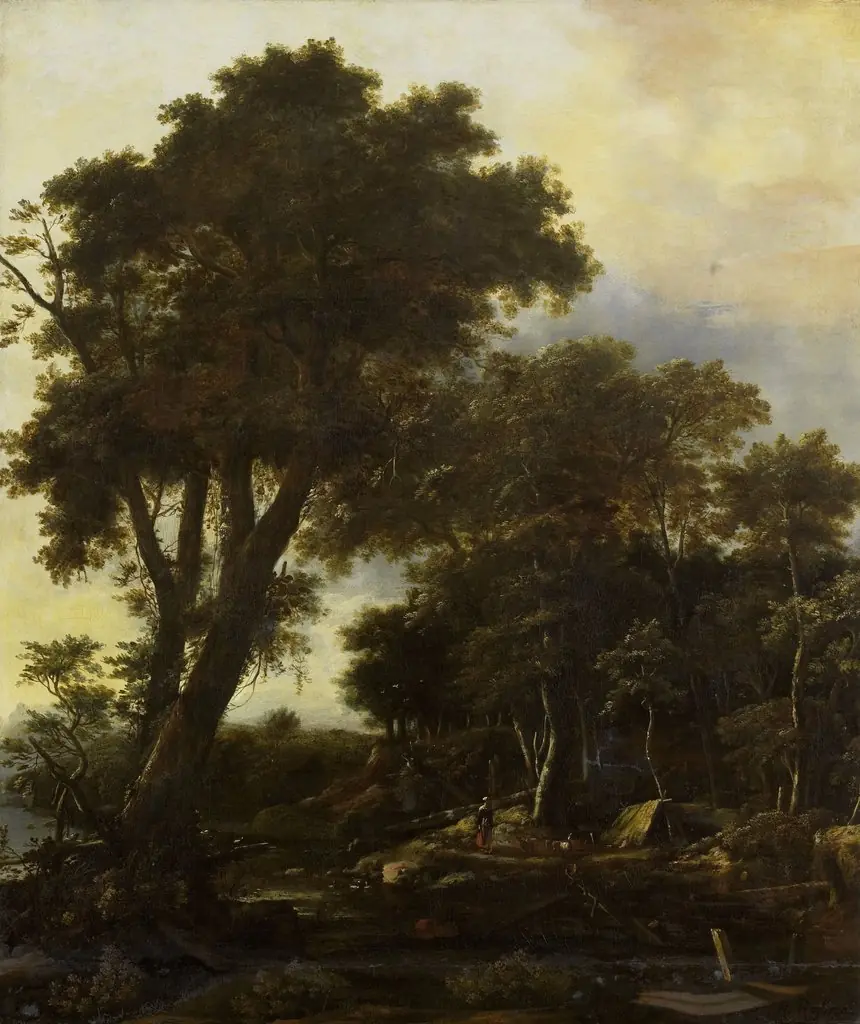
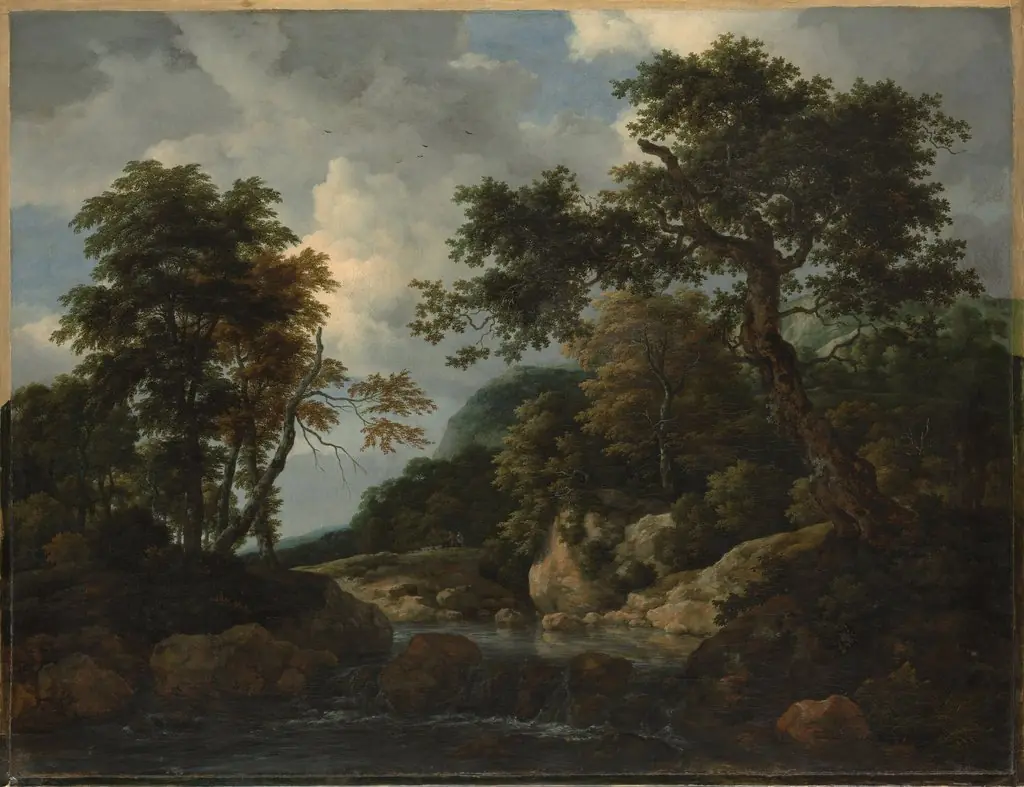
Forest landscape is an oil painting by the Dutch Golden Age artist Frederik de Moucheron. It dates from 1665 and is held in the collection of the National Museum in Warsaw.
About this work
Overview
Though de Moucheron typically painted the scenery, figures were often added by collaborators, a common practice among Dutch landscape specialists of the time.
Painted in 1665, this oil-on-canvas landscape is attributed to Frederik de Moucheron, a Dutch artist active during the Golden Age. Characterized by its quiet, wooded setting and subtle atmospheric depth, the work reflects the period’s fascination with natural harmony. Though de Moucheron typically painted the scenery, figures were often added by collaborators, a common practice among Dutch landscape specialists of the time.
Subject & Meaning
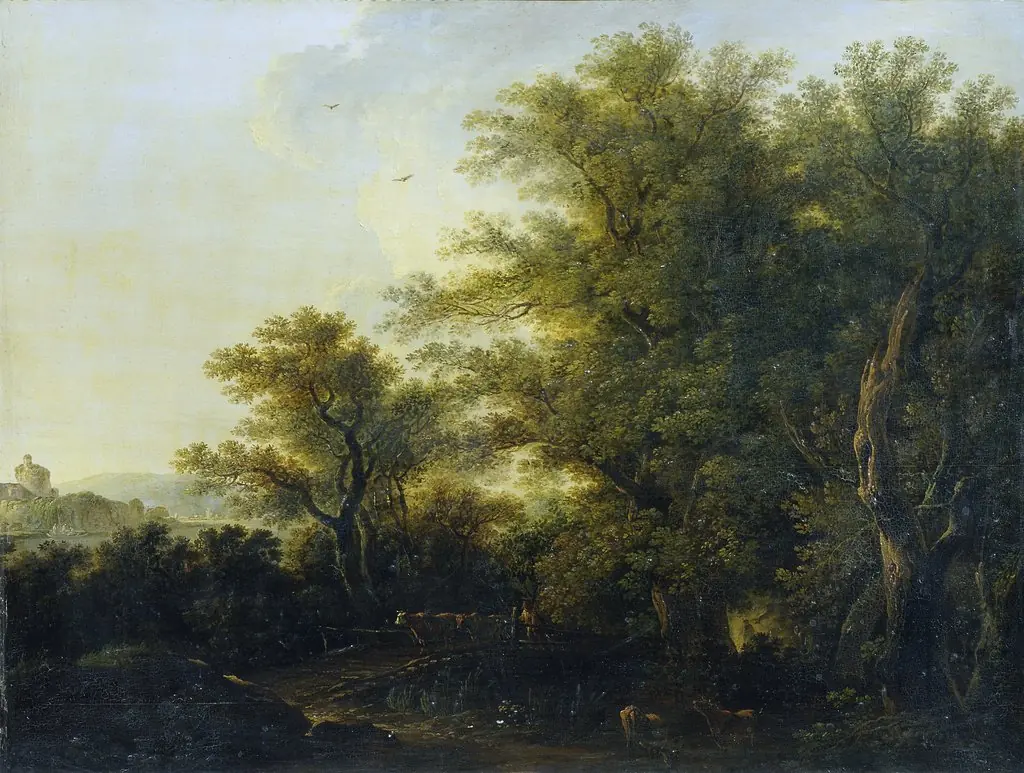
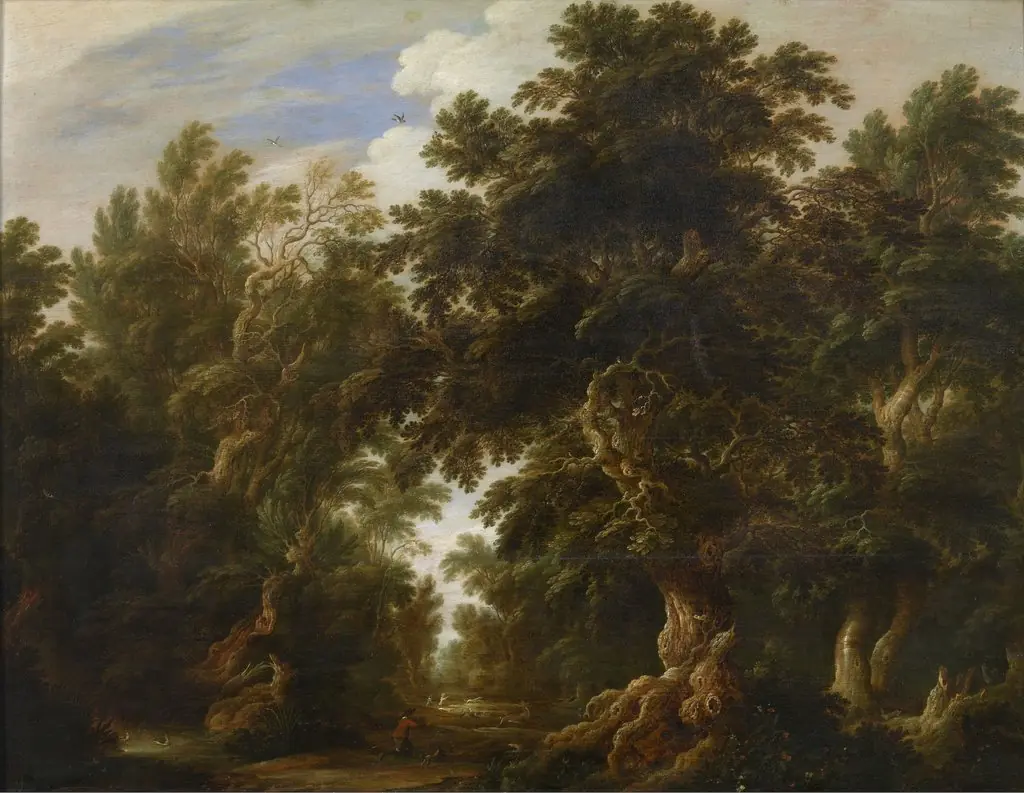
The scene presents an undisturbed forest, dominated by a prominent tree in the foreground and receding foliage that leads the eye toward a distant body of water. No human or animal figures are visible, emphasizing solitude and the quiet rhythm of nature. The composition suggests an idealized, contemplative landscape—more a poetic vision than a specific location—aligned with the Dutch Golden Age’s preference for serene, ordered nature.
Technique & Style
De Moucheron employed layered oil glazes to achieve nuanced tonal shifts in the foliage, using variations of green to suggest depth and light. The brushwork is precise yet fluid, capturing the suggestion of movement in the leaves without overt detail. The background water is rendered with soft, muted hues, enhancing spatial recession. This method reflects Italianate influences, adapted to Dutch sensibilities of realism and atmospheric clarity.
History & Provenance
The painting entered the collection of the National Museum in Warsaw, though its earlier ownership history remains undocumented. It was likely acquired during the 19th or early 20th century as part of broader European efforts to assemble representative Dutch Golden Age works. Its presence in Poland underscores the international circulation of Dutch art beyond its origins.
Context
During the mid-17th century, Dutch landscape painting flourished as a distinct genre, valued for its technical precision and emotional restraint. Artists like de Moucheron specialized in idealized natural settings, often blending local topography with Italianate compositional principles. His collaborations with figure painters highlight the division of labor common in studio practices, where specialists contributed to a unified whole.
Legacy
De Moucheron’s work, though less widely known than contemporaries like Ruisdael, contributed to the codification of the Dutch landscape tradition. His emphasis on atmospheric depth and naturalistic detail influenced later generations of landscape painters. This painting remains a quiet example of how Dutch artists transformed ordinary woodland scenes into enduring meditations on nature’s stillness.
Artist & collection
Artist
Frederik de Moucheron (1633 – 5 January 1686) was a Dutch Golden Age landscape painter and draughtsman. He mainly produced (Italianate) landscapes that were furnished with human and animal figures by various colleagues.