Artwork
Conversation outside a Palace
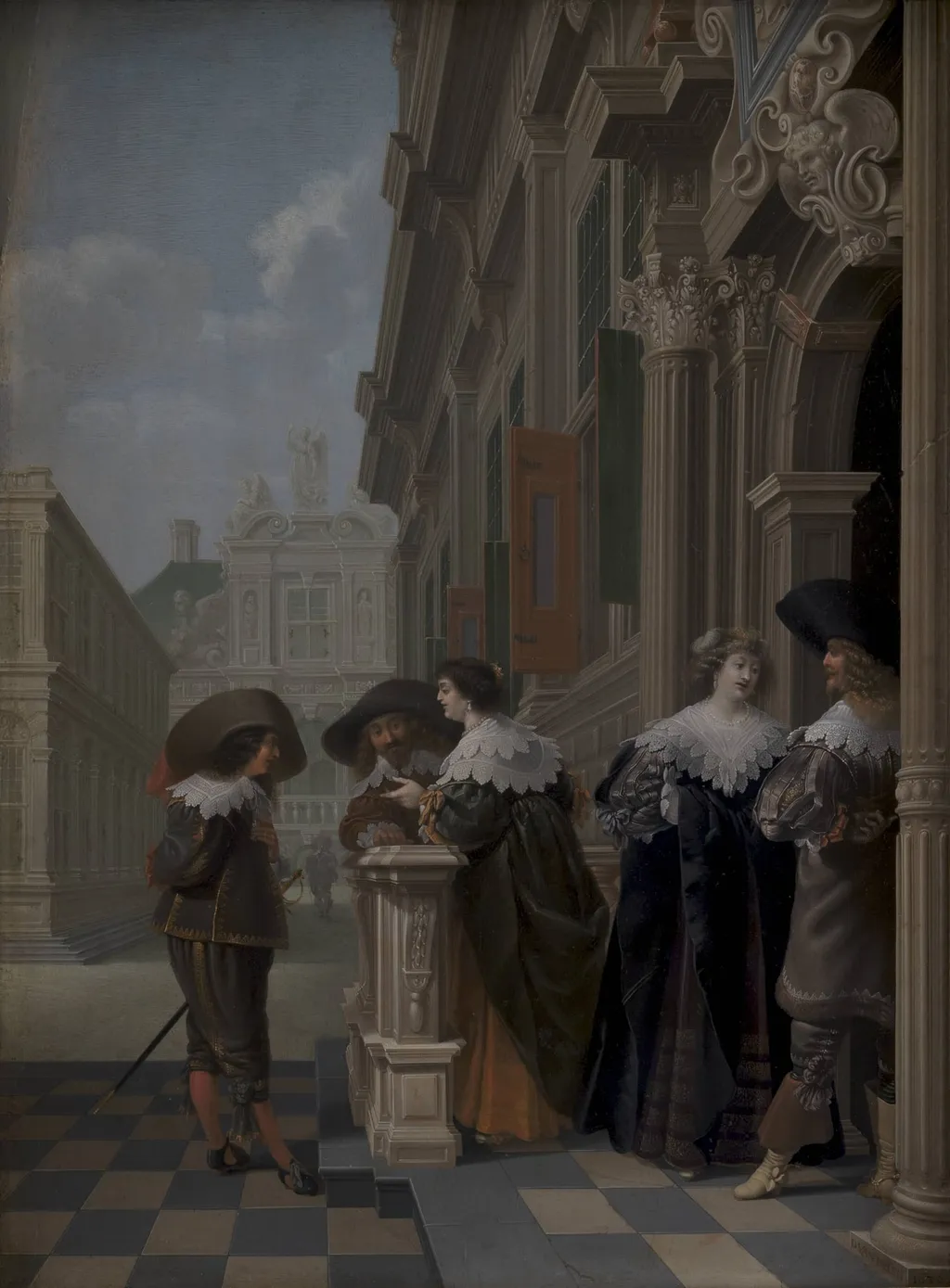
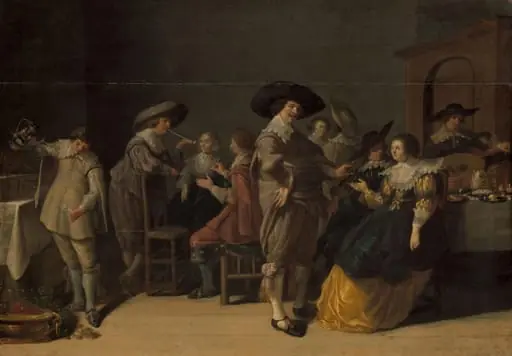
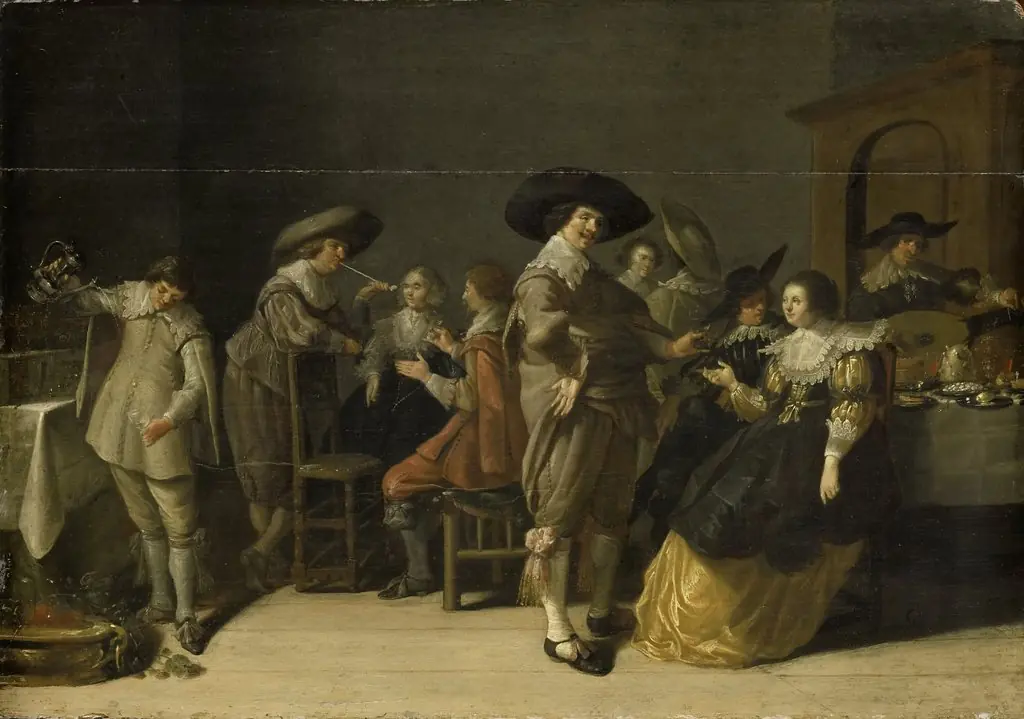
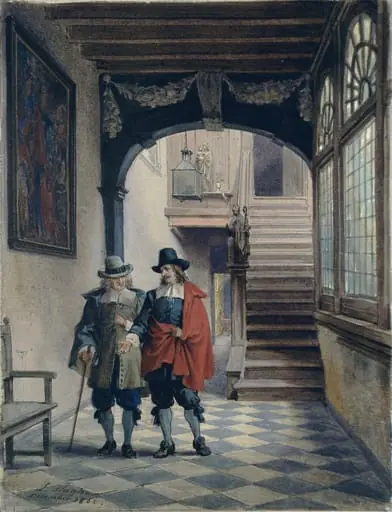
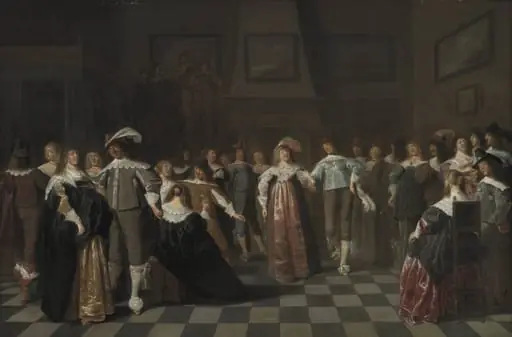
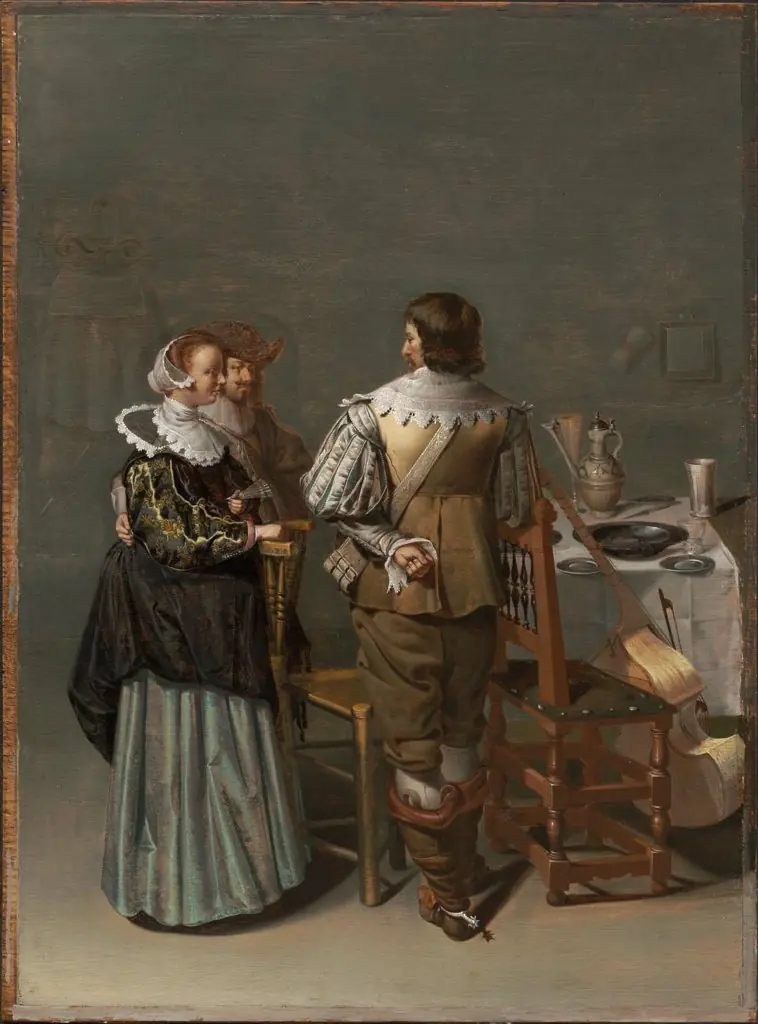
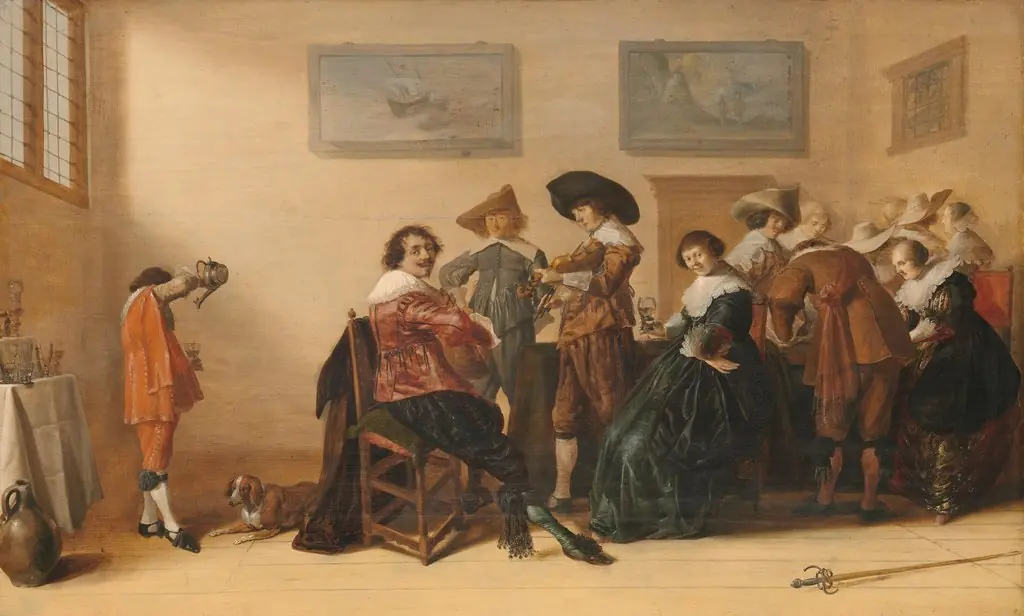
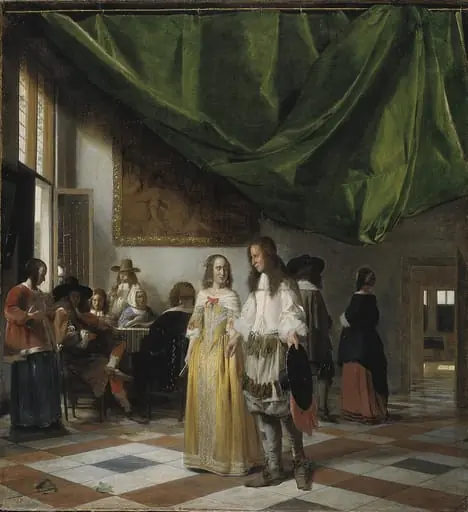
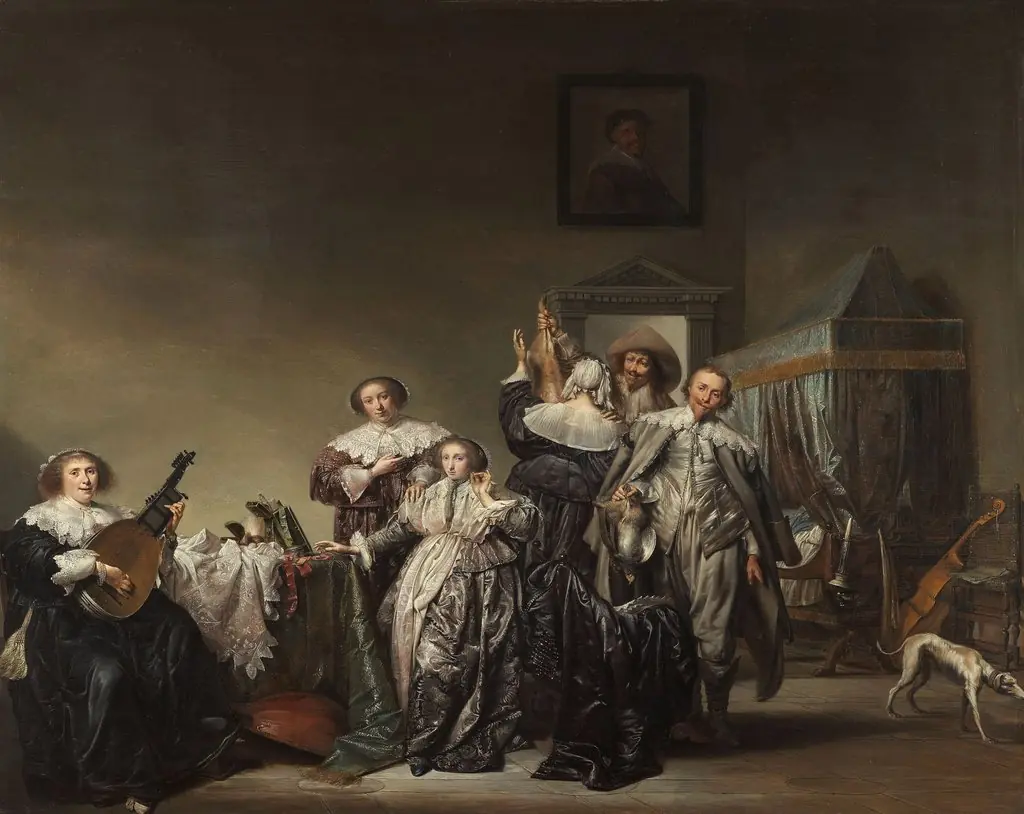
Conversation outside a Palace is a photography by the Baroque artist Unknown. It dates from 1636 and is held in the collection of the Statens Museum for Kunst. Painted in 1636, this work depicts a quiet group of five figures gathered in a formal courtyard.
About this work
Overview
Attributed to an artist active around 1620, the scene captures a moment of restrained interaction amid architectural grandeur.
Painted in 1636, this work depicts a quiet group of five figures gathered in a formal courtyard. Attributed to an artist active around 1620, the scene captures a moment of restrained interaction amid architectural grandeur. The painting is part of the Museum of Ethnography’s collection, where it is preserved as an example of early 17th-century portraiture set within a structured, possibly aristocratic environment.
Subject & Meaning
The figures—three men and two women—are dressed in attire suggesting European nobility or high-status courtiers. Their postures suggest a deliberate, subdued exchange rather than lively discourse. The presence of a man leaning on a pedestal implies a pause in conversation, perhaps reflecting social ritual or the formality of courtly life. The setting reinforces themes of hierarchy and decorum, common in elite visual culture of the period.
Technique & Style
The artist employs chiaroscuro to model the figures with subtle gradations of light and shadow, lending volume to fabric and skin. Details like lace collars, gold trim, and the texture of silk dresses are rendered with precision. The soft blue sky and minimal cloud cover provide a calm backdrop, directing focus to the figures. The composition is balanced, with architectural elements framing the group and enhancing spatial depth.
History & Provenance
The painting entered the Museum of Ethnography’s holdings in the late 19th or early 20th century, likely through a private collection or institutional acquisition. Its origins before that are undocumented, though its style aligns with Northern European court painting traditions. No records of its commission or original owner have been verified, leaving its early history partially obscured.
Context
Created during a period when European courts emphasized visual displays of power and refinement, the painting reflects the importance of dress, posture, and architecture in signaling social status. Similar scenes appear in Dutch and Flemish art of the era, though this work’s specific location and cultural setting remain ambiguous. The architectural style suggests a southern European or colonial palace, but no definitive identification has been made.
Legacy
Though not widely reproduced or studied, the painting serves as a quiet testament to the visual language of early modern elite interaction. Its careful rendering of light and costume offers insight into how identity and class were communicated through appearance. It remains a reference point for understanding the intersection of portraiture and environment in non-royal courtly settings.
Artist & collection

 Domestic Scene
 Giacomo and Cardinal Marco, investing Andrea, Abbot of San Zeno, with his Benefice
 The Nymph of Fontainebleau
 Portrait of a Woman
 Madonna and Child with Saints in the Enclosed Garden
 Venus and Minerva
 Family Group of Four on Sofa
 Wall painting from Room H of the Villa of P. Fannius Synistor at Boscoreale