Artwork
Distinguished Company in a Room
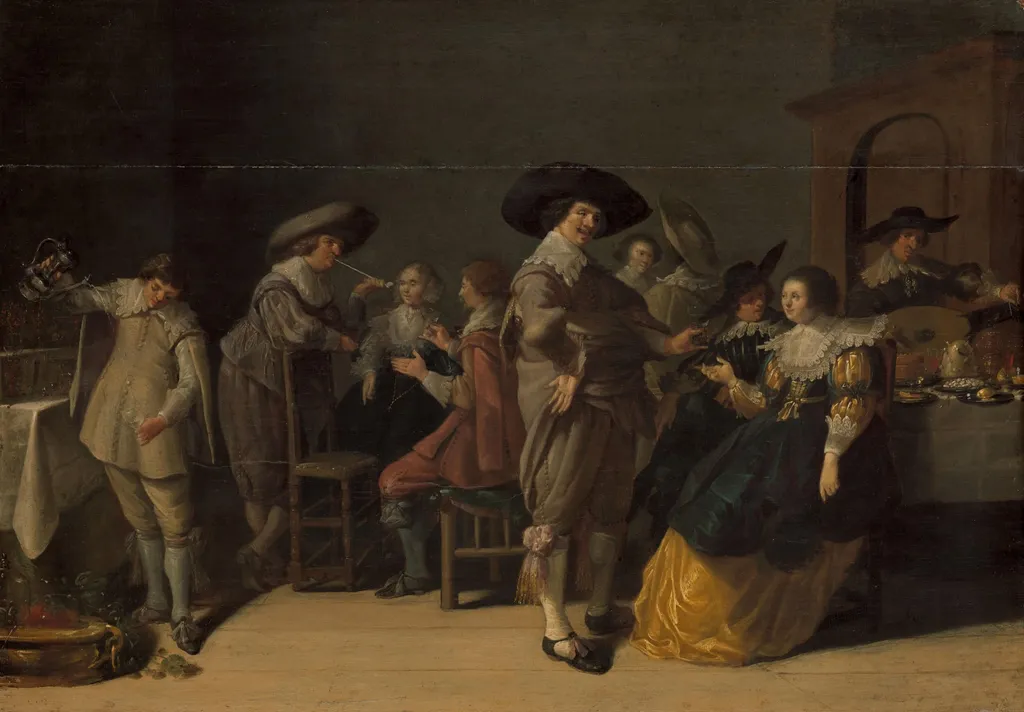
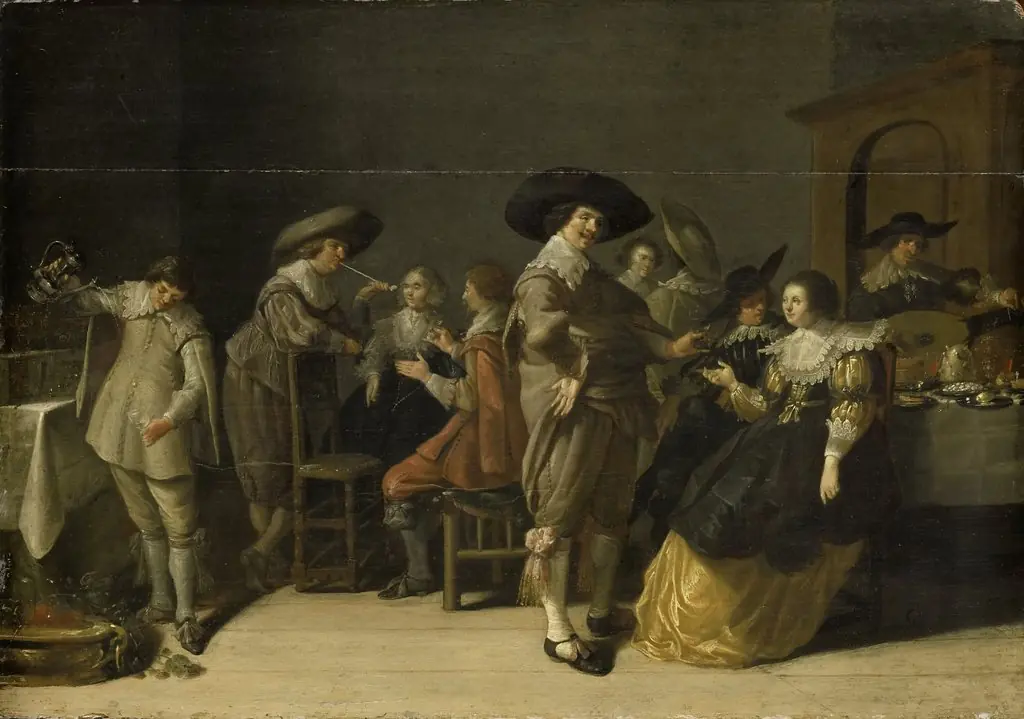
Distinguished Company in a Room is an unspecified painting by the Dutch Golden Age artist Unknown. It dates from 1630 and is held in the collection of the Rijksmuseum. This interior scene depicts a group of well-dressed individuals gathered for a meal, capturing a quiet moment of social interaction.
About this work
Overview
This interior scene depicts a group of well-dressed individuals gathered for a meal, capturing a quiet moment of social interaction. The composition centers on a fully set table, with figures engaged in the ordinary acts of serving and receiving wine. No theatrical gestures dominate; instead, the atmosphere is intimate and unforced, suggesting a private gathering rather than a formal event.
Subject & Meaning
The painting portrays a domestic moment of conviviality among the upper classes, emphasizing social ritual over narrative drama. The exchange of wine, the presence of a servant, and the arranged table all signal status and etiquette. The absence of overt symbolism points to a celebration of everyday refinement, where the value lies in the quiet harmony of shared space and routine.
Technique & Style
The composition is balanced yet informal, guiding the eye along the flow of service and conversation without artificial symmetry.
Brushwork is restrained and observational, with attention to texture in fabrics, glass, and tableware. Faces are rendered with subtle detail, avoiding idealization—individual expressions feel candid, not staged. Light falls naturally across the room, enhancing the sense of realism. The composition is balanced yet informal, guiding the eye along the flow of service and conversation without artificial symmetry.
History & Provenance
The painting originates from the Dutch Golden Age, likely created in the mid-17th century by an artist associated with genre scenes. It entered public collections in the 19th century and is now held in the Rijksmuseum. Its survival in good condition reflects its enduring appeal as an example of domestic life in early modern Netherlands.
Context
During the 17th century, Dutch artists increasingly turned to scenes of domestic interiors as symbols of civic pride and moral order. Wealthy households commissioned such works to reflect their social standing and cultivated leisure. This painting aligns with a broader trend of depicting private life with honesty, contrasting with the grandeur of religious or mythological subjects common elsewhere in Europe.
Legacy
The work contributes to a tradition of Dutch genre painting that valued quiet observation over dramatic storytelling. Its unembellished portrayal of social interaction influenced later artists interested in everyday life. Today, it remains a reference point for understanding how material culture and interpersonal dynamics were visually documented in early modern Europe.
Artist & collection

 Domestic Scene
 Giacomo and Cardinal Marco, investing Andrea, Abbot of San Zeno, with his Benefice
 The Nymph of Fontainebleau
 Portrait of a Woman
 Madonna and Child with Saints in the Enclosed Garden
 Venus and Minerva
 Family Group of Four on Sofa
 Wall painting from Room H of the Villa of P. Fannius Synistor at Boscoreale
 A Ball
 Merry company in a room
 Gallant Company
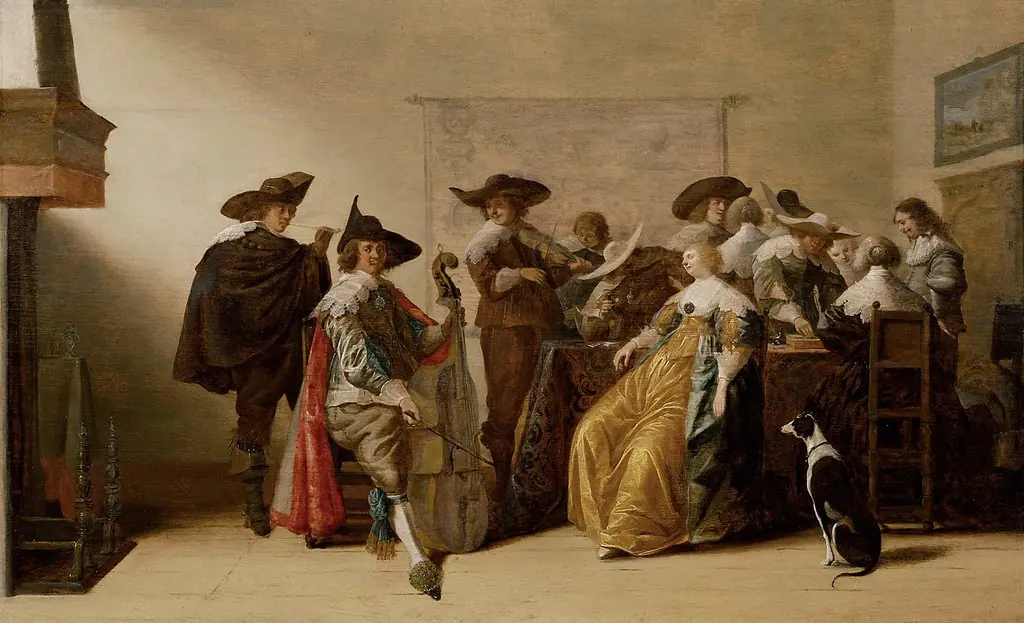 Gesellschaftsszene
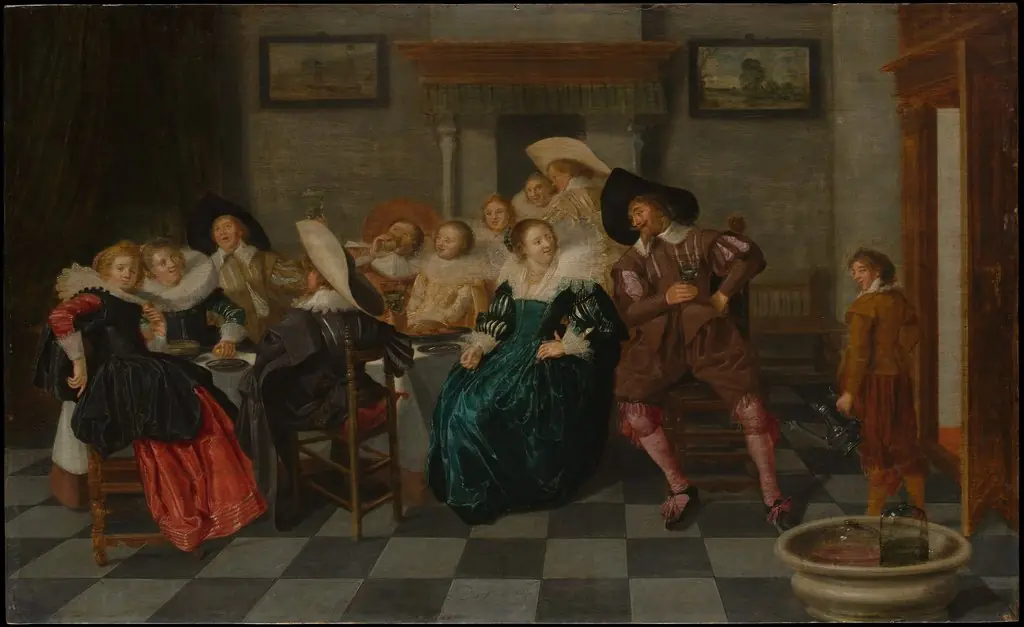 A Banquet
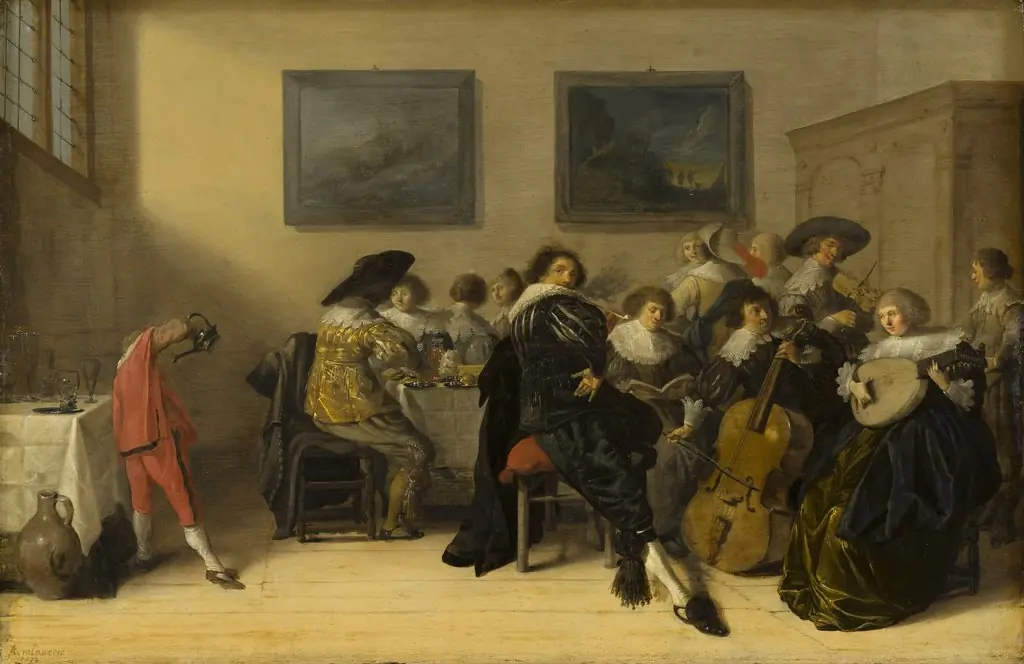 Merry Company Dining and Making Music
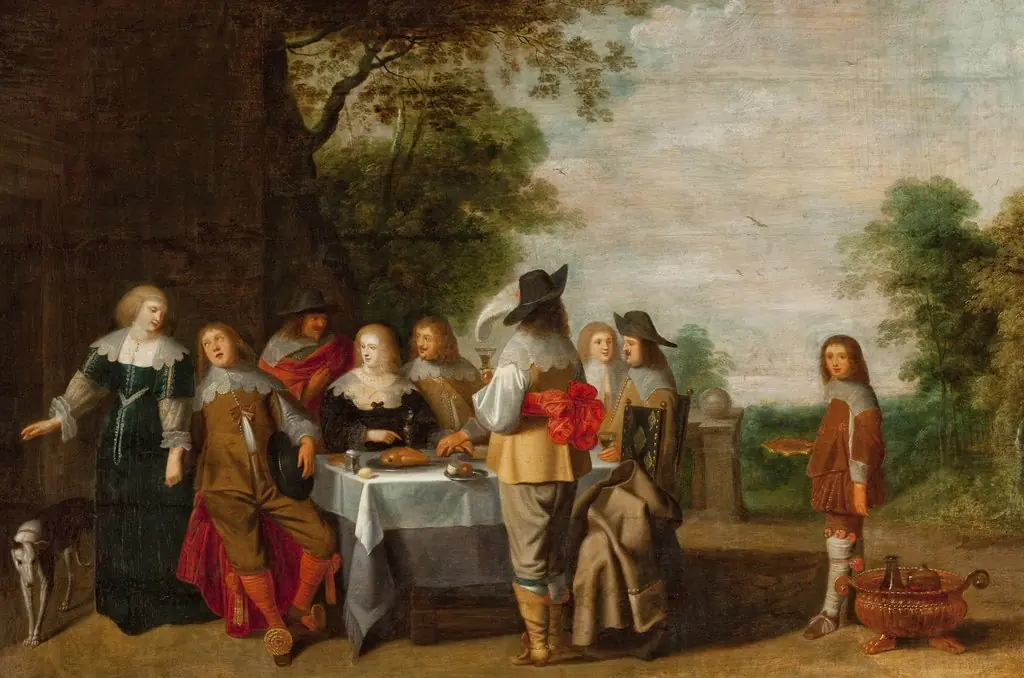 Company at the Table in a Park
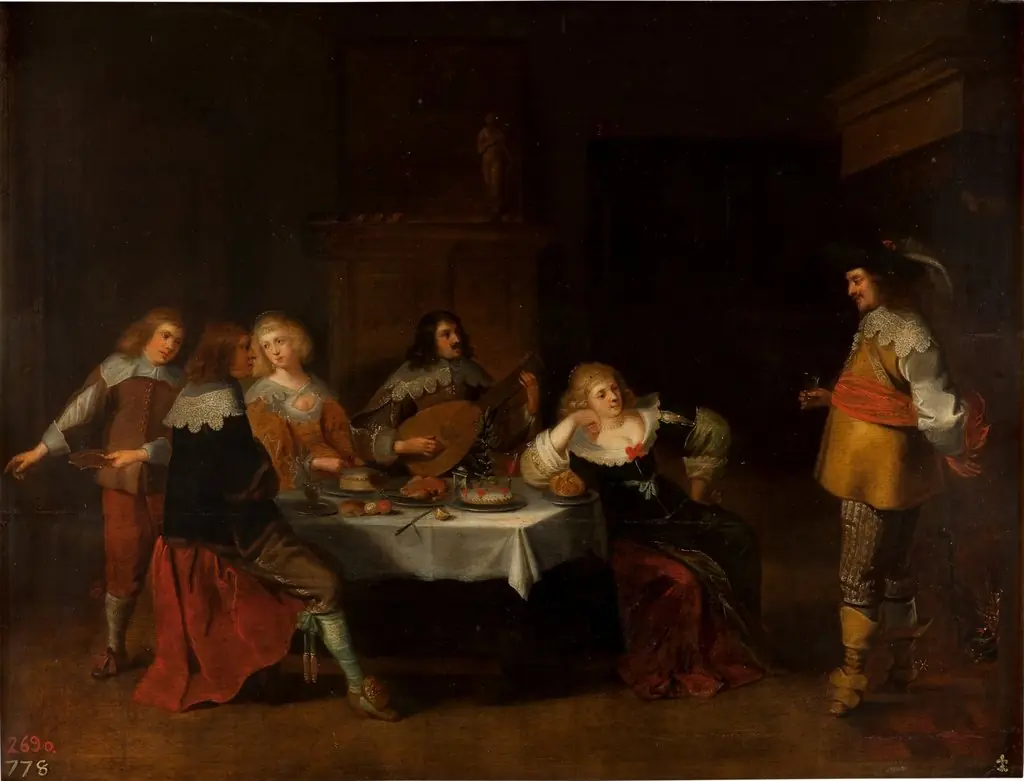 Elegant company in an interior oder Banquet of courtesans and soldiers
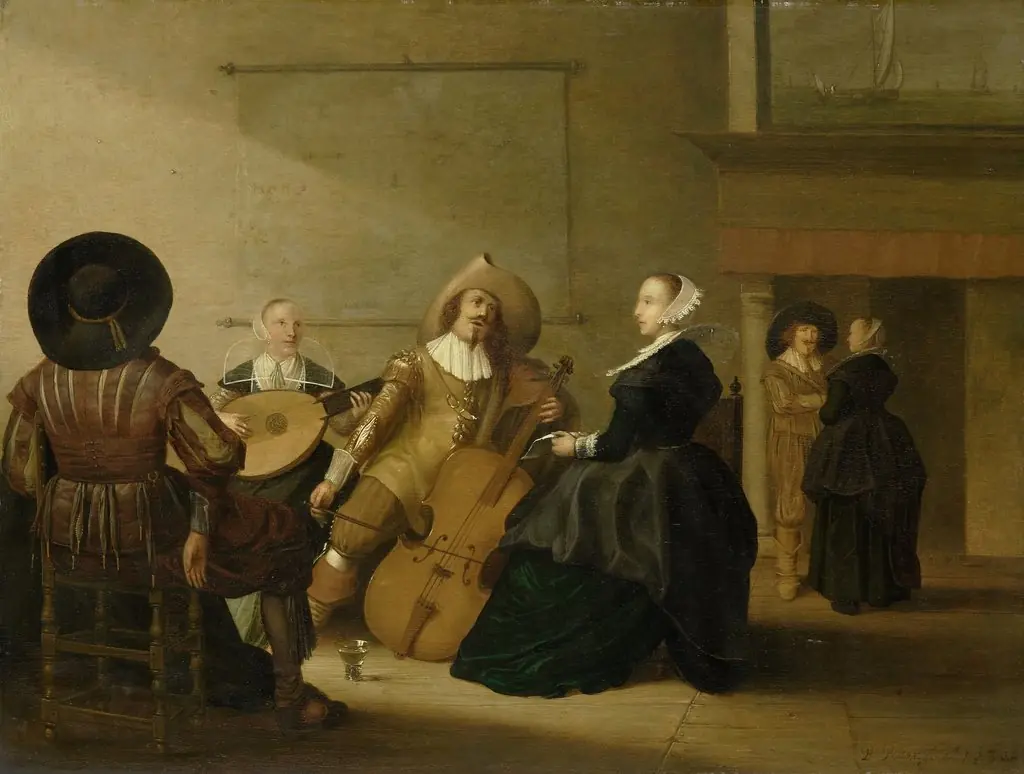 A musical company in an interior
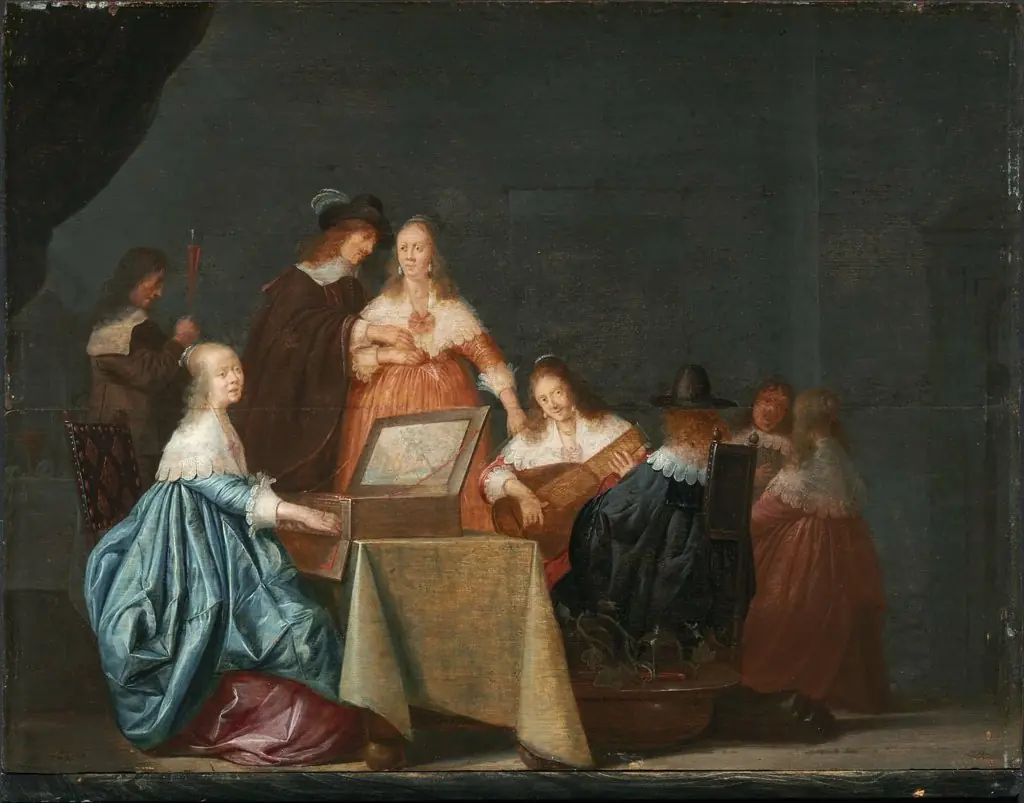 Musical Party
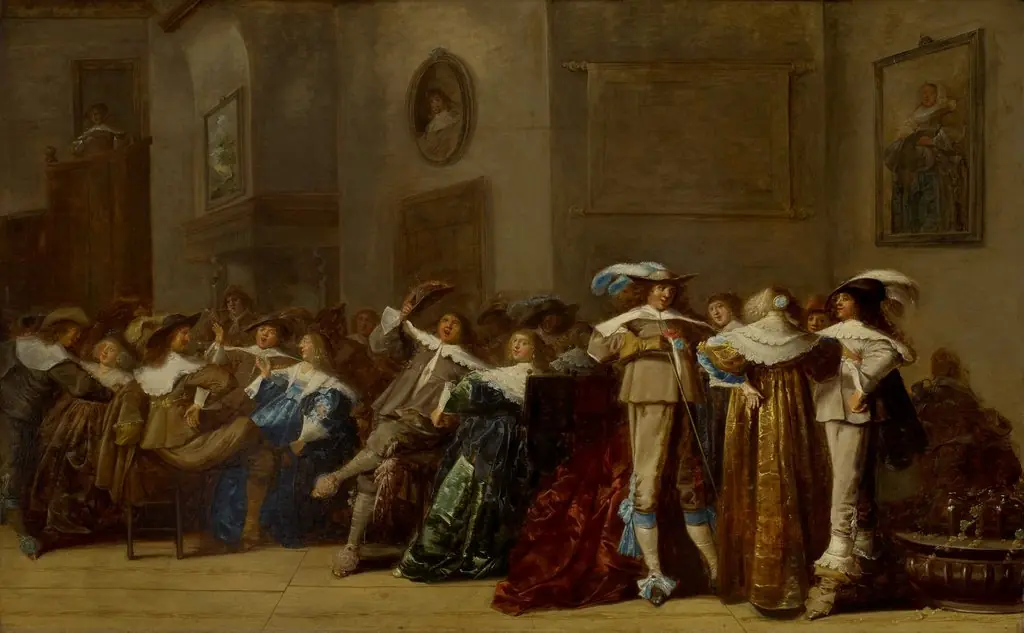 The Merry Company
 Distinguished company in a room