Artwork
Monk
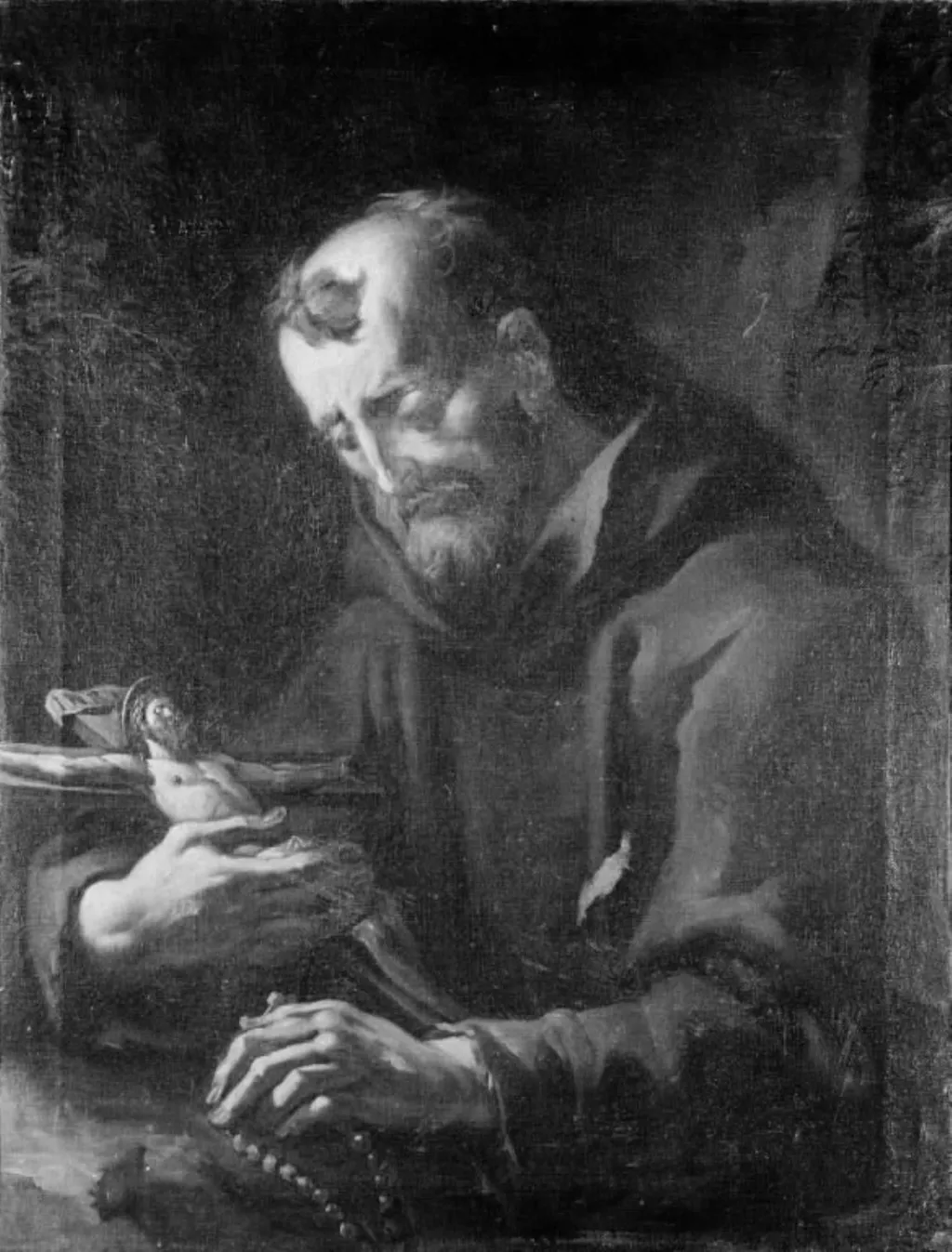
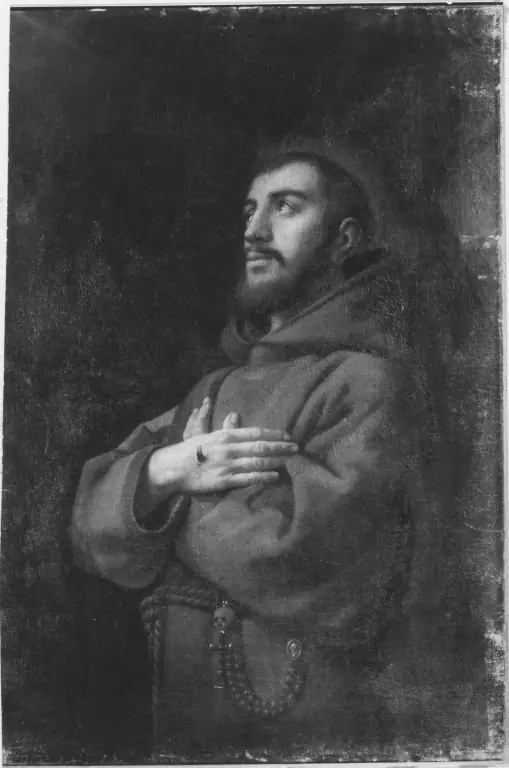
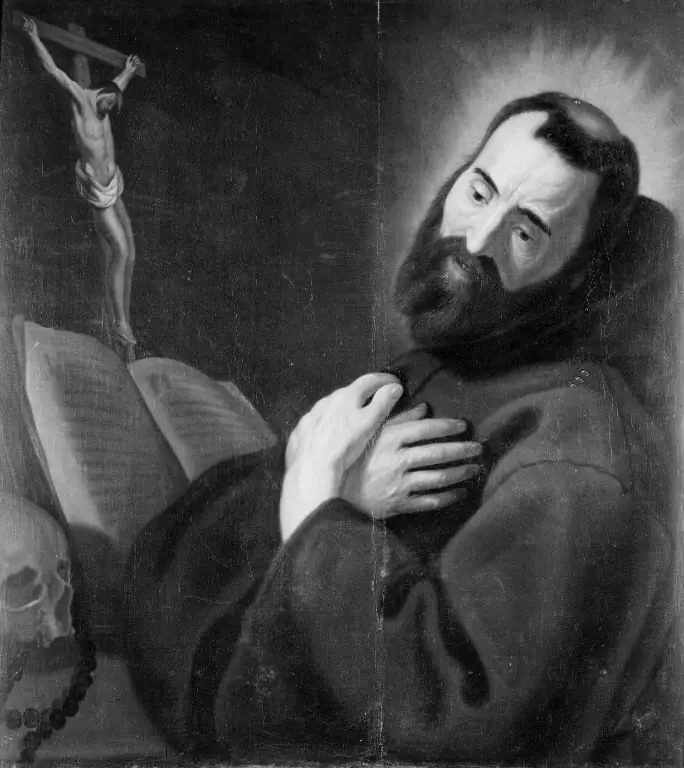
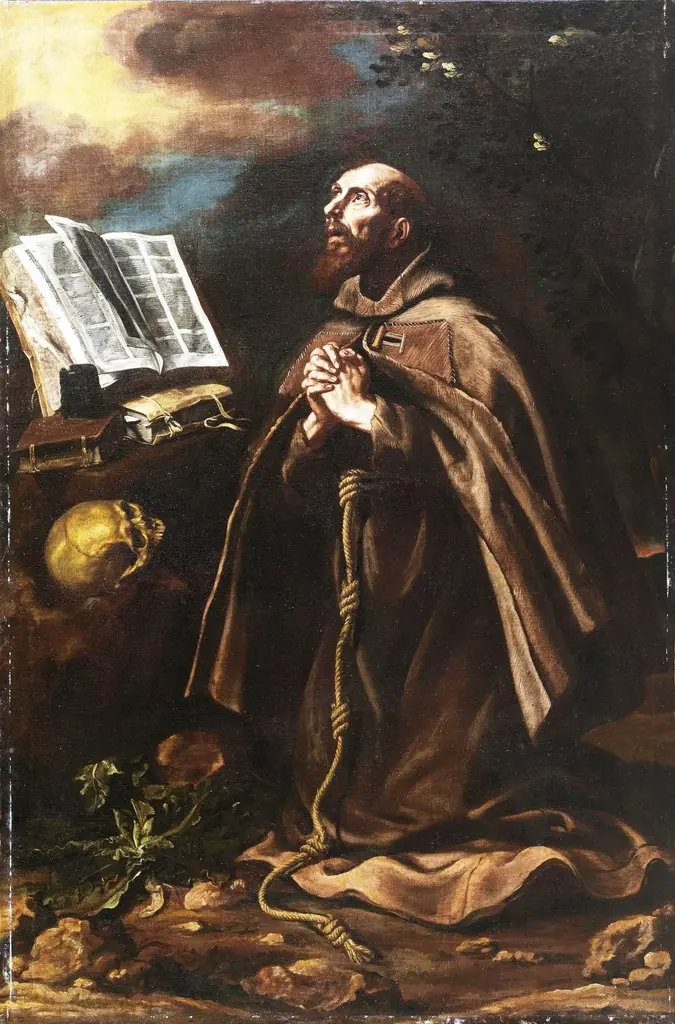
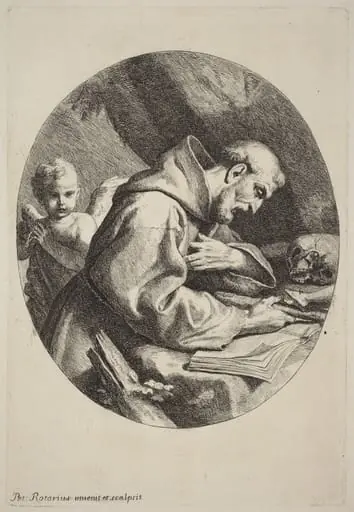
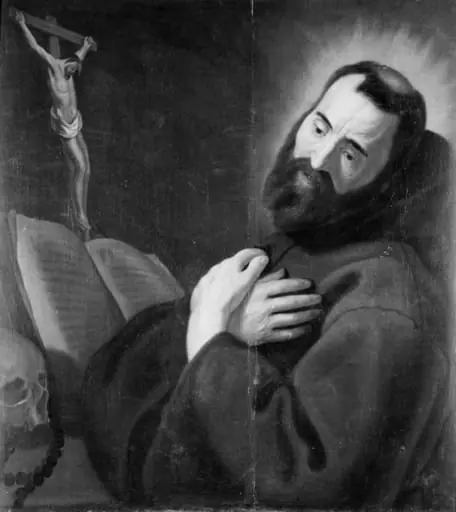
Monk is a photography by Unknown. It dates from 1735 and is held in the collection of the Statens Museum for Kunst.
About this work
Overview
It is held in the collection of the Museum of Ethnography, where it is preserved as a record of religious practice rather than a commissioned portrait.
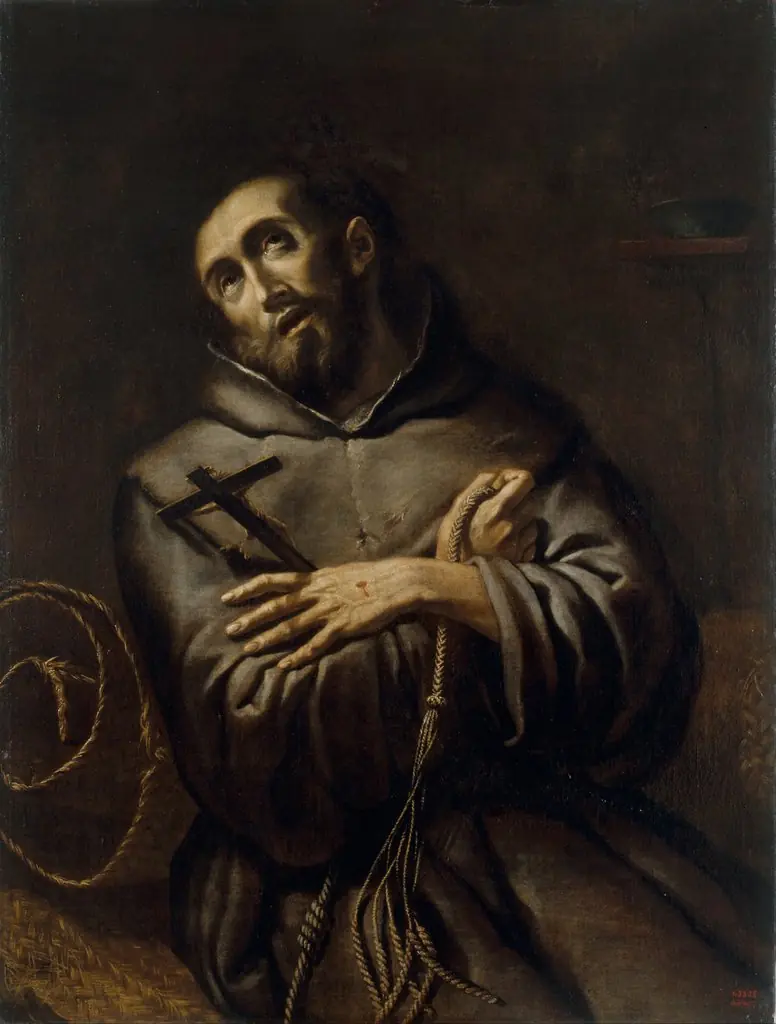
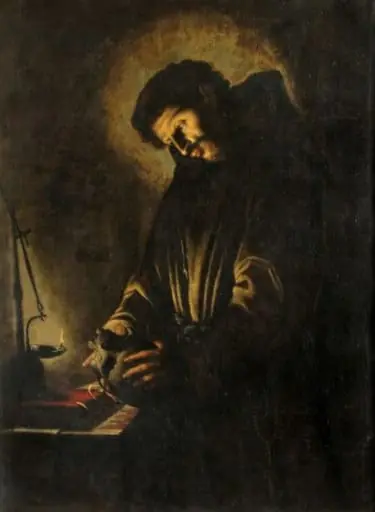
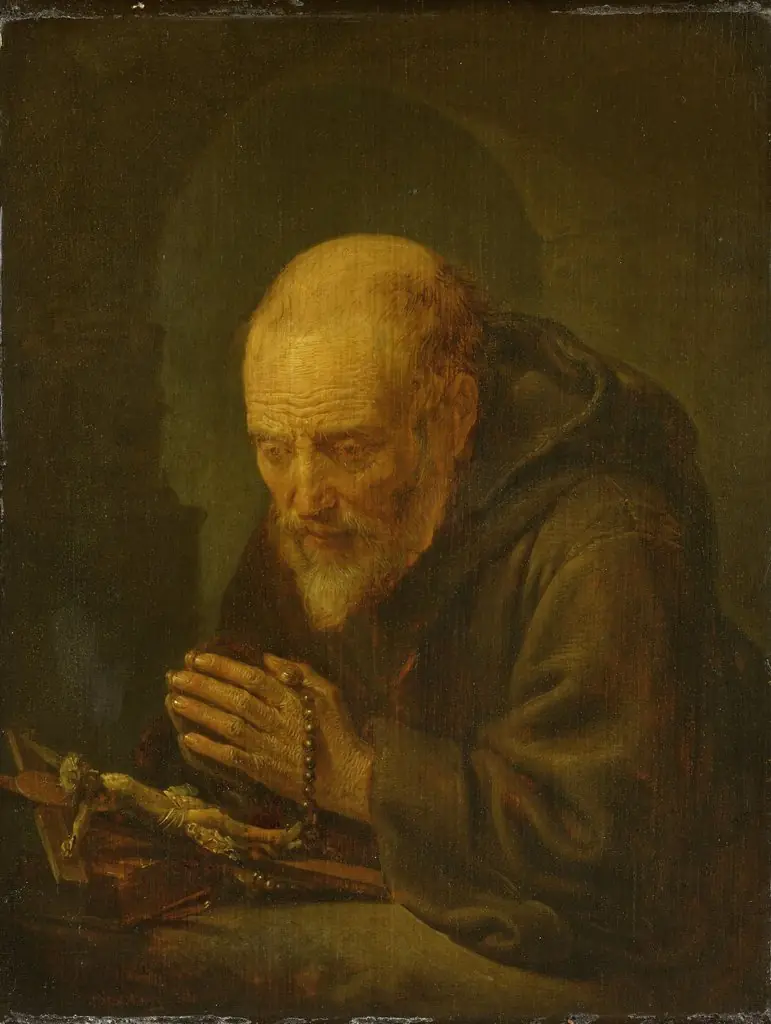
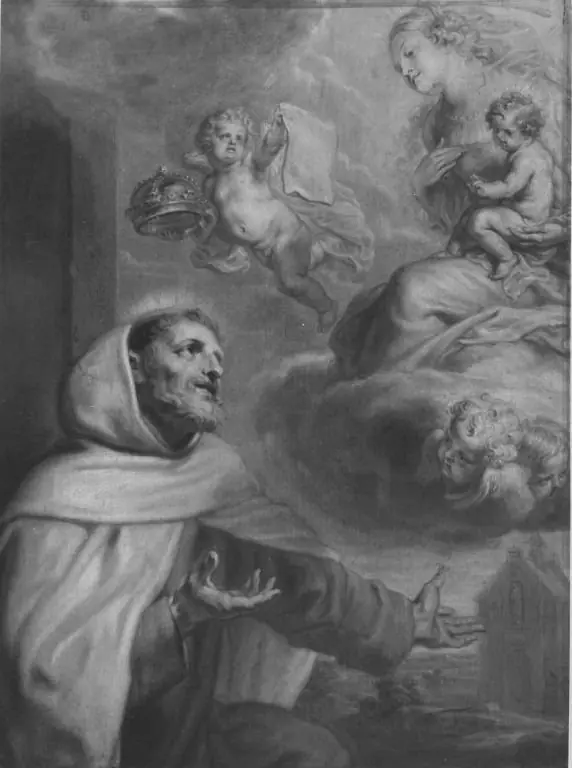
Created around 1735, this image depicts a solitary monk in a contemplative pose. Rendered in monochrome with pronounced tonal contrasts, the work emphasizes stillness and introspection. It is held in the collection of the Museum of Ethnography, where it is preserved as a record of religious practice rather than a commissioned portrait. The artist remains unidentified, though the style suggests an early 18th-century European hand.
Subject & Meaning
The figure is a monk, bearded and robed, kneeling with hands clasped in prayer. His downward gaze and turned head convey quiet devotion, avoiding direct engagement with the viewer. A small cross near his shoulder anchors the scene in Christian asceticism. The absence of context or narrative detail focuses attention on inner spiritual discipline, suggesting a meditation on humility and solitude.
Technique & Style
The image employs chiaroscuro to sculpt the monk’s form against a deep shadowed background. Strong contrasts between light and dark define the folds of his robe and the contours of his face, lending volume and gravity. The monochrome palette limits distraction, reinforcing the solemn mood. Brushwork or engraving lines are subtle, prioritizing emotional resonance over fine detail.
History & Provenance
The work entered the Museum of Ethnography’s collection as part of a broader effort to document religious life in early modern Europe. Its origins are undocumented, but its style aligns with devotional imagery produced in monastic or artisan workshops. No record of prior ownership exists, suggesting it may have been collected from a local religious site or private collection in the 19th century.
Context
In the early 1700s, visual representations of monks often served as symbols of piety amid rising secularism. This image reflects a tradition of quiet, individual devotion rather than public ritual. Its lack of ornate detail distinguishes it from Baroque religious art, aligning instead with simpler, more personal expressions of faith common in mendicant orders and rural communities.
Legacy
Though not widely exhibited, the image endures as a quiet example of devotional portraiture. It contributes to scholarly understanding of how spiritual identity was visually encoded outside formal ecclesiastical settings. Its preservation in an ethnographic museum underscores its value as cultural testimony rather than artistic innovation.
Artist & collection

 Domestic Scene
 Giacomo and Cardinal Marco, investing Andrea, Abbot of San Zeno, with his Benefice
 The Nymph of Fontainebleau
 Portrait of a Woman
 Madonna and Child with Saints in the Enclosed Garden
 Venus and Minerva
 Family Group of Four on Sofa
 Wall painting from Room H of the Villa of P. Fannius Synistor at Boscoreale