Artwork
Saint Francis
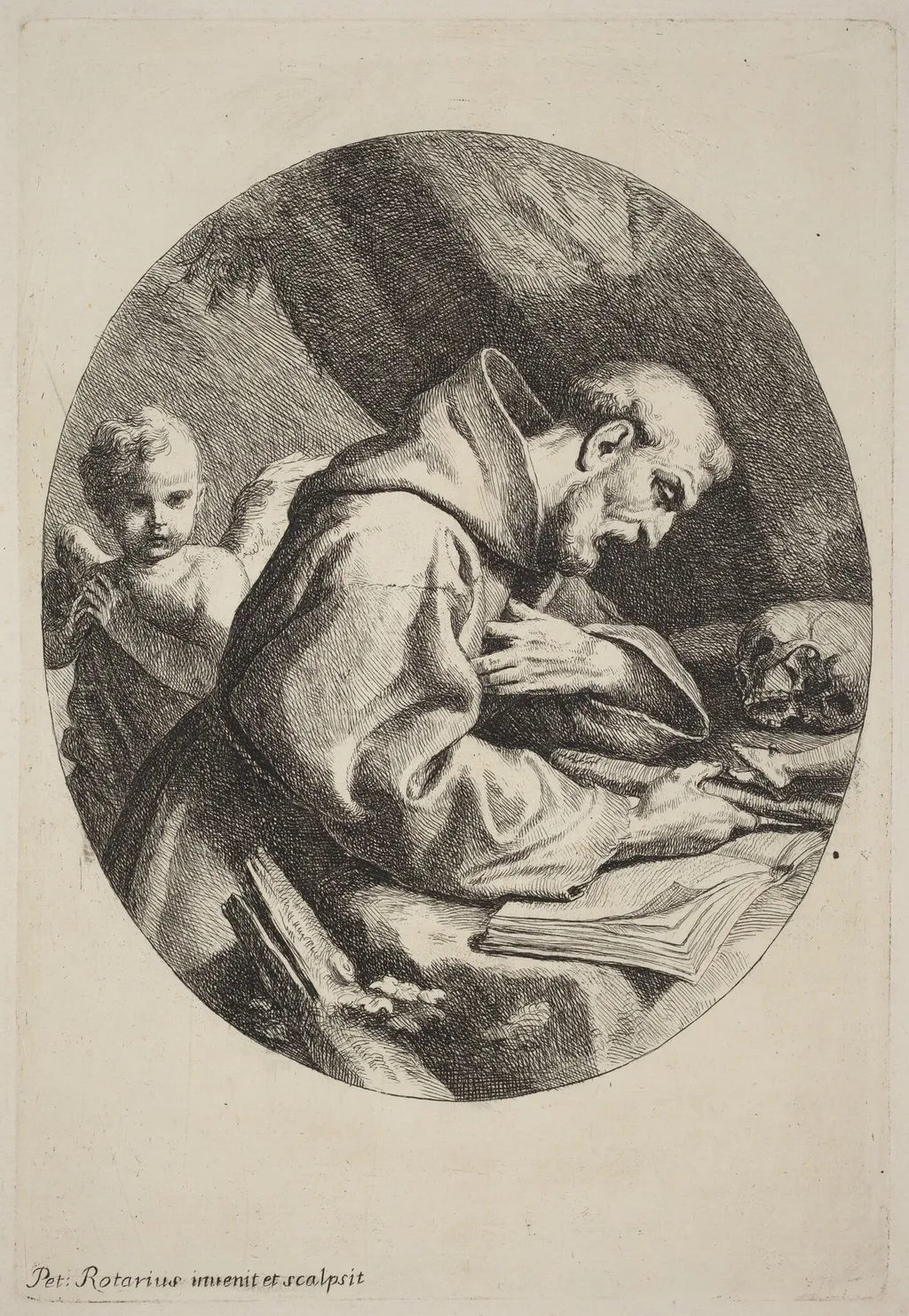
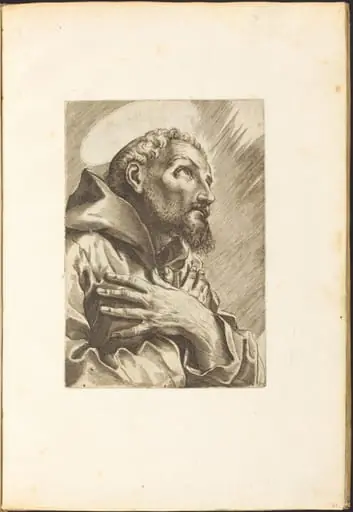
Saint Francis is an ink print by the Baroque artist Pietro Rotari. It dates from 1730 and is held in the collection of the National Gallery of Art.
About this work
Overview
Pietro Rotari created this etching around 1730, capturing Saint Francis of Assisi in a moment of quiet devotion.
Pietro Rotari created this etching around 1730, capturing Saint Francis of Assisi in a moment of quiet devotion. Though Rotari was chiefly known for portraiture, particularly of aristocratic women, this religious subject demonstrates his engagement with spiritual themes within the Baroque idiom. The work is a modest yet deliberate print, reflecting his technical skill and sensitivity to emotional tone.
Subject & Meaning
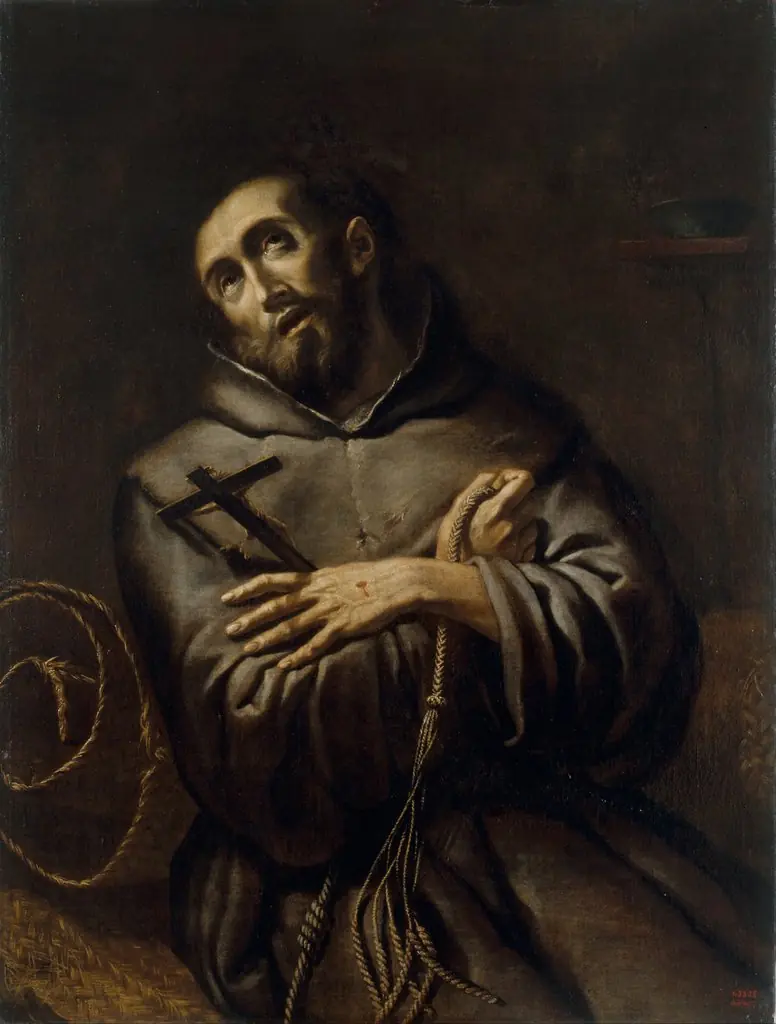
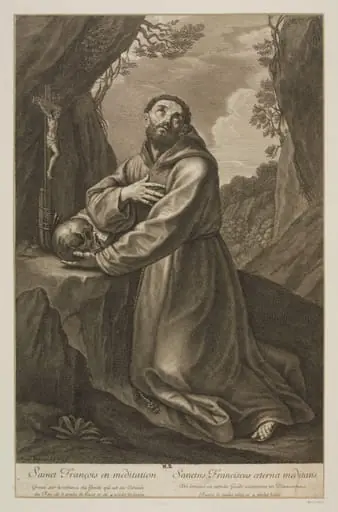
The image presents Saint Francis in prayer, head bowed and hands clasped, embodying humility and introspection. A skull rests on a book at his side, symbolizing mortality and the transience of earthly life. A faint cherub hovers in the background, suggesting divine presence without intrusion. Together, these elements frame the saint as a model of contemplative faith, stripped of grandeur yet rich in symbolic weight.
Technique & Style
Executed in etching, the work relies on fine, controlled lines to define form and atmosphere. The sparse background and minimal shading direct focus to the figure’s posture and gestures. Rotari uses delicate tonal gradations to suggest texture in the robe and the weight of the skull, while the faint cherub is rendered with subtle, almost ghostly lines—evidence of his mastery in conveying depth through restraint.
History & Provenance
Rotari, born in Verona in 1707, traveled widely across Europe before settling in Saint Petersburg in the 1740s, where he served as court painter. This etching predates his Russian period and likely stems from his early years in Italy or during his travels. Its survival suggests it was part of a private collection or used as a devotional image, though its specific early ownership remains undocumented.
Context
In the early 18th century, religious imagery remained influential despite the rise of secular portraiture. Rotari’s choice to depict Saint Francis aligns with a broader European interest in Franciscan spirituality, particularly its emphasis on poverty and inner devotion. The etching format allowed for wider circulation, making such images accessible beyond church settings to private collectors and religious communities.
Legacy
While Rotari’s portraits overshadowed his religious works in historical attention, this etching endures as a quiet example of how Baroque sensibilities adapted to intimate printmaking. It reflects a moment when spiritual themes were rendered with psychological subtlety rather than theatricality, offering a counterpoint to more dramatic depictions of saints in the same era.
Artist & collection
Artist
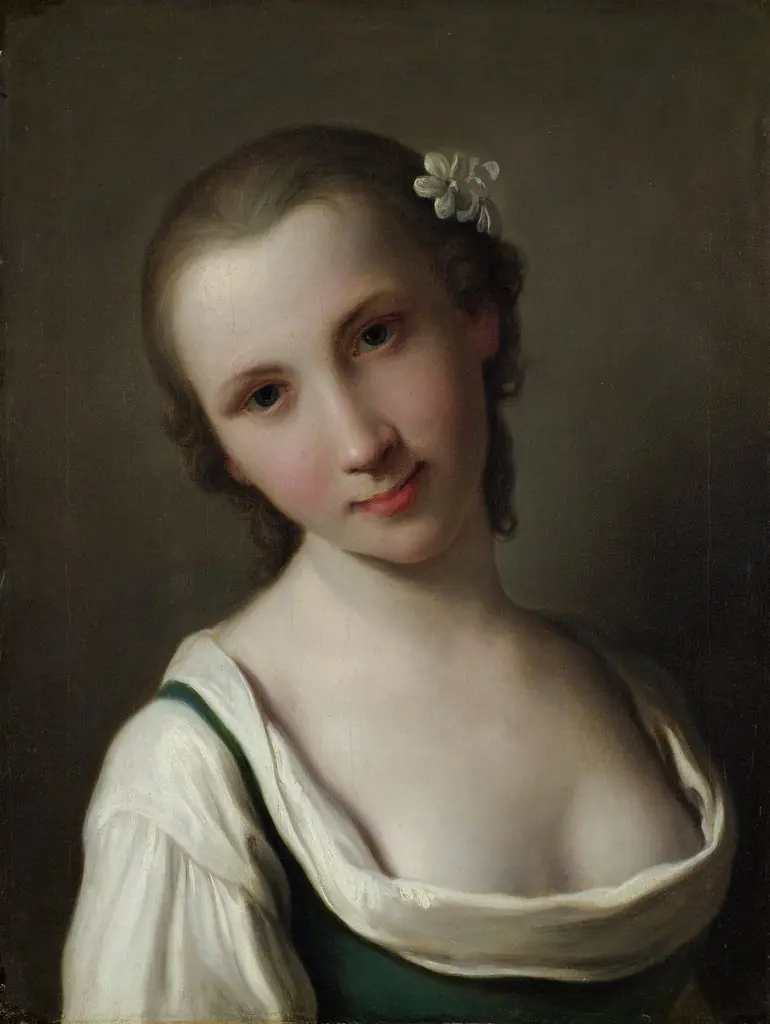
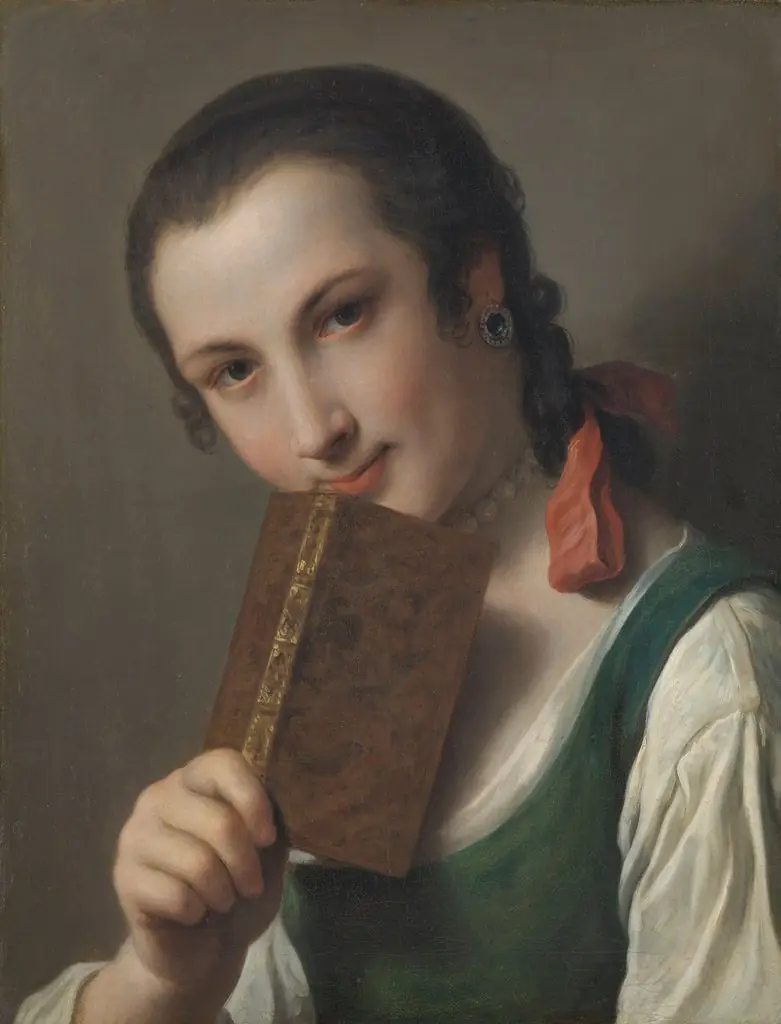
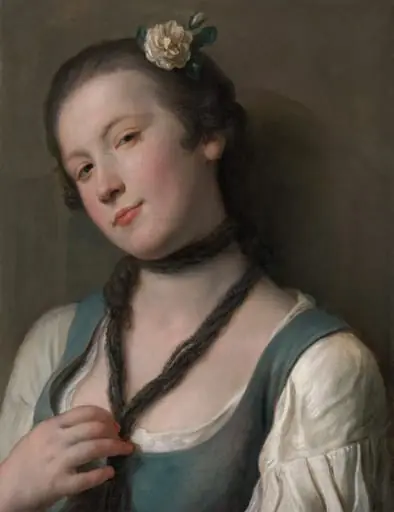
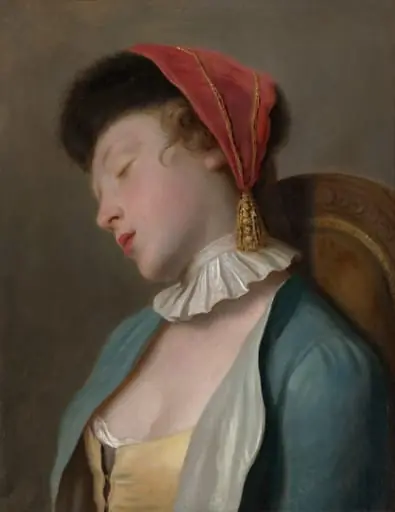
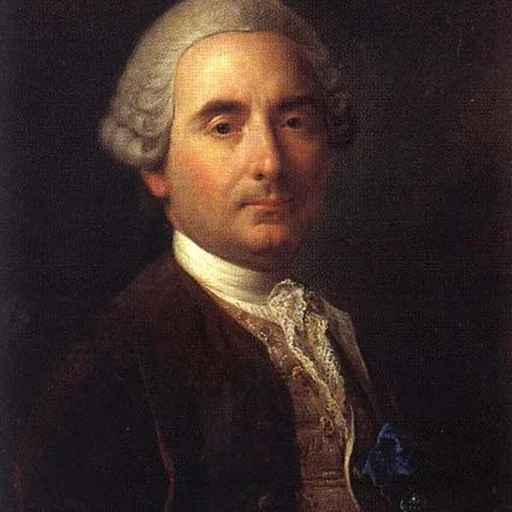
Pietro Antonio Rotari (30 September 1707 – 31 August 1762) was an Italian painter of the Baroque period.