Artwork
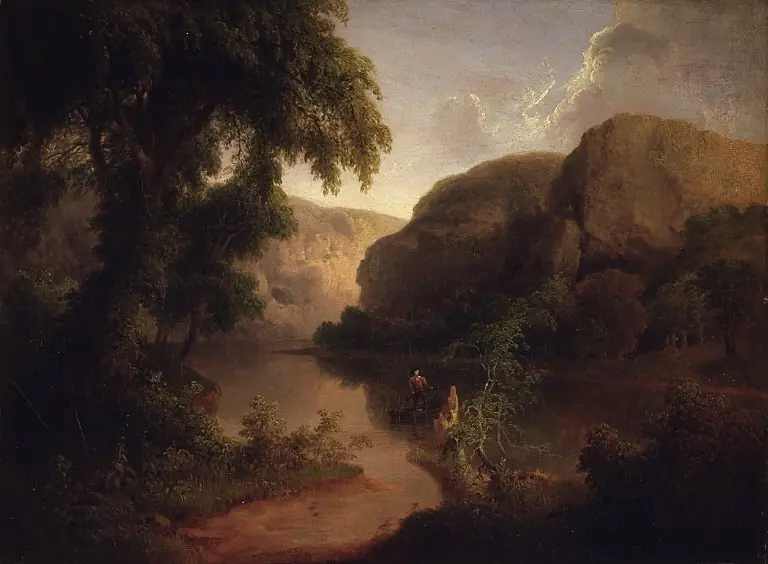
River between Rocks
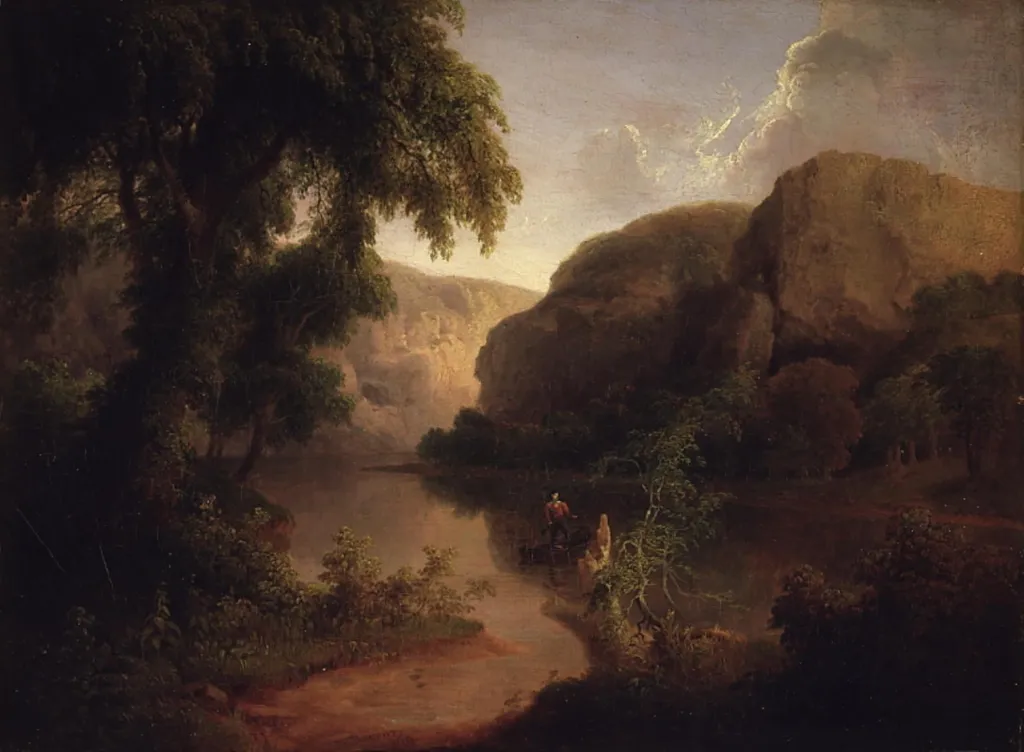
River between Rocks is a photography by Unknown. It dates from 1850 and is held in the collection of the Statens Museum for Kunst.
About this work
Overview
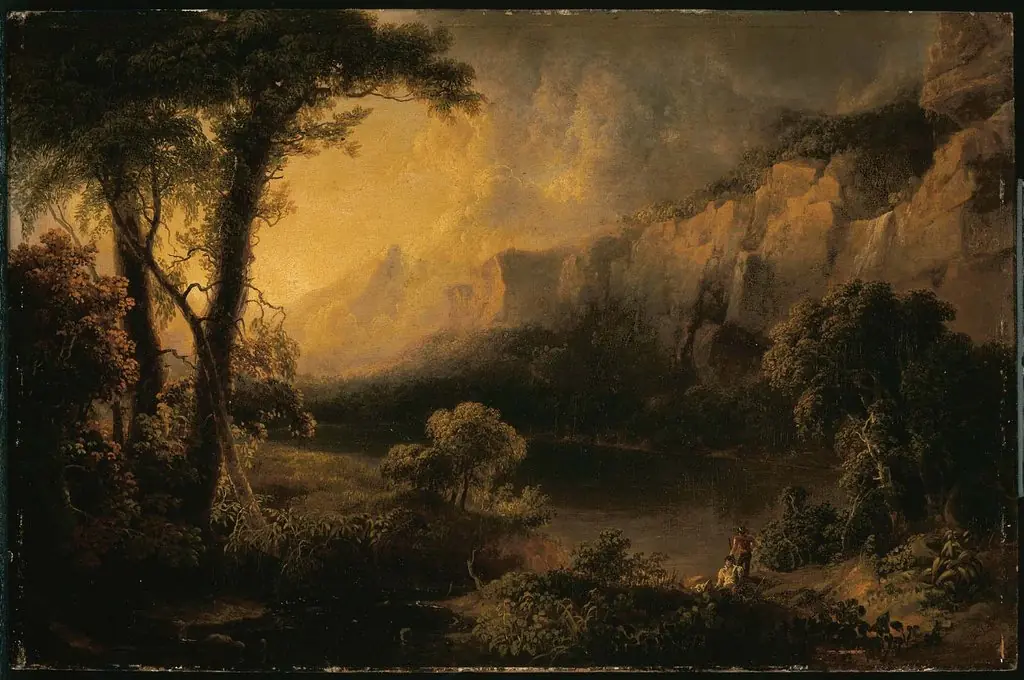
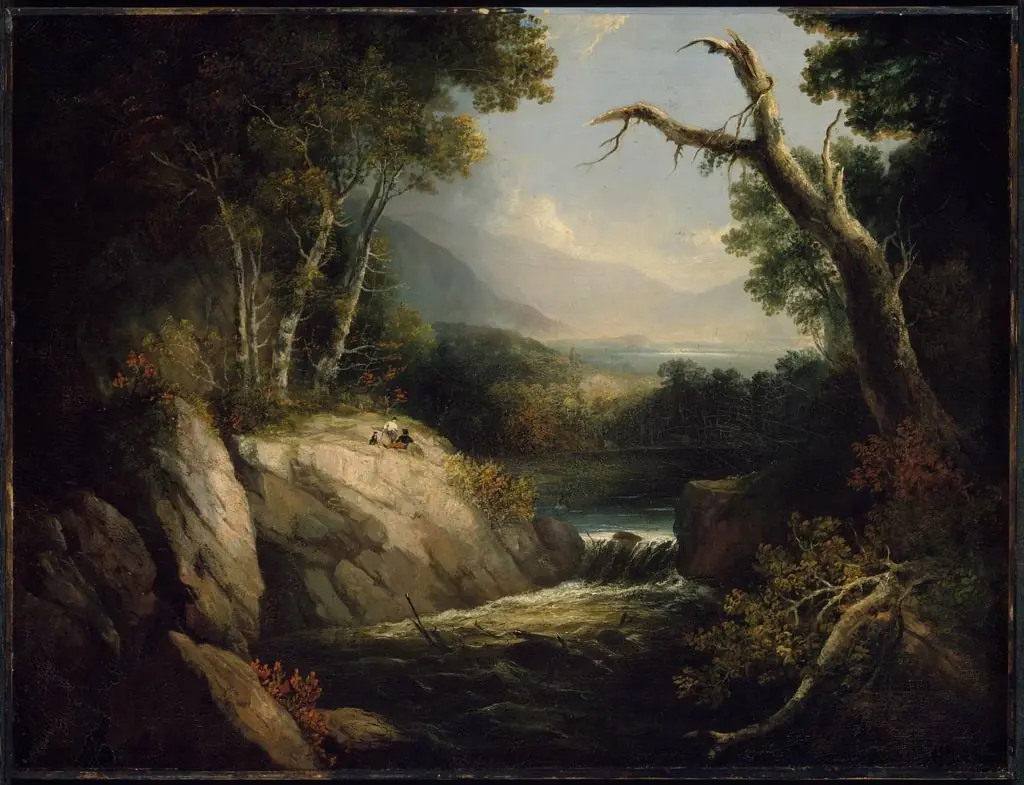
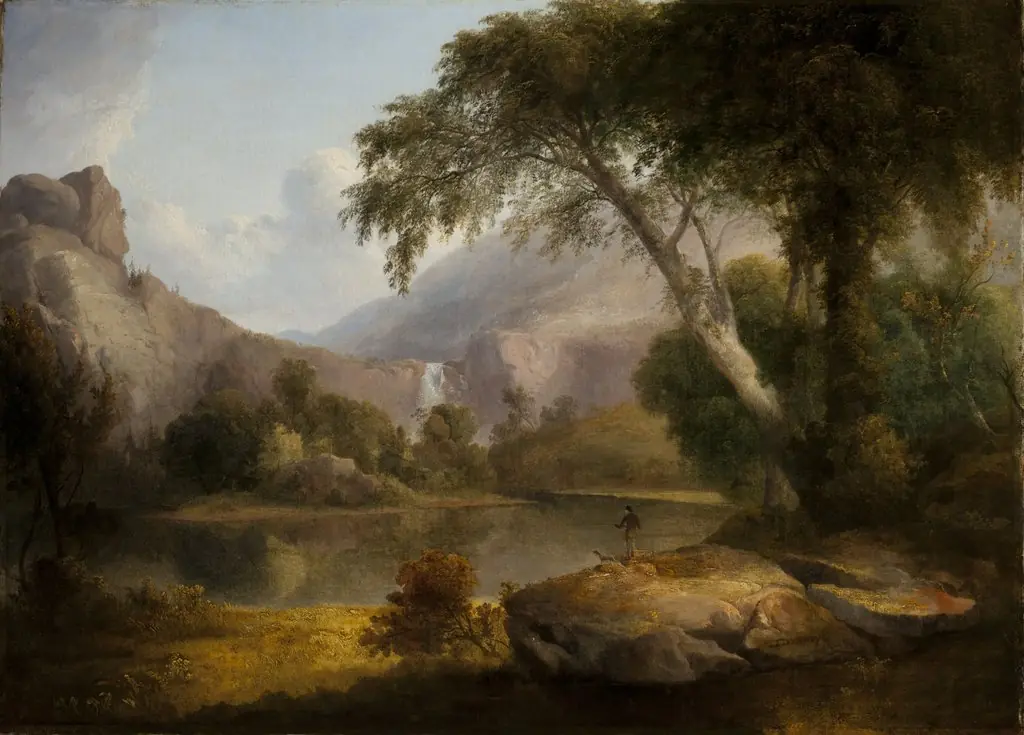
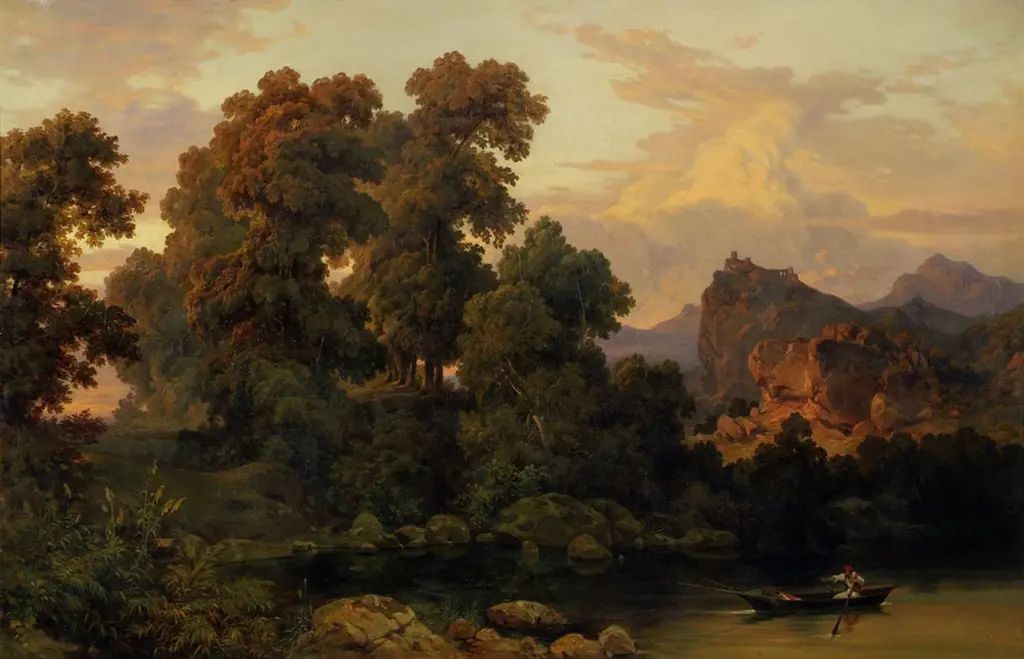
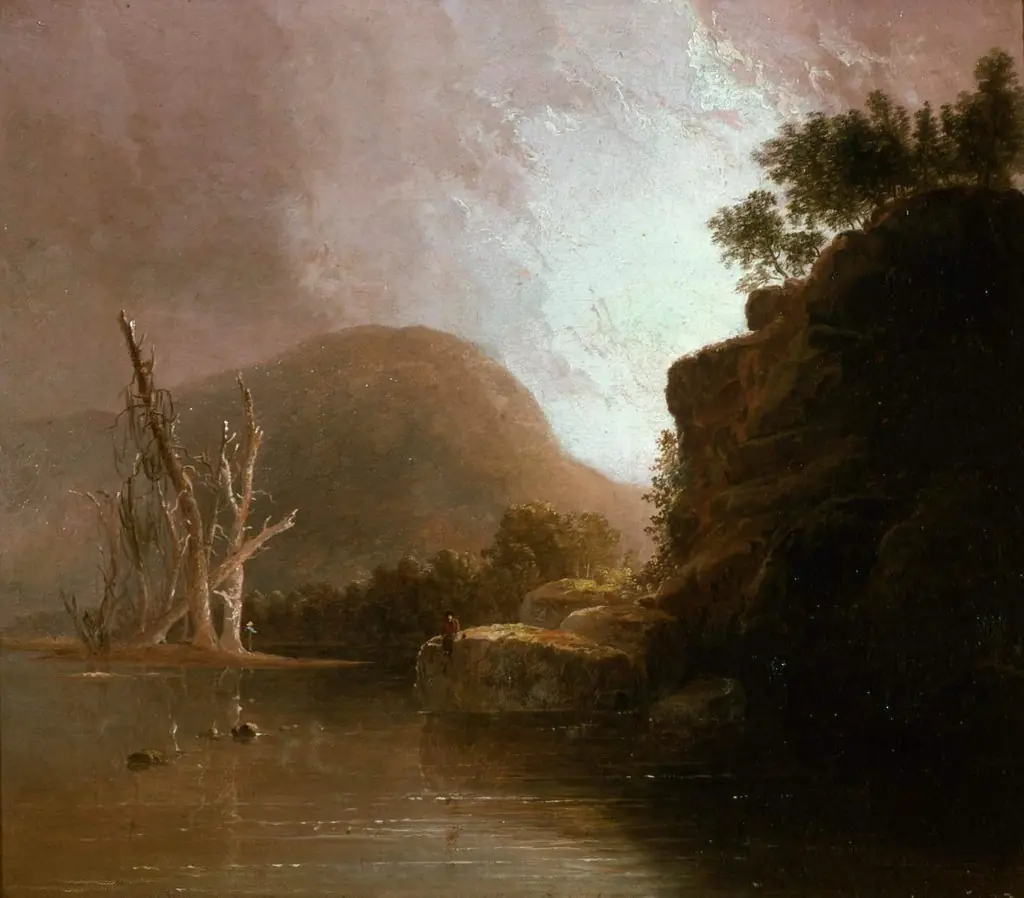
Created around 1850, River between Rocks is a landscape painting attributed to an artist active in the mid-19th century. The work depicts a narrow river flowing between steep, shadowed cliffs. It is part of the collection at the Museum of Ethnography, where it is preserved as an example of atmospheric landscape rendering from the period.
Subject & Meaning
The scene presents a quiet moment on a secluded waterway, with two figures in a small boat near the bank. Their presence suggests contemplation or transit rather than action. The isolation of the figures within the imposing natural setting implies a theme of human smallness against enduring geological forms, without overt narrative or symbolism.
Technique & Style
The artist employs thick, textured brushwork—particularly in the depiction of rock surfaces—to create a tactile sense of weight and roughness. Contrasts between light and shadow are heightened to emphasize the drama of the terrain. The uneven illumination across water and stone suggests a transient moment, possibly dawn or dusk, enhancing the mood without relying on idealized beauty.
History & Provenance
The painting entered the Museum of Ethnography’s collection in the late 19th or early 20th century, though its earlier ownership remains undocumented. Its attribution to an artist active around 1836 is based on stylistic comparison and limited archival references, as no signed or dated version of the work is known.
Context
Produced during a period when landscape painting was gaining prominence in European art, this work reflects a shift toward naturalism and emotional resonance over classical idealization. While not part of a major movement, its emphasis on raw terrain and subdued human presence aligns with regional trends favoring intimate, untamed nature.
Legacy
River between Rocks remains a modest but distinctive example of 19th-century landscape practice, valued for its handling of light and material texture. It contributes to scholarly understanding of lesser-known artists who explored natural themes outside mainstream academic circles, offering insight into regional aesthetic sensibilities of the time.
Artist & collection

 Domestic Scene
 Giacomo and Cardinal Marco, investing Andrea, Abbot of San Zeno, with his Benefice
 The Nymph of Fontainebleau
 Portrait of a Woman
 Madonna and Child with Saints in the Enclosed Garden
 Venus and Minerva
 Family Group of Four on Sofa
 Wall painting from Room H of the Villa of P. Fannius Synistor at Boscoreale