Artwork
Bagpiper at an Inn
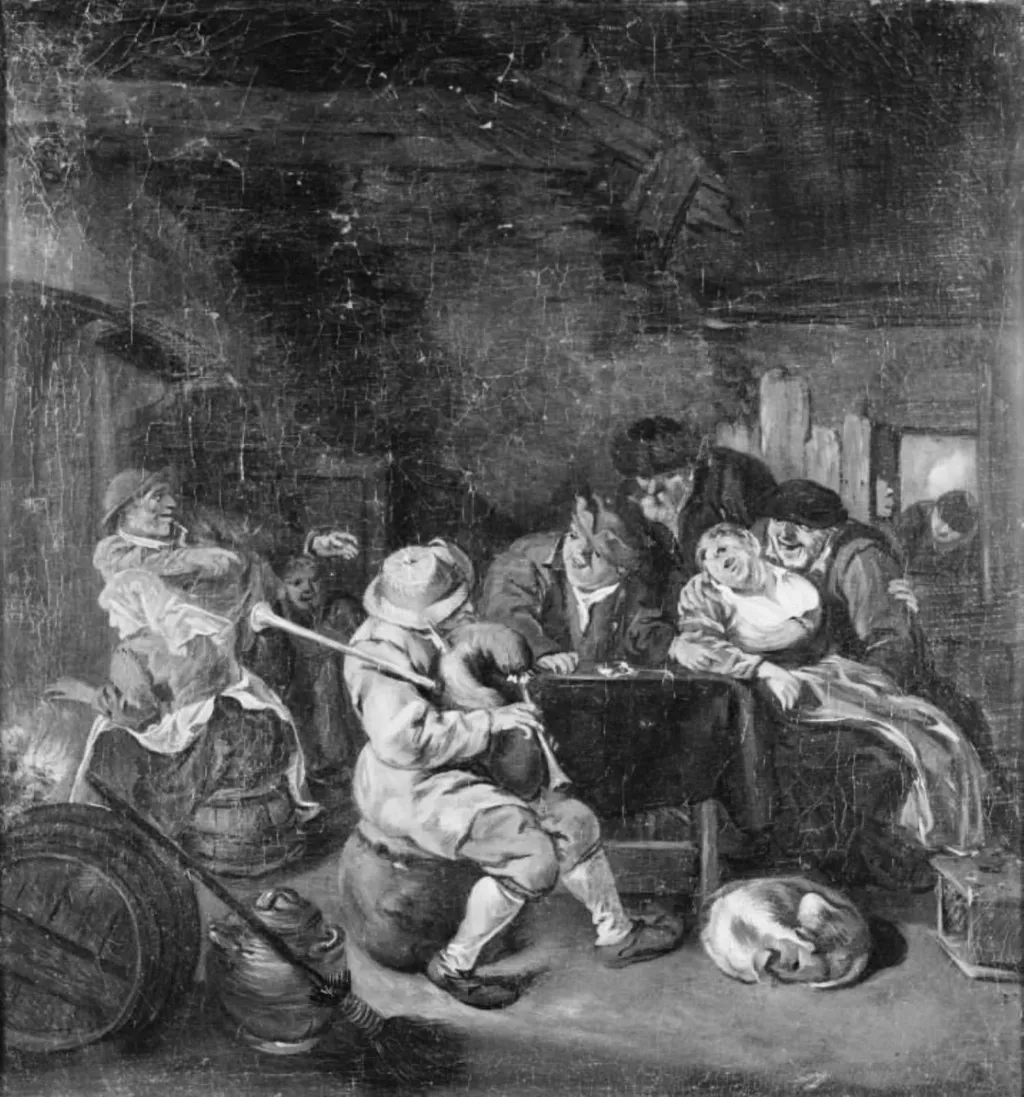
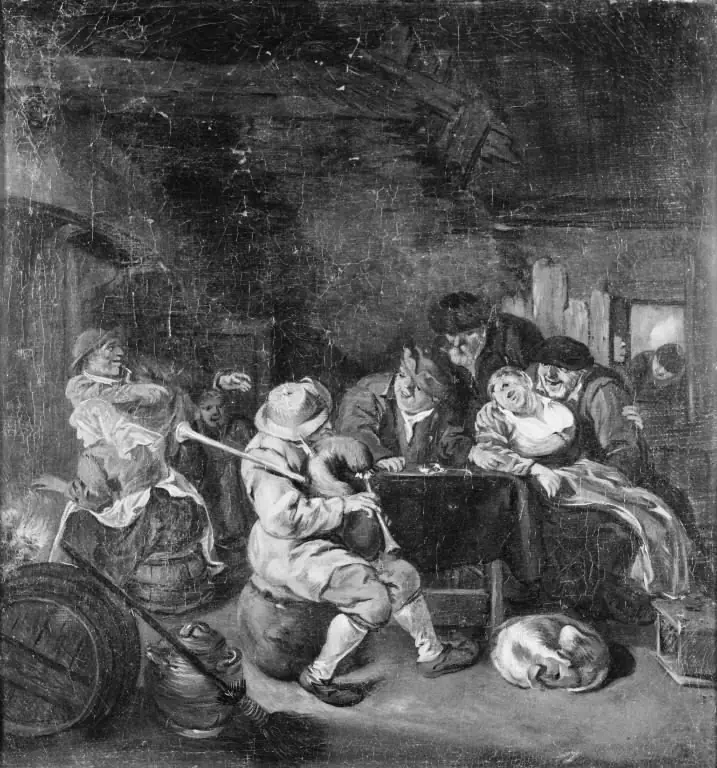
Bagpiper at an Inn is a photography by Unknown. It dates from 1750 and is held in the collection of the Statens Museum for Kunst. Created around 1750, this black-and-white image captures a moment in a rural tavern, depicting a bagpiper performing for a small gathering.
About this work
Overview
It is preserved in the Museum of Ethnography, where it serves as a record of informal musical gatherings in European folk culture during the period.
Created around 1750, this black-and-white image captures a moment in a rural tavern, depicting a bagpiper performing for a small gathering. The work is attributed to an artist active in the mid-18th century, though the exact identity remains uncertain. It is preserved in the Museum of Ethnography, where it serves as a record of informal musical gatherings in European folk culture during the period.
Subject & Meaning
The scene centers on a musician playing the bagpipe, surrounded by listeners engaged in quiet observation or mirth. The presence of a dog and a barrel suggests an everyday, unpretentious setting. The composition conveys communal enjoyment through music, reflecting the role of folk performance in social bonding among working-class communities, without idealization or narrative embellishment.
Technique & Style
The image employs stark contrasts of light and shadow to model forms and direct attention toward the central figure. Facial expressions and clothing are rendered with minimal detail but convey vitality through posture and gesture. The rough walls and dim interior enhance the sense of intimacy, while the single window introduces a subtle natural source of illumination, reinforcing the realism of the moment.
History & Provenance
The work entered the Museum of Ethnography’s collection as part of a broader effort to document vernacular life in 18th-century Europe. Its origins are undocumented prior to its acquisition, but its style and subject align with regional visual traditions that recorded everyday scenes. It has remained in institutional care since at least the late 19th century.
Context
In mid-18th-century Europe, folk music was integral to rural social life, often performed in inns or homes during festivals or after work. This image reflects a time before widespread literacy and mass media, when live music served as both entertainment and cultural transmission. The depiction avoids theatricality, suggesting it may have been made for personal or local documentation rather than public display.
Legacy
The image stands as a quiet testament to the persistence of folk traditions in pre-industrial society. Though not widely reproduced or studied, it contributes to the historical record of how music shaped community interaction. Its unembellished realism offers insight into the visual language used to capture ordinary life before the rise of photography.
Artist & collection

 Domestic Scene
 Giacomo and Cardinal Marco, investing Andrea, Abbot of San Zeno, with his Benefice
 The Nymph of Fontainebleau
 Portrait of a Woman
 Madonna and Child with Saints in the Enclosed Garden
 Venus and Minerva
 Family Group of Four on Sofa
 Wall painting from Room H of the Villa of P. Fannius Synistor at Boscoreale
 Peasants at an Inn
 Peasants at an Inn
 Social gathering in the inn courtyard
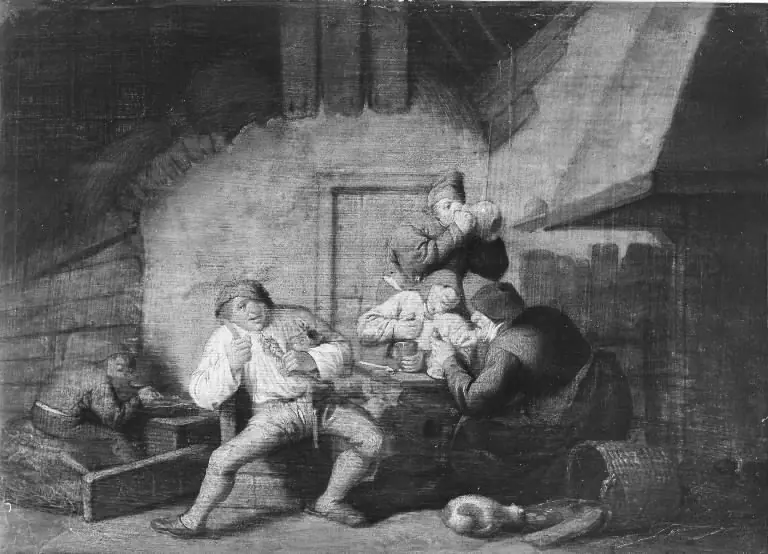 Bønder ved et bord. De fem sanser: Smagssansen
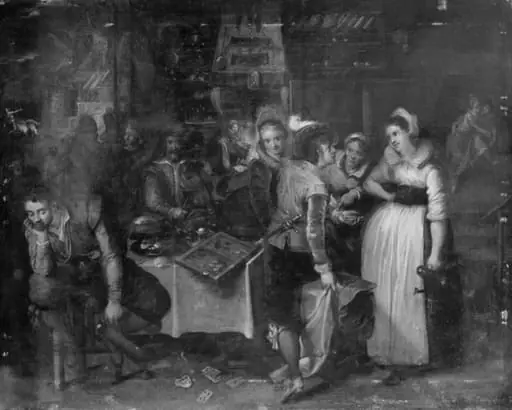 The Prodigal Son
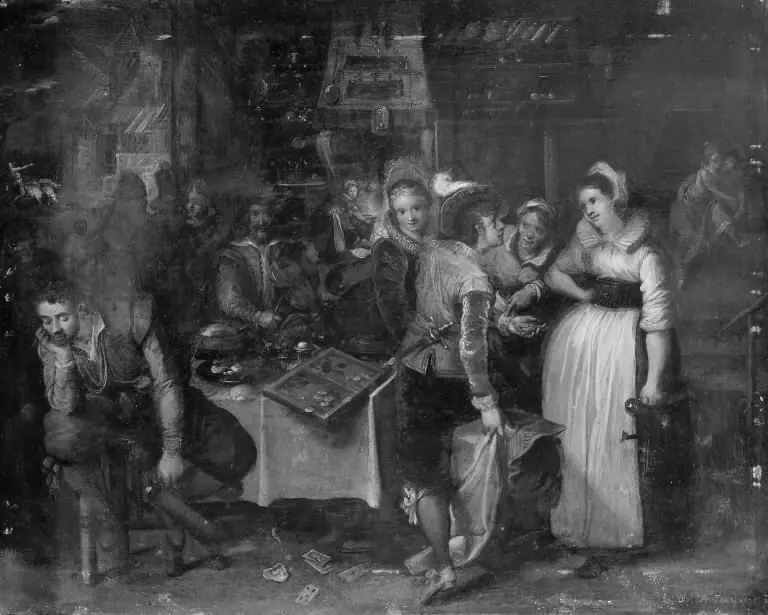 The Prodigal Son
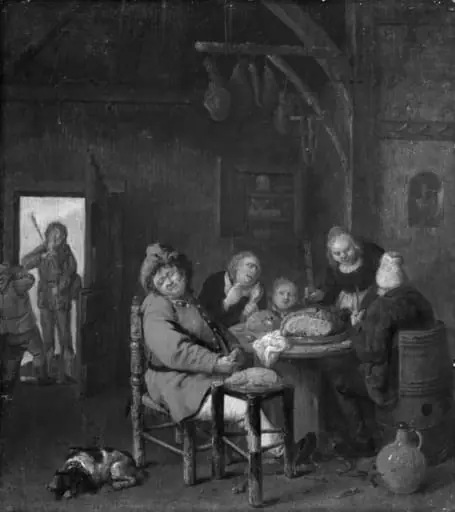 Peasant Family
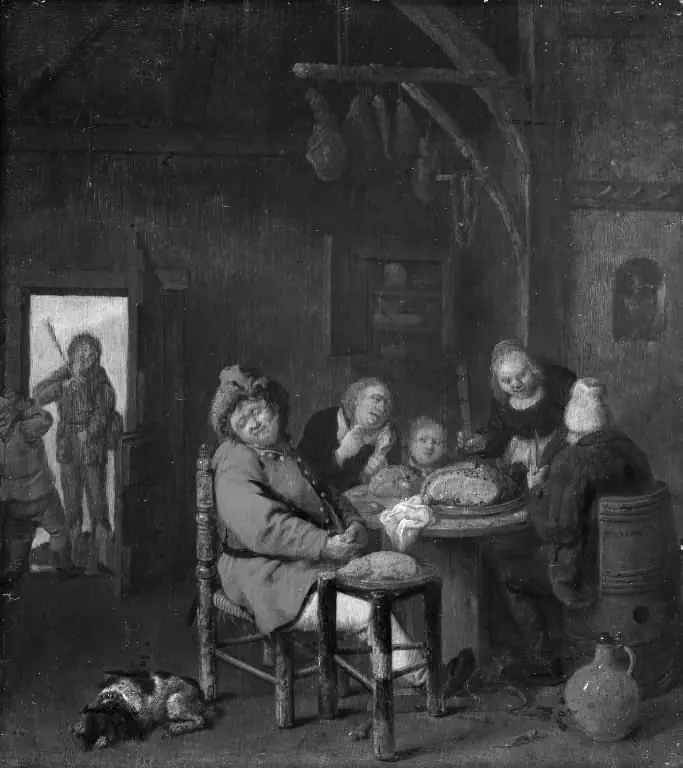 Peasant Family
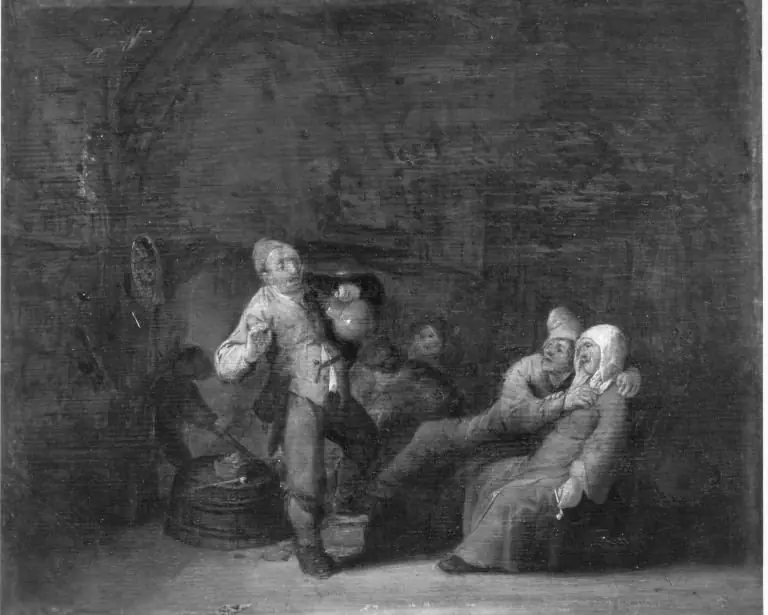 The tavern
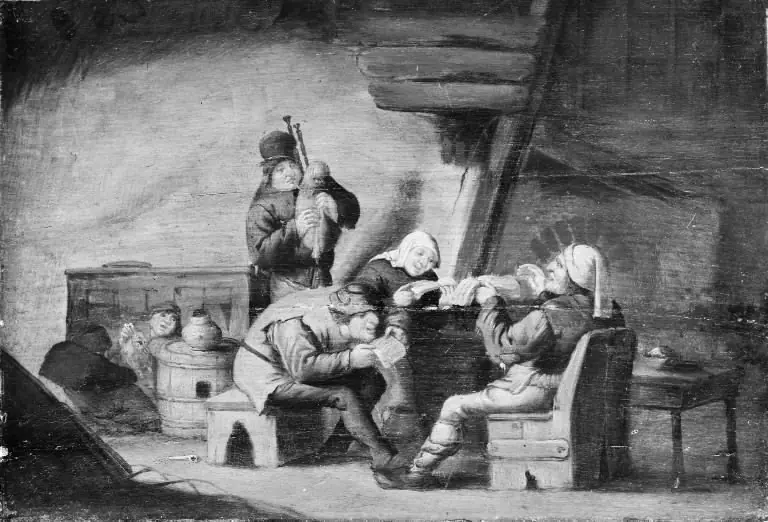 Bagpipe Music and Singing. The Five Senses: The Sense of Hearing
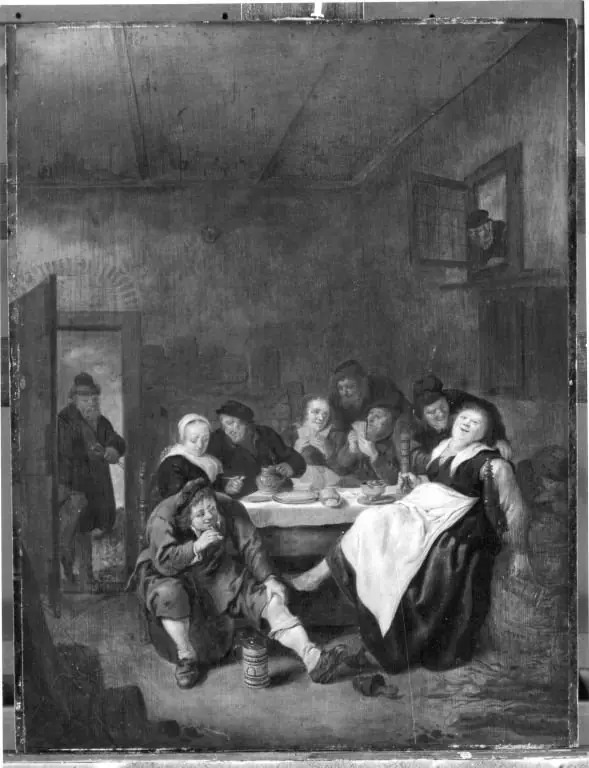 Bauerngesellschaft im Wirtshaus
 Bagpiper at an Inn