Artwork
Peasant Family
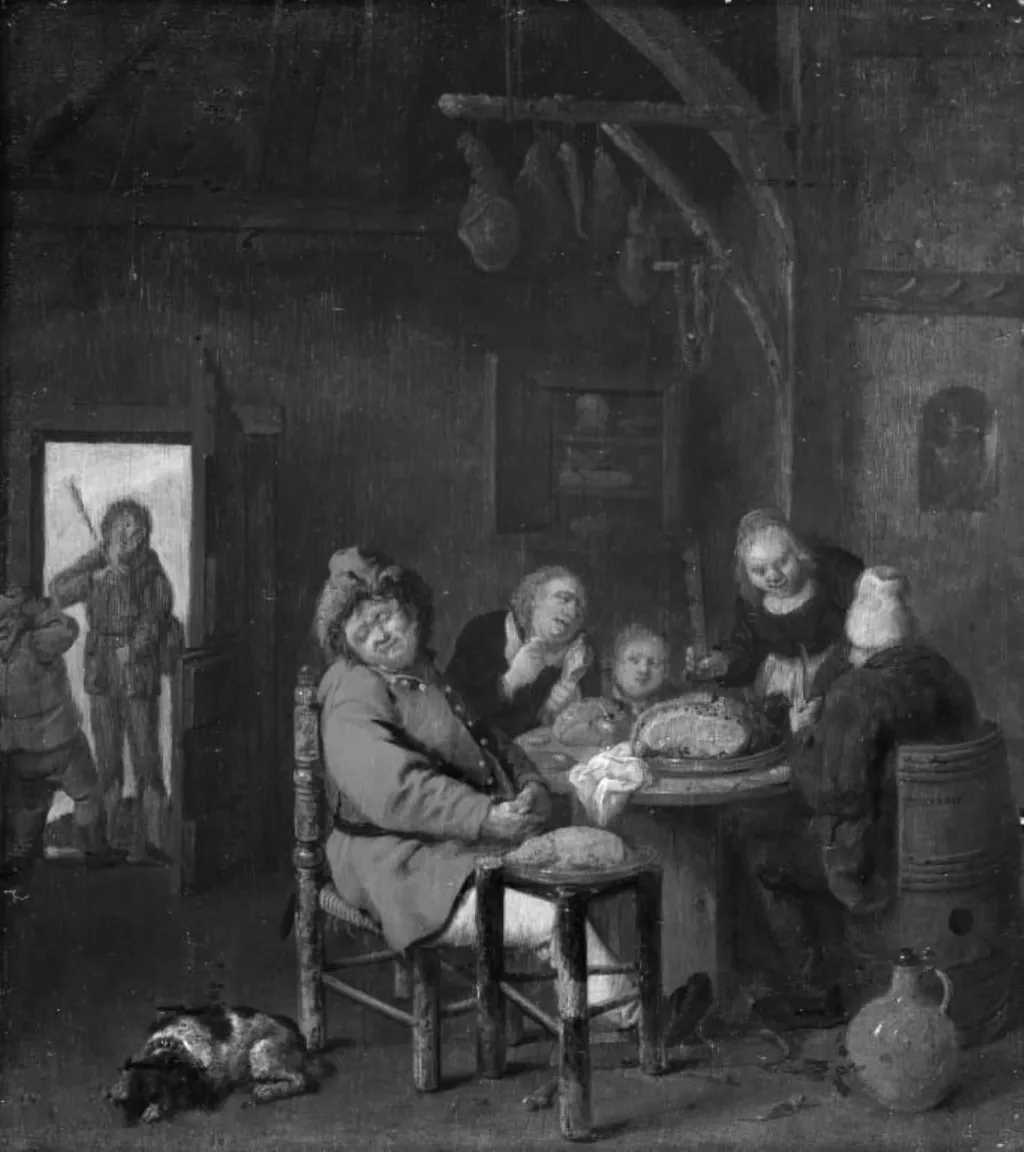
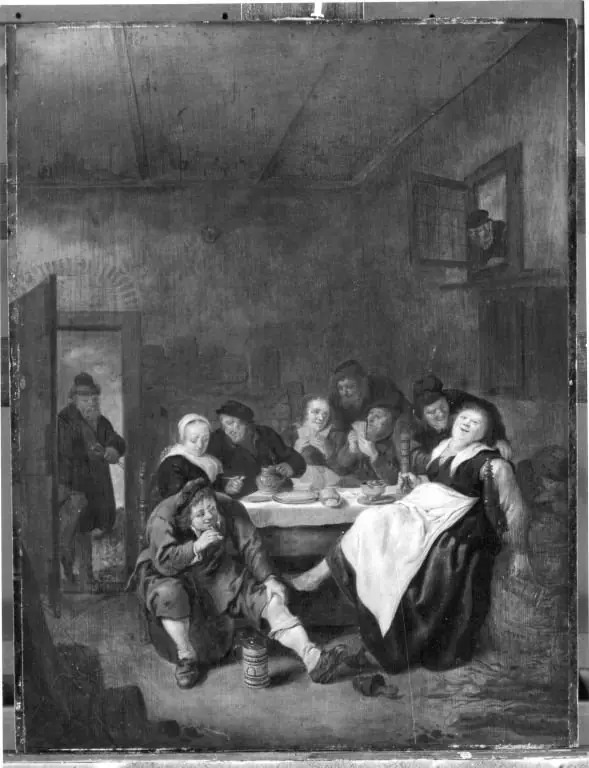
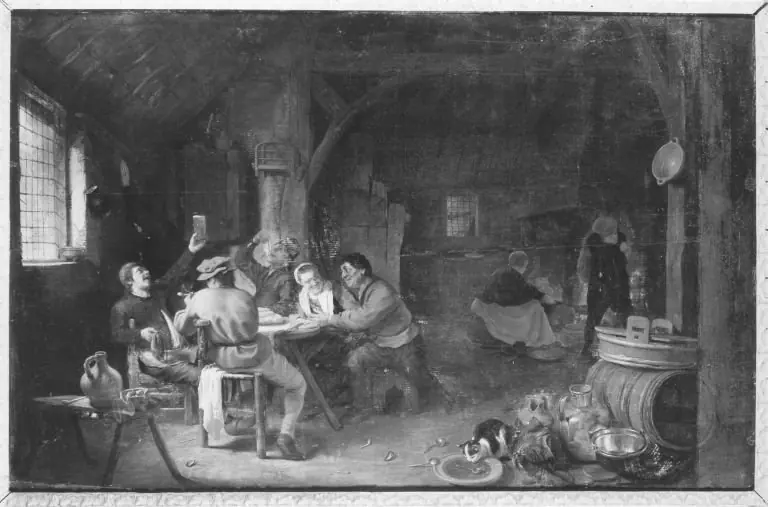
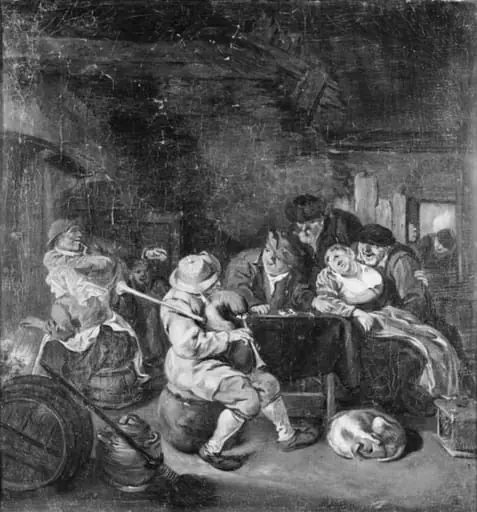
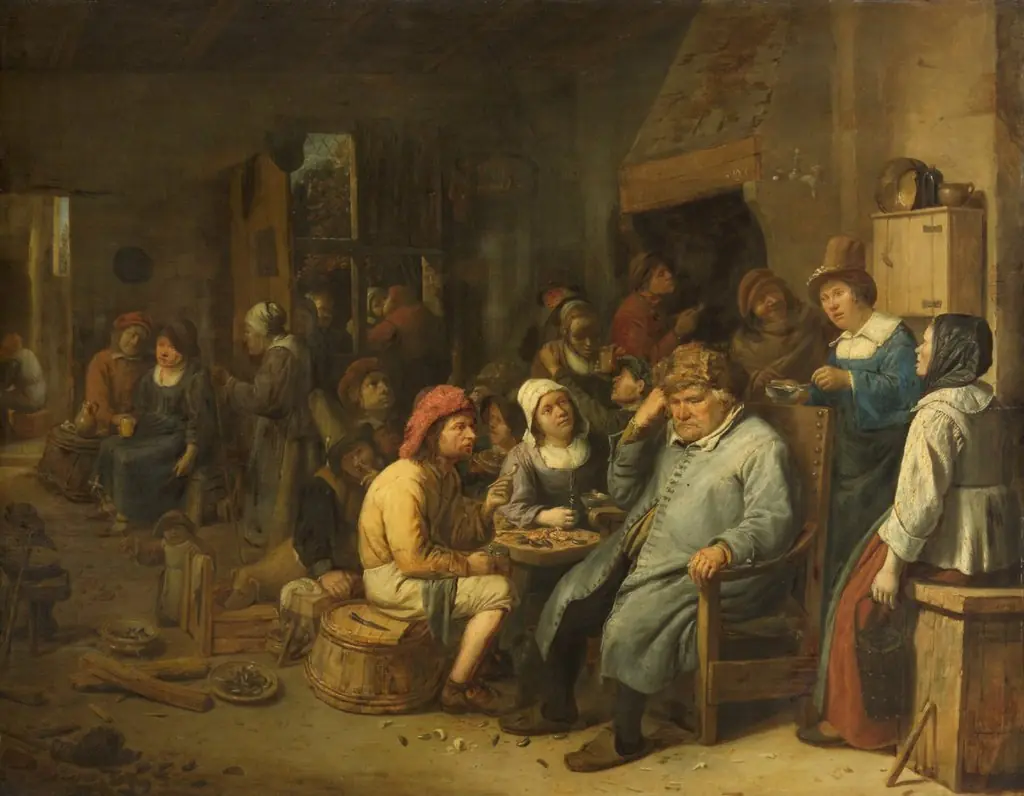
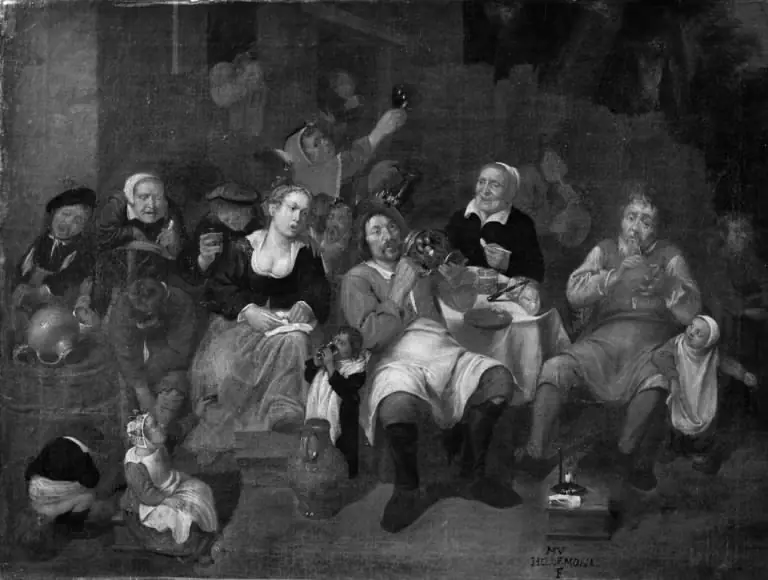
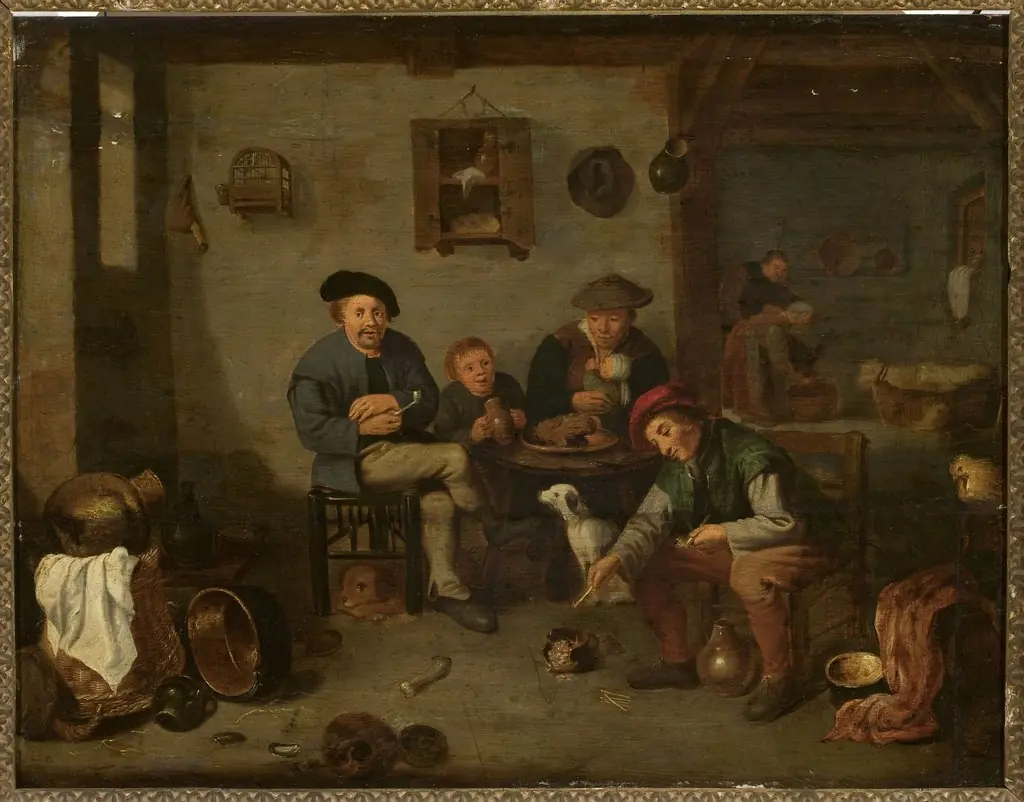
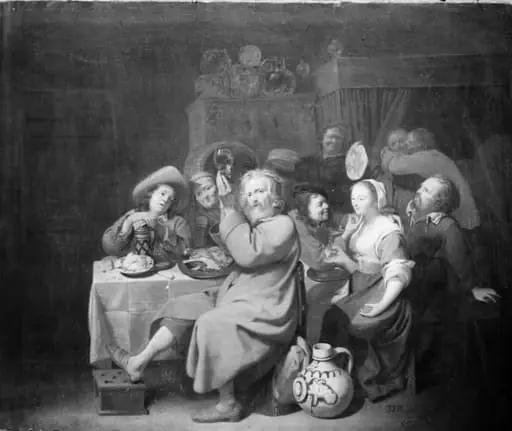
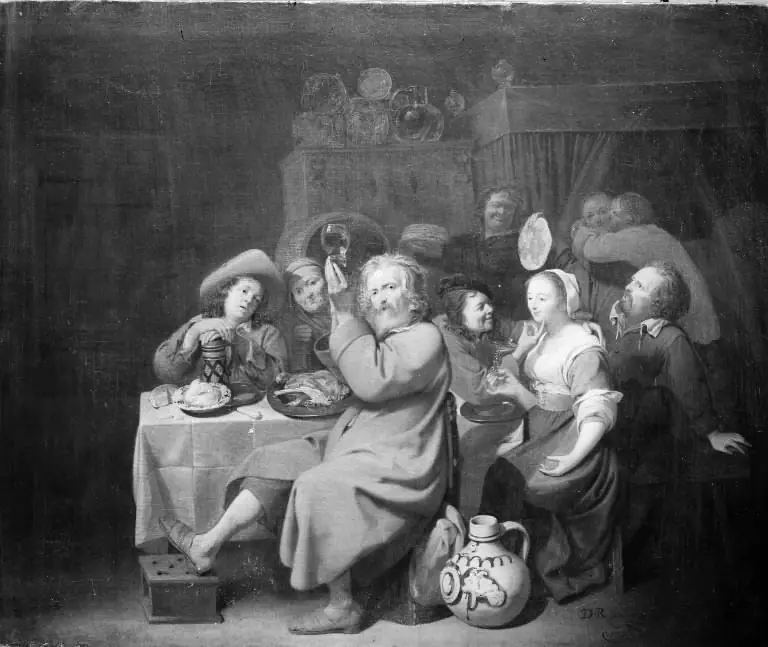
Peasant Family is a photography by Unknown. It dates from 1646 and is held in the collection of the Statens Museum for Kunst. Created around 1646, this painting depicts a rural household engaged in a quiet meal.
About this work
Overview
Created around 1646, this painting depicts a rural household engaged in a quiet meal. It is part of the collection at the Museum of Ethnography and reflects the daily life of agricultural communities in early modern Europe. The composition centers on a seated man, surrounded by family members and a dog, all rendered in subdued tones that emphasize domestic stillness over grandeur.
Subject & Meaning
The presence of the dog reinforces the domestic setting, grounding the image in the ordinary rhythms of peasant life rather than idealized narratives.
The scene captures a moment of shared sustenance among family members, suggesting themes of kinship and endurance. The central figure, holding food, may represent the head of the household, while the standing woman and children imply roles tied to care and labor. The presence of the dog reinforces the domestic setting, grounding the image in the ordinary rhythms of peasant life rather than idealized narratives.
Technique & Style
The artist employs a restrained palette and soft chiaroscuro to model forms within a dim interior. Brushwork is unobtrusive, favoring naturalism over ornamentation. Figures are arranged in a compact group, creating a sense of closeness, while the shallow space and muted lighting enhance the intimacy of the moment. Details like worn clothing and rough textures convey authenticity without sentimentality.
History & Provenance
The painting entered the Museum of Ethnography’s collection in the late 19th or early 20th century, likely acquired as part of broader efforts to document rural European life. Its attribution to the artist associated with the identifier 935_person remains tentative, as documentation from the period is sparse. No earlier records of ownership or exhibition are known.
Context
In mid-17th century Europe, depictions of peasant life were increasingly common in Northern art, often serving as quiet counterpoints to religious or aristocratic subjects. This work aligns with regional traditions that valued observation of everyday labor and domestic routines, reflecting both social realism and a growing interest in the dignity of common existence.
Legacy
Though not widely reproduced or studied, the painting contributes to a broader visual record of pre-industrial rural communities. Its preservation in an ethnographic museum underscores its value as a cultural artifact rather than a celebrated work of fine art. It remains a quiet testament to the visibility of ordinary lives in historical imagery.
Artist & collection

 Domestic Scene
 Giacomo and Cardinal Marco, investing Andrea, Abbot of San Zeno, with his Benefice
 The Nymph of Fontainebleau
 Portrait of a Woman
 Madonna and Child with Saints in the Enclosed Garden
 Venus and Minerva
 Family Group of Four on Sofa
 Wall painting from Room H of the Villa of P. Fannius Synistor at Boscoreale