Artwork
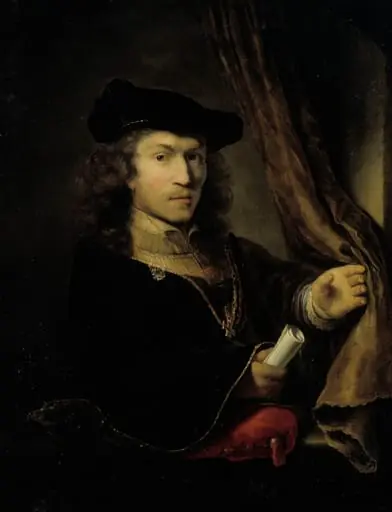
Portrait of a Man with a Hat and a Collar of an Order of Chivalry
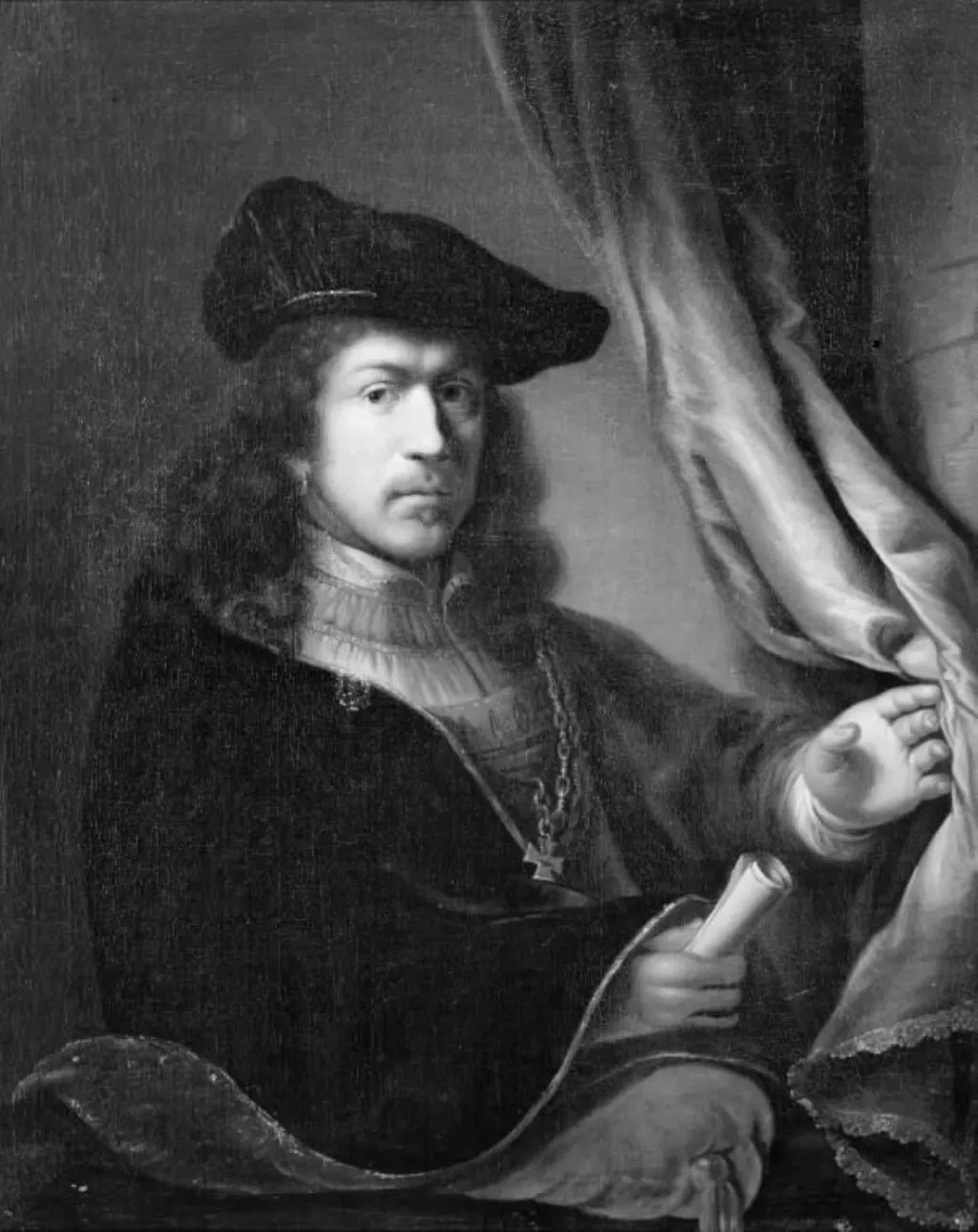
Portrait of a Man with a Hat and a Collar of an Order of Chivalry is an unspecified painting by Unknown. It dates from 1650 and is held in the collection of the Statens Museum for Kunst.
About this work
Overview
He holds a sheet of paper in his right hand and gazes directly at the viewer.
This portrait, dated around 1650, depicts a man dressed in formal attire, including a dark coat with a high collar and a broad-brimmed hat adorned with a feather. He holds a sheet of paper in his right hand and gazes directly at the viewer. The composition emphasizes his presence through stark lighting and a deep, shadowed background, conveying a sense of quiet authority without overt embellishment.
Subject & Meaning
The subject is identified by the collar of a chivalric order, suggesting he held a position of distinction, possibly within a noble or military institution. The paper he holds may indicate official correspondence or a document of status. His direct gaze and restrained expression reflect a composed dignity, aligning with the values of solemnity and duty expected of individuals bearing such honors in mid-17th-century Europe.
Technique & Style
The artist employs chiaroscuro to model the figure with sharp contrasts between light and shadow, giving the face and collar a three-dimensional presence against the dark, indistinct background. Brushwork is precise in rendering textures—fabric, feather, and paper—while the overall handling remains restrained. This approach prioritizes psychological presence over decorative detail, characteristic of Northern European portraiture of the period.
History & Provenance
The painting entered the collection of the Museum of Ethnography, though its origins prior to acquisition remain undocumented. Its subject’s attire and insignia suggest a European context, but the reason for its presence in an ethnographic institution is unclear. No definitive records link it to a specific commission or known historical figure, leaving its early history unresolved.
Context
Created around 1650, the portrait reflects the conventions of Northern European civic and aristocratic portraiture, where insignia and posture signaled social rank. While similar works by contemporaries often emphasized wealth or lineage, this image focuses on personal gravitas. The absence of landscape or elaborate furnishings aligns with a trend toward psychological intensity in mid-century Dutch and Flemish painting.
Legacy
Though the artist’s identity remains unconfirmed, the portrait stands as an example of how chivalric identity was visually encoded in private portraiture. Its preservation in an ethnographic museum raises questions about how cultural status is interpreted across institutional frameworks. The work continues to serve as a quiet testament to the visual language of authority in early modern Europe.
Artist & collection

 Domestic Scene
 Giacomo and Cardinal Marco, investing Andrea, Abbot of San Zeno, with his Benefice
 The Nymph of Fontainebleau
 Portrait of a Woman
 Madonna and Child with Saints in the Enclosed Garden
 Venus and Minerva
 Family Group of Four on Sofa
 Wall painting from Room H of the Villa of P. Fannius Synistor at Boscoreale
 Portret de bărbat
 Portrait of a Man
 Portrait of a gentleman
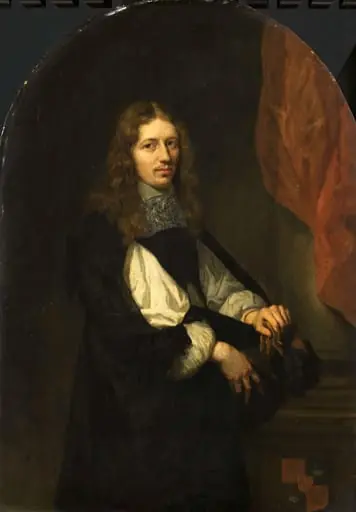 Portrait of Pieter de Graeff (1638-1707), lord of Zuid-Polsbroek, Purmerland, and Ilpendam. Alderman of Amsterdam
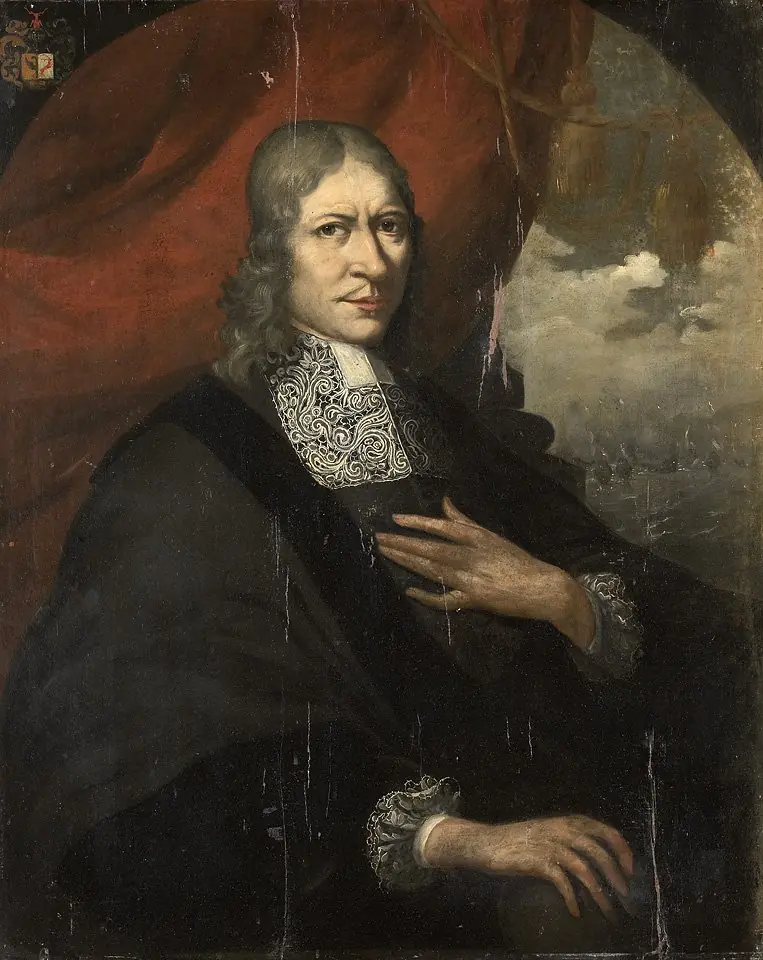 Portrait of Rycklof van Goens (1619-82). Gouverneur-generaal (1678-81)
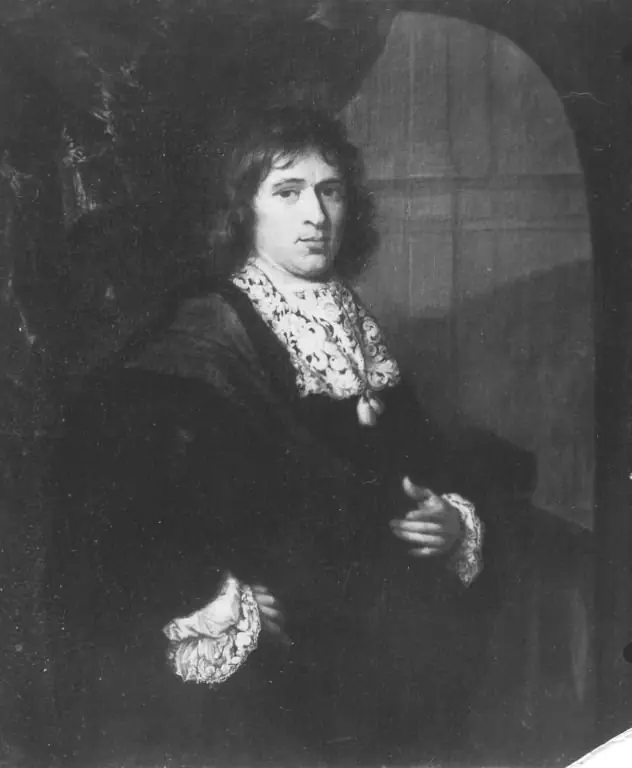 Bildnis eines jungen Mannes
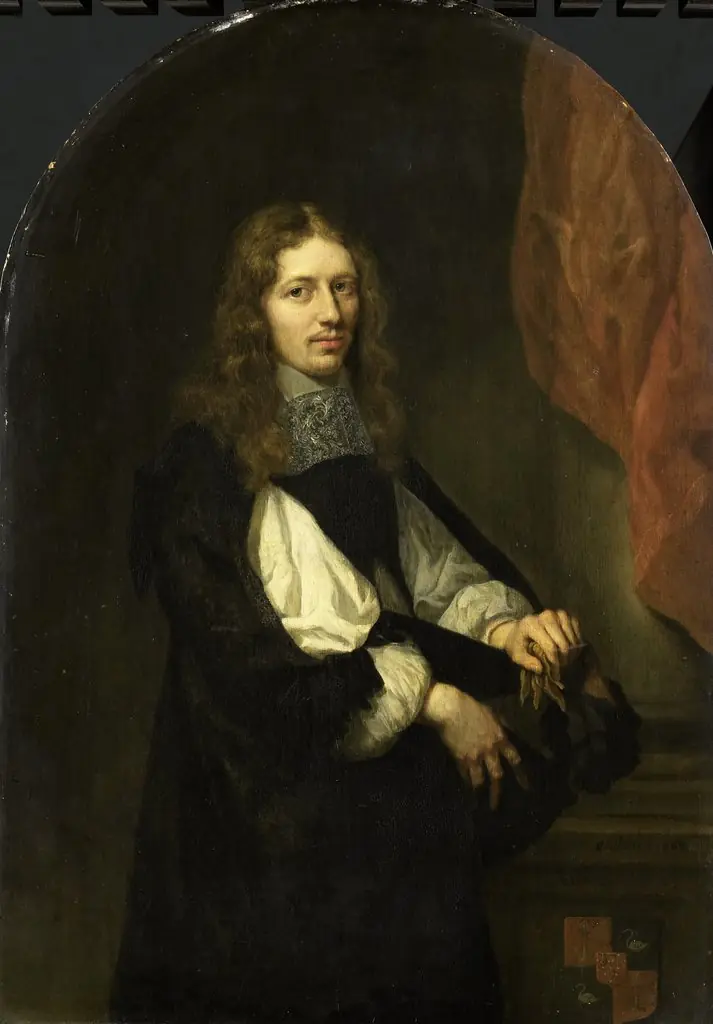 Portrait of Pieter de Graeff (1638-1707), lord of Zuid-Polsbroek, Purmerland, and Ilpendam. Alderman of Amsterdam
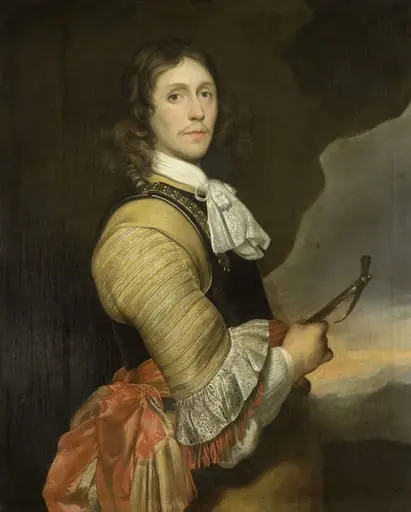 Portrait of a Captain
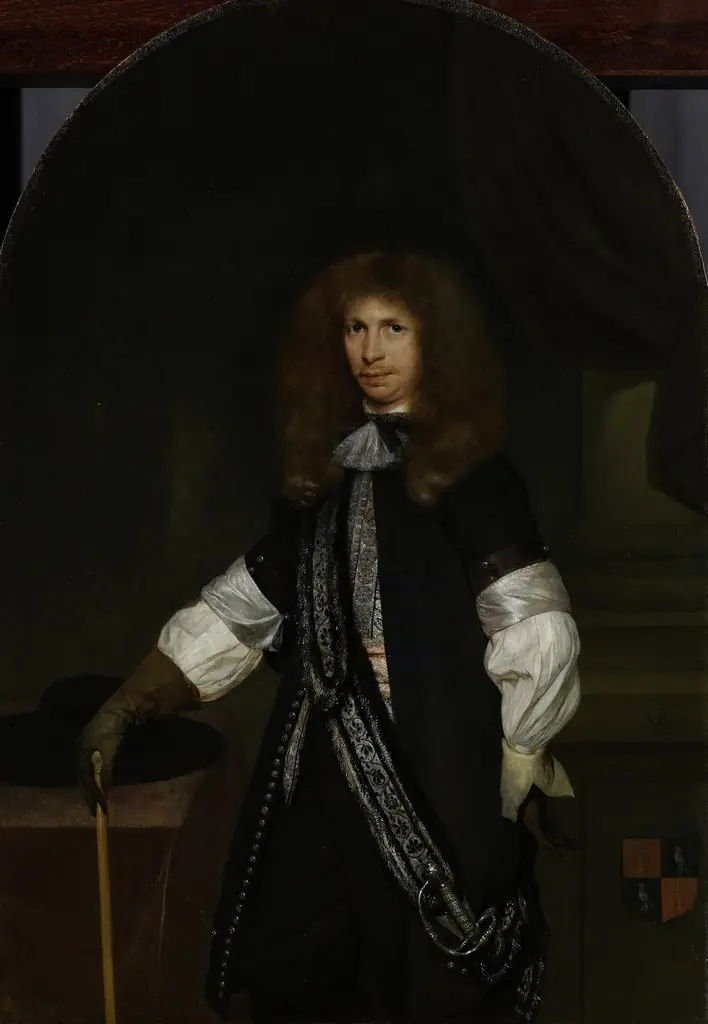 Portrait of Jacob de Graeff (1642-90), in the uniform of an officer
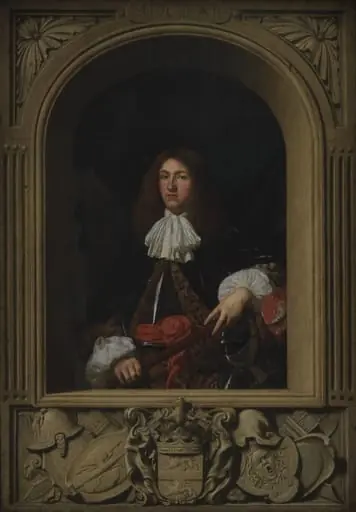 Portrait of Count Ulrik Frederik Gyldenløve
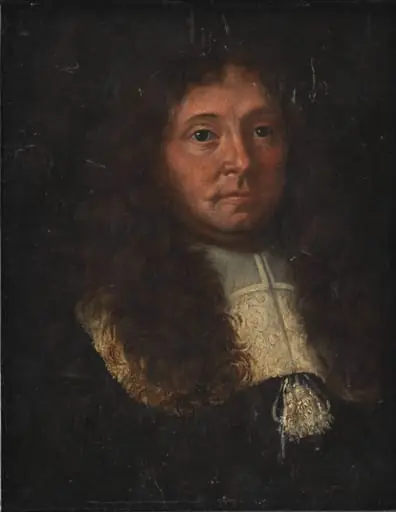 Mandsportræt
 Ferdinand Bolin omakuva