Artwork
Portrait of a gentleman
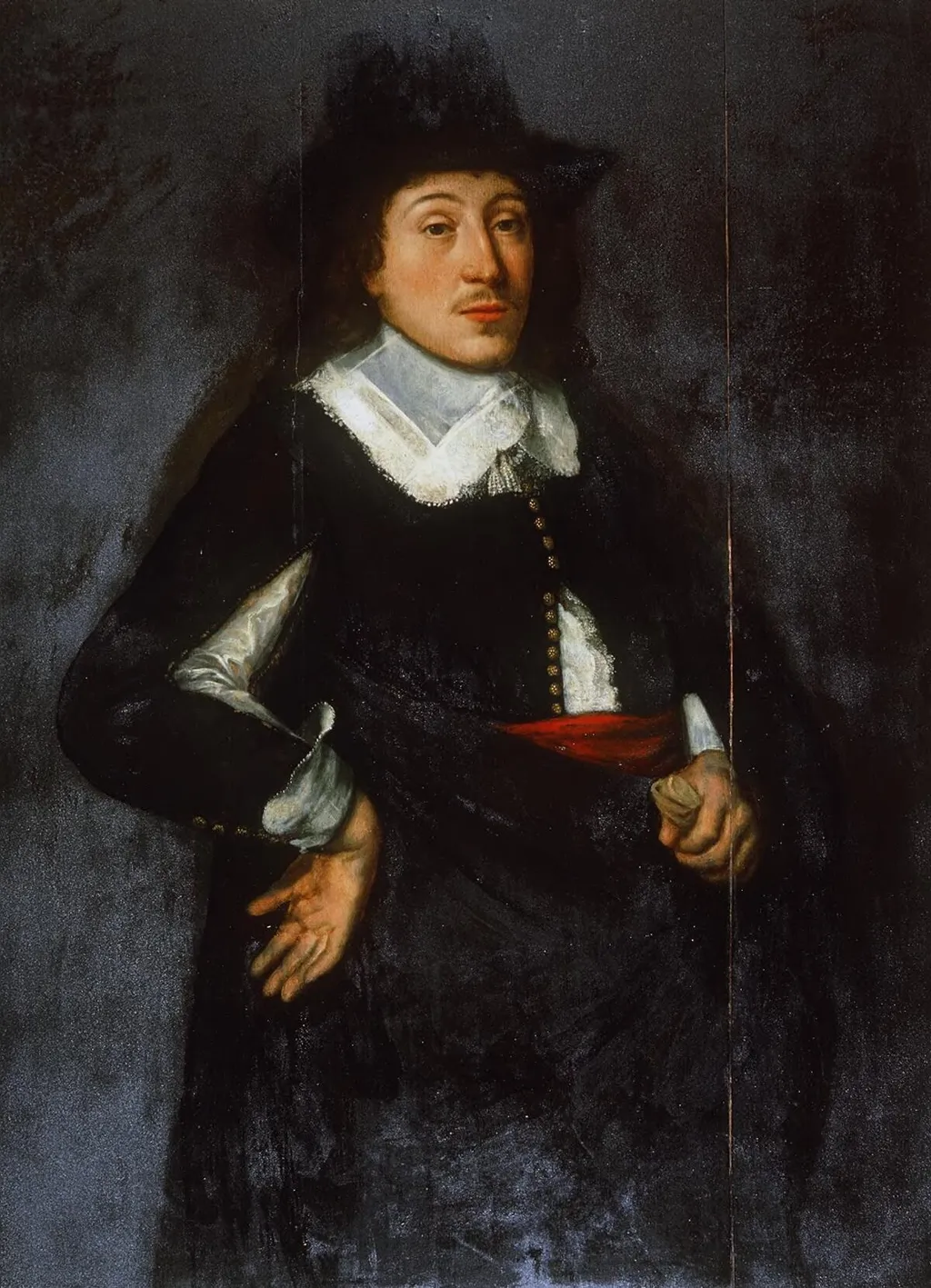
Portrait of a gentleman is an oil painting by the Dutch Golden Age artist Dutch School. It dates from 1600 and is held in the collection of the National Library of Wales.
About this work
If you're interested in learning more about the techniques used in this painting, you might want to look into glazing.
This portrait depicts a gentleman dressed in dark attire, with a white ruffled collar and cuffs. His right hand rests on his hip, while his left hand holds a rolled-up paper.
The subject's attire and the style of the painting suggest it is from the early 17th century. The use of dark colors and the gentleman's formal pose give the portrait a sense of dignity.
The painting is held at the National Library of Wales. If you're interested in learning more about the techniques used in this painting, you might want to look into glazing.
Overview
This oil painting, attributed to the Dutch School and dated around 1600, presents a formal portrait of an unidentified gentleman. Executed with restrained palette and precise detail, it reflects the conventions of early 17th-century Northern European portraiture. The work is part of the collection at the National Library of Wales, where it is preserved as an example of regional artistic practice during the period.
Subject & Meaning
The sitter, dressed in somber black garments, wears a crisp white ruff and matching cuffs, signaling social standing and refinement. His right hand rests confidently on his hip, while his left holds a rolled document, suggesting literacy, authority, or civic engagement. The composed posture and direct gaze convey quiet dignity, typical of portraits intended to affirm the subject’s status rather than express individual emotion.
Technique & Style
The painting employs glazing techniques common in Dutch portraiture, layering thin translucent oils to achieve depth in the dark fabrics and luminous texture in the linen collar. Brushwork is controlled and precise, with attention to the play of light on surfaces. The background is muted and indistinct, focusing attention entirely on the figure and his attire, reinforcing the portrait’s formal, restrained character.
History & Provenance
The painting’s early history remains undocumented, but its style and materials align with Dutch workshop practices of the late 16th and early 17th centuries. It entered the National Library of Wales’ collection in the 20th century, likely through donation or acquisition. Its preservation in a library rather than an art museum suggests it was valued for historical or archival significance as much as aesthetic merit.
Context
Created during a period when Dutch portraiture was shifting from rigid formalism toward greater psychological nuance, this work retains the solemnity of earlier traditions. It reflects the influence of Flemish and Netherlandish models, where clothing and posture served as markers of identity. The absence of landscape or symbolic objects indicates a preference for understated elegance over narrative embellishment.
Legacy
Though unsigned and unattributed to a specific artist, the portrait stands as a representative example of provincial Dutch portraiture from the turn of the 17th century. It contributes to scholarly understanding of how social identity was visually constructed outside major artistic centers. Its continued presence in a national library underscores its role as a cultural artifact beyond mere artistic expression.
Own this work as a print
Artist & collection
Artist
This artist was part of the Dutch School, painting quiet moments and detailed scenes in oil.

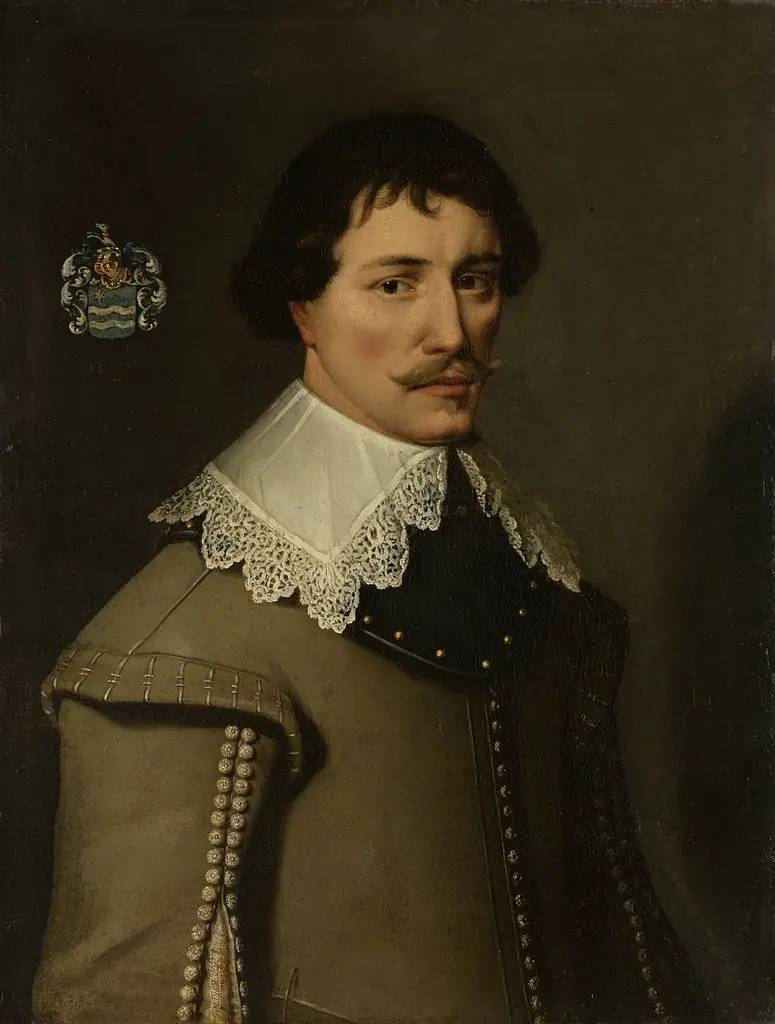 Portrait of Nicolaas de Witte (1603-29)
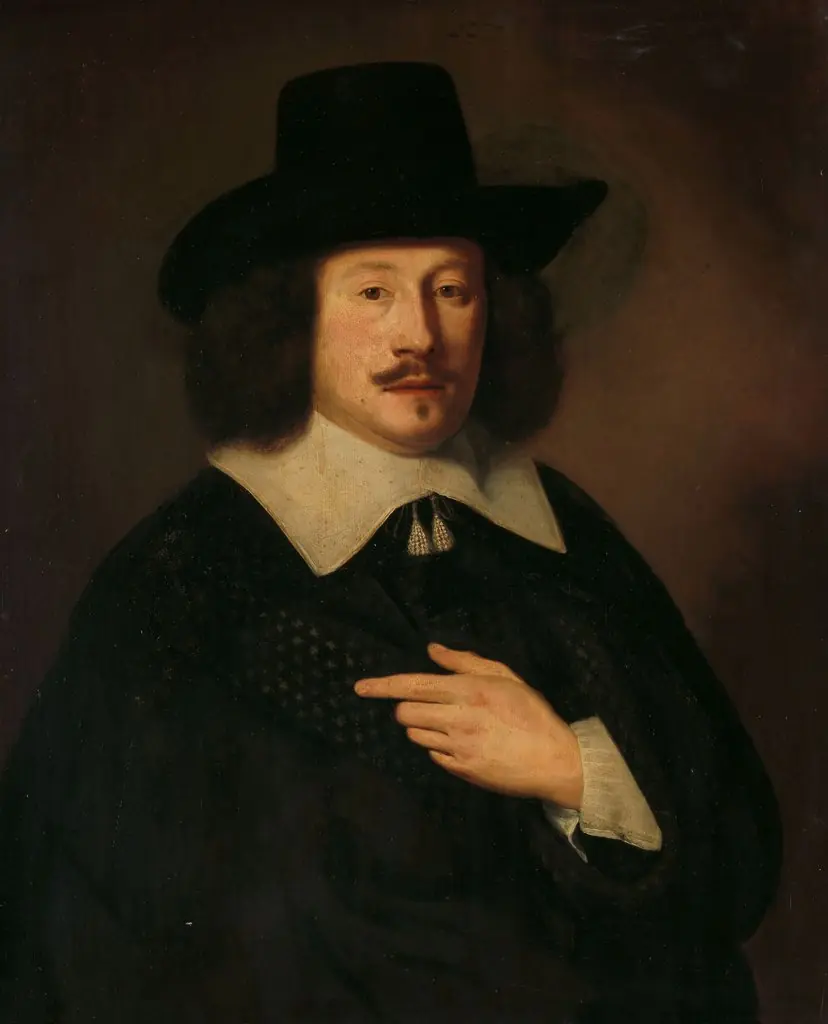 Portrait of a man
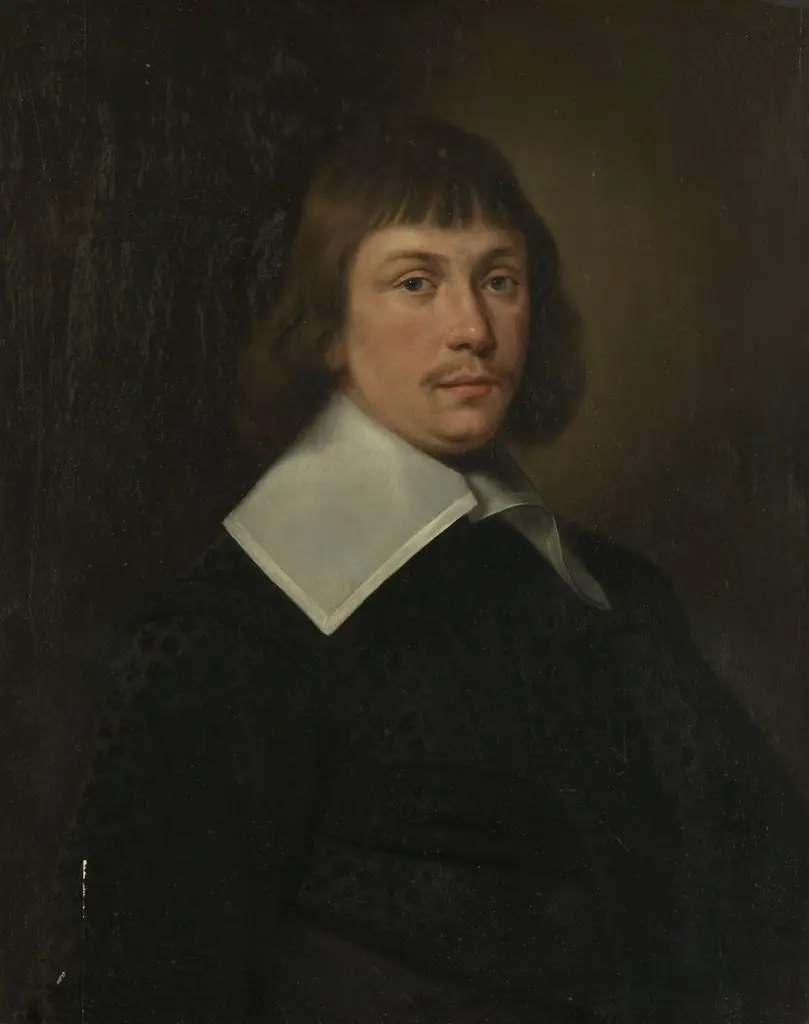 Portrait of a man
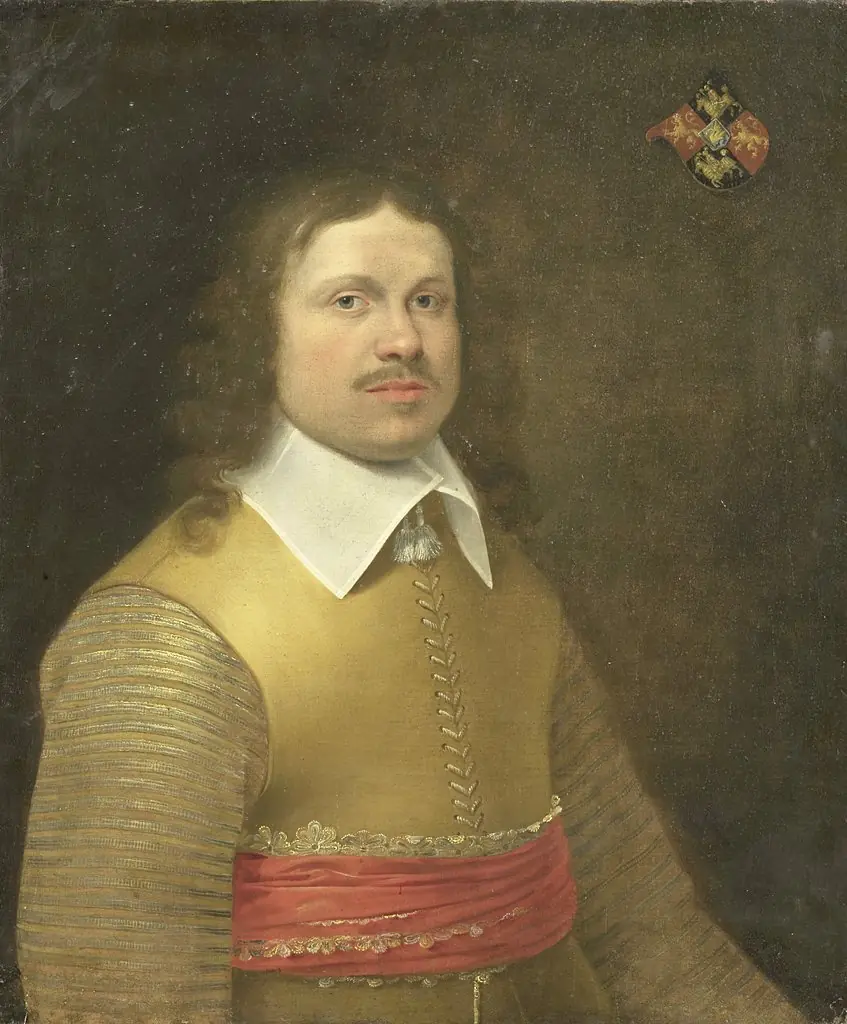 Portrait of Herman van der Hem van Nederstein (Herman Gysbert van der Hemm van Niederstein) (died 1671)
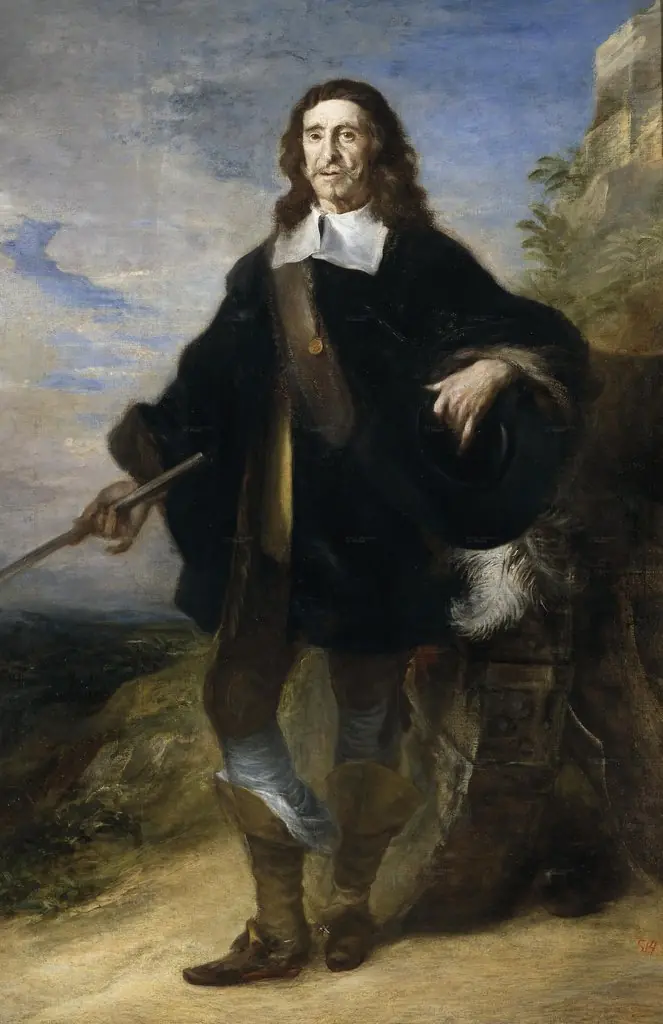 An Artillery General
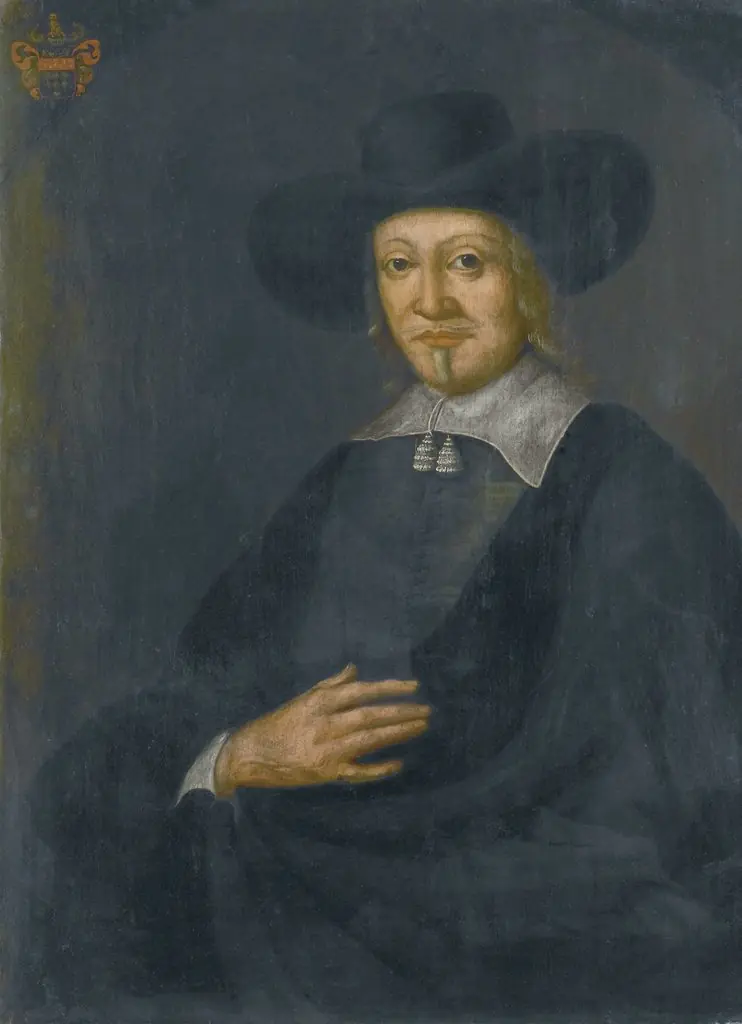 Portrait of Karel Reyniersz, Governor-General of the Dutch East Indies
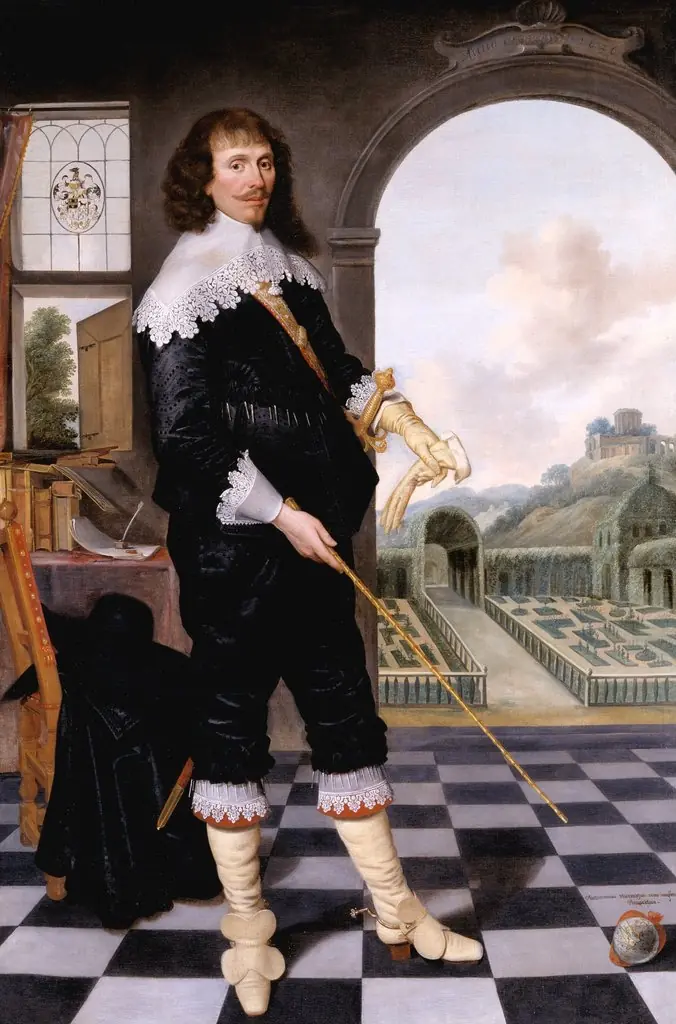 William Style of Langley
 Bildnis eines Mannes (Art des)
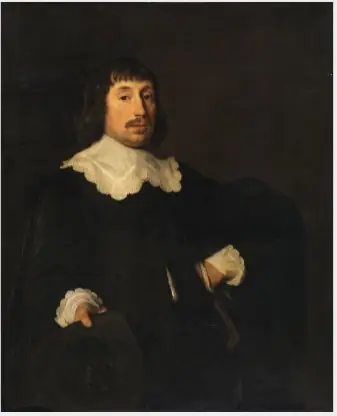 Portrait of a Man
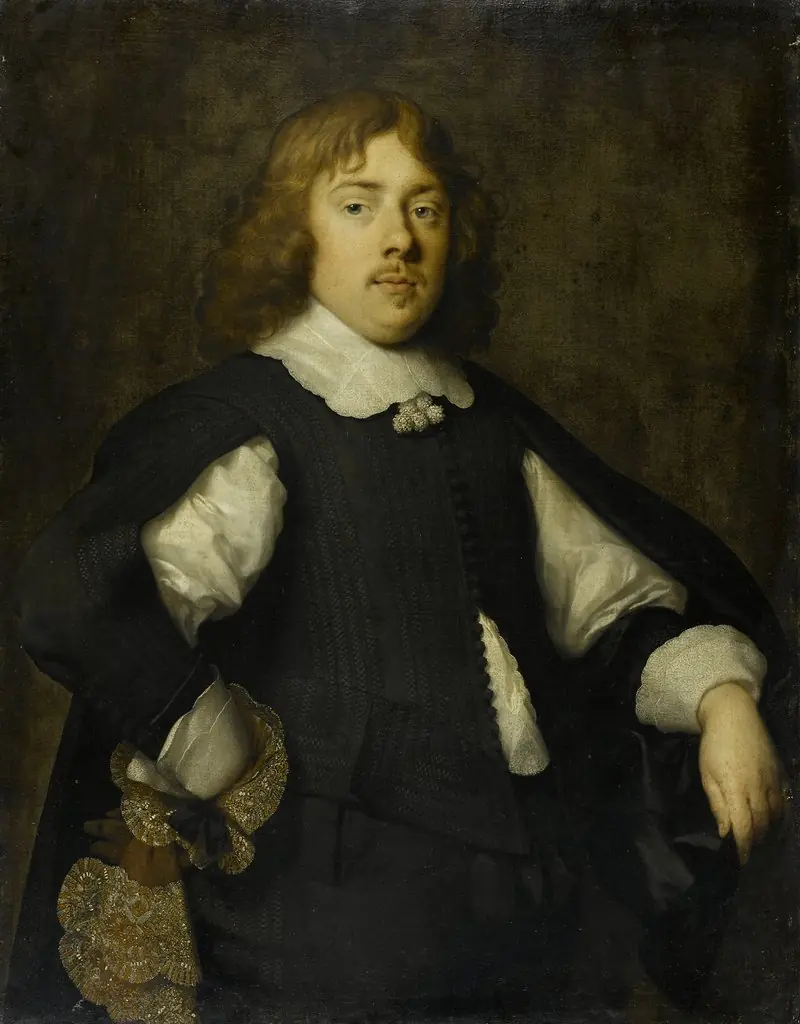 Portrait of Joan Pietersz Reael (1625-59)
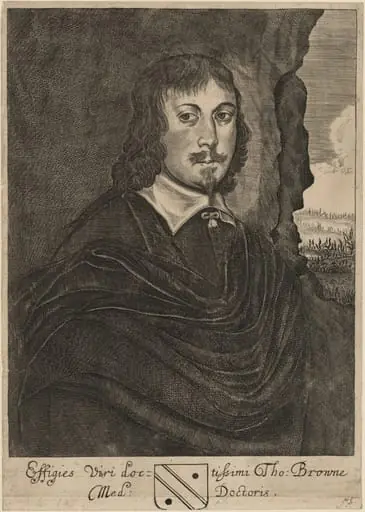 Tho. Browne, Med. Doctoris (Sir Thomas Browne, M.D.)
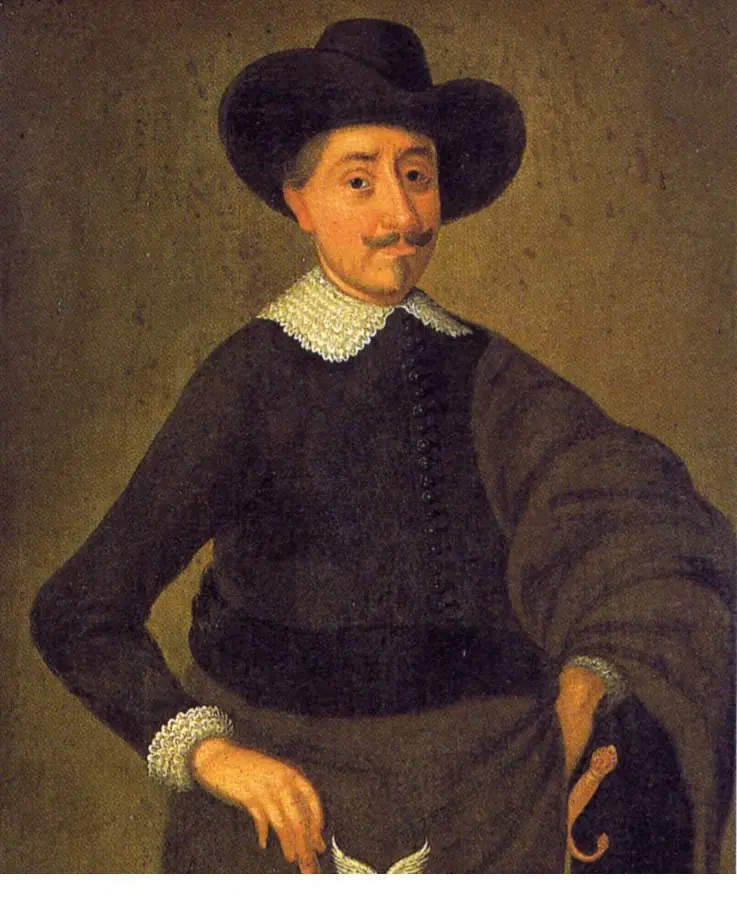 Portrait of Antonio van Diemen (1593-1645)