Artwork
St Margaret
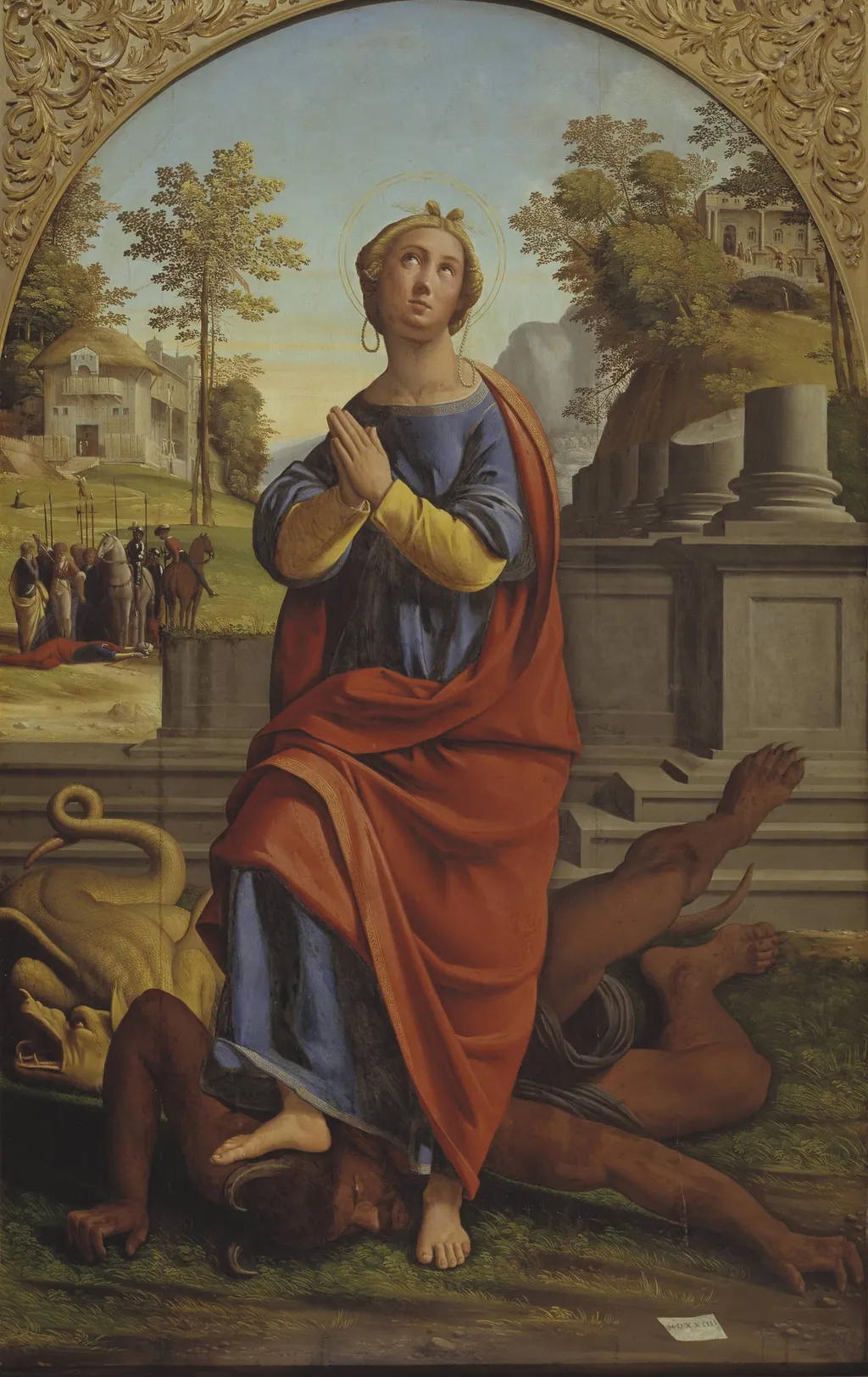
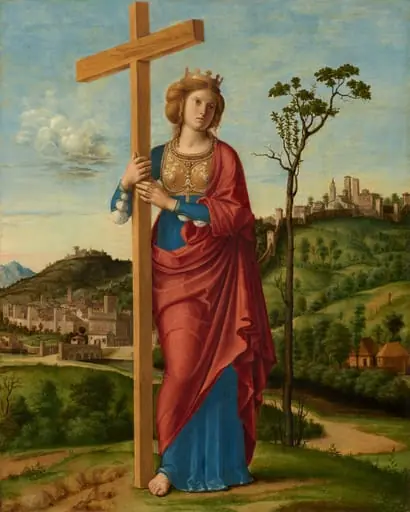
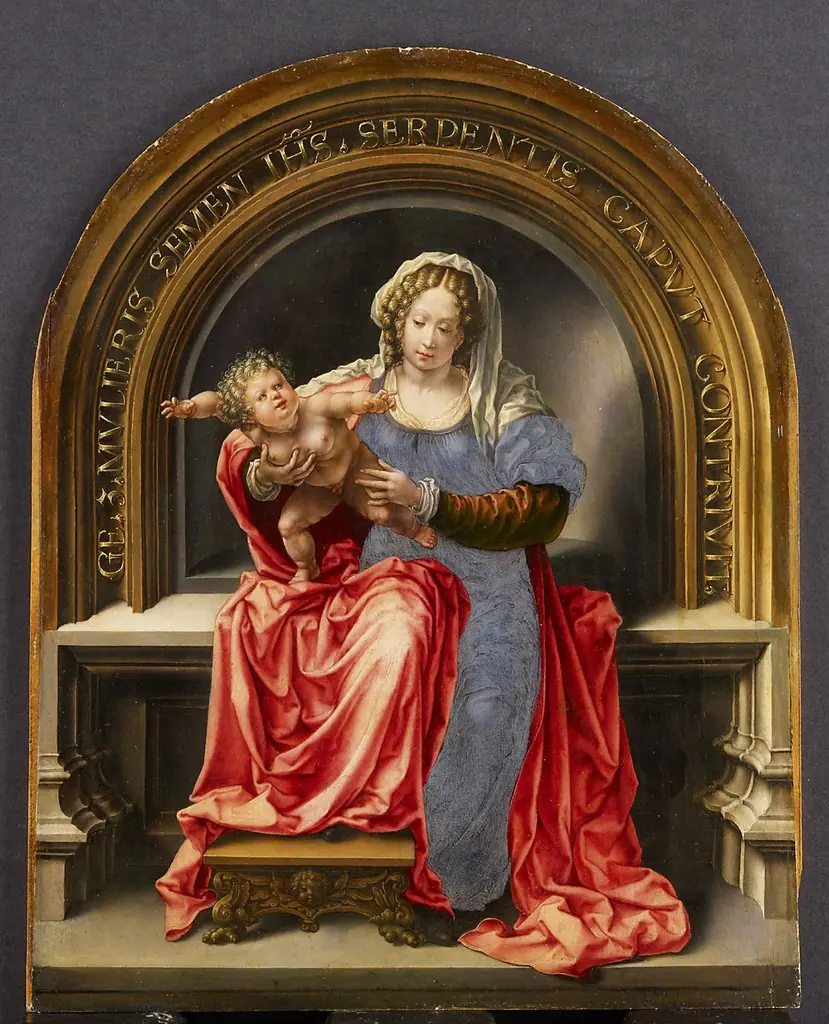
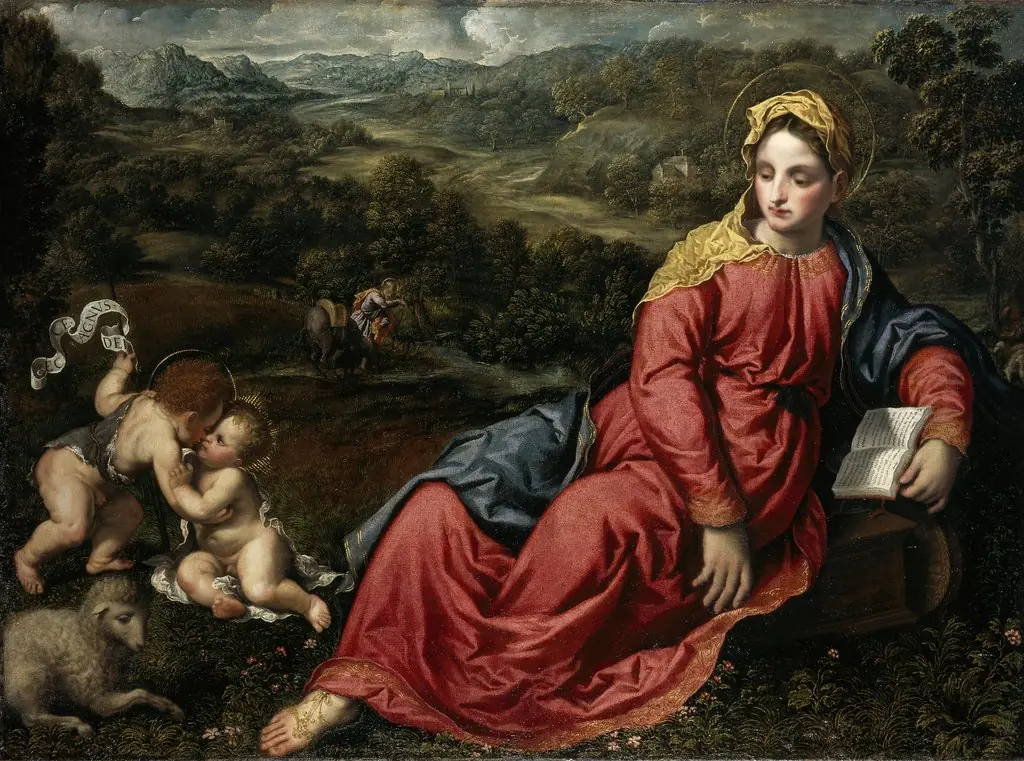
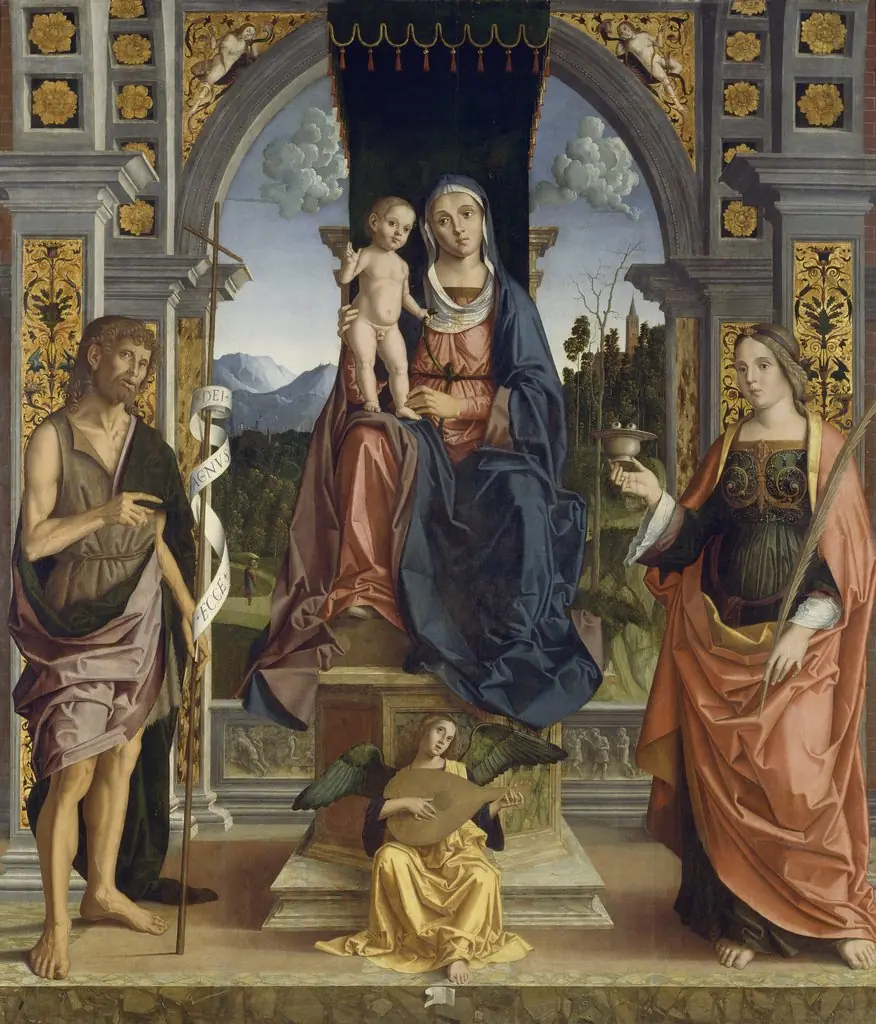
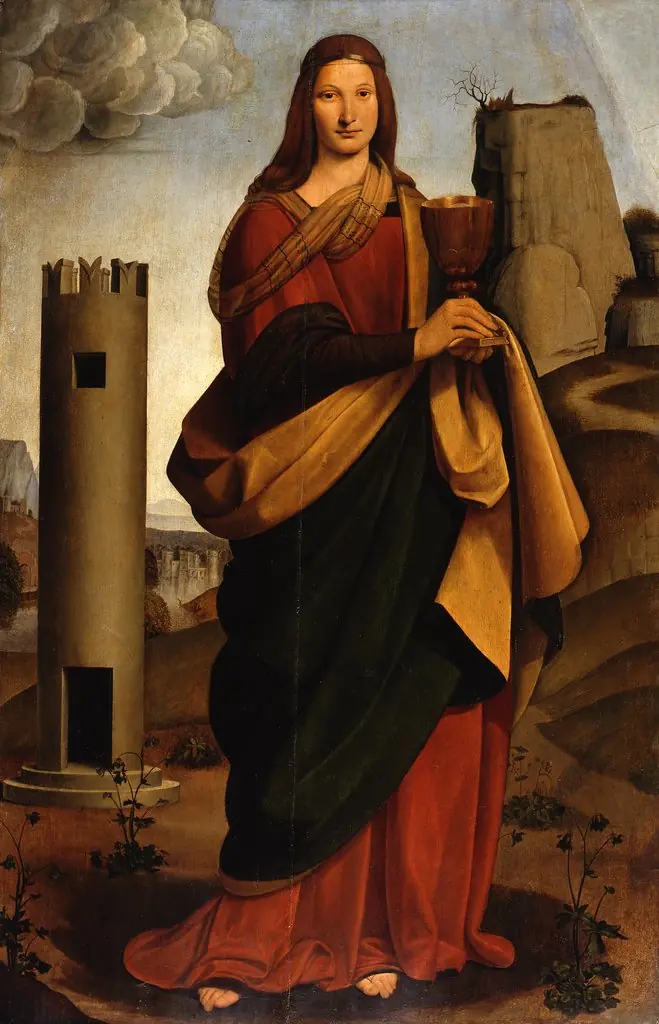
St Margaret is a photography by the Renaissance artist Unknown. It dates from 1524 and is held in the collection of the Statens Museum for Kunst. Painted in 1524, this work portrays Saint Margaret of Antioch, a Christian martyr traditionally depicted in triumph over a dragon.
About this work
Overview
Painted in 1524, this work portrays Saint Margaret of Antioch, a Christian martyr traditionally depicted in triumph over a dragon. The image is held in the Museum of Ethnography and reflects late medieval hagiographic conventions. Though dated to the 16th century, its style draws from earlier devotional traditions, emphasizing symbolic narrative over naturalism.
Subject & Meaning
The scene illustrates the legend of Saint Margaret being swallowed by a dragon, from whose mouth she emerged unharmed, often shown standing atop it. Here, the dragon’s head is visible beside her, while a man beneath her feet may represent the demonized form of the beast or a symbolic adversary. Her prayerful posture underscores divine protection and spiritual fortitude amid suffering.
Technique & Style
The painting employs flat, decorative color fields with minimal modeling, characteristic of regional devotional art of the period.
The painting employs flat, decorative color fields with minimal modeling, characteristic of regional devotional art of the period. The woman’s blue dress, yellow sleeves, and red cloak create a structured chromatic harmony. The background landscape is simplified, with stylized trees and buildings serving as spatial indicators rather than realistic settings, reinforcing symbolic intent over illusionism.
History & Provenance
The work entered the Museum of Ethnography’s collection in the late 19th or early 20th century, likely acquired through ecclesiastical or regional donations. Its attribution to a specific artist remains uncertain, as it bears no signature and aligns with anonymous workshop production common in religious imagery of the time.
Context
Created during the early Reformation, this image reflects enduring Catholic devotional practices despite growing Protestant criticism of saint veneration. Similar depictions of Margaret were widespread in Central and Eastern Europe, often displayed in chapels or private altars to invoke protection against evil and illness.
Legacy
The painting preserves a visual tradition of martyrdom iconography that persisted in folk and ecclesiastical art long after its production. Though not widely known today, it contributes to understanding how religious narratives were adapted locally, blending theological symbolism with regional aesthetic preferences.
Artist & collection

 Domestic Scene
 Giacomo and Cardinal Marco, investing Andrea, Abbot of San Zeno, with his Benefice
 The Nymph of Fontainebleau
 Portrait of a Woman
 Madonna and Child with Saints in the Enclosed Garden
 Venus and Minerva
 Family Group of Four on Sofa
 Wall painting from Room H of the Villa of P. Fannius Synistor at Boscoreale