Artwork
Hercules and Envy
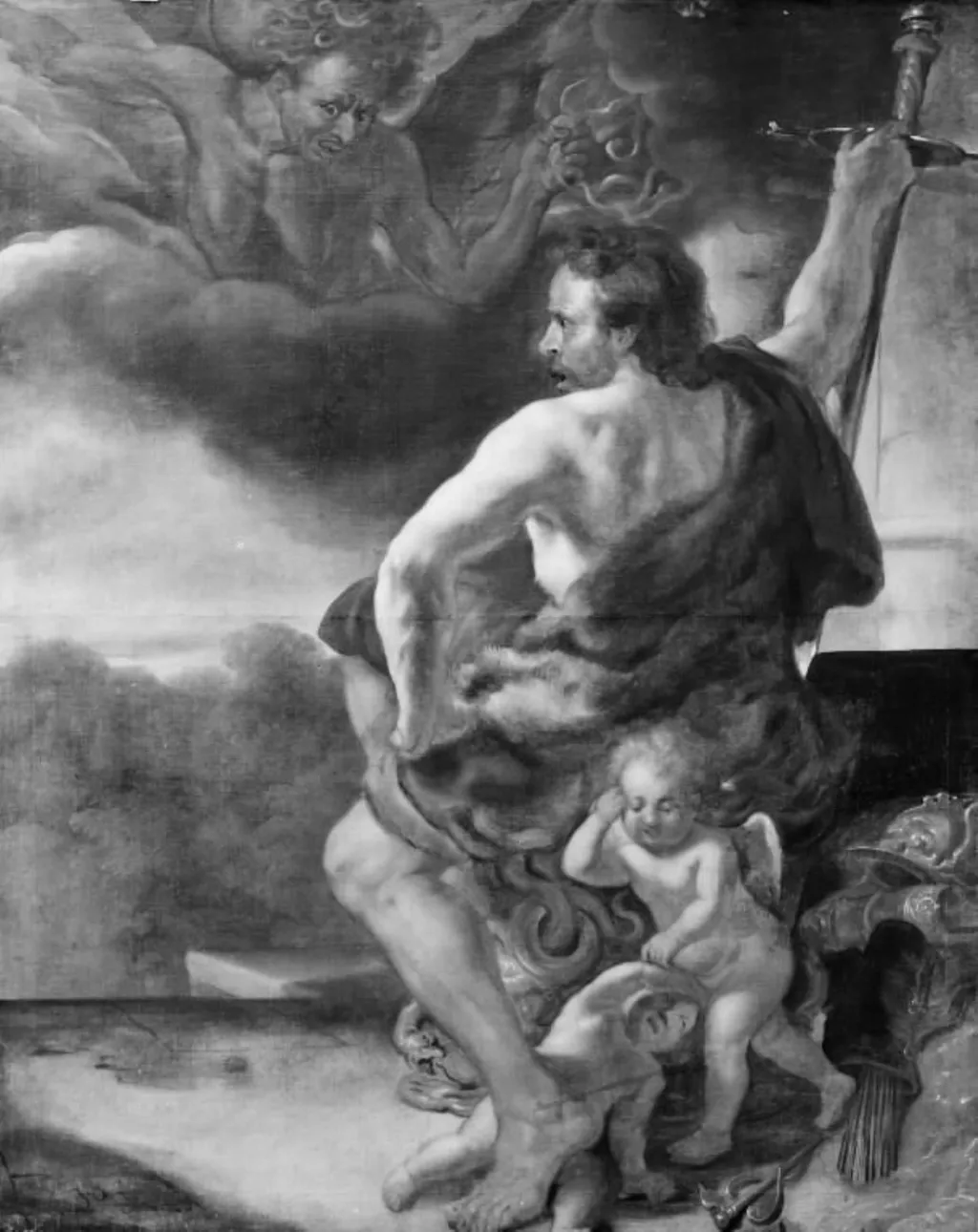
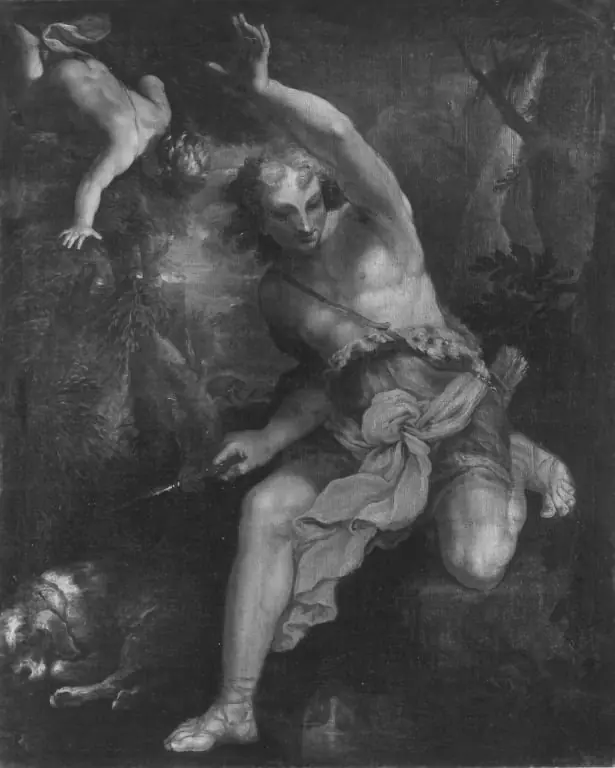
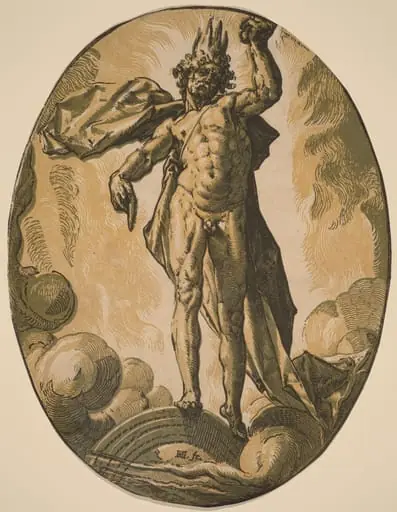
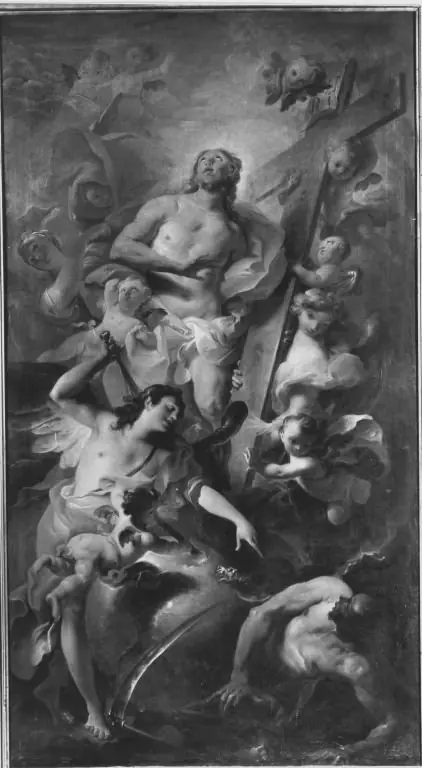
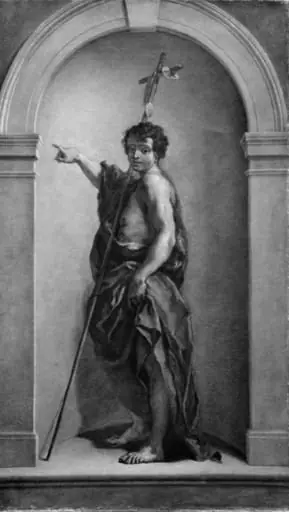
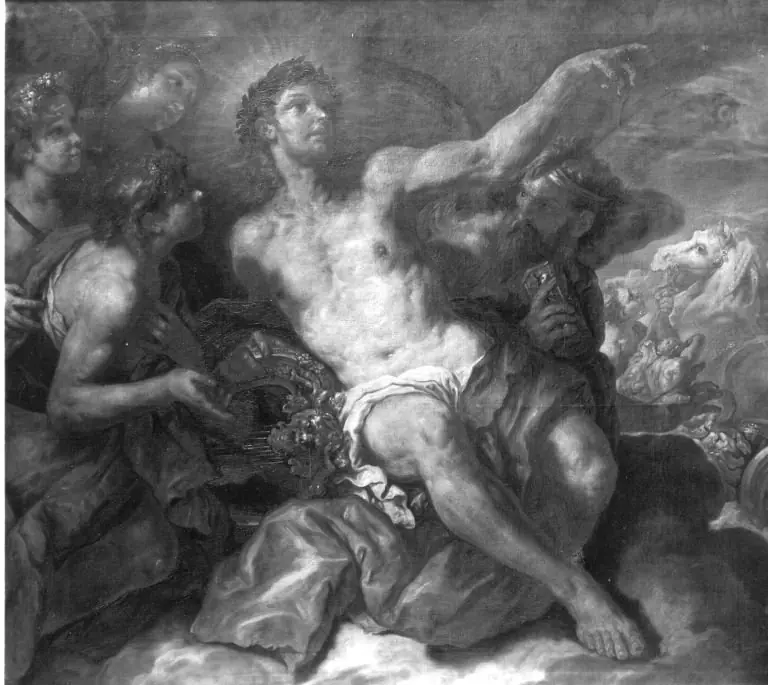
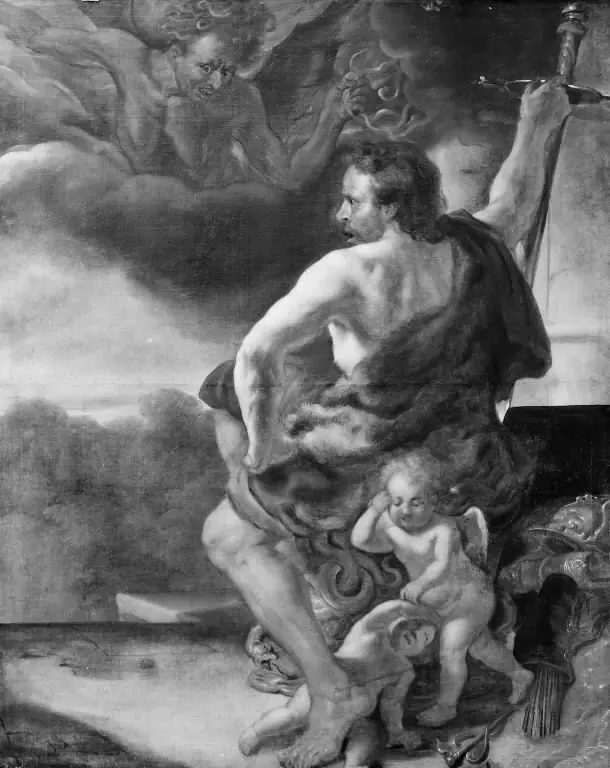
Hercules and Envy is a photography by Unknown. It dates from 1650 and is held in the collection of the Statens Museum for Kunst. Painted around 1650, this mythological work depicts Hercules confronting a personified force of envy.
About this work
Overview
Painted around 1650, this mythological work depicts Hercules confronting a personified force of envy. The artist, active in the early 18th century but working in the mid-17th, rendered the scene with dramatic lighting and textured detail. The painting is now part of the Museum of Ethnography’s collection, where it is displayed as an example of allegorical imagery from the Baroque period.
Subject & Meaning
The composition frames Hercules not as a triumphant hero, but as a weary figure burdened by moral and psychological struggle.
Hercules, exhausted and bearded, rides a wild, shaggy creature symbolizing the uncontrollable nature of envy. Perched atop it is a small, chubby child holding a bow—representing the insidious, persistent quality of envy. Shadowy figures in the clouds suggest the unseen influence of societal judgment. The composition frames Hercules not as a triumphant hero, but as a weary figure burdened by moral and psychological struggle.
Technique & Style
The artist employs chiaroscuro to heighten emotional tension, using stark contrasts between deep shadows and illuminated forms to isolate the central figures. Thick, expressive brushwork renders the beast’s fur with tactile intensity, while the blurred, indistinct faces in the background dissolve into darkness. The palette is restrained, dominated by earth tones and muted grays, reinforcing the somber tone of the allegory.
History & Provenance
The painting entered the Museum of Ethnography’s holdings in the late 19th century, though its earlier ownership remains undocumented. Its attribution to an artist active around 1702 is based on stylistic analysis and archival references to similar works from the mid-1600s. It was likely commissioned by a private collector interested in moral allegories, common among European patrons of the time.
Context
Created during a period when European art increasingly turned to psychological and moral themes, this work reflects broader cultural anxieties about vice and inner turmoil. While classical mythology was a common vehicle for such narratives, the depiction of envy as a physical, riding force diverges from conventional iconography, suggesting a more personal or regional interpretation of the myth.
Legacy
Though not widely exhibited or reproduced, the painting remains a rare example of Baroque allegory that prioritizes psychological weight over heroic grandeur. Its inclusion in an ethnographic museum underscores its value as a cultural artifact reflecting early modern European conceptions of vice, rather than as a purely aesthetic object.
Artist & collection

 Domestic Scene
 Giacomo and Cardinal Marco, investing Andrea, Abbot of San Zeno, with his Benefice
 The Nymph of Fontainebleau
 Portrait of a Woman
 Madonna and Child with Saints in the Enclosed Garden
 Venus and Minerva
 Family Group of Four on Sofa
 Wall painting from Room H of the Villa of P. Fannius Synistor at Boscoreale