Artwork
Tvende fruentimmer i halv figur
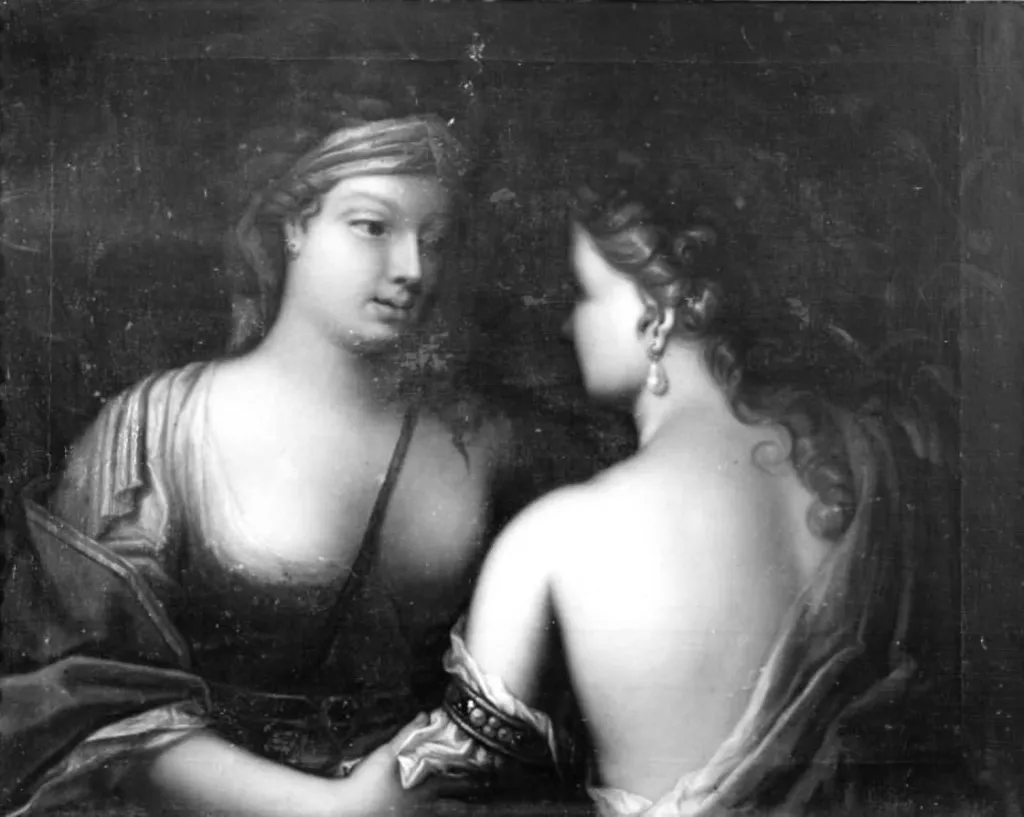
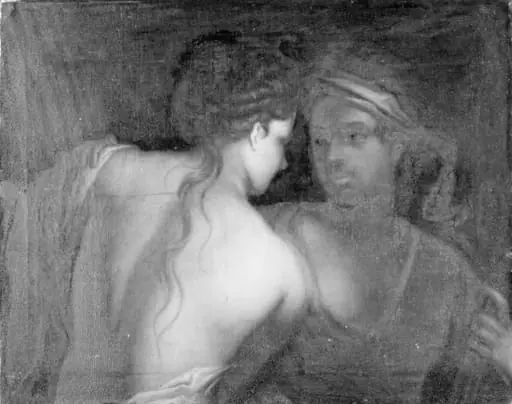
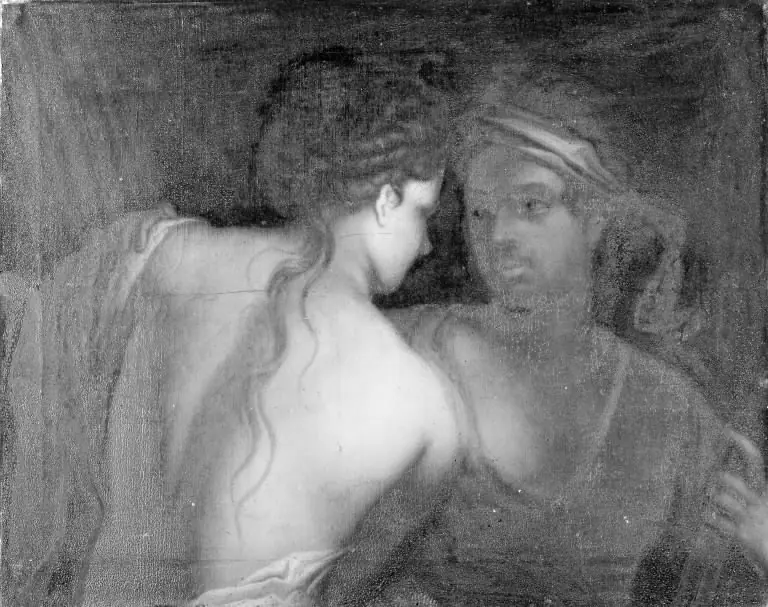
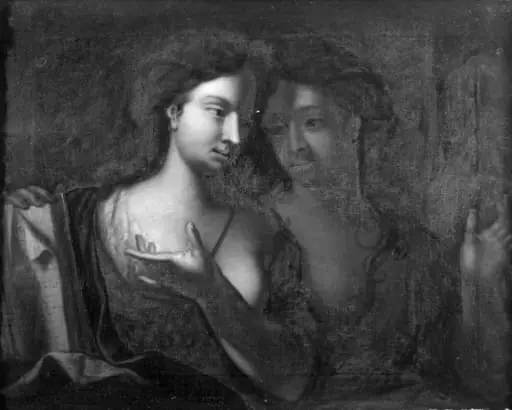
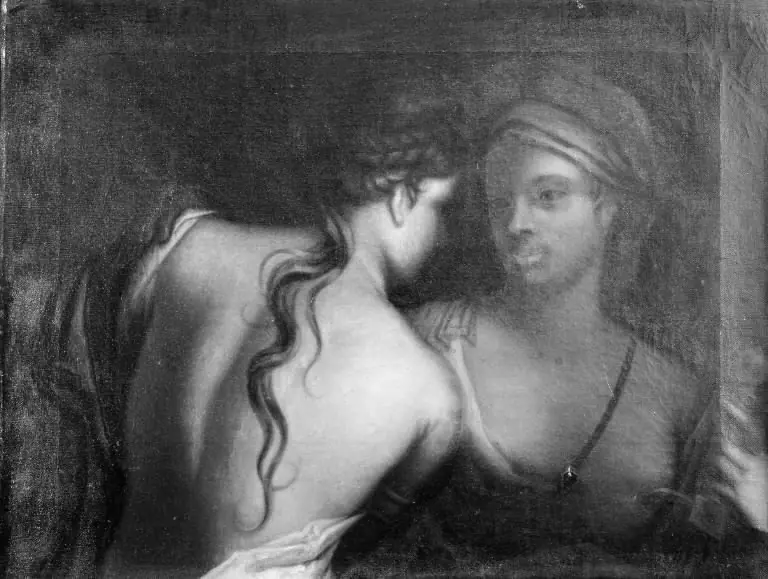
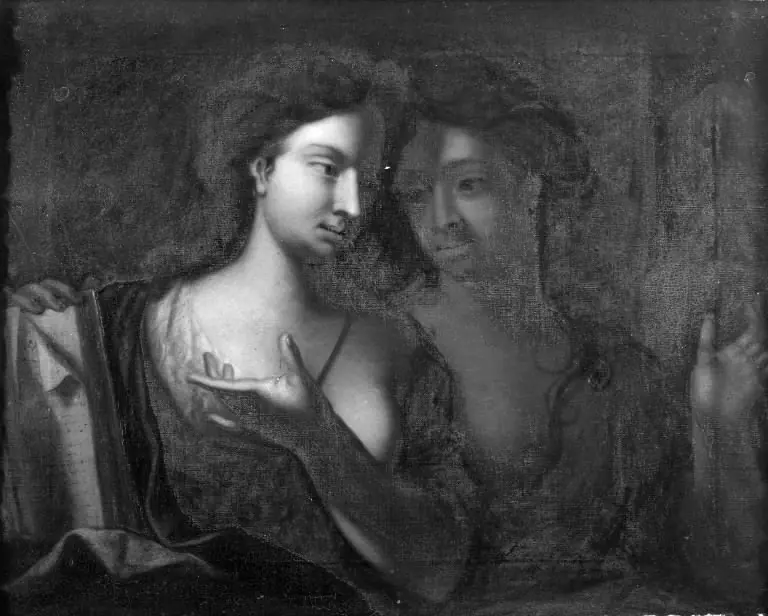
Tvende fruentimmer i halv figur is a photography by Unknown. It dates from 1750 and is held in the collection of the Statens Museum for Kunst. This black-and-white photograph, dated around 1750, depicts two women seated in half-figure, captured in a quiet, intimate composition.
About this work
Overview
This black-and-white photograph, dated around 1750, depicts two women seated in half-figure, captured in a quiet, intimate composition.
This black-and-white photograph, dated around 1750, depicts two women seated in half-figure, captured in a quiet, intimate composition. Attributed to 1703_person, the image is part of the Museum of Ethnography’s collection. The absence of color and the stark contrast between light and shadow emphasize the figures’ forms, suggesting a deliberate focus on posture and presence rather than ornamentation.
Subject & Meaning
The two women sit in close proximity, one resting her hand on the other’s shoulder, suggesting familiarity or kinship. Their simple attire and restrained gestures convey a sense of everyday life, unposed and unidealized. The lack of contextual details—no furniture, no background elements—directs attention to their physical connection, possibly reflecting domestic or communal bonds common in the period.
Technique & Style
The image employs strong chiaroscuro, with light falling sharply across the women’s faces and bare arms, contrasting against a deep, uniform background. This technique enhances volume and texture, giving the figures a sculptural presence. The soft modeling of their features and the clean lines of their hair suggest an emphasis on naturalism, avoiding theatricality in favor of quiet realism.
History & Provenance
Created circa 1750, the photograph is attributed to 1703_person, though little is known about the artist’s identity or intent. It entered the Museum of Ethnography’s holdings as part of a broader collection documenting regional dress and social customs. Its preservation as a photographic record reflects early efforts to catalog everyday life, rather than elite or ceremonial scenes.
Context
In the mid-18th century, photographic technology was not yet developed, suggesting this may be a drawing or print mislabeled as a photograph. Alternatively, it could be a later photographic reproduction of an earlier image. Either way, its inclusion in an ethnographic collection implies an interest in capturing regional customs, possibly from Northern Europe, where such modest, unadorned portraiture was common among non-elite populations.
Legacy
The image endures as a quiet record of ordinary female presence in the 18th century, offering insight into informal social dynamics and aesthetic preferences outside formal portraiture. Its simplicity contrasts with the ornate styles of aristocratic art, making it a valuable reference for scholars studying daily life, gender, and visual representation in pre-industrial societies.
Artist & collection

 Domestic Scene
 Giacomo and Cardinal Marco, investing Andrea, Abbot of San Zeno, with his Benefice
 The Nymph of Fontainebleau
 Portrait of a Woman
 Madonna and Child with Saints in the Enclosed Garden
 Venus and Minerva
 Family Group of Four on Sofa
 Wall painting from Room H of the Villa of P. Fannius Synistor at Boscoreale
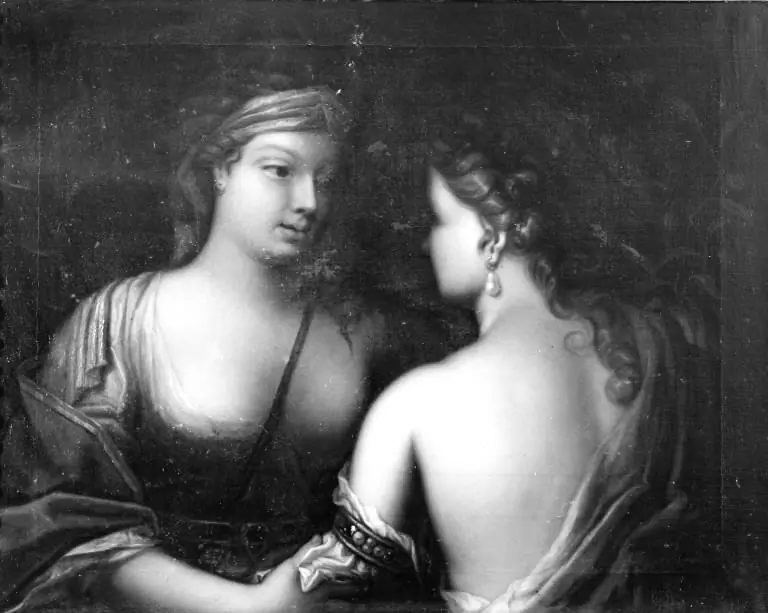 Tvende fruentimmer i halv figur
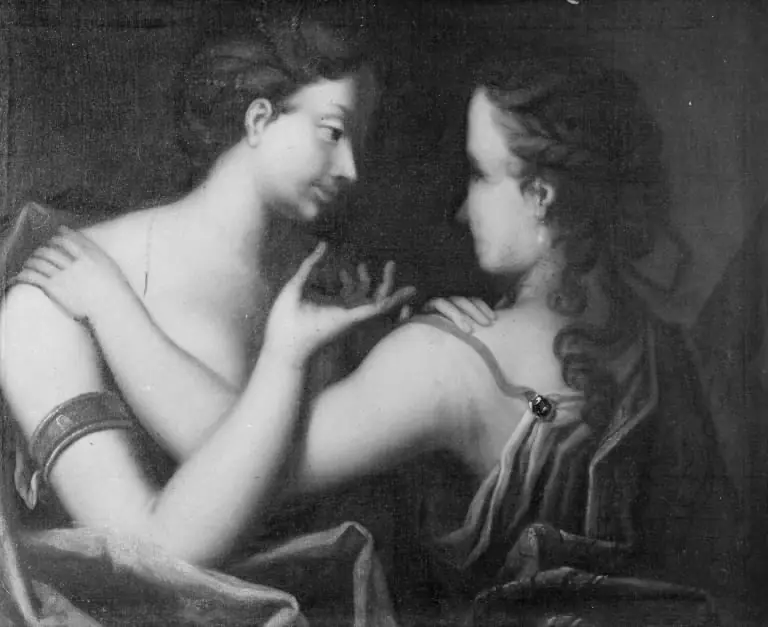 Tvende fruentimmere, halve figurer, conversere
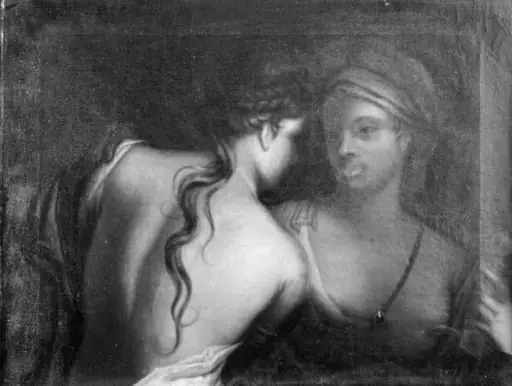 Tvende fruentimmere i samtale
 Tvende fruentimmere taler sammen
 Tvende fruentimmere taler sammen
 Tvende fruentimmer, hvoraf den forreste holder en bog i sin hånd
 Tvende fruentimmere i samtale
 Tvende fruentimmer, hvoraf den forreste holder en bog i sin hånd