Artwork
Tvende fruentimmer, hvoraf den forreste holder en bog i sin hånd
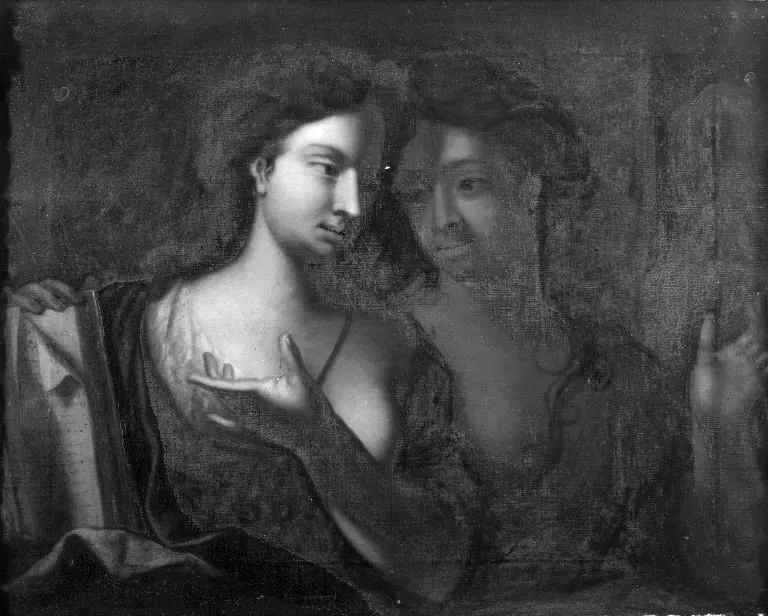
Tvende fruentimmer, hvoraf den forreste holder en bog i sin hånd is an oil painting by the Rococo painting artist Jacques d'Agar. It dates from 1694 and is held in the collection of the Statens Museum for Kunst.
About this work
Overview
D'Agar, originally trained in Paris as a history painter, shifted to portraiture after relocating to Denmark in 1682 to escape religious persecution.
Painted in 1694 by Jacques d'Agar, this oil-on-canvas work portrays two women in a quiet, intimate setting. D'Agar, originally trained in Paris as a history painter, shifted to portraiture after relocating to Denmark in 1682 to escape religious persecution. The painting is now held in the collection of Statens Museum for Kunst, reflecting his later career in the Danish court and his adaptation to Northern European tastes.
Subject & Meaning
The painting features two women, one facing the viewer with a book in hand, the other turned slightly away. The book suggests intellectual engagement, possibly indicating literacy or spiritual reflection. Their somber attire and subdued expressions convey a sense of introspection rather than grandeur. The direct gaze of the foreground figure creates a subtle connection with the observer, inviting contemplation without narrative clarity.
Technique & Style
D'Agar employs a restrained palette of dark tones, with the figures emerging from a near-black background. The foreground woman is rendered with sharper detail and stronger contrast, while the background figure is softly blurred, enhancing spatial depth. Brushwork is precise yet unobtrusive, favoring quiet realism over ornamental flourish. The composition avoids theatricality, aligning with the understated elegance of late 17th-century Northern portraiture.
History & Provenance
Created during d'Agar’s tenure at the Danish court, the painting reflects his transition from French academic traditions to the more reserved aesthetic of Scandinavian patrons. After fleeing France in 1682 due to his Protestant faith, he found patronage in Copenhagen. The work entered the Danish national collection in the 19th century, where it remains as part of a broader effort to document courtly culture under the Oldenburg monarchy.
Context
In late 17th-century Denmark, portraiture served both personal and political functions, often signaling status through subtle cues like books or clothing. D'Agar’s work aligns with a broader trend among exiled French artists who brought refined techniques to Protestant courts. Unlike the opulence of French royal portraiture, these works emphasized restraint, reflecting both religious values and the cultural priorities of their new patrons.
Legacy
Though not widely known outside Denmark, d'Agar’s portraits contributed to the development of a distinct Nordic portrait tradition that valued quiet dignity over flamboyance. This painting exemplifies his ability to merge French training with Northern sensibilities. It remains a key example of how displaced artists influenced regional art, preserving a moment of cultural exchange during a period of religious and political upheaval.
Artist & collection
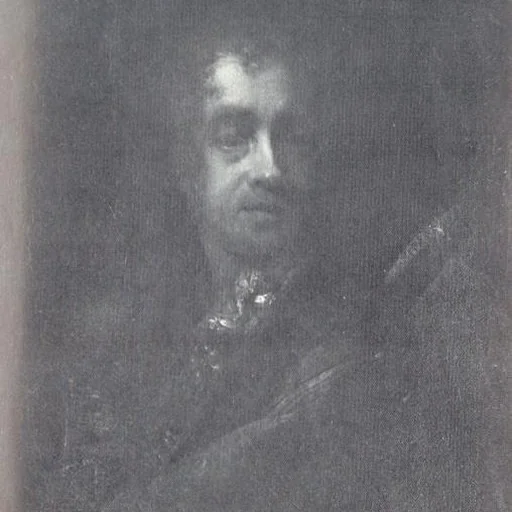
Artist
Jacques d'Agar (Danish: Jacob d'Agar; 9 March 1640 – 16 November 1715) was a French portrait painter born in Paris.

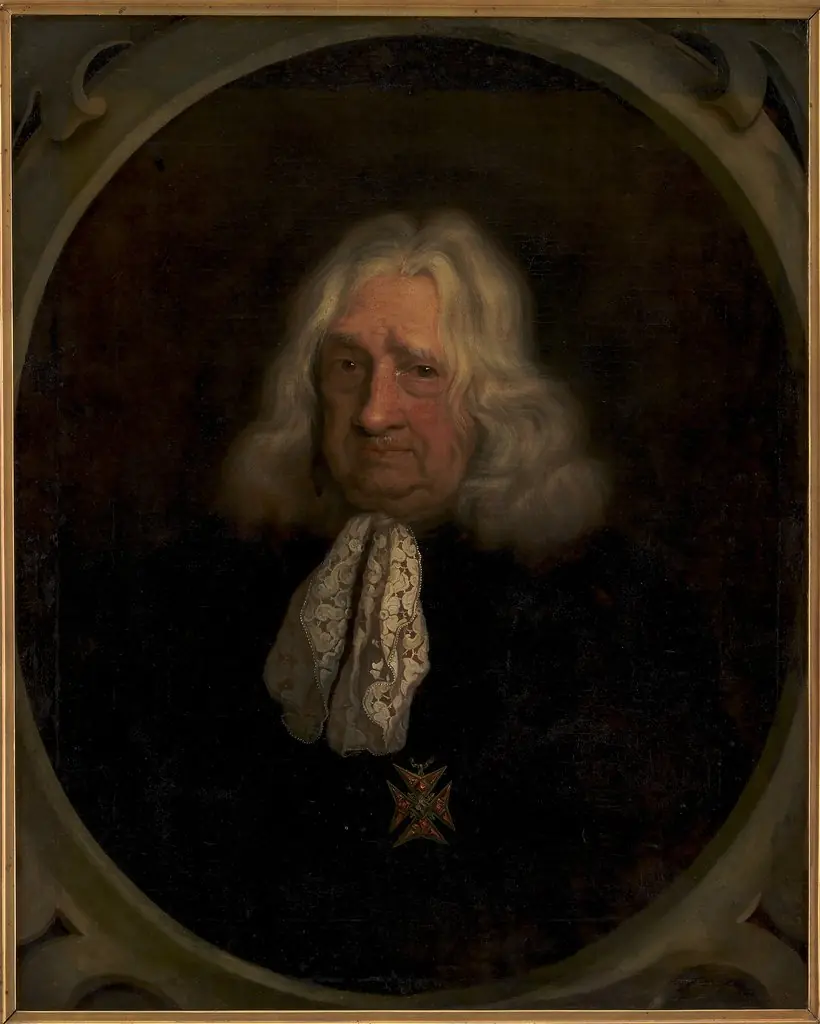
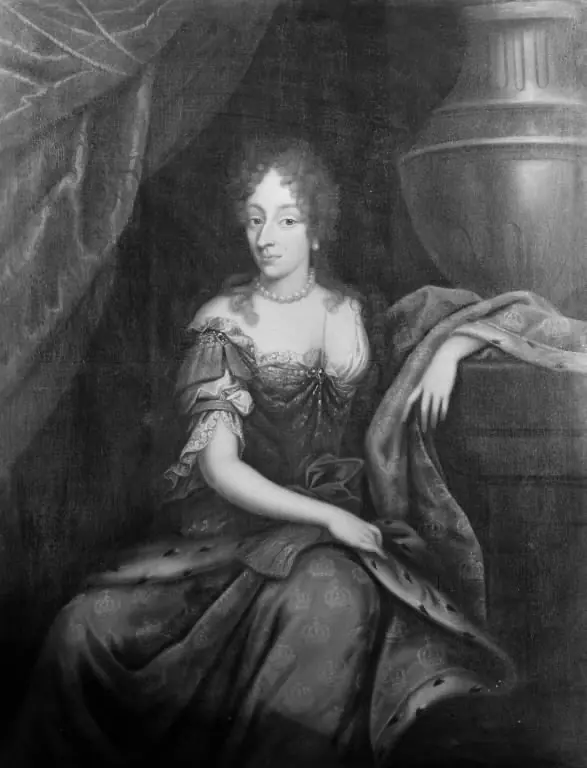
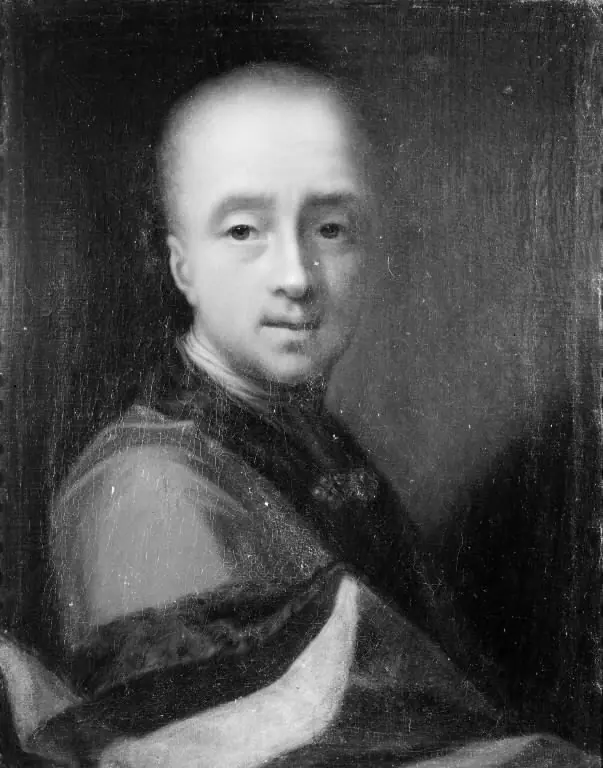
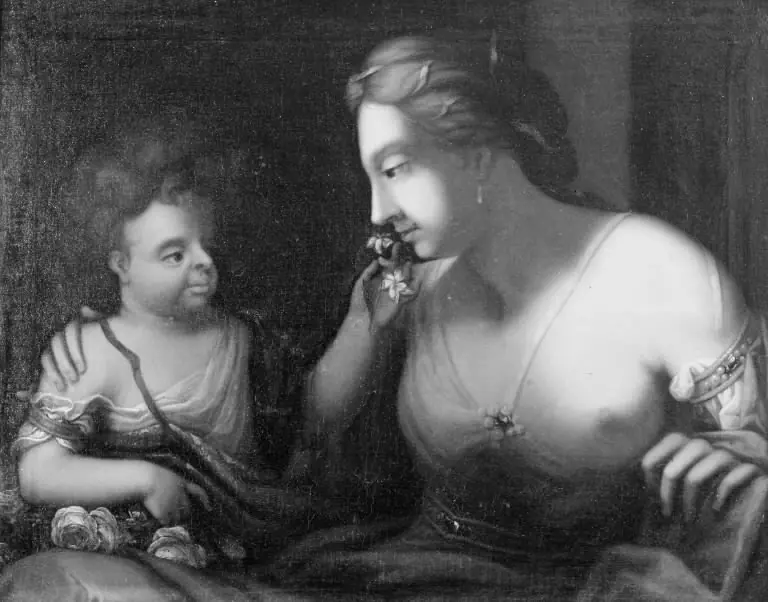
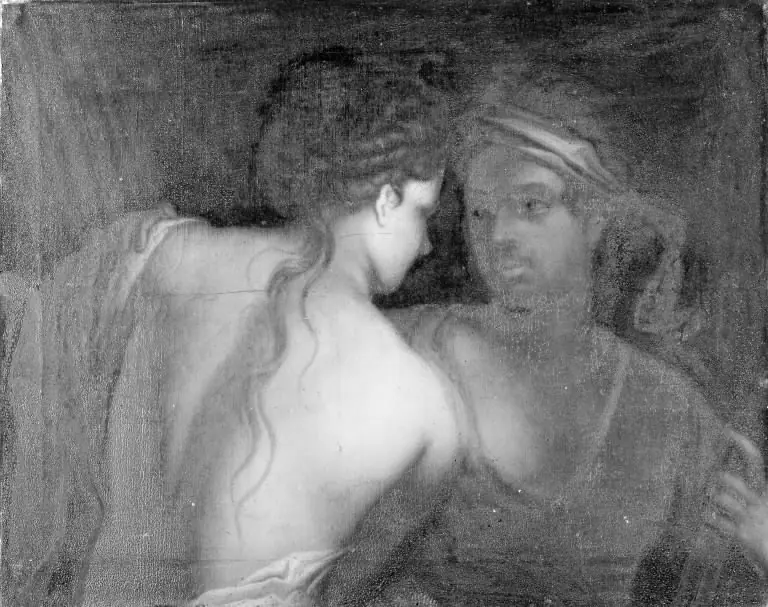
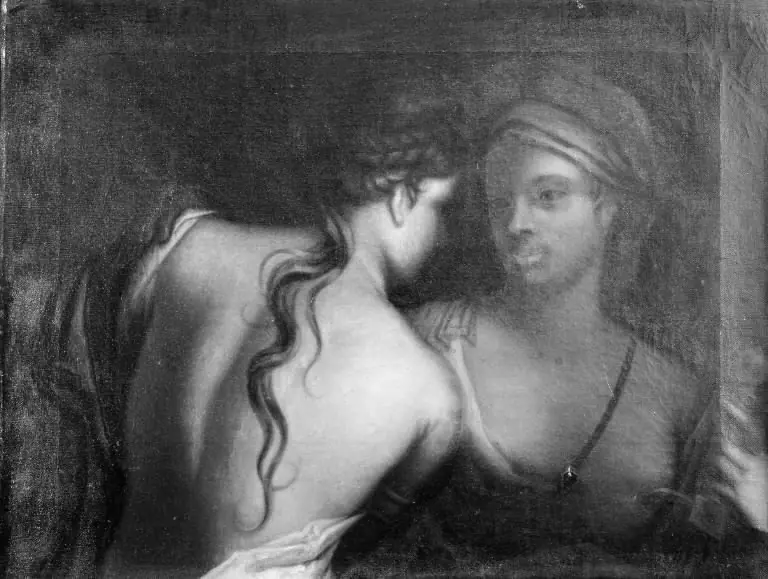
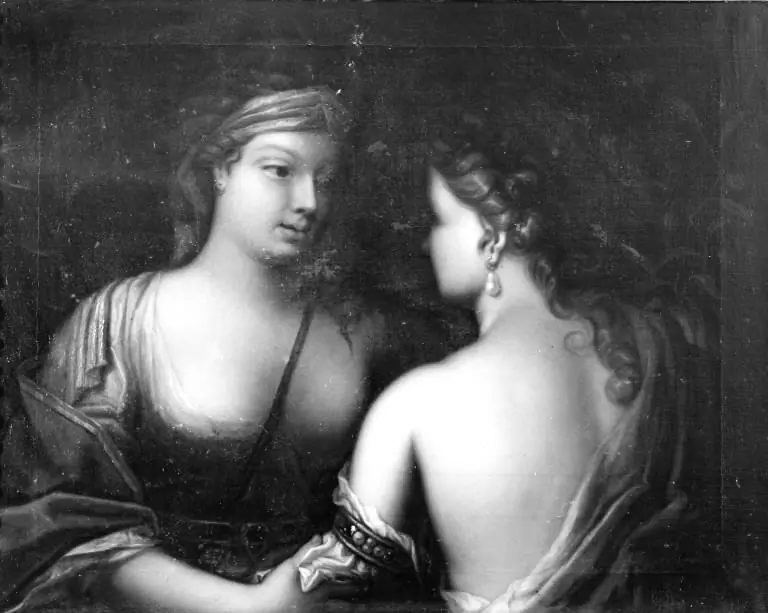
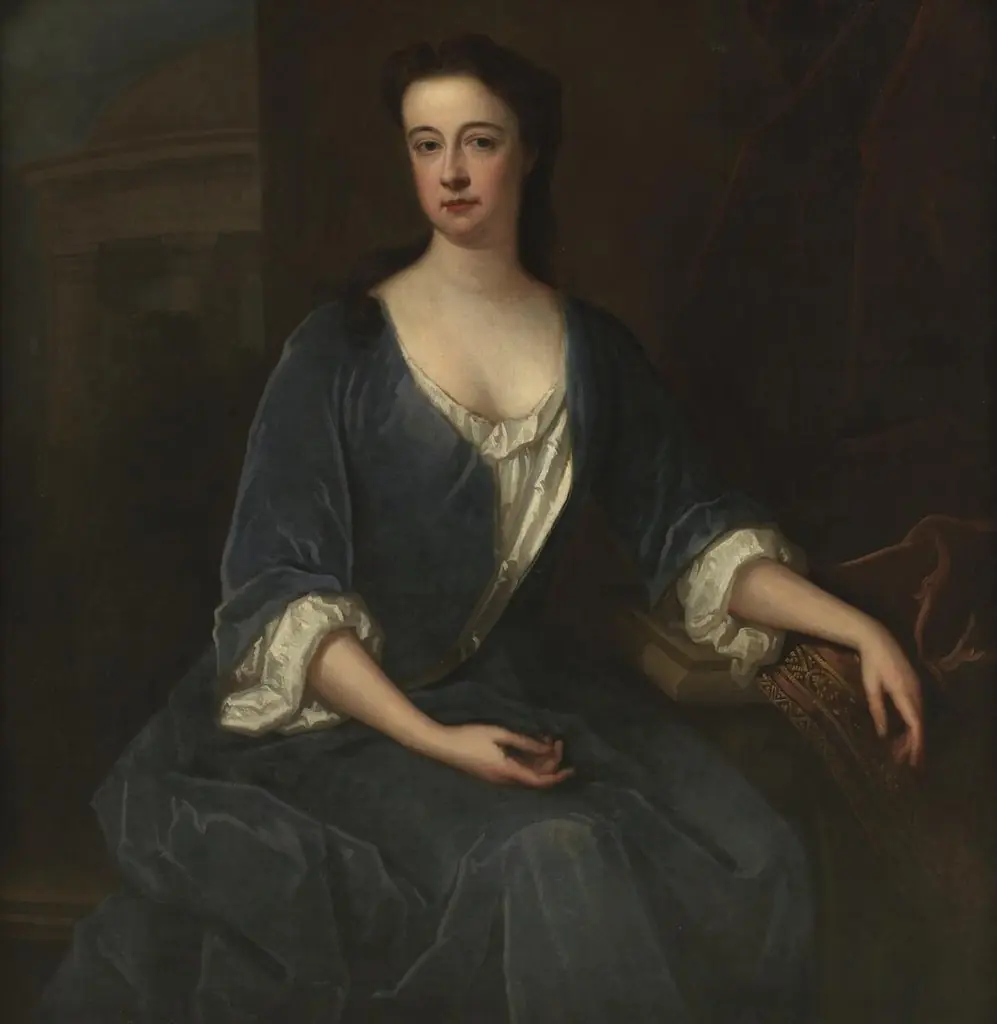
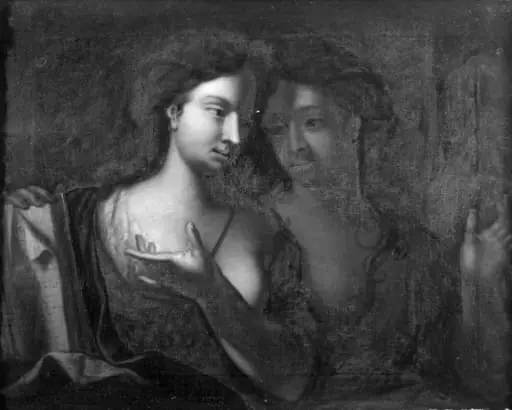 Tvende fruentimmer, hvoraf den forreste holder en bog i sin hånd
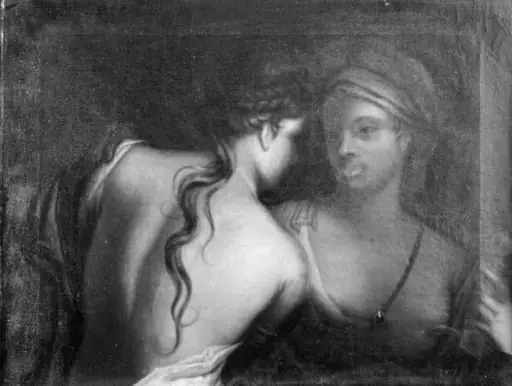 Tvende fruentimmere i samtale
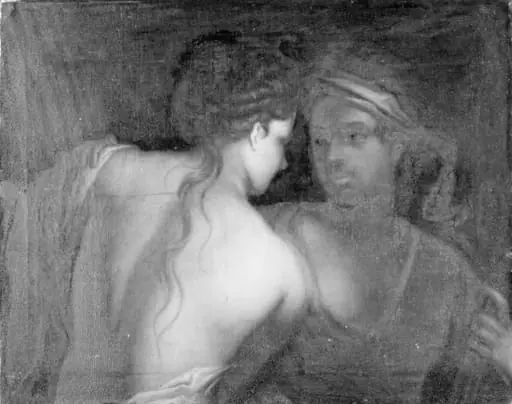 Tvende fruentimmere taler sammen
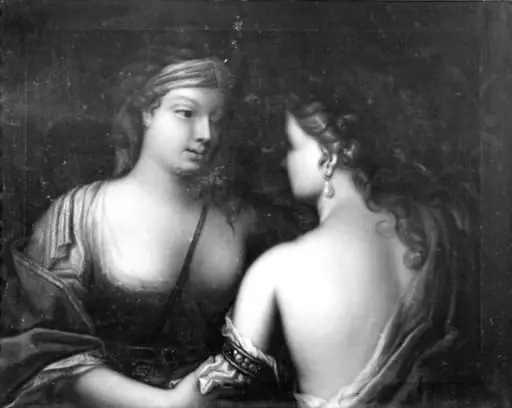 Tvende fruentimmer i halv figur
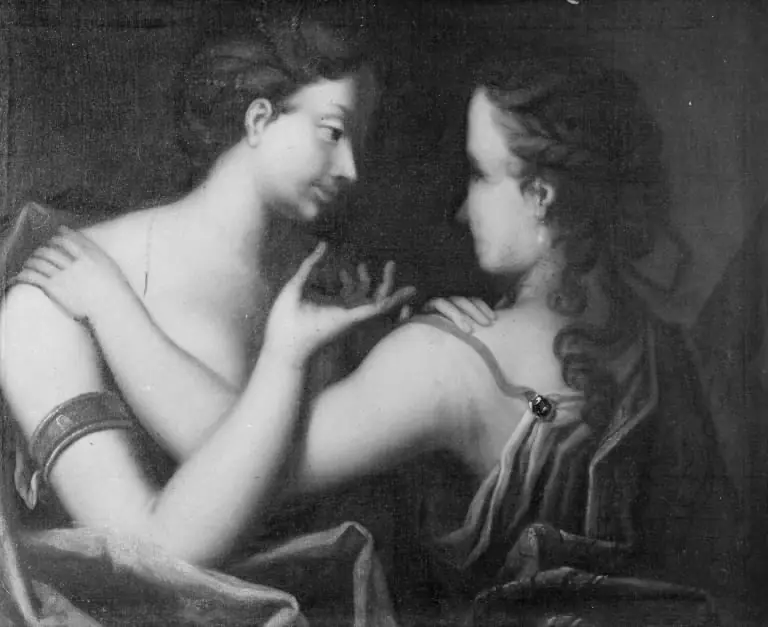 Tvende fruentimmere, halve figurer, conversere
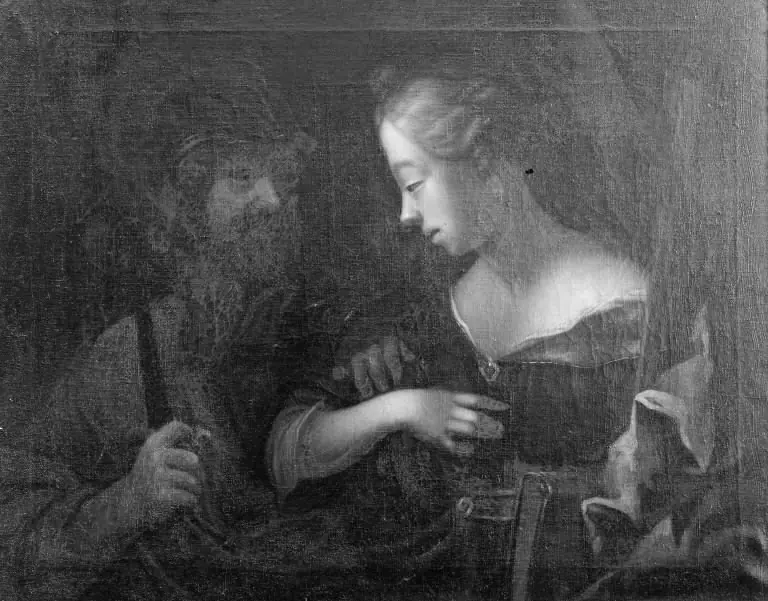 Et ungt fruentimmer i blå kjole, samtaler med en gammel mand
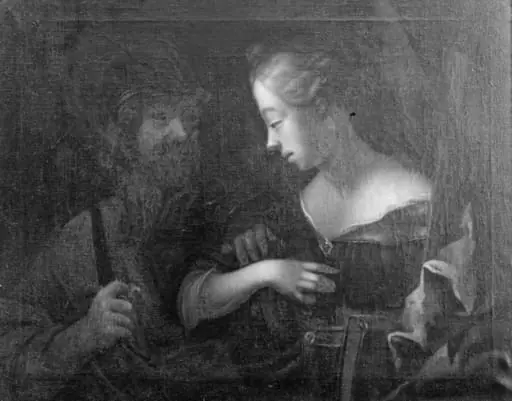 Et ungt fruentimmer i blå kjole, samtaler med en gammel mand