Artwork
A Gentleman in Furs (The Artist's Father)
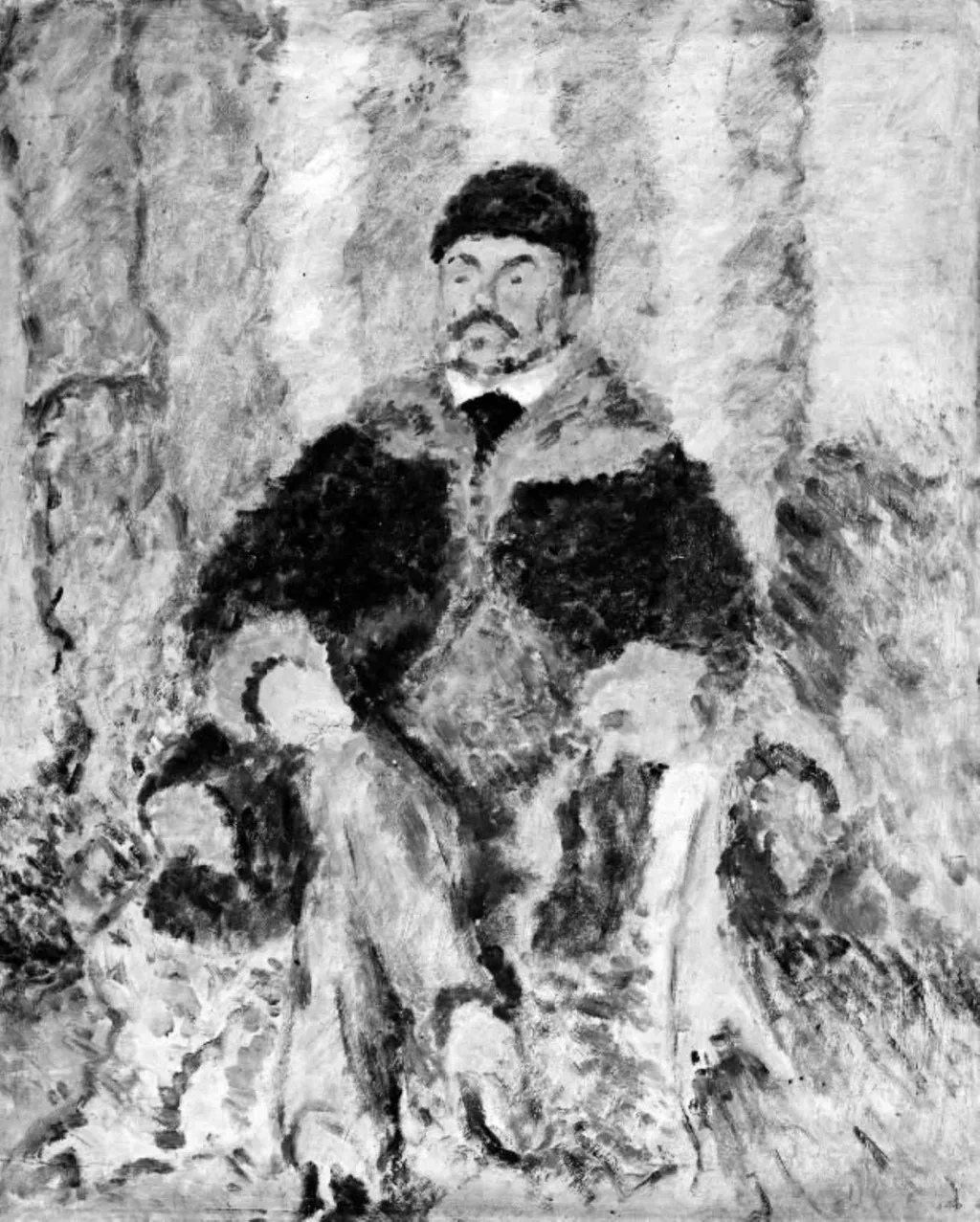
A Gentleman in Furs (The Artist's Father) is a photography by Unknown. It dates from 1907 and is held in the collection of the Statens Museum for Kunst. Painted in 1907, this black-and-white portrait depicts the artist’s father seated in a chair, wrapped in a heavy fur coat and hat.
About this work
Overview
Painted in 1907, this black-and-white portrait depicts the artist’s father seated in a chair, wrapped in a heavy fur coat and hat. Executed with loose, visible brushwork, the image conveys a quiet, introspective presence. The work is held in the collection of the Museum of Ethnography, where it is noted for its emotional resonance and departure from formal portraiture conventions of the era.
Subject & Meaning
The subject is the artist’s father, portrayed not as a public figure but as a private individual in a moment of stillness. The fur garments suggest warmth and perhaps social standing, yet the blurred facial features and turned posture evoke introspection rather than identity. The image resists narrative clarity, inviting contemplation of familial bonds and the quiet dignity of ordinary life.
Technique & Style
The painting employs a restrained monochrome palette with strong contrasts between light and shadow, drawing on chiaroscuro to model form. Brushstrokes are deliberate and textured, emphasizing the tactile quality of the fur and the weight of the clothing. The face is intentionally softened, reducing detail to enhance emotional ambiguity and focus on the physical presence of the figure.
History & Provenance
Created in 1907, the work remained within the artist’s family before entering the Museum of Ethnography’s collection. Its acquisition reflects a broader institutional interest in domestic, non-elite imagery during the early 20th century. No significant exhibition history is documented prior to its inclusion in the museum’s permanent holdings.
Context
Painted during a period when many artists were moving away from academic realism, this portrait aligns with emerging expressive tendencies in Northern European art. Its emphasis on texture, mood, and psychological subtlety echoes contemporaneous work by painters exploring inner life through simplified forms and tactile surfaces, rather than idealized representation.
Legacy
Though not widely reproduced, the painting is recognized within the museum’s collection as an example of intimate, non-traditional portraiture. It contributes to scholarly discussions on how familial subjects were rendered with emotional honesty during the early modern period, offering a quiet counterpoint to the grander narratives of the time.
Artist & collection

 Domestic Scene
 Giacomo and Cardinal Marco, investing Andrea, Abbot of San Zeno, with his Benefice
 The Nymph of Fontainebleau
 Portrait of a Woman
 Madonna and Child with Saints in the Enclosed Garden
 Venus and Minerva
 Family Group of Four on Sofa
 Wall painting from Room H of the Villa of P. Fannius Synistor at Boscoreale
 Portrait of Hans Christian Andersen Bekkevahr
 Portrait of Hans Christian Andersen Bekkevahr
 Portrait of Prime Minister Michelsen
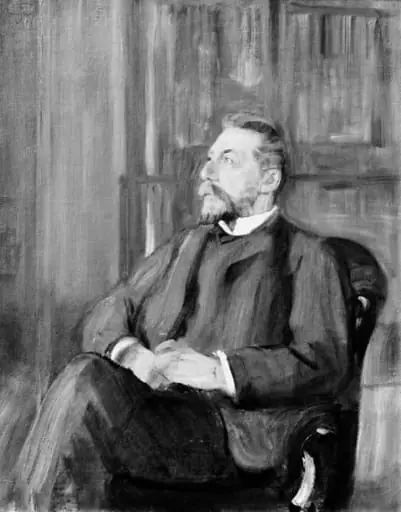 Portrait of Prime Minister Michelsen
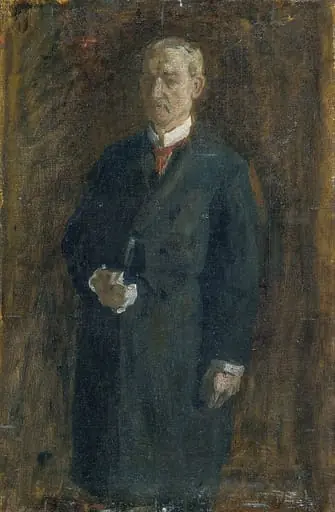 James MacAlister (Sketch)
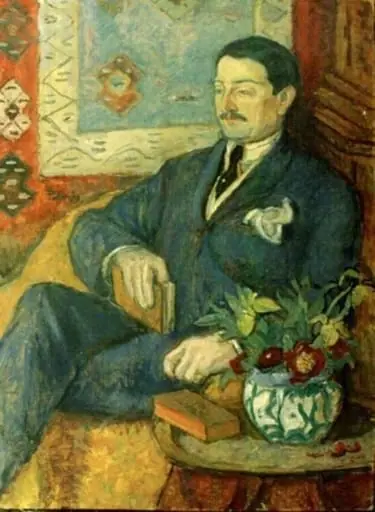 Dimitrie Prodan
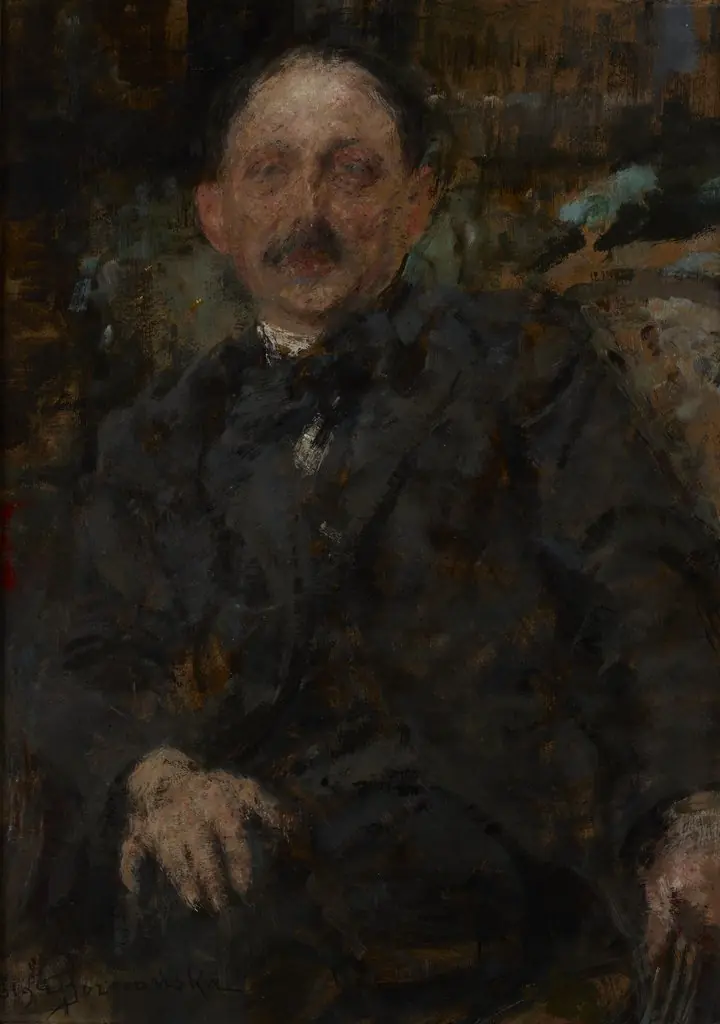 Portrait of Painter Marcin Samlicki
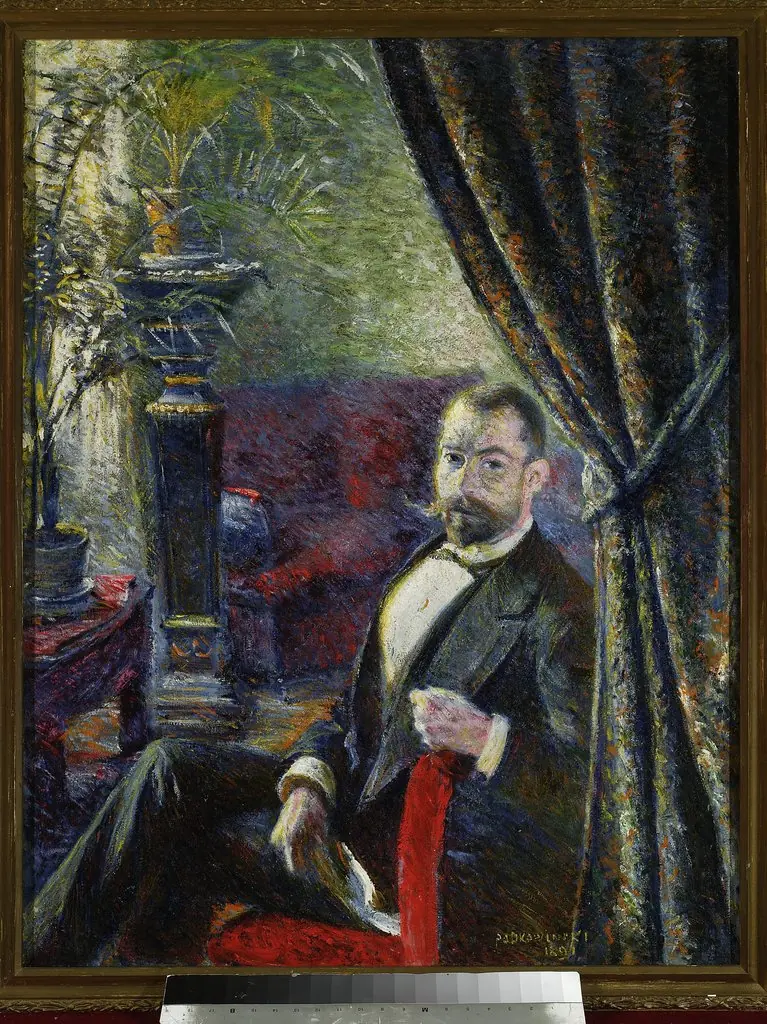 Portrait of a man
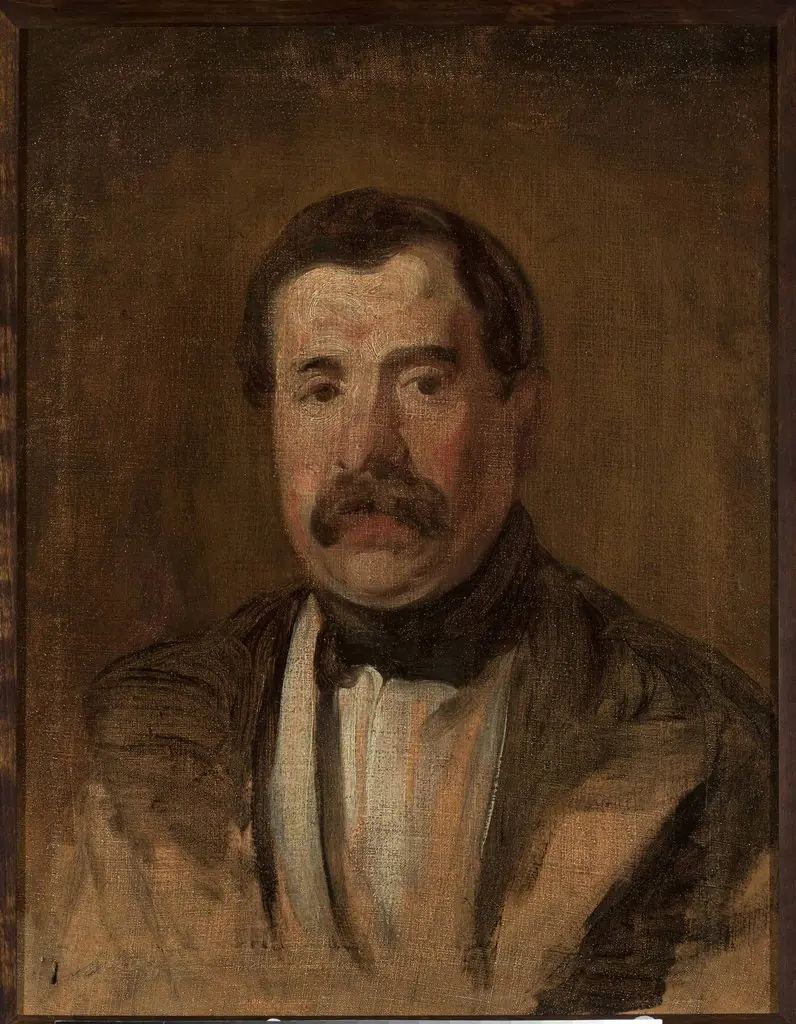 Portrait of Maksymilian Oborski
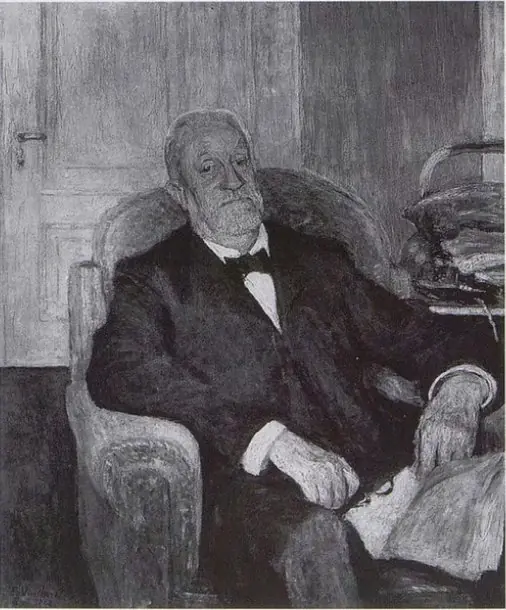 Portrait du sénateur Heinrich Roscher, assis