Artwork
The Ruins of Stegeborg Castle near Vettern in Eastern Gotland
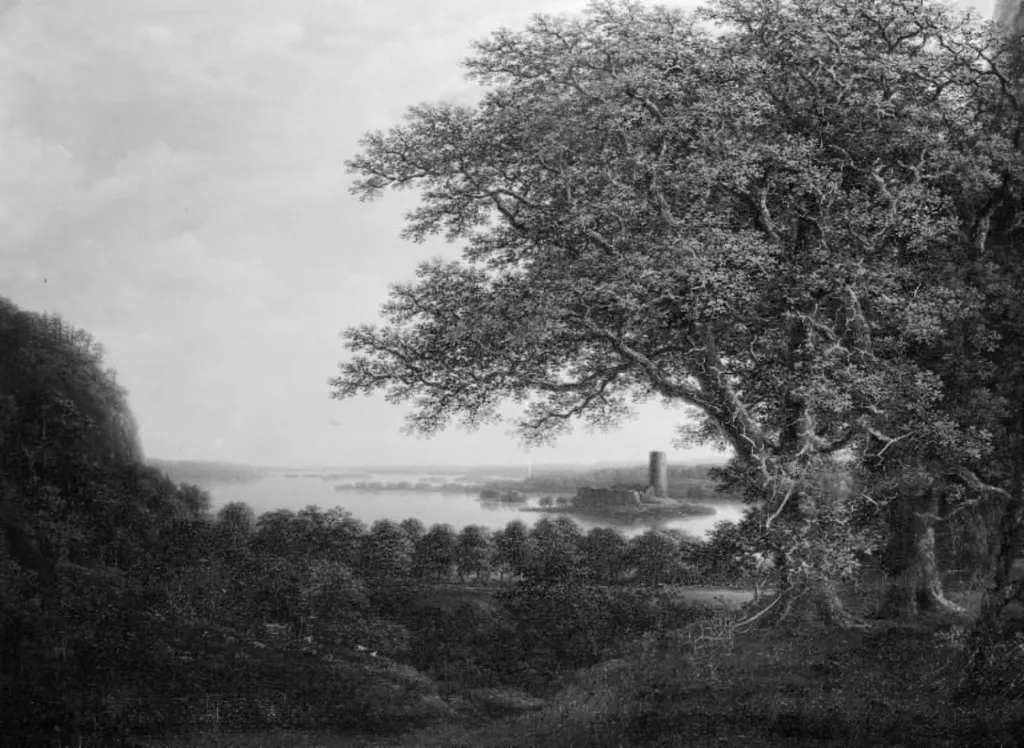
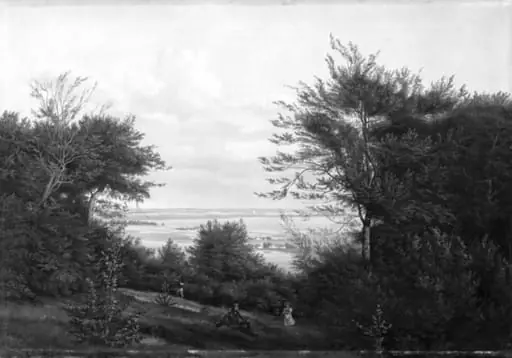
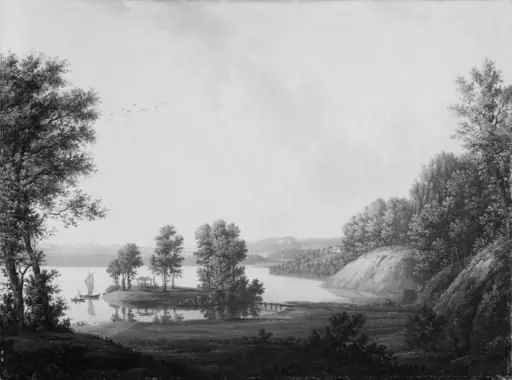
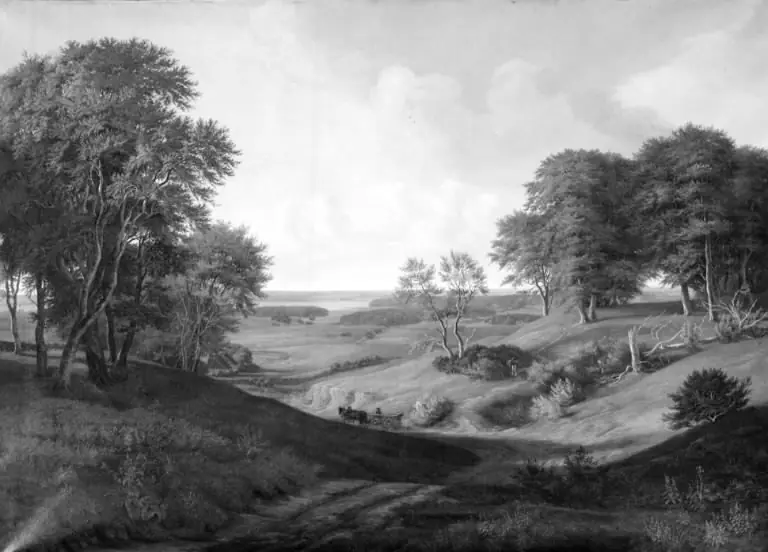
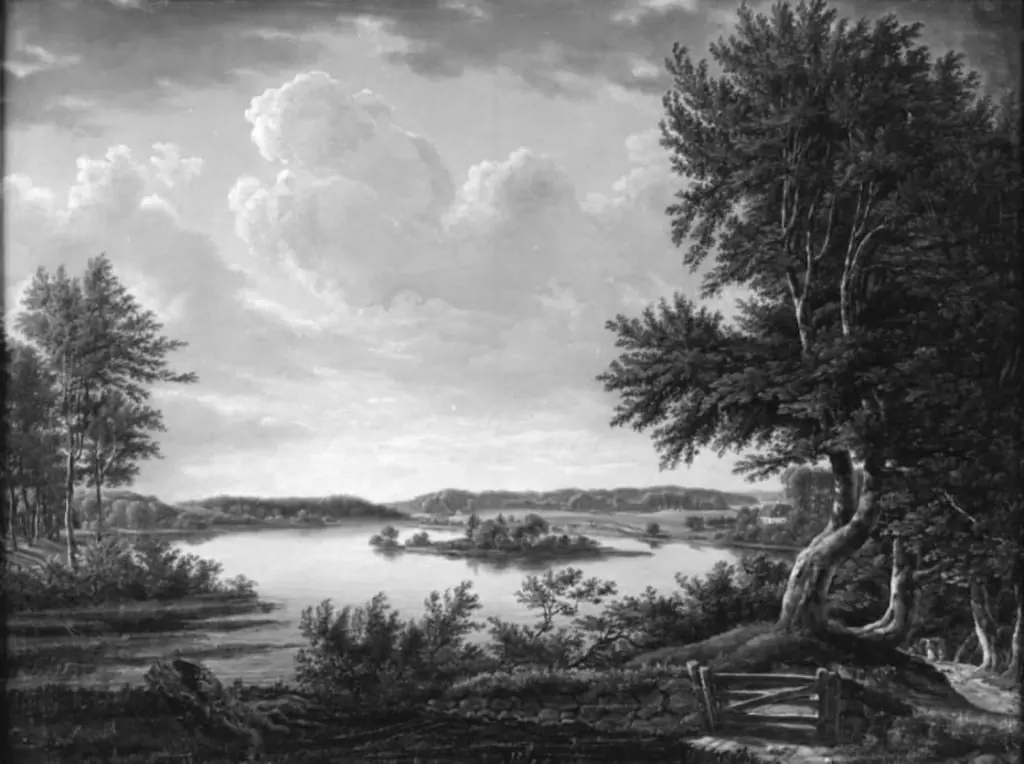
The Ruins of Stegeborg Castle near Vettern in Eastern Gotland is a photography by Unknown. It dates from 1750 and is held in the collection of the Statens Museum for Kunst. This landscape painting portrays the remnants of Stegeborg Castle, situated on the eastern shore of Lake Vättern in Gotland.
About this work
Overview
It is currently held in the collection of the Museum of Ethnography, where it is studied for its topographical and atmospheric qualities.
This landscape painting portrays the remnants of Stegeborg Castle, situated on the eastern shore of Lake Vättern in Gotland. Created around 1750, it captures the quiet decay of a medieval structure absorbed by nature. The work is attributed to an artist active in the mid-18th century, though their full identity remains unconfirmed. It is currently held in the collection of the Museum of Ethnography, where it is studied for its topographical and atmospheric qualities.
Subject & Meaning
The painting centers on the castle ruins as a symbol of time’s passage, framed by an untouched natural environment. The lone, dominant tree in the foreground suggests resilience and continuity, contrasting with the crumbling stone. There is no human presence, reinforcing a mood of solitude and contemplation. The scene reflects an 18th-century fascination with ruins as quiet witnesses to history, rather than as sites of grandeur or conflict.
Technique & Style
The artist employs chiaroscuro to model form and suggest depth, with soft transitions between light and shadow across the landscape. Brushwork is restrained, favoring subtle tonal variations over sharp detail. The composition directs the eye from the foreground tree through the open ruins to the distant lake, creating a layered sense of space. The palette is muted, dominated by greens and earth tones, enhancing the painting’s tranquil, introspective tone.
History & Provenance
The painting was likely produced during a period of growing interest in Sweden’s medieval heritage. It entered the Museum of Ethnography’s collection in the late 19th or early 20th century, possibly as part of a broader effort to document regional landscapes. Its attribution to a specific artist remains uncertain, and no documented commission or early ownership records have been identified.
Context
Created during the Age of Enlightenment, the work aligns with contemporary European trends that valued nature and historical memory. In Sweden, such landscapes often served as visual records of antiquities before industrialization transformed the countryside. While not a topographical survey, the painting reflects a cultural impulse to preserve the visual character of historic sites through art.
Legacy
Though not widely exhibited, the painting contributes to a modest body of 18th-century Swedish landscape works that document regional ruins. It remains a quiet example of how artists of the period engaged with heritage not through heroism, but through observation and atmosphere. Its presence in an ethnographic museum underscores its value as a cultural artifact rather than a celebrated artistic achievement.
Artist & collection

 Domestic Scene
 Giacomo and Cardinal Marco, investing Andrea, Abbot of San Zeno, with his Benefice
 The Nymph of Fontainebleau
 Portrait of a Woman
 Madonna and Child with Saints in the Enclosed Garden
 Venus and Minerva
 Family Group of Four on Sofa
 Wall painting from Room H of the Villa of P. Fannius Synistor at Boscoreale