Artwork
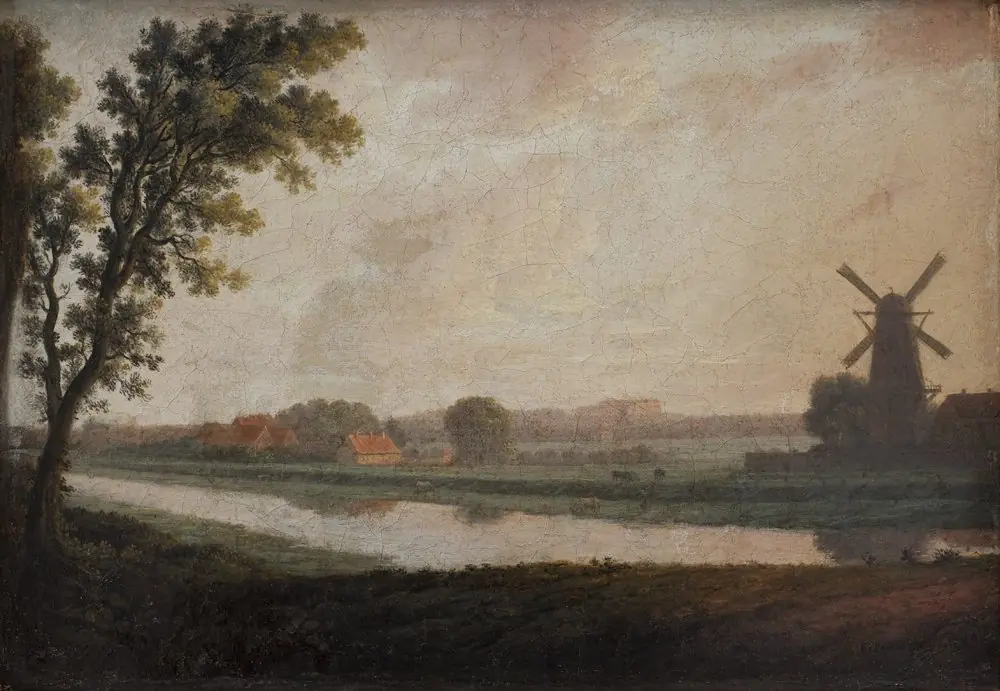
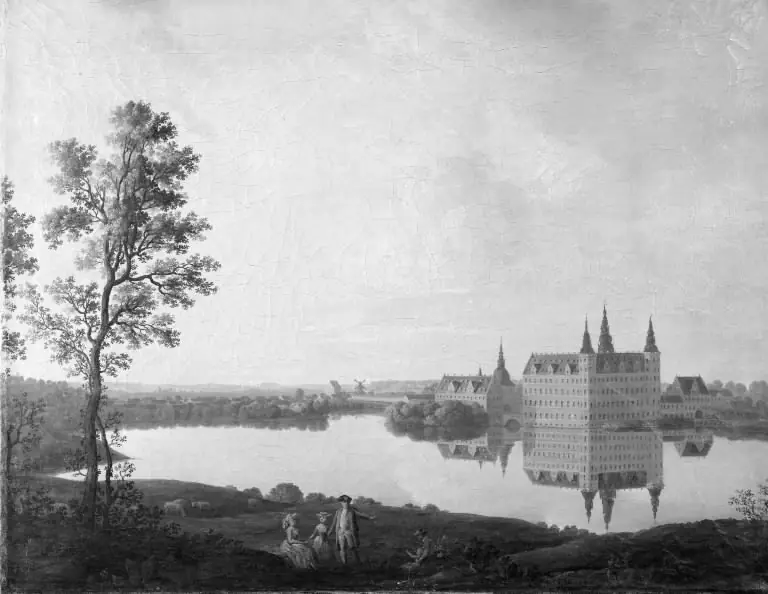
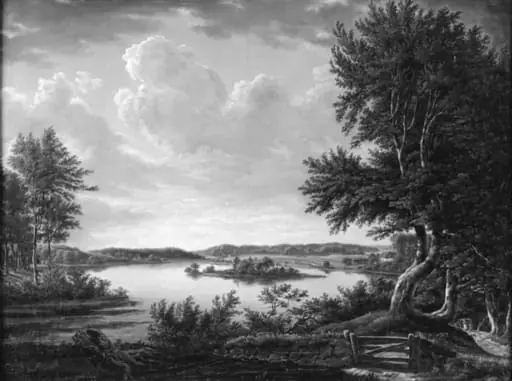
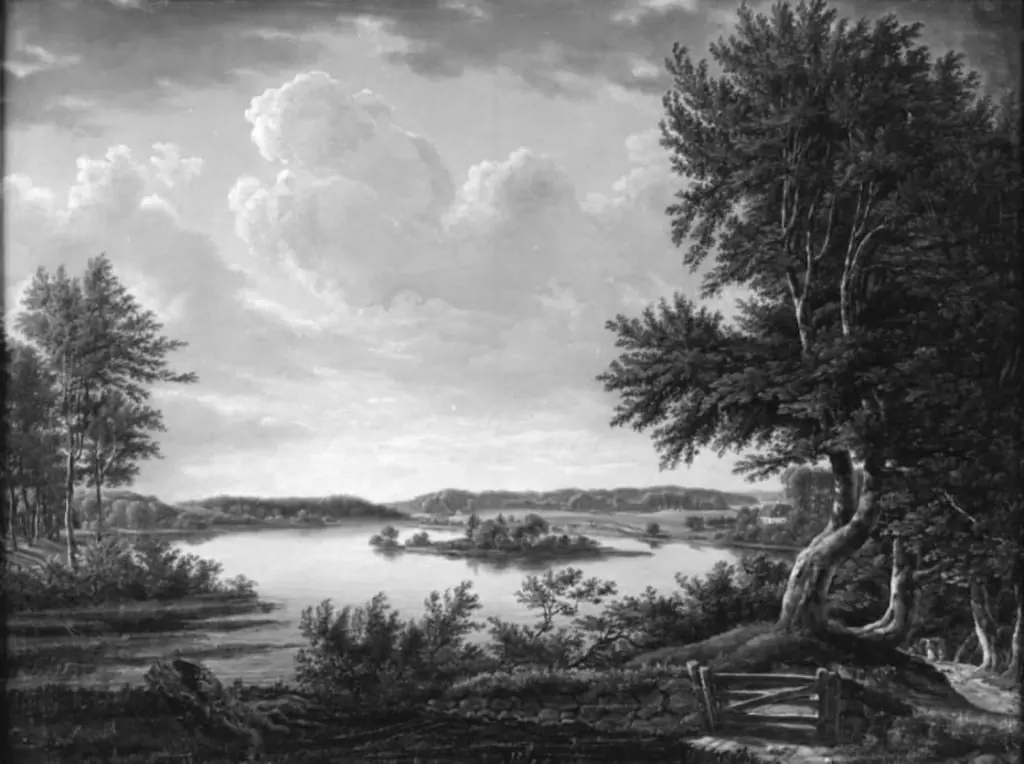
Prospekt fra Dronninggård over Furesøen. I forgrunden øen Chevallier med det kinesiske lysthus
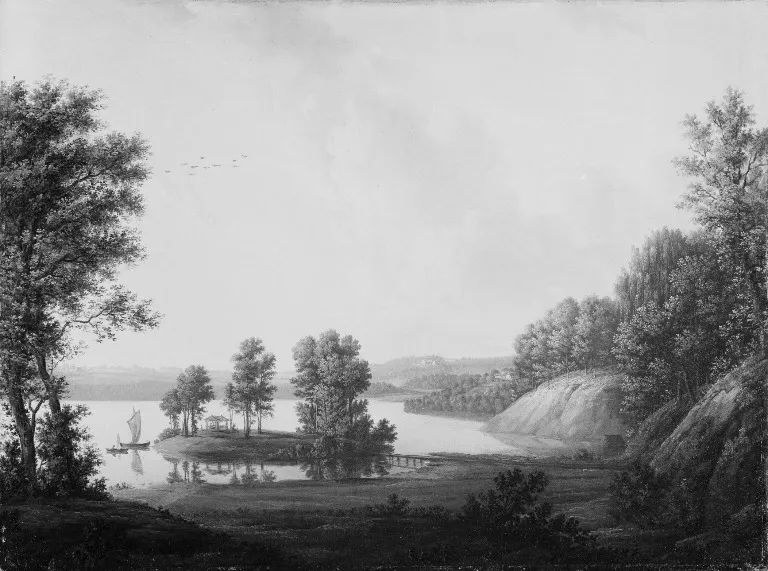
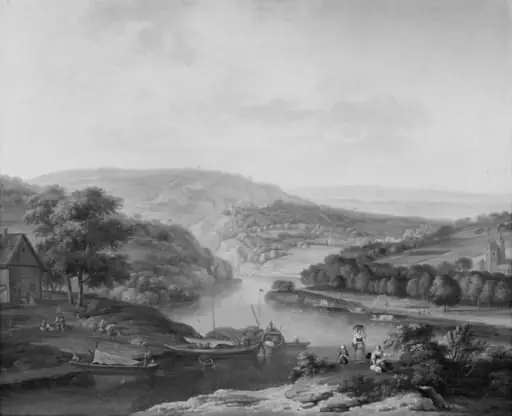
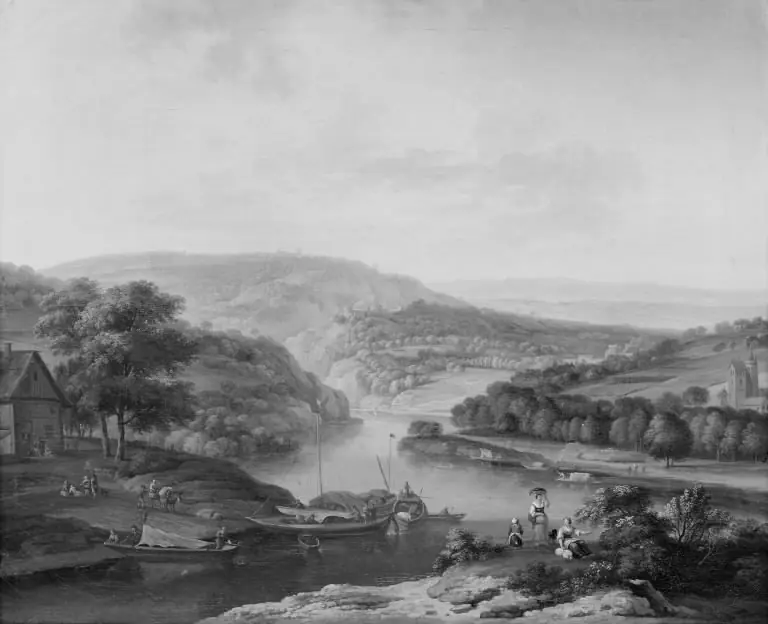
Prospekt fra Dronninggård over Furesøen. I forgrunden øen Chevallier med det kinesiske lysthus is an oil painting by the Rococo painting artist Eric Paulsen. It dates from 1789 and is held in the collection of the Statens Museum for Kunst. Erik Pauelsen’s 1789 oil painting presents a tranquil vista across Lake Furesø as seen from the estate of Dronninggård.
About this work
Overview
Erik Pauelsen’s 1789 oil painting presents a tranquil vista across Lake Furesø as seen from the estate of Dronninggård. In the foreground, a small island hosts a Chinese‑style pavilion, while a lone sailboat drifts on the water. The composition balances soft greens of foliage with the lake’s blue tones, creating a calm, idyllic atmosphere.
Subject & Meaning
The work captures a specific Danish landscape, foregrounding the island of Chevallier and its exotic gazebo, a fashionable motif reflecting contemporary fascination with Oriental architecture. By juxtaposing the local lake scene with a Chinese pavilion, Pauelsen hints at the era’s taste for picturesque variety and the blending of familiar terrain with distant aesthetic references.
Technique & Style
Executed in oil on canvas, the painting employs the light, decorative brushwork characteristic of the Rococo movement. Pauelsen renders atmospheric perspective through delicate gradations of color, allowing distant trees to recede into muted blues while the pavilion and foliage retain crisp, luminous detail. The overall effect is both refined and gently theatrical.
History & Provenance
After its completion, the canvas entered the collection of Denmark’s National Gallery, Statens Museum for Kunst, where it remains on display. The painting represents one of Pauelsen’s later works; the artist died by suicide in 1790, a year after finishing this piece, marking a poignant close to his brief career.
Context
Pauelsen, though less celebrated than some of his contemporaries, contributed to the late‑18th‑century Danish landscape tradition that emphasized natural beauty and decorative elegance. The inclusion of a Chinese gazebo mirrors a broader European trend of incorporating exotic elements into garden design, reflecting the period’s curiosity about far‑off cultures within a domestic setting.
Artist & collection
Artist
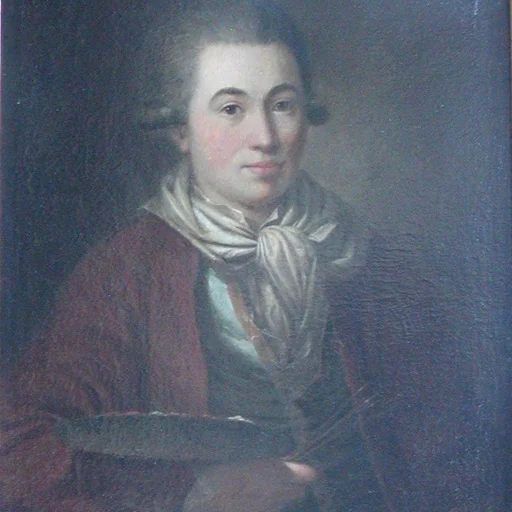
Erik Pauelsen (2 or 14 October 1749 – 20 February 1790) was a Danish painter. He is most notable for his landscapes and was also a popular portraitist. However, he did not experience the same level of success as Jens…