Artwork
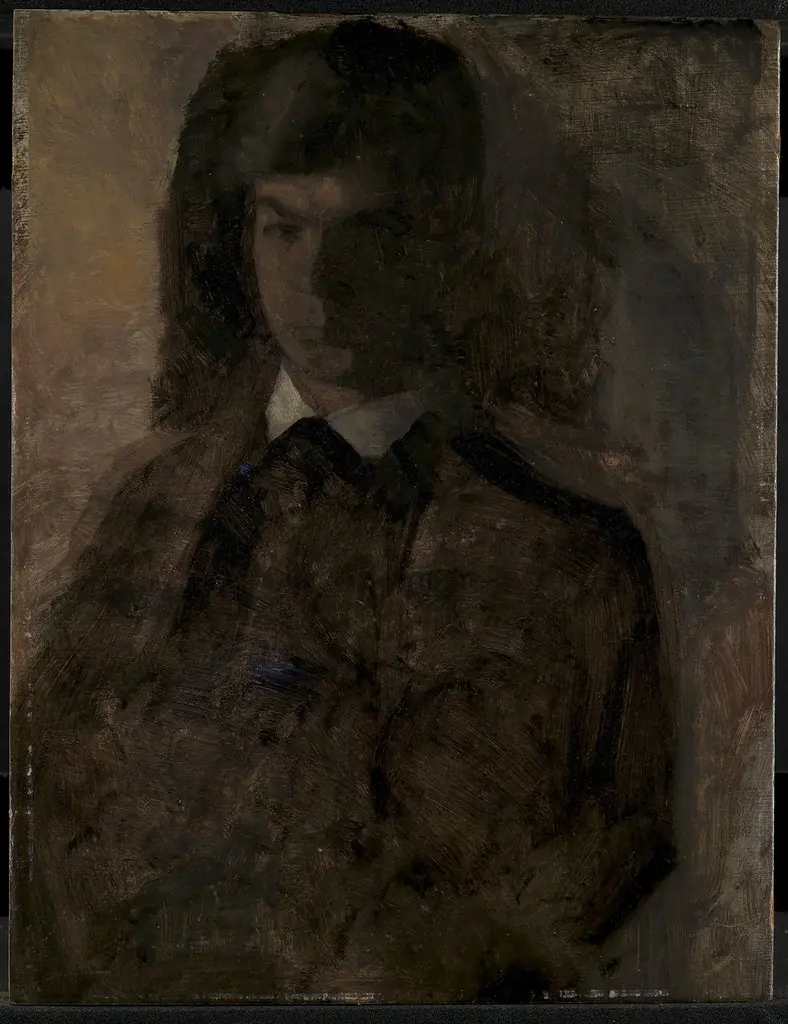
Maleren Svend Hammershøi, kunstnerens broder
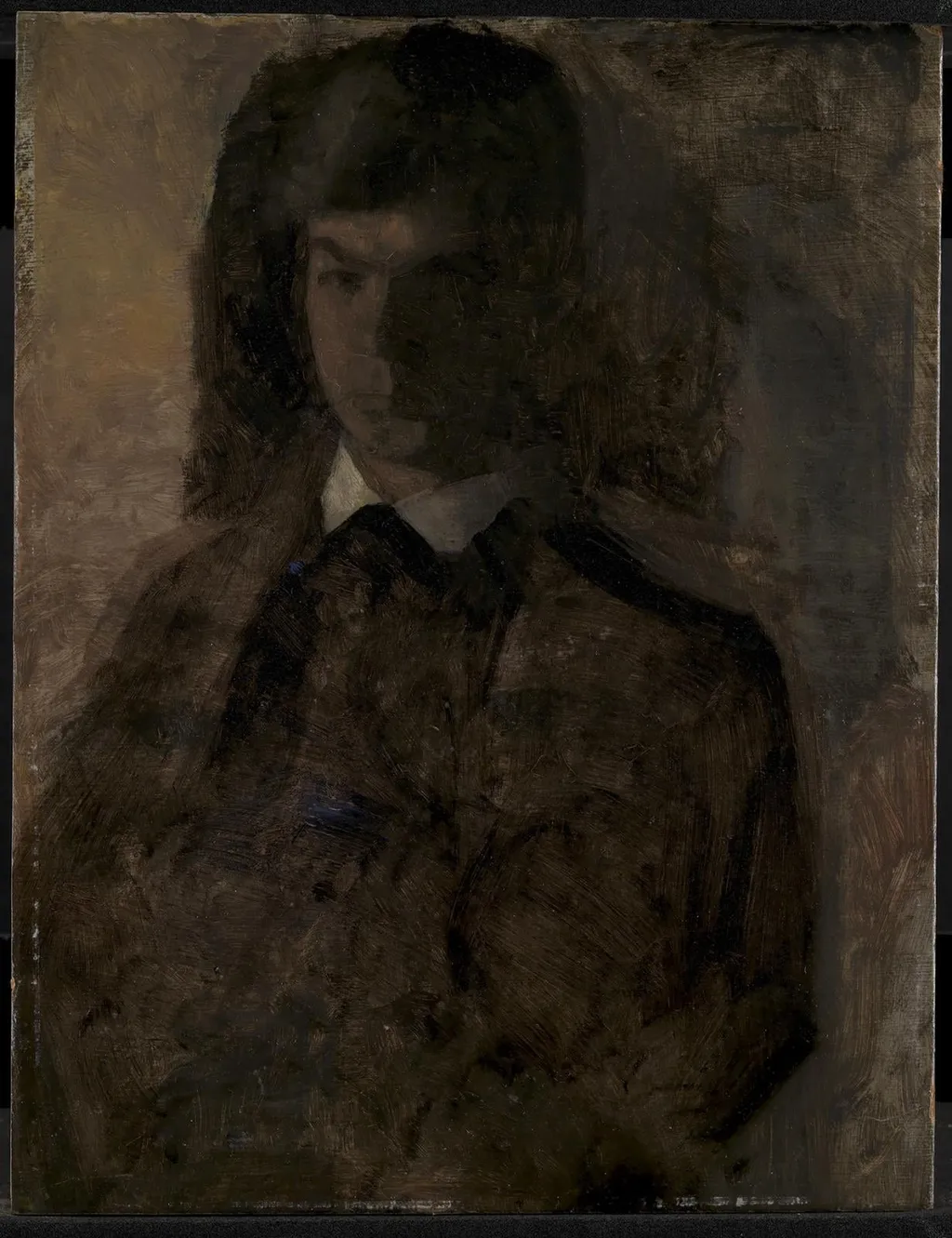
Maleren Svend Hammershøi, kunstnerens broder is a photography by Unknown. It dates from 1850 and is held in the collection of the Statens Museum for Kunst. This portrait, dated around 1850, depicts Svend Hammershøi, the brother of the Danish painter.
About this work
Overview
Executed in oil on canvas, it presents a quiet, life-sized figure against a neutral brown backdrop.
This portrait, dated around 1850, depicts Svend Hammershøi, the brother of the Danish painter. Executed in oil on canvas, it presents a quiet, life-sized figure against a neutral brown backdrop. The work belongs to the collection of the Museum of Ethnography, though its subject is not an ethnographic figure but a personal relation of the artist, suggesting a domestic rather than institutional purpose.
Subject & Meaning
The sitter is identified as Svend Hammershøi, a figure closely tied to the artist’s personal sphere. His turned head and downward gaze convey a contemplative stillness, avoiding direct engagement with the viewer. The absence of symbolic objects or setting shifts focus entirely to the individual’s presence, emphasizing introspection over narrative or status.
Technique & Style
Rendered with restrained realism, the painting emphasizes subtle gradations of tone and texture. The dark jacket and crisp white collar are rendered with careful attention to fabric folds and light fall, while the face is modeled with soft transitions between shadow and highlight. The muted palette and lack of decorative elements reinforce a sense of quiet dignity.
History & Provenance
The painting entered the Museum of Ethnography’s holdings at an unknown date, likely through familial donation or acquisition. Its presence in an ethnographic institution, rather than a fine arts collection, may reflect early 20th-century curatorial practices that blurred boundaries between art and cultural documentation, though the work’s origin remains personal.
Context
Created in mid-19th century Denmark, the portrait aligns with a broader trend of intimate family portraiture among middle-class artists. While academic traditions dominated public exhibitions, private works like this one reveal a quieter, more personal artistic impulse—focused on kinship rather than public recognition.
Legacy
Though not widely exhibited or reproduced, the portrait endures as a quiet testament to familial bonds within Danish artistic circles. Its preservation in an ethnographic museum underscores how personal artifacts can acquire institutional meaning over time, even when their original context was domestic and unassuming.
Artist & collection

 Domestic Scene
 Giacomo and Cardinal Marco, investing Andrea, Abbot of San Zeno, with his Benefice
 The Nymph of Fontainebleau
 Portrait of a Woman
 Madonna and Child with Saints in the Enclosed Garden
 Venus and Minerva
 Family Group of Four on Sofa
 Wall painting from Room H of the Villa of P. Fannius Synistor at Boscoreale
 Self Portrait
 Henry Madsen. Skitse
 Portrait Study of a Man
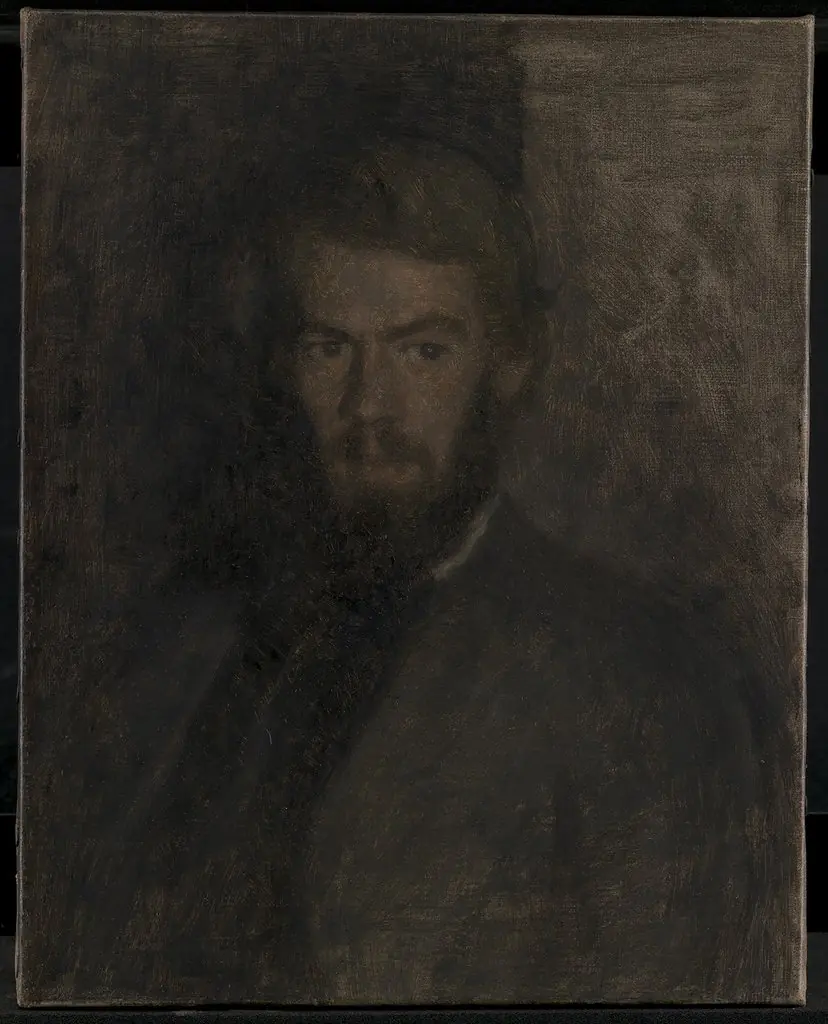 Henry Madsen
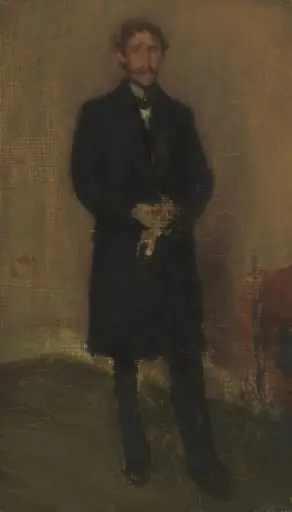 Alexander Arnold Hannay
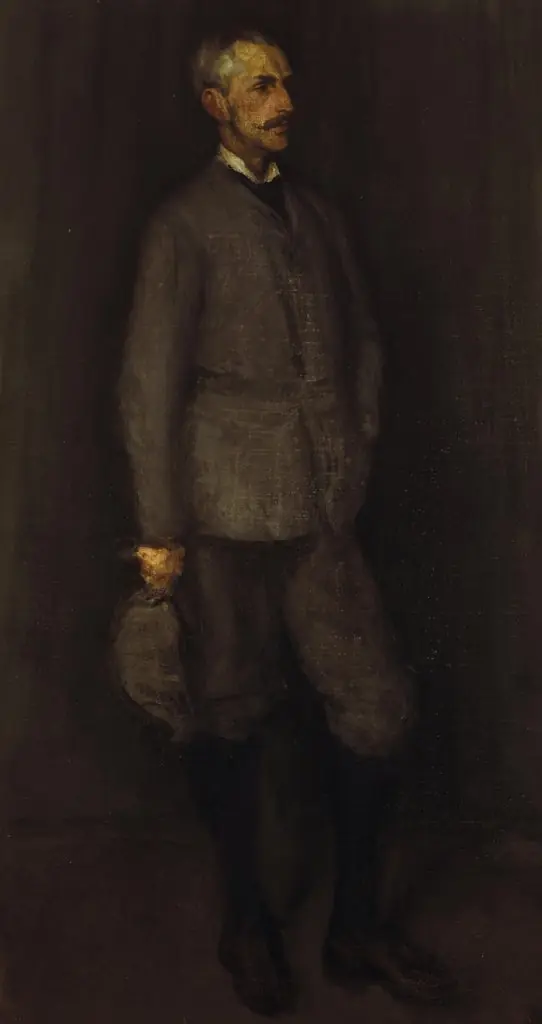 Arrangement in Grey and Green. Portrait of John James Cowan
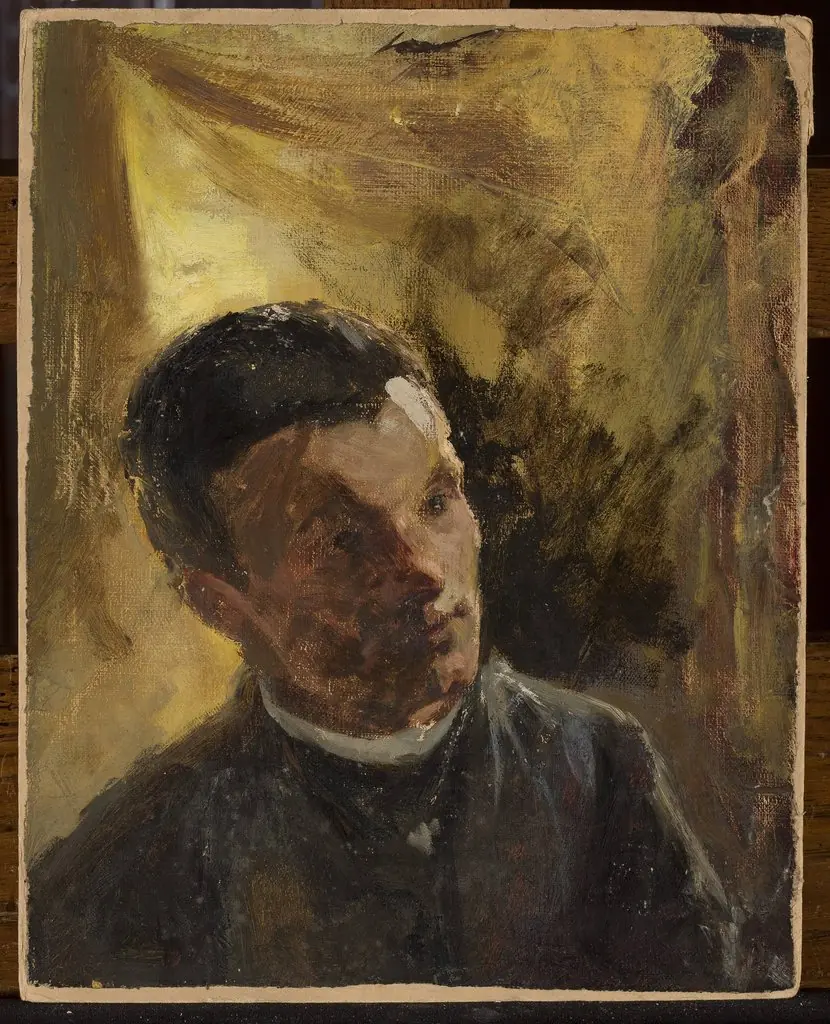 Portrait of Alexander Lensky (1847–1908), Russian artist
 George W. Vanderbilt
 Self Portrait
 Self-Portrait
 Henry Madsen
 Maleren Svend Hammershøi, kunstnerens broder