Artwork
The Painter Elisabeth Wandel
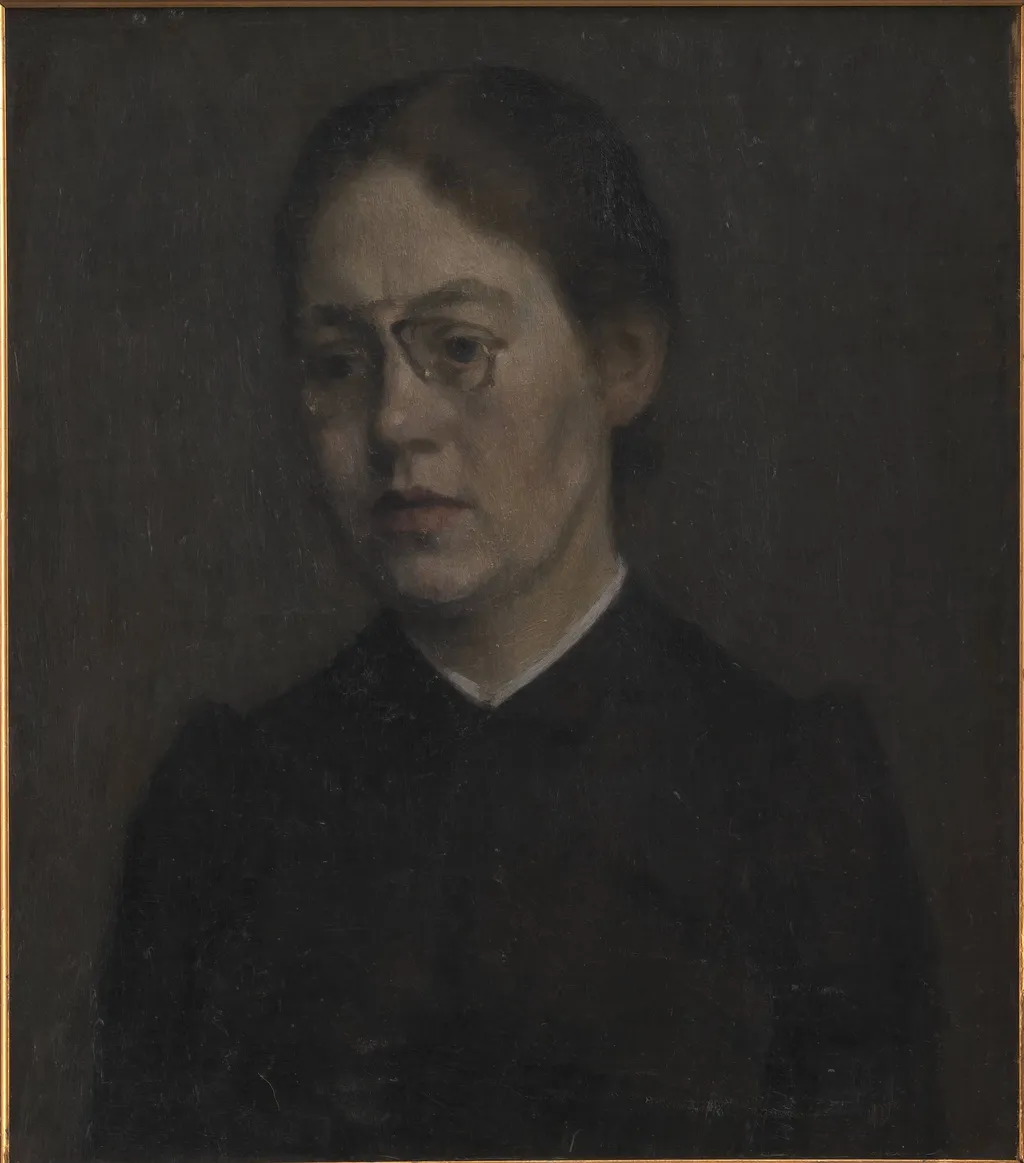
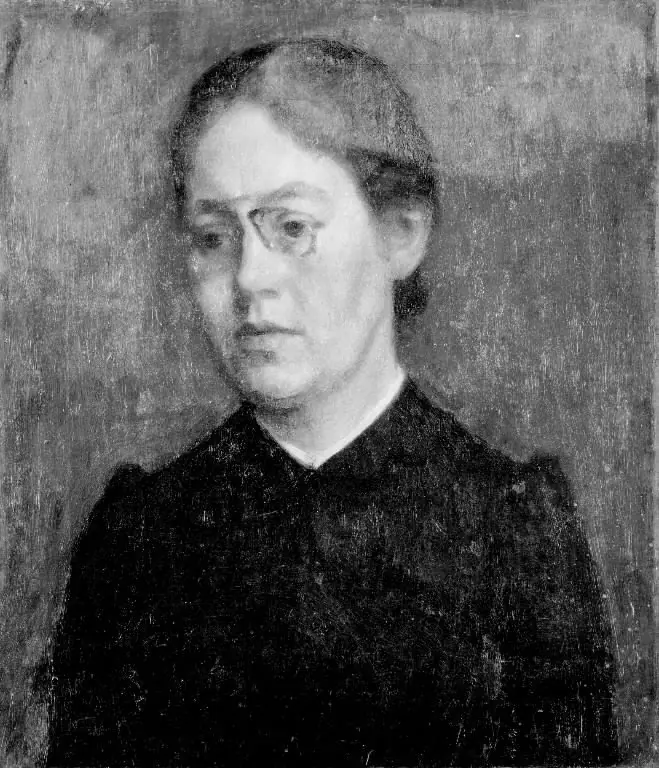
The Painter Elisabeth Wandel is a photography by the Impressionist artist Unknown. It dates from 1890 and is held in the collection of the Statens Museum for Kunst. This 1890 black-and-white photograph depicts Elisabeth Wandel, a Danish painter, captured in a straightforward studio portrait.
About this work
The style looks simple but precise, like the artist wanted to show real life without extra details.
This is a black-and-white portrait of a person with short, dark hair and glasses. They’re wearing a high-collared shirt, looking straight ahead with a serious expression. The background is plain and dark, keeping all focus on their face.
This is actually a photograph, not a painting—it’s from 1890. The style looks simple but precise, like the artist wanted to show real life without extra details.
Next, check out chiaroscuro to see how light and shadow create depth in portraits like this.
Overview
This 1890 black-and-white photograph depicts Elisabeth Wandel, a Danish painter, captured in a straightforward studio portrait. Taken with technical precision typical of late 19th-century photography, the image presents her in a high-collared shirt, glasses, and short dark hair, facing the viewer with a composed, unadorned expression. The plain, dark background eliminates distraction, emphasizing her presence and demeanor.
Subject & Meaning
Elisabeth Wandel is portrayed not as an idealized figure but as a working artist, her attire and gaze conveying quiet professionalism. The absence of decorative elements or symbolic props suggests an intention to document her identity as a serious practitioner in a male-dominated field. Her direct gaze and restrained expression reflect a deliberate assertion of intellectual and artistic authority.
Technique & Style
The photograph employs controlled lighting to model the face with subtle gradations of shadow and highlight, enhancing three-dimensionality without theatricality. The sharp focus on her features and the neutral tone palette reflect the documentary aims of the period. Composition is minimal, relying on balance and clarity rather than artistic embellishment to convey presence.
History & Provenance
The photograph is held in the collection of the Museum of Ethnography, where it functions as a record of cultural and professional life in late 19th-century Denmark. Its preservation suggests recognition of Wandel’s significance as a female artist during a time when women’s contributions to the arts were often marginalized or overlooked.
Context
In 1890, photography was increasingly used to document artists and intellectuals, serving both archival and public relations purposes. Wandel’s portrait aligns with this trend, offering a visual counterpart to her work as a painter. The image reflects broader societal shifts toward recognizing women’s roles in professional and creative spheres, albeit within conservative visual conventions.
Legacy
The photograph endures as a quiet testament to Wandel’s place in Danish art history. Its simplicity invites reflection on the conditions under which female artists operated and how their identities were visually constructed. It remains a primary source for understanding the material and social realities of women in the arts at the turn of the century.
Artist & collection

 Domestic Scene
 Giacomo and Cardinal Marco, investing Andrea, Abbot of San Zeno, with his Benefice
 The Nymph of Fontainebleau
 Portrait of a Woman
 Madonna and Child with Saints in the Enclosed Garden
 Venus and Minerva
 Family Group of Four on Sofa
 Wall painting from Room H of the Villa of P. Fannius Synistor at Boscoreale
 Portrait of a young lady
 Thora Bendix, née Anne Victoria Sundberg
 Portrait of a Woman
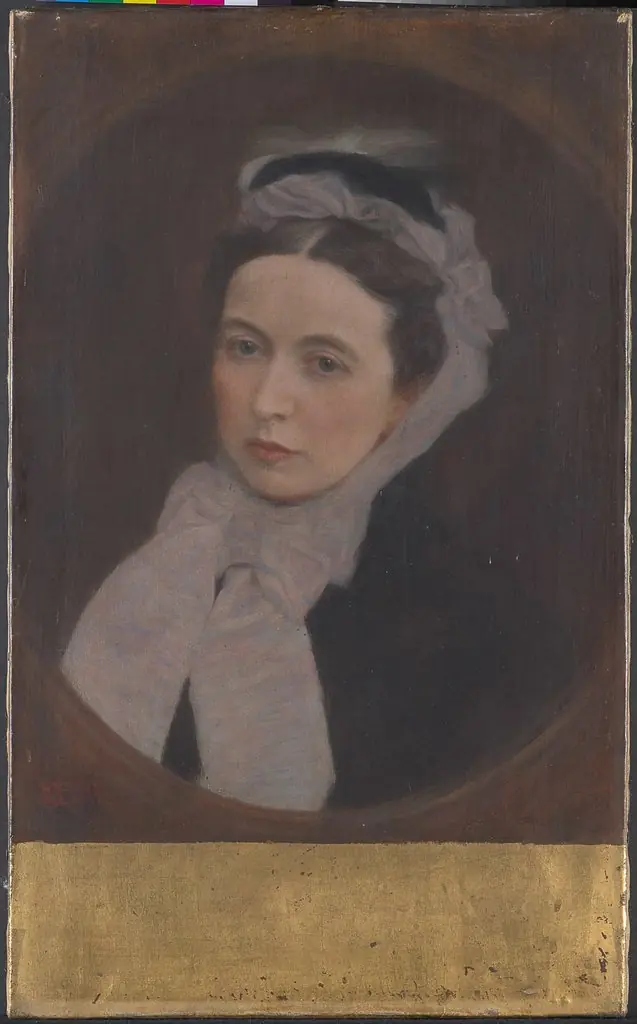 Lady with the lilac scarf (Dame mit lila Schal)
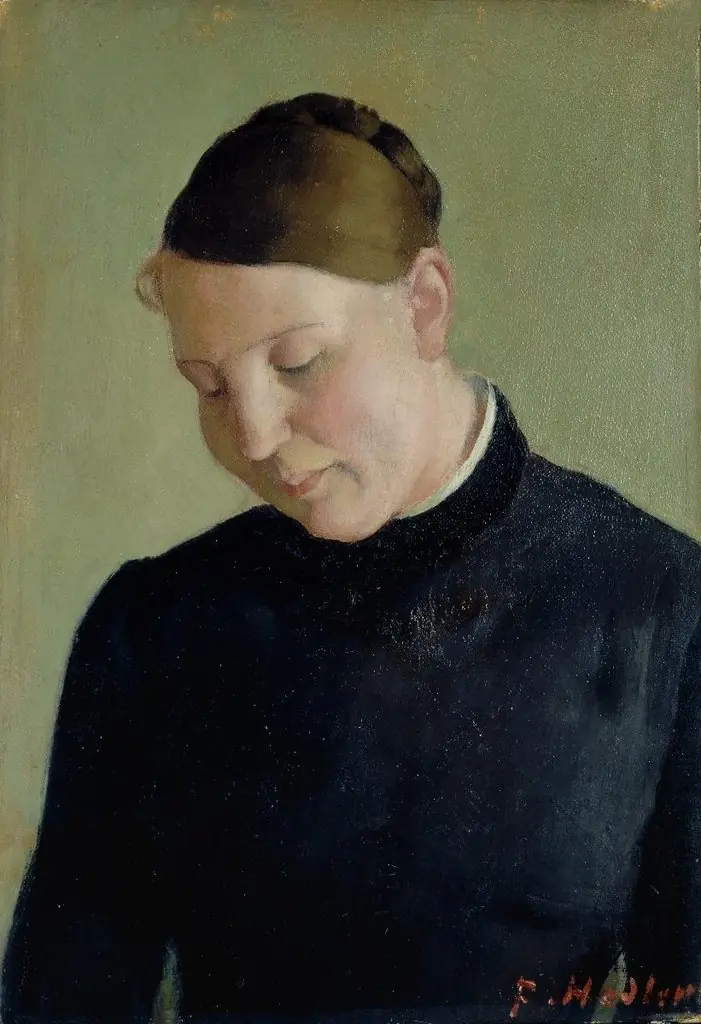 Bildnis einer Unbekannten. Frau, der Predigt zuhörend
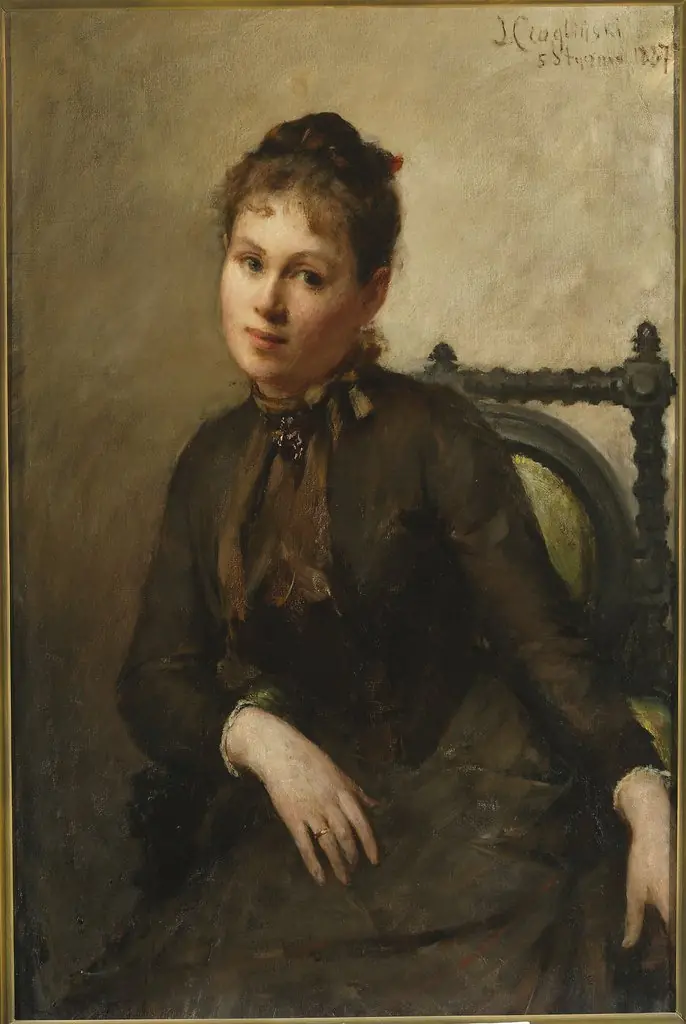 Portrait of Helena Piltz née Rymowicz
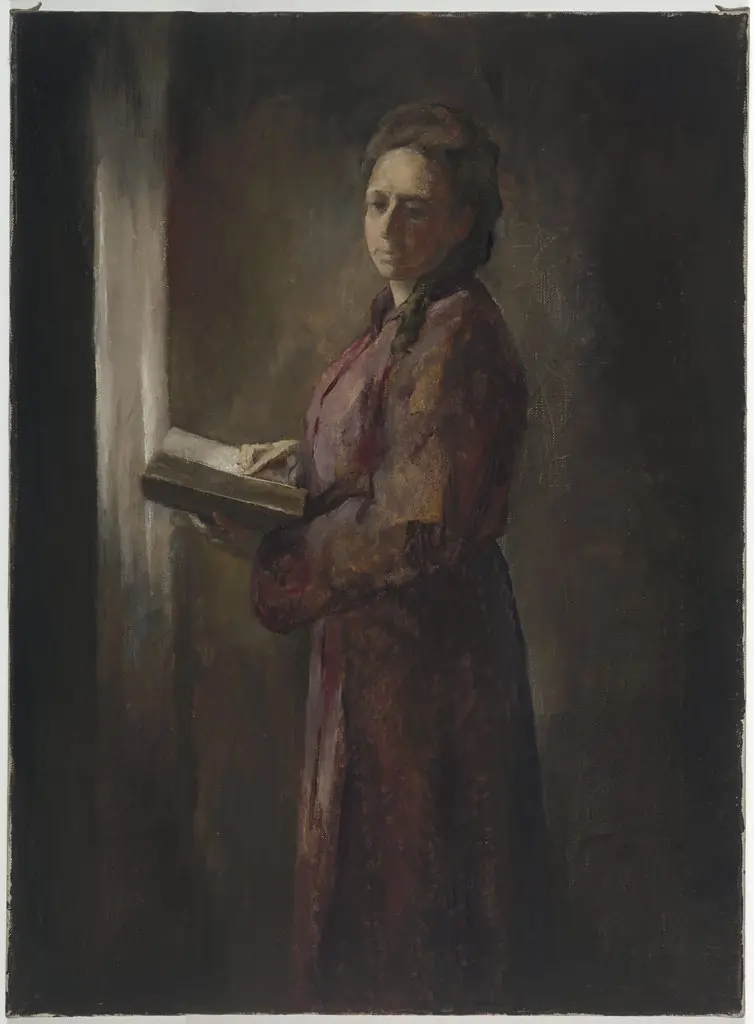 Voor het venster
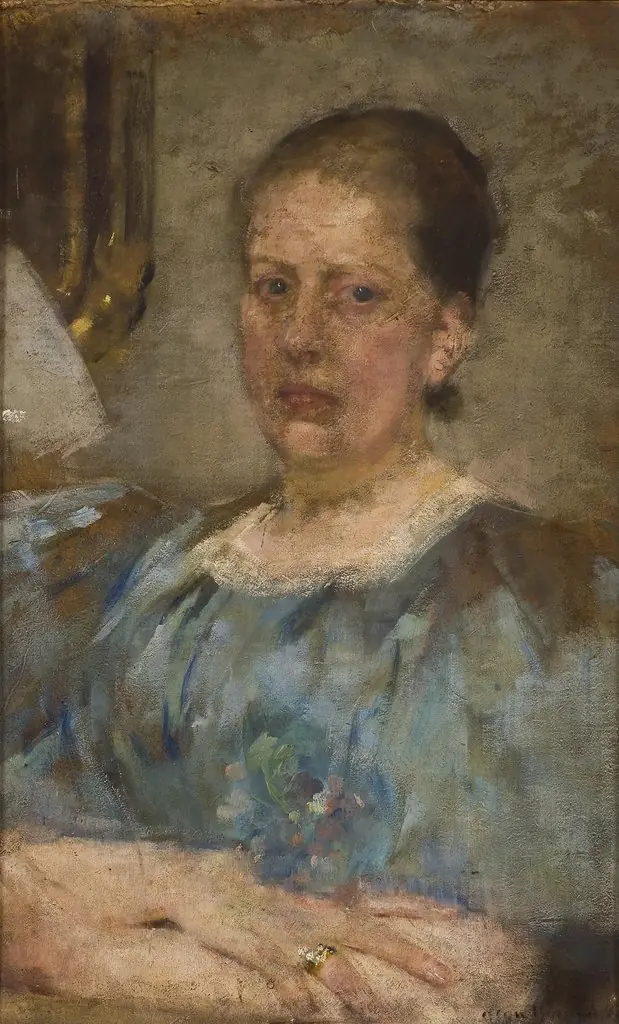 Portrait of a woman in a blue blouse
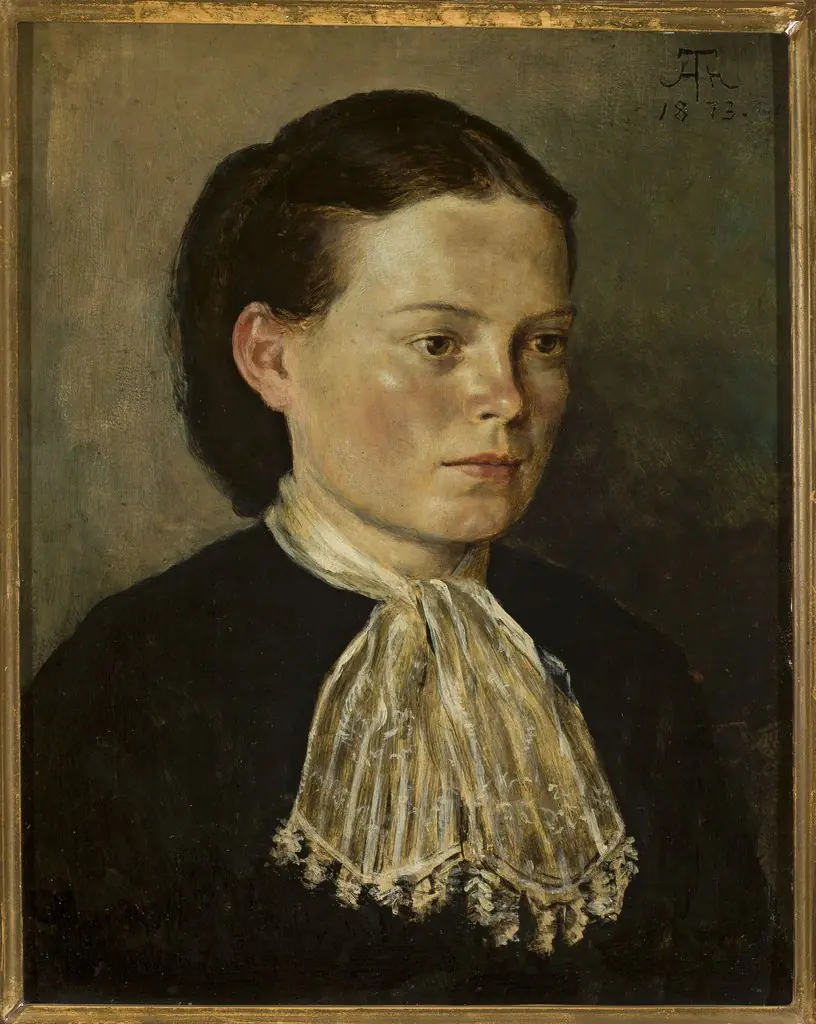 Portrait of Agathe, artist’s sister
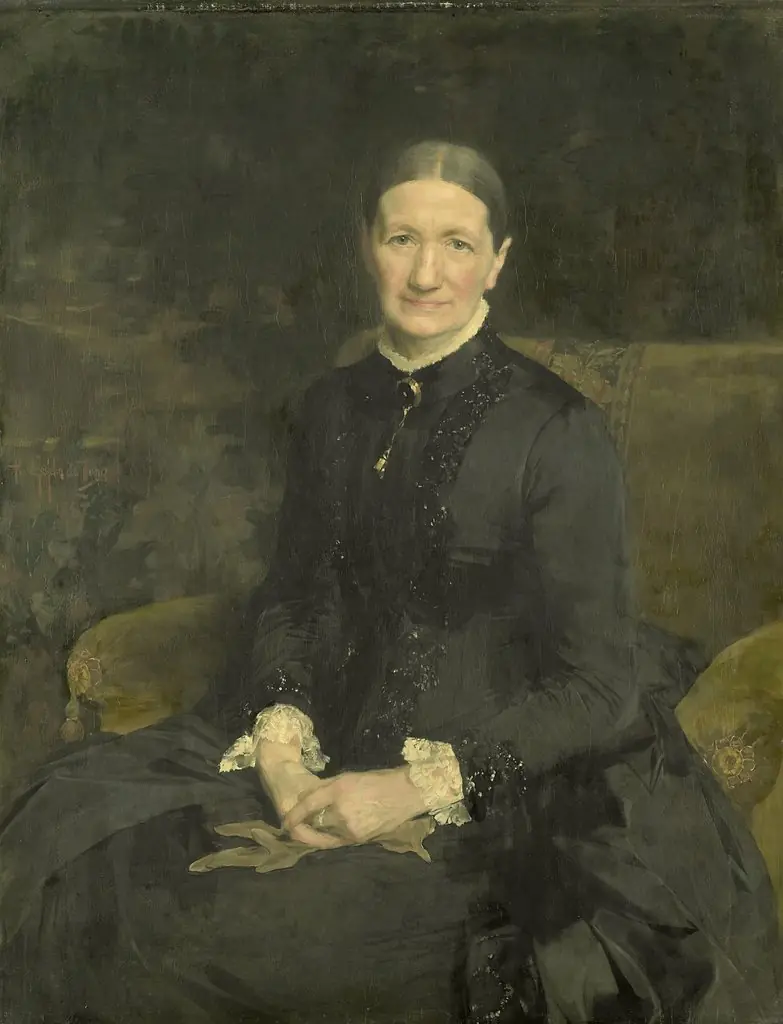 Portrait of Mrs. A J Zubli-Maschhaupt
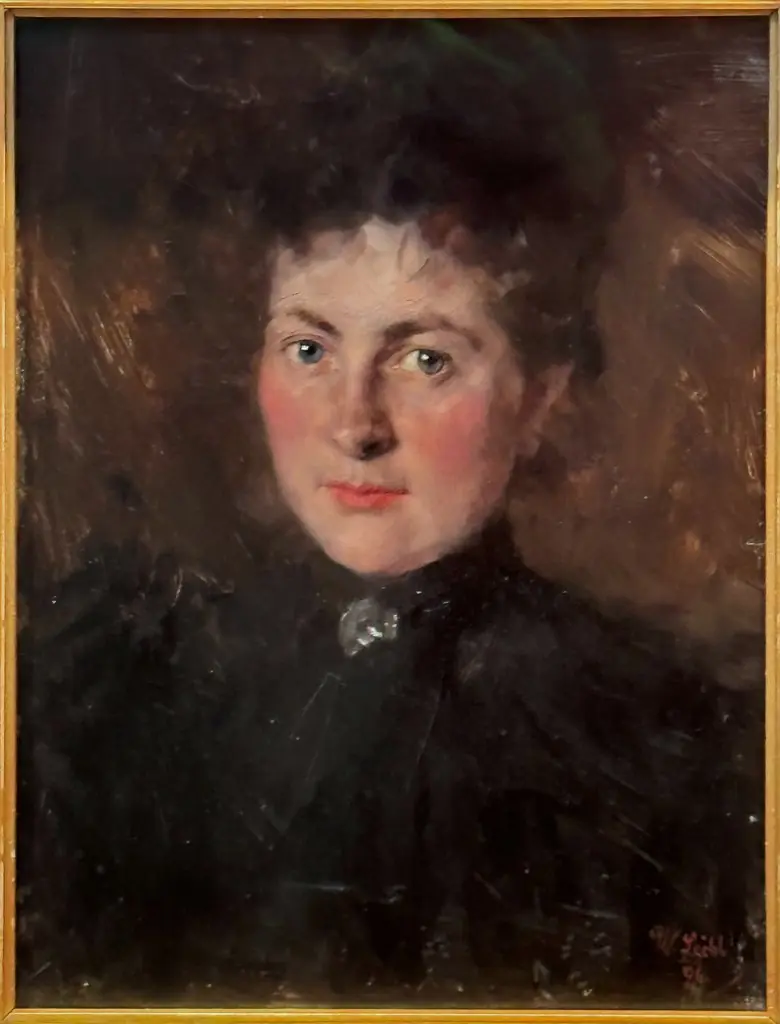 Felicia Kirchdorffer, die Nichte des Künstlers
 Malerinden Elisabeth Wandel