Artwork
Thora Bendix, née Anne Victoria Sundberg
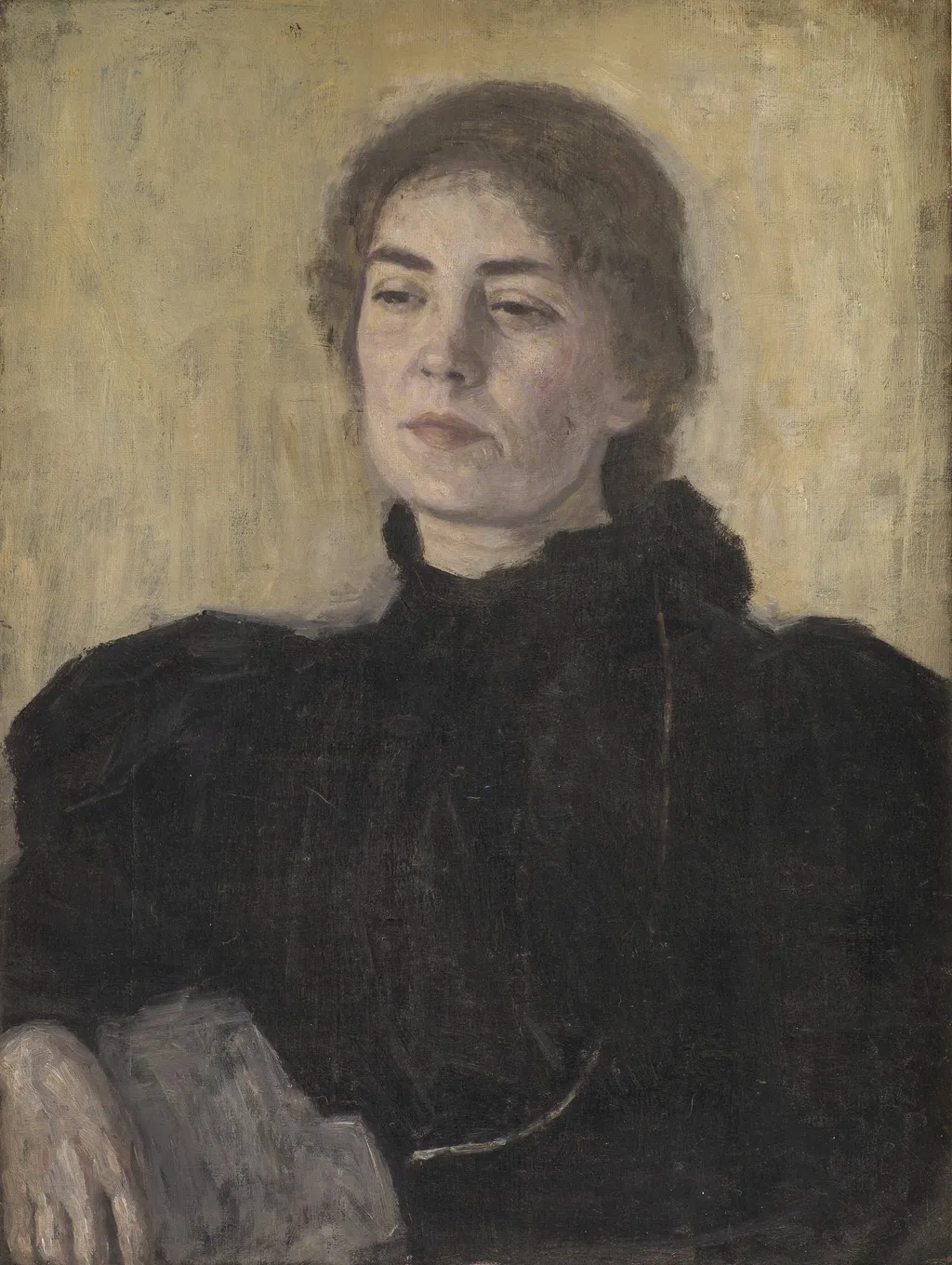
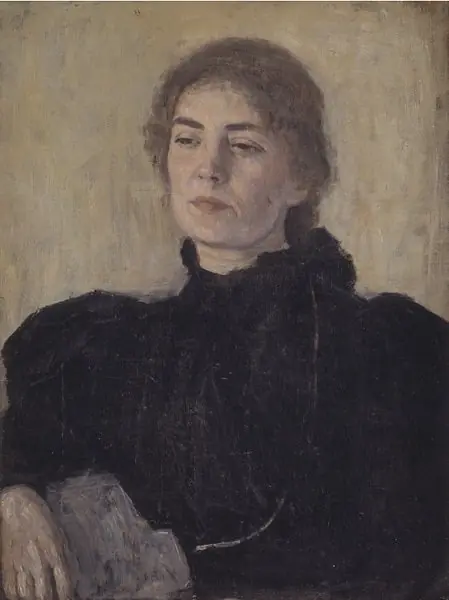
Thora Bendix, née Anne Victoria Sundberg is a photography by the Impressionist artist Unknown. It dates from 1896 and is held in the collection of the Statens Museum for Kunst. Painted in 1896, this portrait depicts Thora Bendix, born Anne Victoria Sundberg.
About this work
Overview
Painted in 1896, this portrait depicts Thora Bendix, born Anne Victoria Sundberg. The work is attributed to an artist associated with the Museum of Ethnography, where it remains in the collection. Rendered in oil, the composition centers on the sitter’s calm presence, with minimal background detail and a restrained palette that emphasizes her figure and expression.
Subject & Meaning
Thora Bendix is portrayed without adornment or symbolic props, suggesting an emphasis on personal identity over social status.
Thora Bendix is portrayed without adornment or symbolic props, suggesting an emphasis on personal identity over social status. Her neutral gaze and plain attire convey quiet dignity. The absence of context or narrative elements invites contemplation of the individual rather than her role in society, reflecting a shift toward intimate, psychologically grounded portraiture in late 19th-century Nordic art.
Technique & Style
The artist employed broad, textured brushstrokes to model form, particularly along the contours of the face and neck. Thick applications of paint, characteristic of impasto, create subtle variations in light and volume. The pale yellow background is loosely rendered, allowing the figure to emerge with clarity. The handling of fabric and hair suggests spontaneity, avoiding polished finish in favor of tactile immediacy.
History & Provenance
The painting entered the Museum of Ethnography’s collection shortly after its creation. Its acquisition likely reflects the institution’s interest in documenting personal and cultural identities of the period. No record of prior ownership or exhibition history is widely documented, suggesting it may have been a private commission later transferred to public care.
Context
Created during a time when Nordic artists increasingly turned to realism and psychological depth in portraiture, this work aligns with broader trends rejecting idealized representations. The focus on an ordinary woman, dressed plainly and unadorned, mirrors contemporary interest in everyday life and individual subjectivity, distinct from grand historical or mythological themes.
Legacy
Though not widely reproduced or publicly celebrated, the portrait contributes to a quieter archive of Nordic domestic portraiture. Its unembellished approach and direct gaze offer insight into how personal identity was visually constructed outside elite circles. The work remains a quiet example of late 19th-century observational painting in a regional context.
Artist & collection

 Domestic Scene
 Giacomo and Cardinal Marco, investing Andrea, Abbot of San Zeno, with his Benefice
 The Nymph of Fontainebleau
 Portrait of a Woman
 Madonna and Child with Saints in the Enclosed Garden
 Venus and Minerva
 Family Group of Four on Sofa
 Wall painting from Room H of the Villa of P. Fannius Synistor at Boscoreale
 Madame Constantin Meunier
 Portrait of Mrs Getter – two-sided painting
 Maria Sheldon Scammon
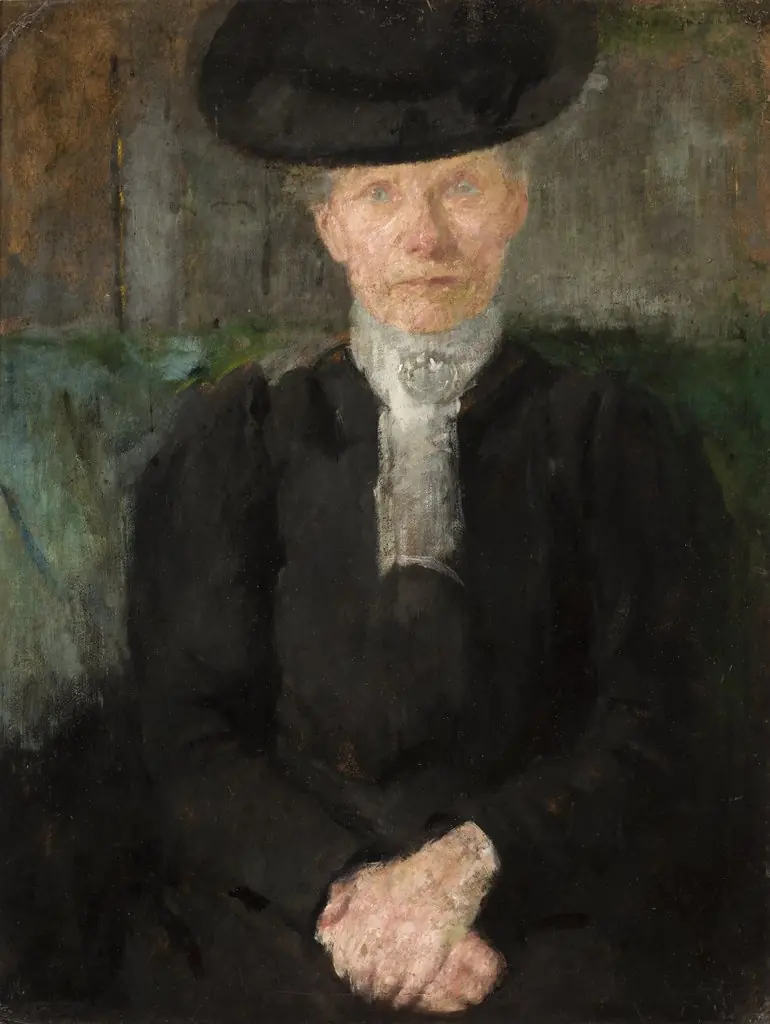 Portrait of Miss Deuringer
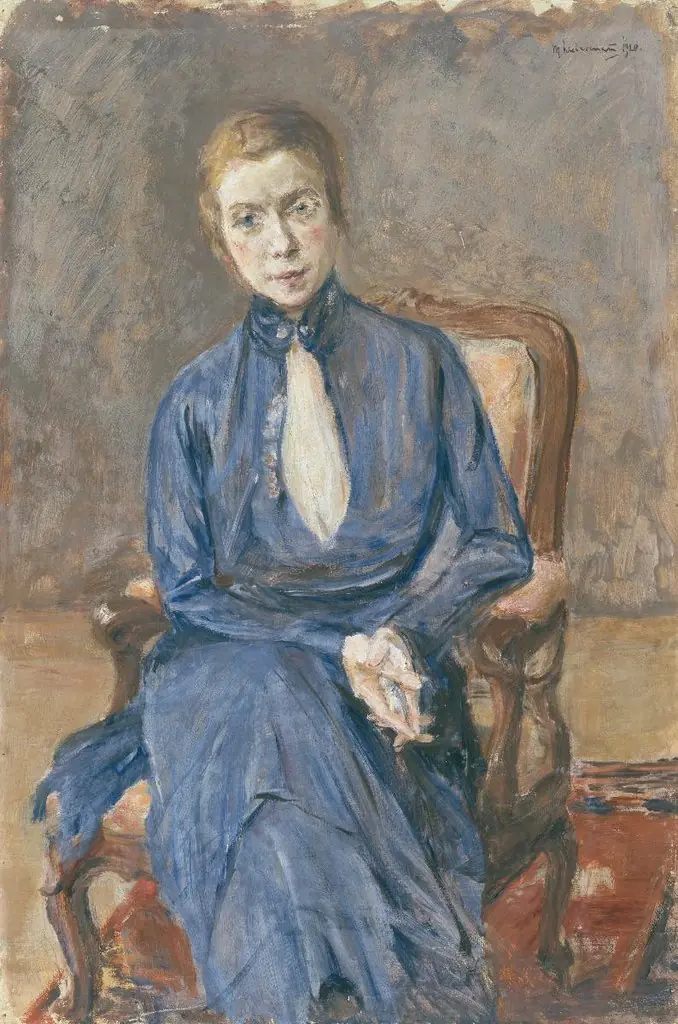 Bildnis Lola Leder
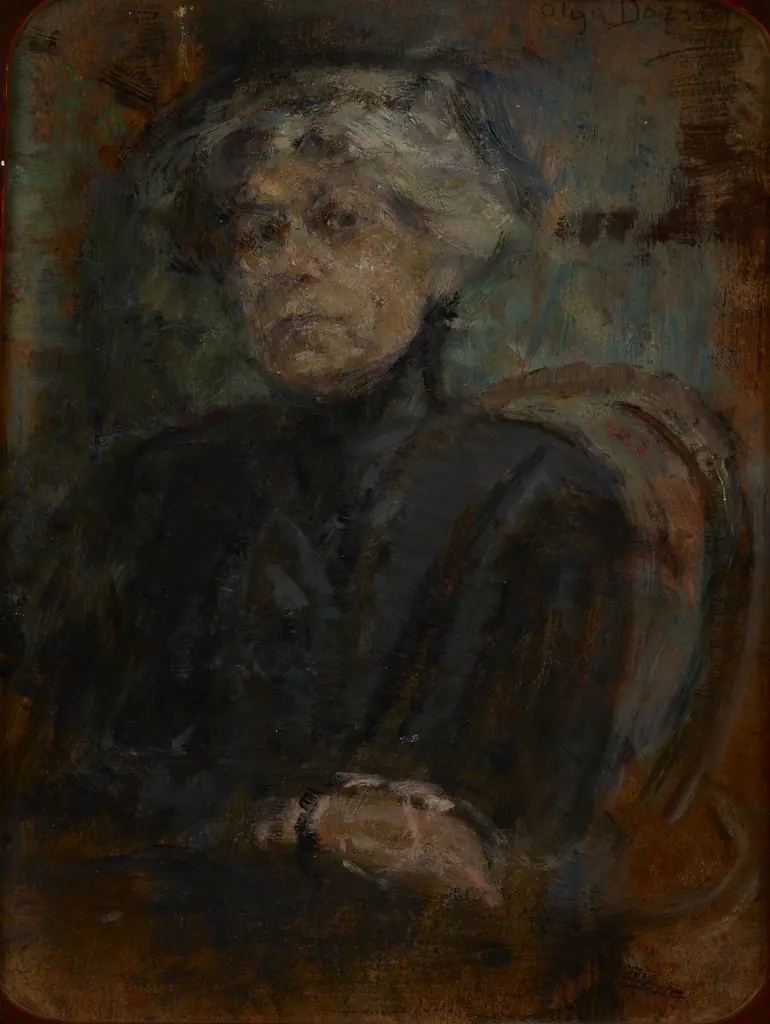 Portrait of Berta Dylion
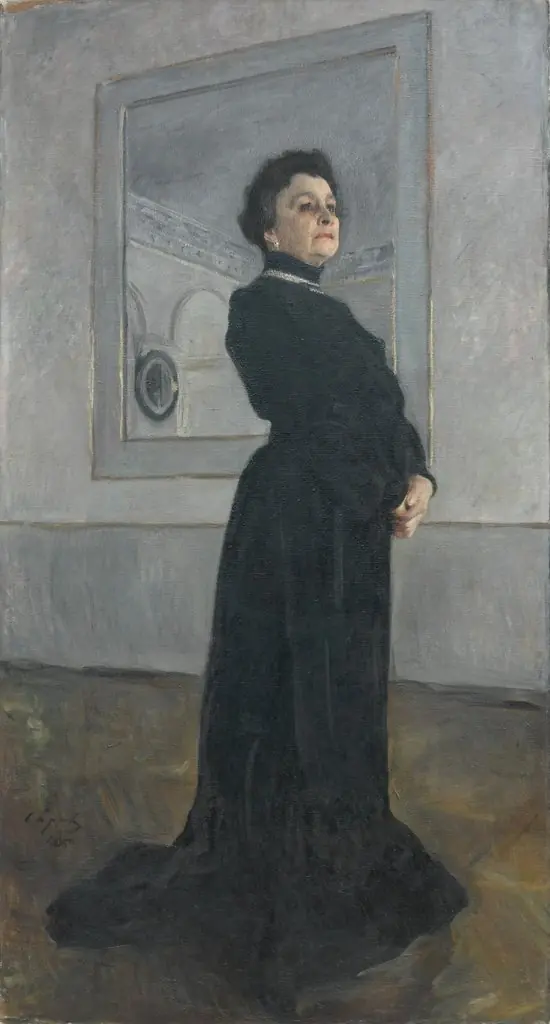 Portrait of Maria Yermolova
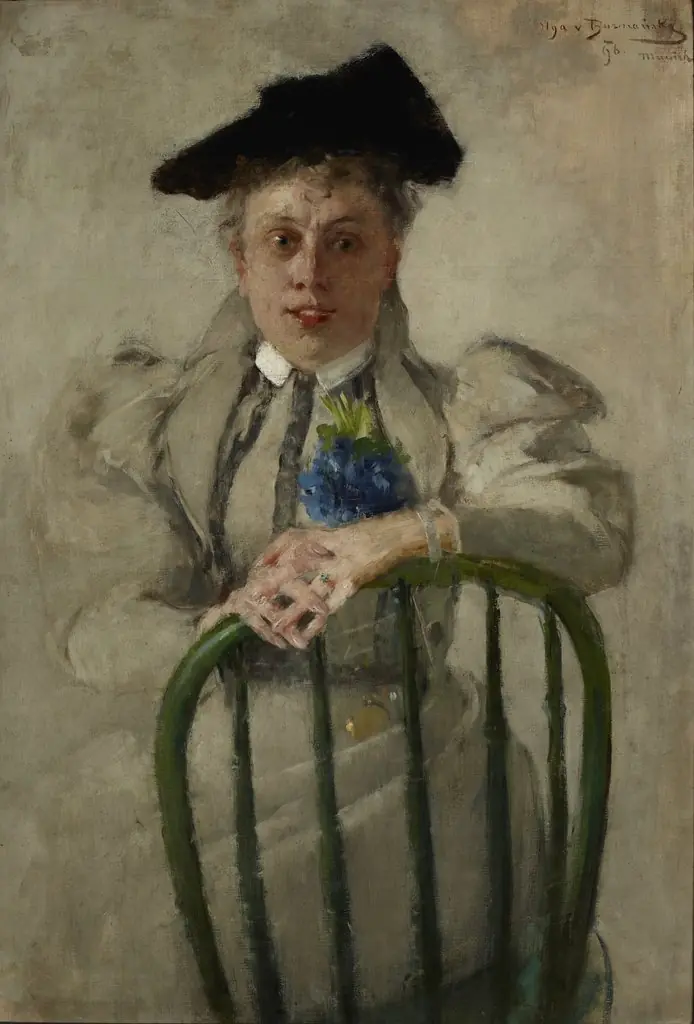 Portrait of Irena Zbigniewicz née Serda
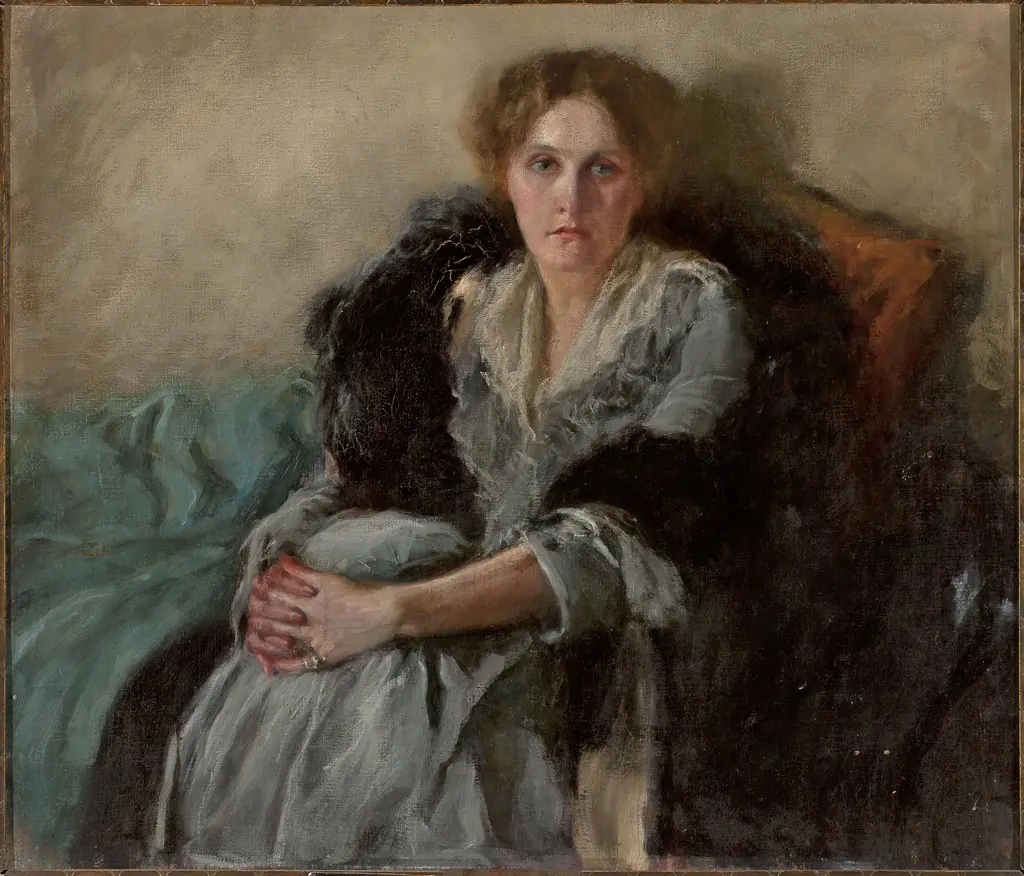 Portrait of the artist's wife, Leta Czajkowska (ca.1875–1947)
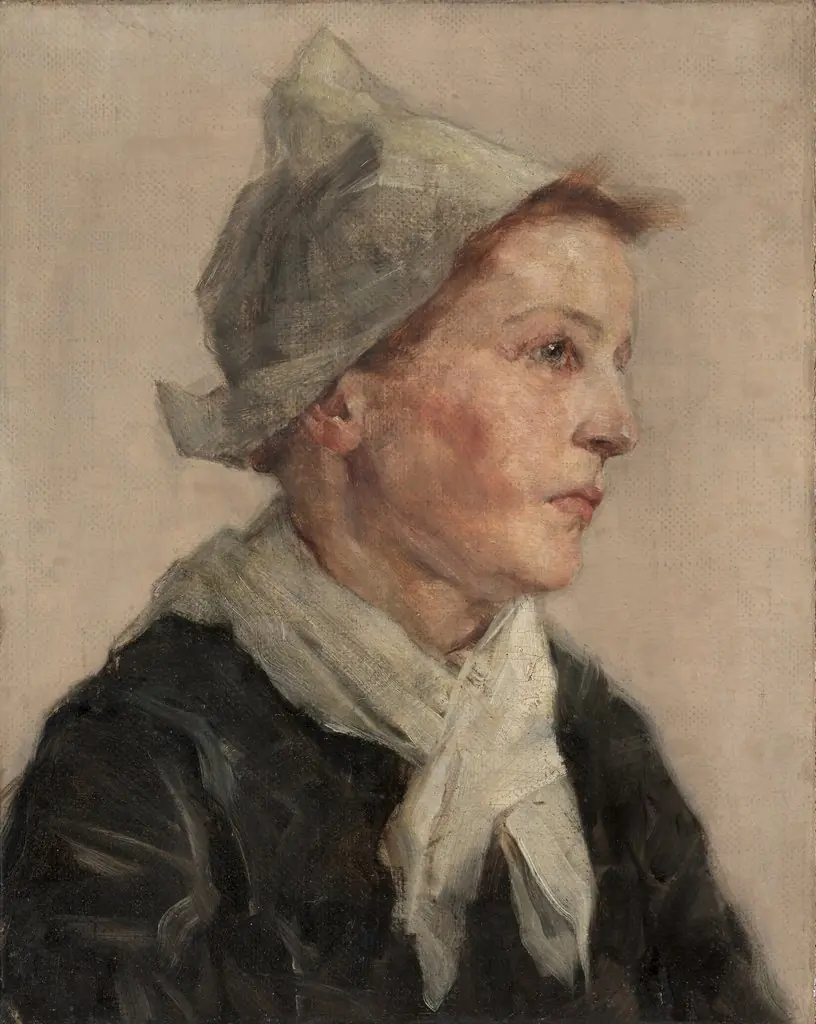 Head of a Woman
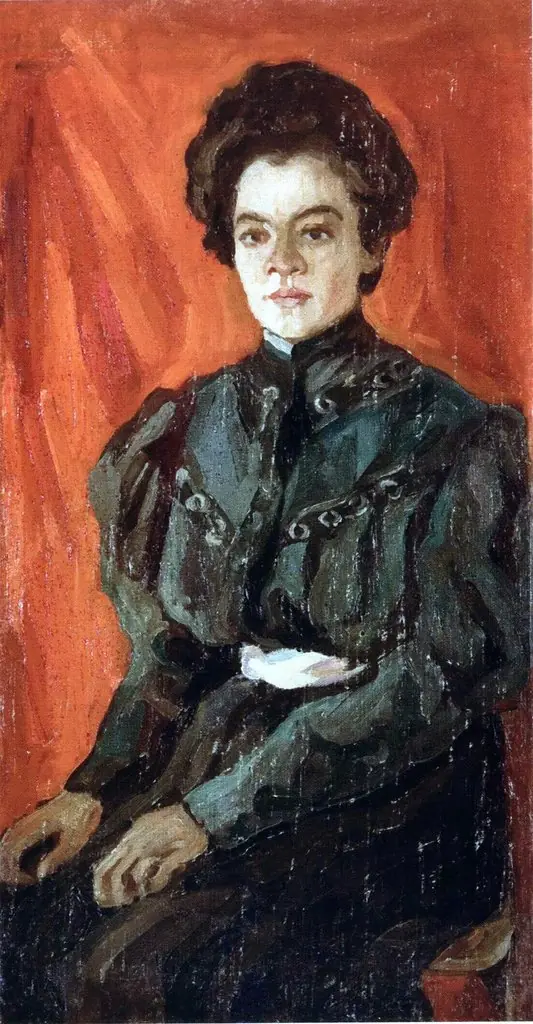 Female Portrait
 Portræt af fru Thora Bendix (Anne Victoria, f. Sundberg)