Artwork
Portrait of the artist's wife, Leta Czajkowska (ca.1875–1947)
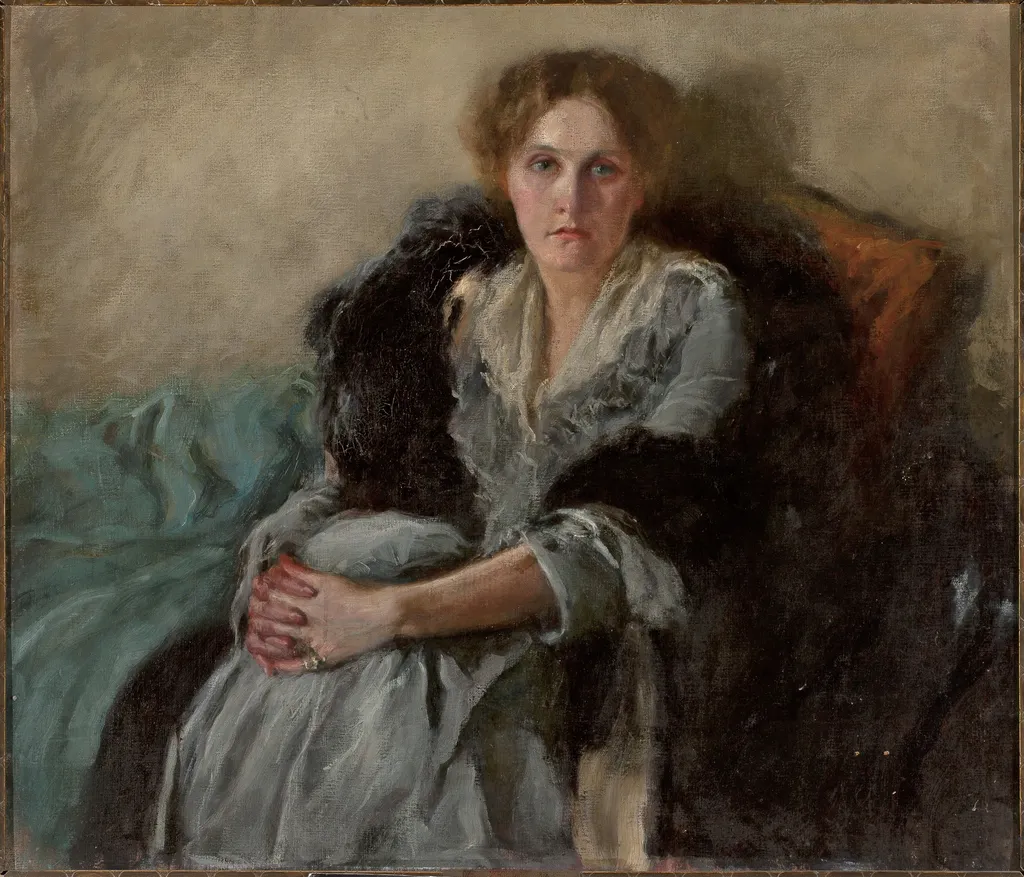
Portrait of the artist's wife, Leta Czajkowska (ca.1875–1947) is an oil painting by the Post-Impressionist artist Józef Czajkowski. It dates from 1905 and is held in the collection of the National Museum in Warsaw.
About this work
Overview
Painted in 1905 by Józef Czajkowski, this oil portrait depicts his wife, Leta Czajkowska, seated calmly in a simple interior. The work is part of the National Museum in Warsaw’s collection and reflects the artist’s commitment to intimate, lifelike representation. The composition centers on the figure and her companion, rendered with quiet precision and minimal distraction.
Subject & Meaning
Leta Czajkowska is portrayed with a composed, direct gaze, conveying a sense of quiet self-possession. Her dark-haired dog, seated beside her and mirroring her gaze, reinforces a bond of mutual attention. The absence of decorative elements or symbolic props suggests a focus on personal presence rather than social status, emphasizing domestic intimacy over formal portraiture conventions.
Technique & Style
Czajkowski employs a restrained realism, with soft transitions in tone and careful rendering of textures—particularly in the dog’s fluffy fur and the loose folds of the white dress. The light brown background recedes gently, drawing focus to the figures. Brushwork is precise yet unobtrusive, avoiding theatricality in favor of a subdued, contemplative atmosphere.
History & Provenance
The painting remained within the artist’s family before entering the National Museum in Warsaw’s collection. Its documented history is modest, with no evidence of public exhibition prior to its acquisition by the museum. It is one of several portraits Czajkowski made of his wife, reflecting a sustained personal artistic engagement.
Context
Created during a period when Polish artists were increasingly turning to domestic subjects amid national cultural revival, the portrait aligns with a broader trend of intimate, non-heroic representation. Unlike grand historical or aristocratic portraits, this work captures private life with dignity, reflecting the values of middle-class artistic circles in early 20th-century Poland.
Legacy
The portrait endures as a quiet example of early 20th-century Polish realism, valued for its emotional restraint and technical clarity. While not widely reproduced, it remains a significant piece in the National Museum’s holdings, offering insight into Czajkowski’s personal world and the evolving role of the private portrait in Polish art.
Artist & collection
Artist
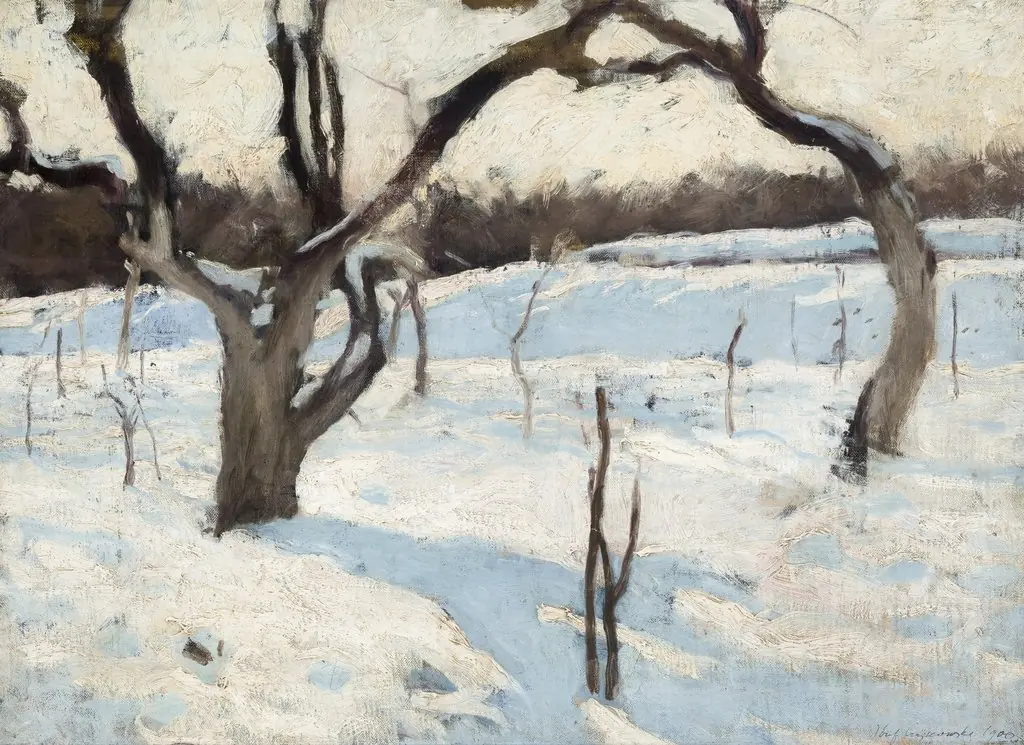
Józef Czajkowski made quiet, realist oil paintings in the late 1800s. His brush captured Orchard in Winter’s bare trees and the soft light on his brother’s face in Portrait of Stanisław Czajkowski. A decade later, he…

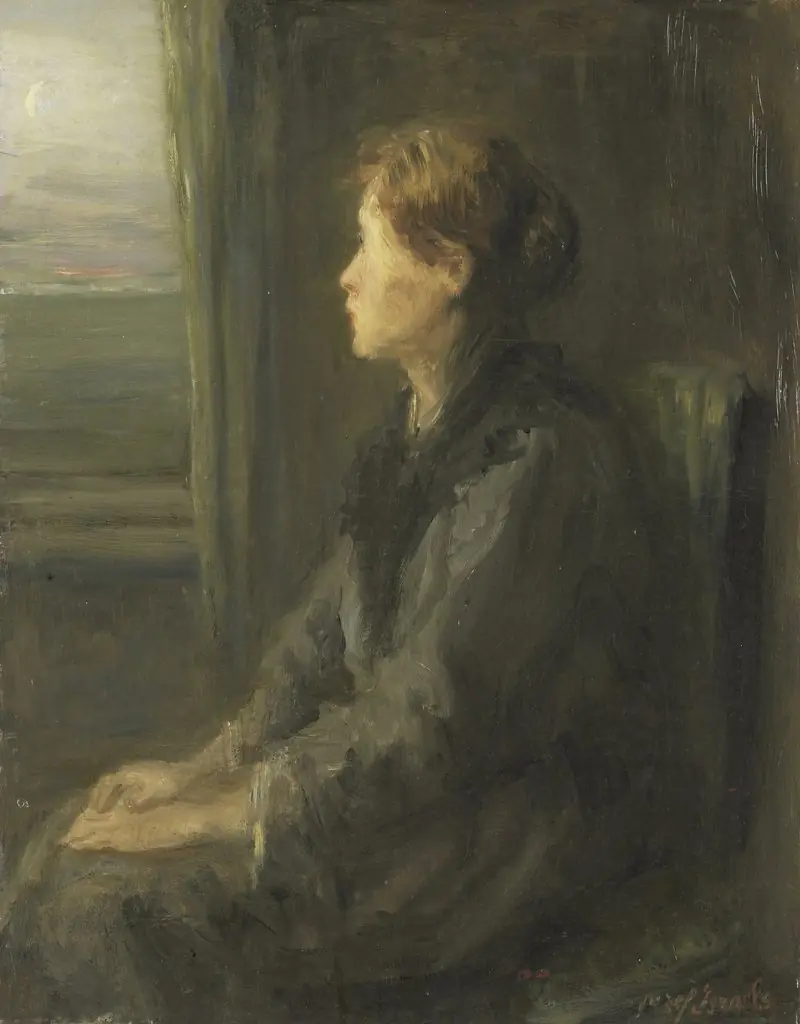 Woman at a Window
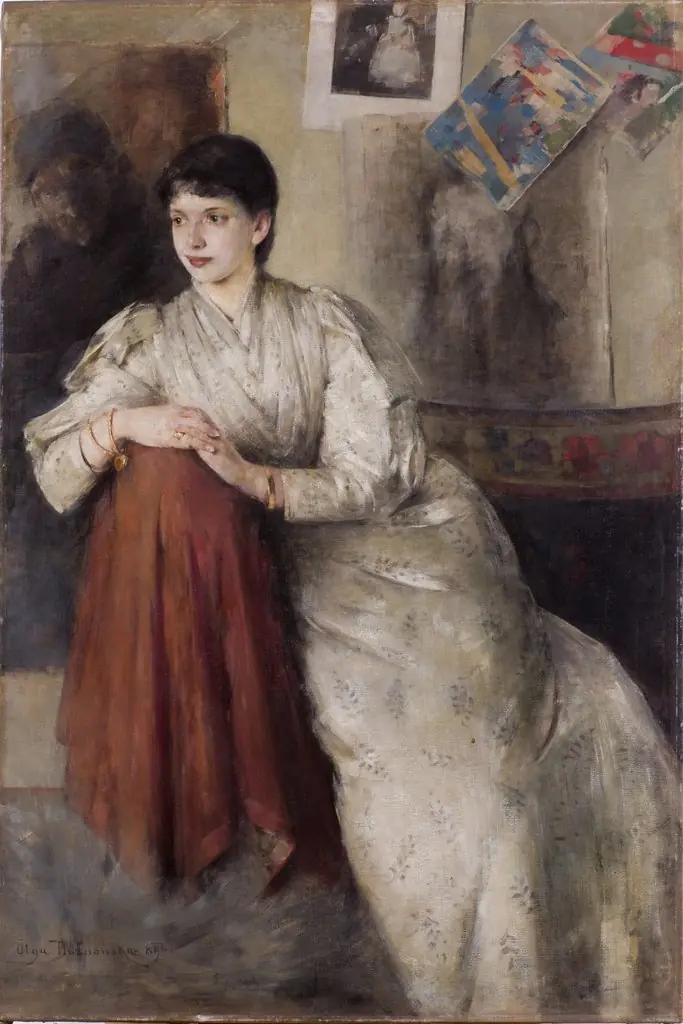 Portrait of a Woman in a White Dress
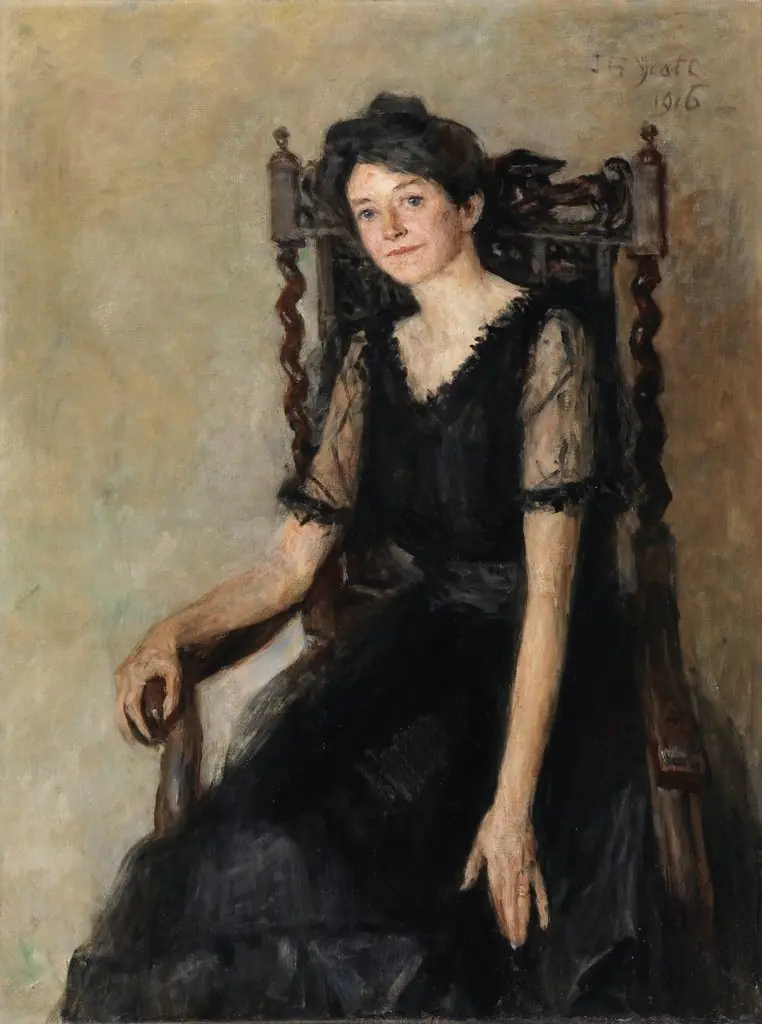 Portrait of Mrs Caughey
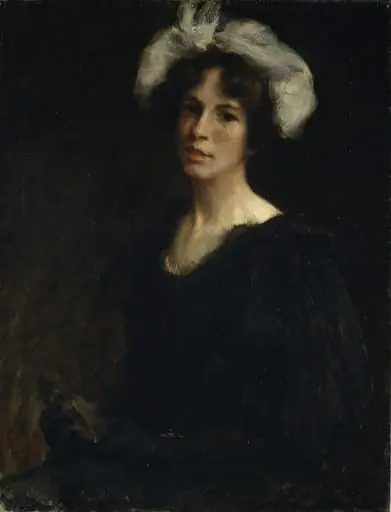 Bessie Potter
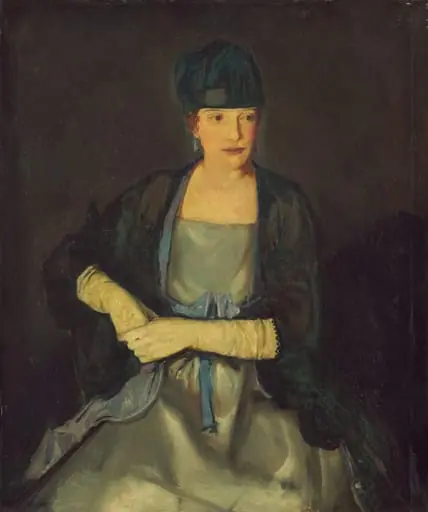 Maud Murray Dale (Mrs. Chester Dale)
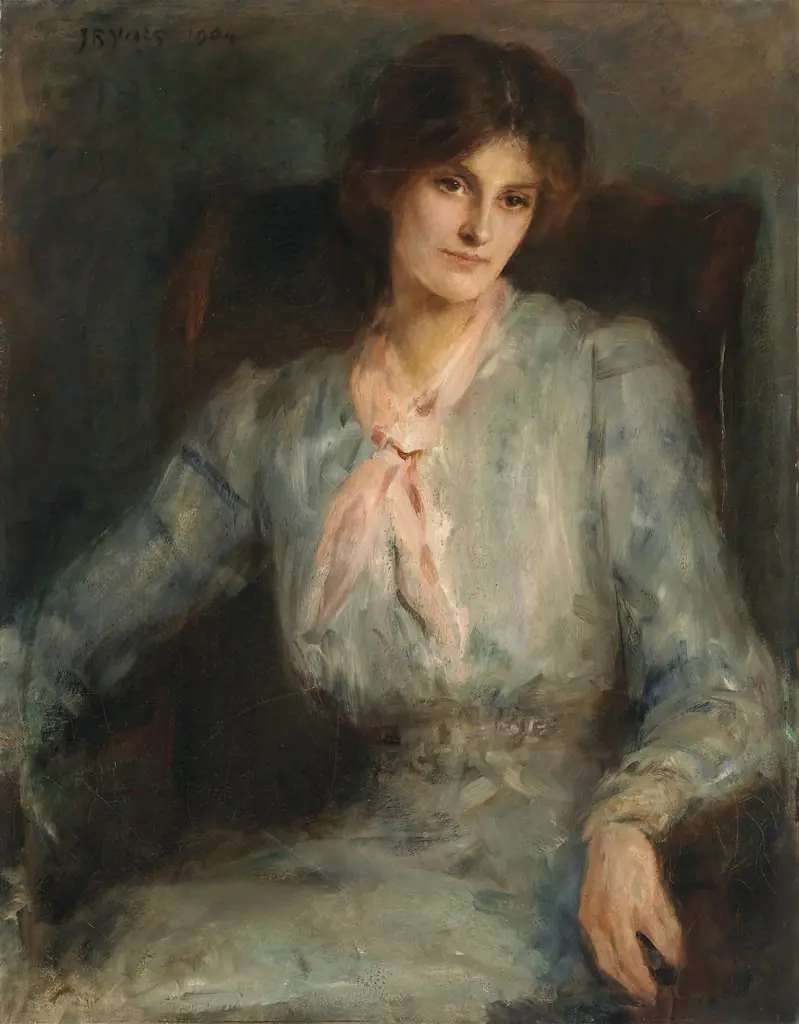 Portrait of Maire Nic Shiubhlaigh (1883-1958), Actress
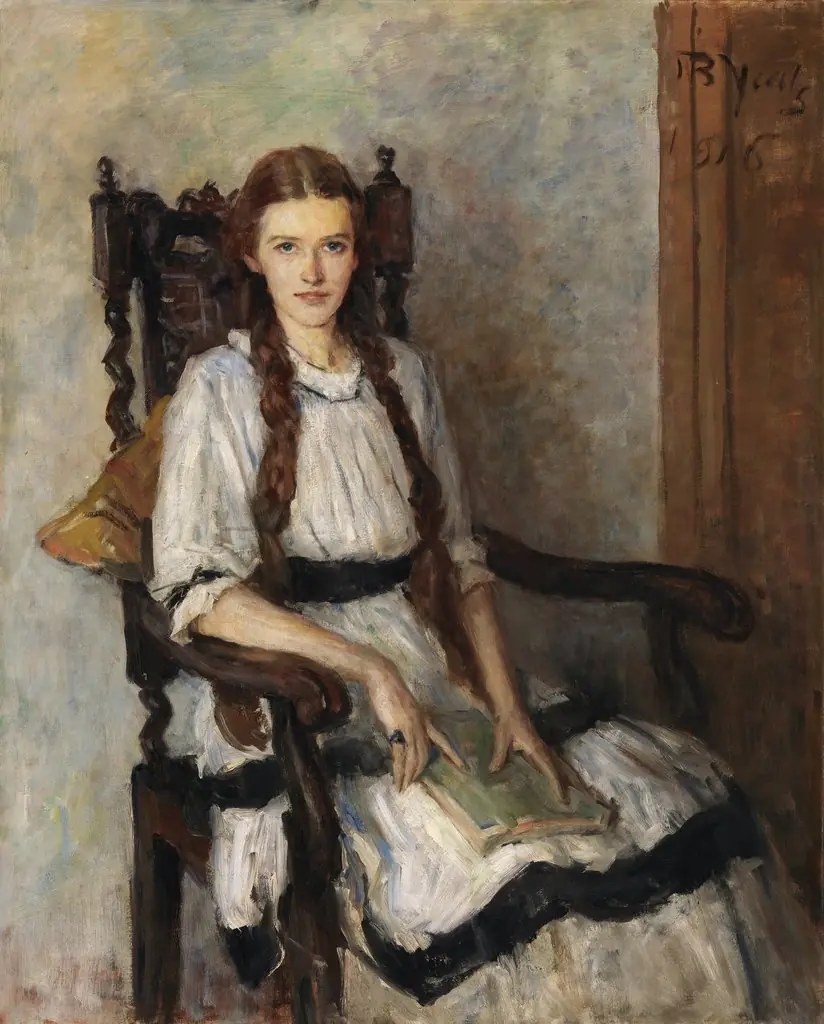 Portrait of Mary Lapsley Guest (née Caughey) (1901-1964)
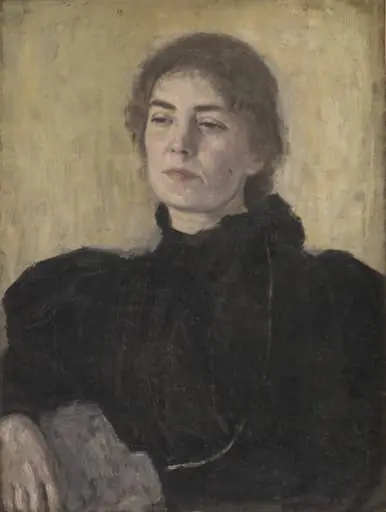 Thora Bendix, née Anne Victoria Sundberg
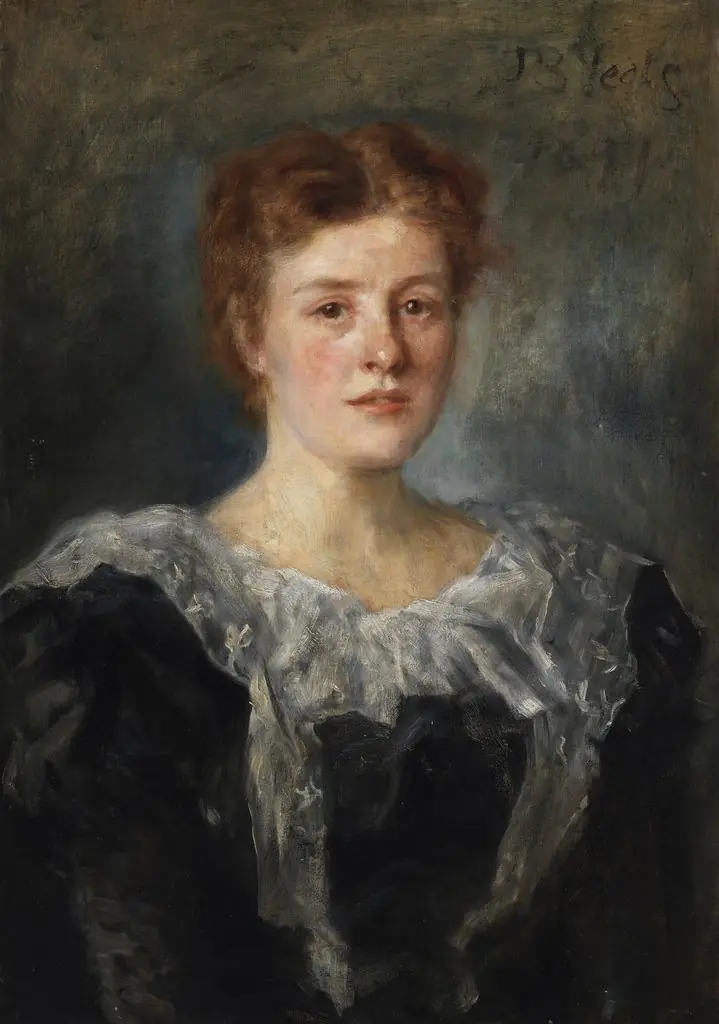 Portrait of Susan Mitchell (1866-1926), Poet
 Portrait of a young woman, study
 Portrait of Jadwiga Gaszczyńska
 Portrait of Miss K. Leney