Artwork
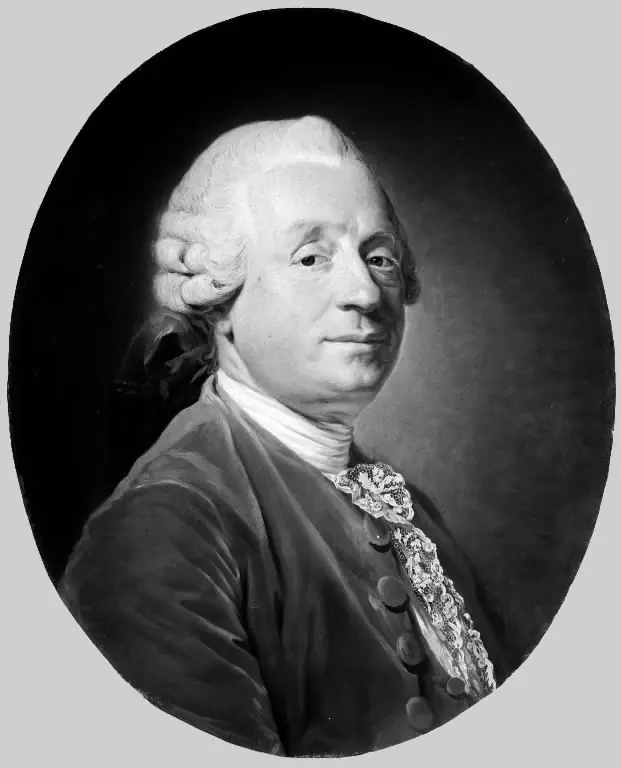
Portrait of Charles Auguste Bourlet de Vauxelles
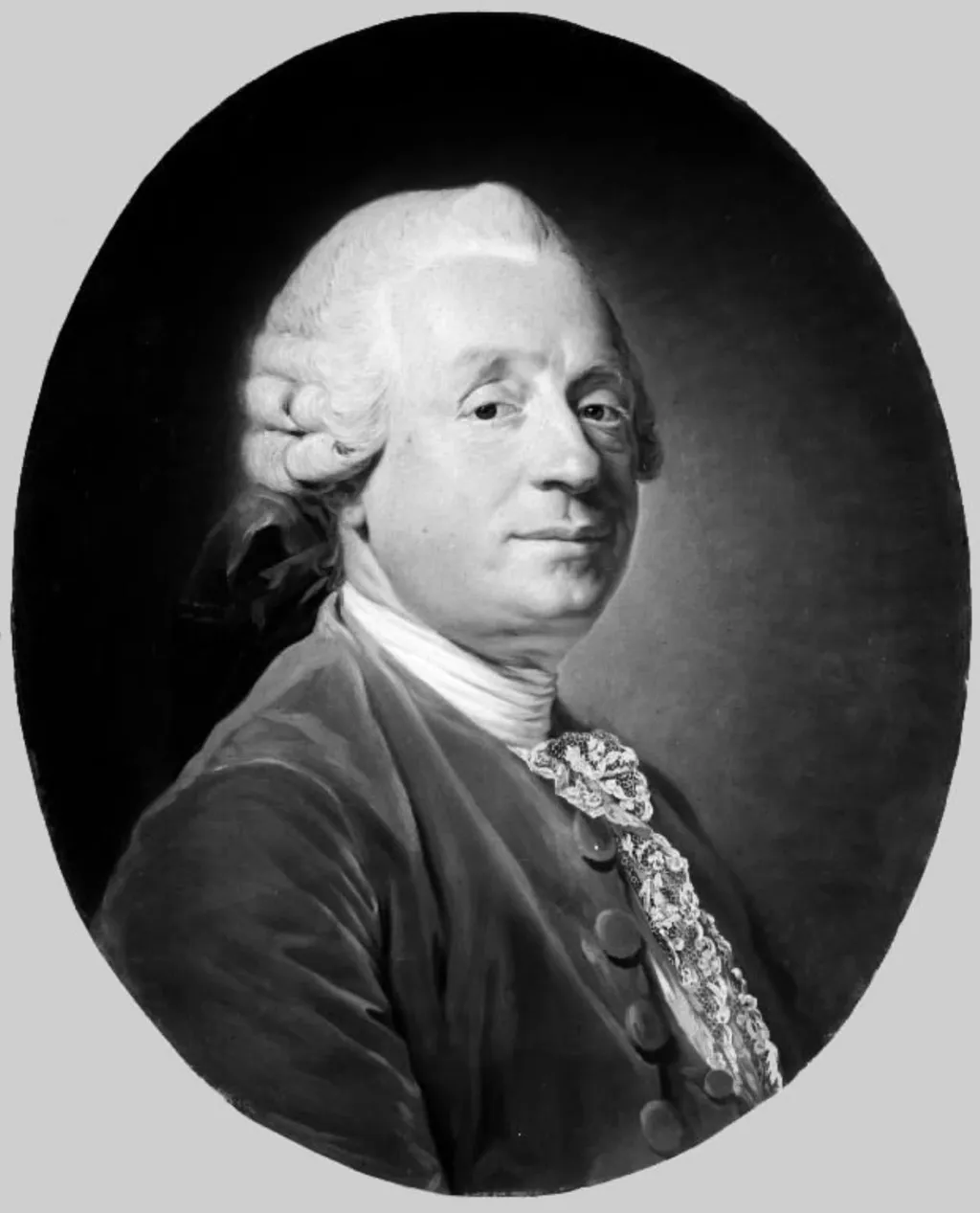
Portrait of Charles Auguste Bourlet de Vauxelles is an unspecified painting by Unknown. It dates from 1750 and is held in the collection of the Statens Museum for Kunst. This black-and-white portrait depicts Charles Auguste Bourlet de Vauxelles, a French nobleman, likely painted around 1750.
About this work
If you're interested in learning more about the artist's techniques, you might want to explore the use of chiaroscuro in this painting.
This black-and-white portrait features a man with a powdered wig, dressed in 18th-century attire. He wears a dark jacket with buttons down the front, a white cravat, and a lace-trimmed vest. The background is a dark oval shape.
The subject's gaze is directed to the right, and his expression is neutral. The painting's style suggests it may have been created during the 18th century, but the exact date is unknown.
If you're interested in learning more about the artist's techniques, you might want to explore the use of chiaroscuro in this painting.
Overview
This black-and-white portrait depicts Charles Auguste Bourlet de Vauxelles, a French nobleman, likely painted around 1750. The work is held in the collection of the Museum of Ethnography. Though attributed to an artist active in 1826, the style and subject suggest an earlier origin, possibly mid-18th century. The image is rendered in tonal gradations, typical of engraved or drawn portraiture of the period, rather than oil paint.
Subject & Meaning
The sitter, Charles Auguste Bourlet de Vauxelles, is presented in formal 18th-century dress, signaling his social standing. His powdered wig, lace-trimmed vest, and cravat reflect aristocratic conventions of the time. His neutral expression and averted gaze convey composure, aligning with ideals of restrained dignity common among French nobility. The portrait functions as a record of identity rather than an emotional statement.
Technique & Style
Executed in monochrome, the portrait relies on subtle tonal contrasts to define form and texture. The dark oval background isolates the figure, focusing attention on his attire and facial structure. Fine linework suggests the use of engraving or etching, possibly for reproduction. Chiaroscuro is employed sparingly, emphasizing the crisp edges of lace and the softness of powdered hair without dramatic lighting effects.
History & Provenance
The portrait entered the Museum of Ethnography’s collection without clear documentation of its early ownership. Its attribution to a 1826 artist may reflect a misdating or later reproduction. The image’s format and style align with mid-1700s French portraiture, though no definitive record of its original commission or artist has been established. Its preservation suggests it was valued as a family or institutional keepsake.
Context
In mid-18th-century France, portraiture served both personal and social functions, often reinforcing status through dress and pose. Engraved portraits like this one were commonly circulated among elite circles as printed reproductions. The absence of color and the oval format reflect conventions of printmaking, which allowed wider dissemination than painted portraits, linking this work to the broader culture of visual documentation among the nobility.
Legacy
Though not widely known outside institutional archives, the portrait contributes to the visual record of French aristocratic identity in the pre-Revolutionary era. Its preservation in an ethnographic museum underscores its value as a cultural artifact rather than a fine art object. It remains a quiet example of how portraiture functioned as a tool of social representation in an age before photography.
Artist & collection

 Domestic Scene
 Giacomo and Cardinal Marco, investing Andrea, Abbot of San Zeno, with his Benefice
 The Nymph of Fontainebleau
 Portrait of a Woman
 Madonna and Child with Saints in the Enclosed Garden
 Venus and Minerva
 Family Group of Four on Sofa
 Wall painting from Room H of the Villa of P. Fannius Synistor at Boscoreale
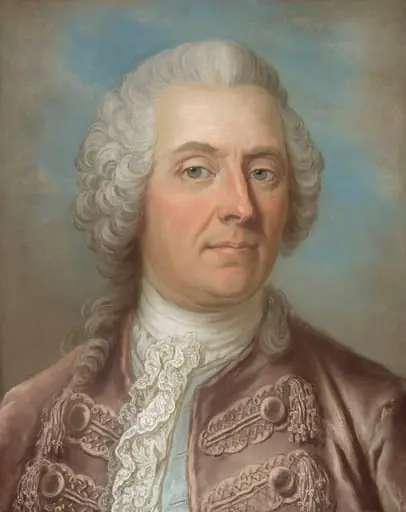 Vapaaherra Johan Wilhelm Sprengtporten
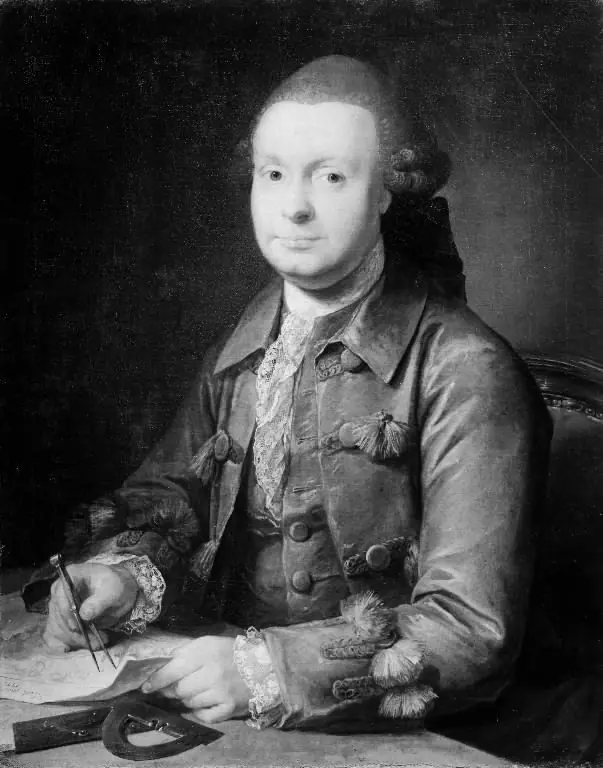 Peder Rahr, købmand i Ribe
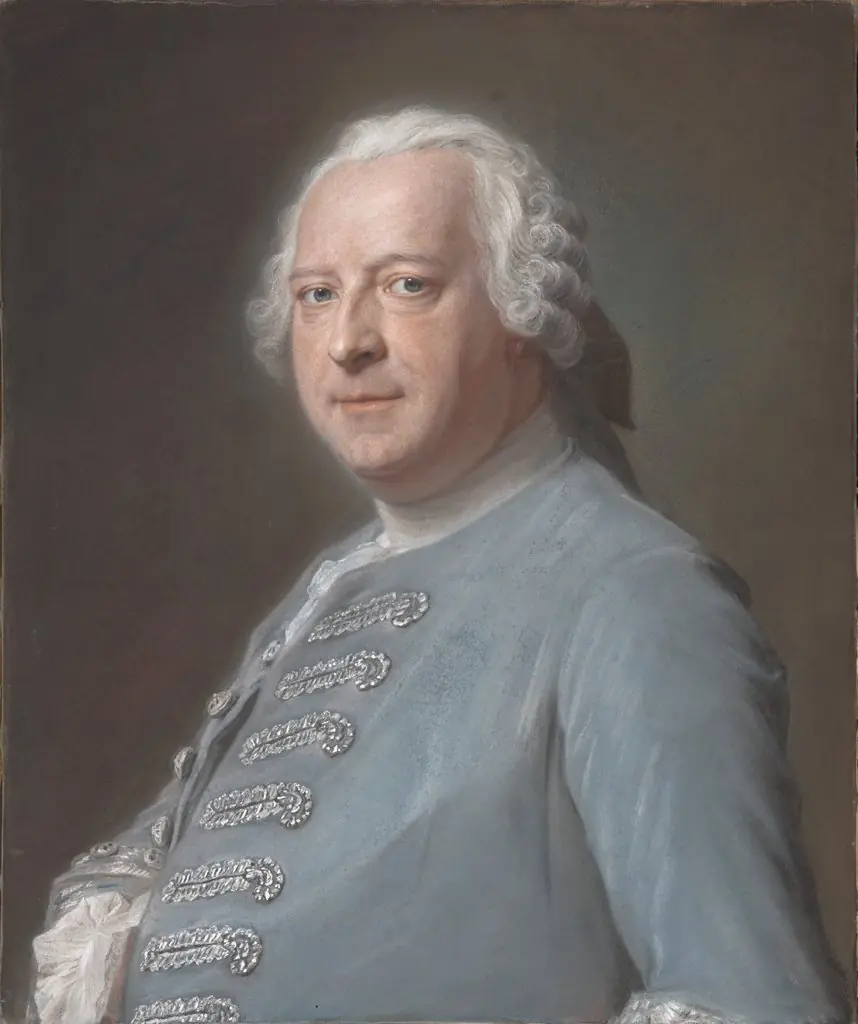 Jean Charles Garnier d'Isle (1697–1755)
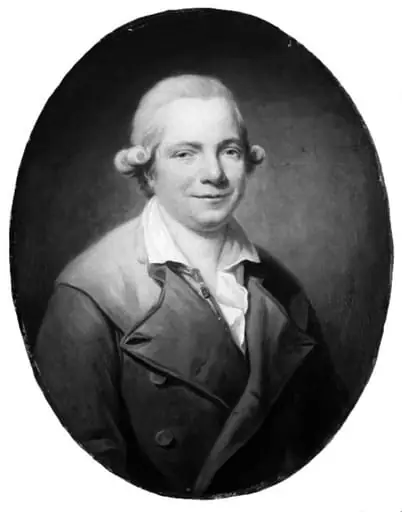 Mandsportræt
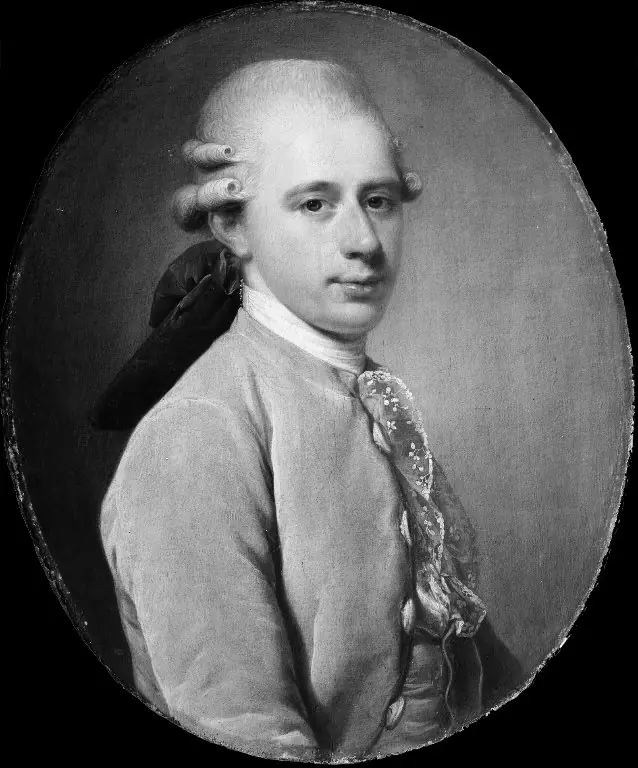 Generalpostdirektør Frederik Hauch som ung
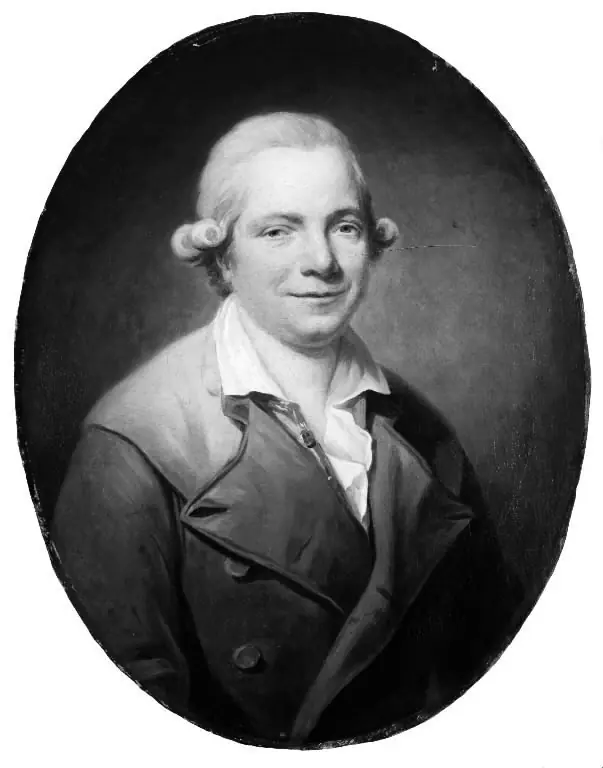 Mandsportræt
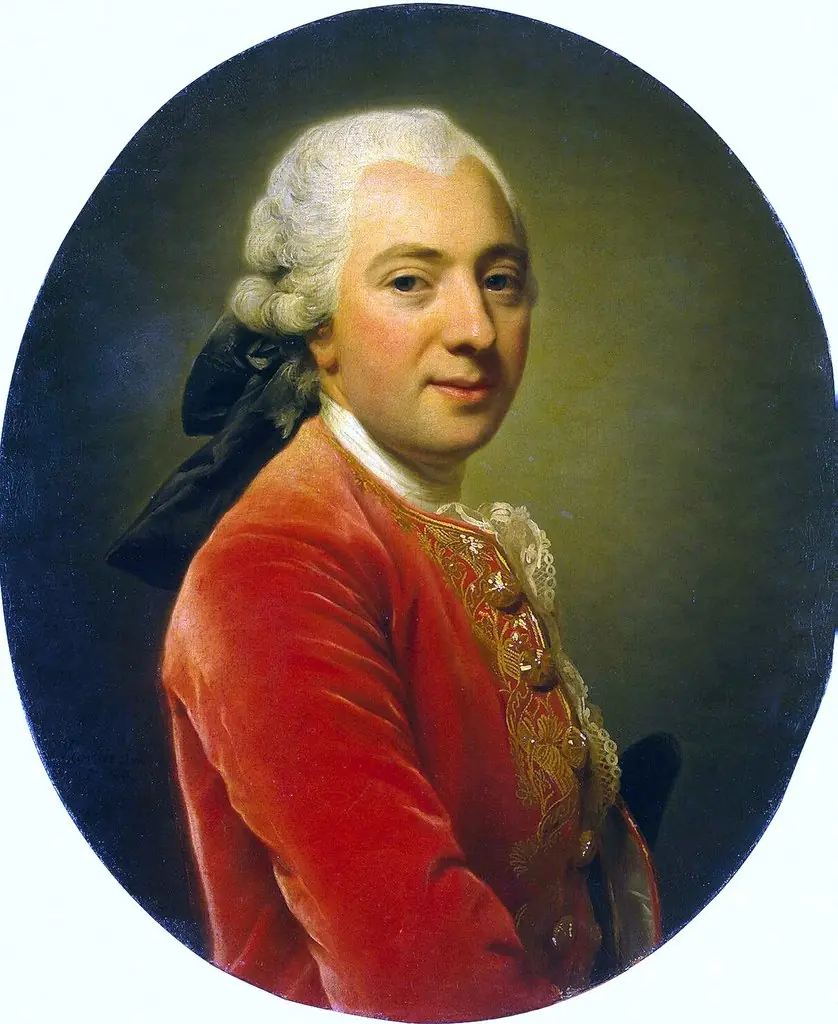 Portrait of a Man Wearing a Red Caftan
 James Cuthbert (?)
 Reynold Keen
 Portrait of Andrzej Mokronowski
 Bildnis des Malers Balthasar August Albrecht
 Portrait of Charles Auguste Bourlet de Vauxelles