Artwork
Portrait of a Man Wearing a Red Caftan
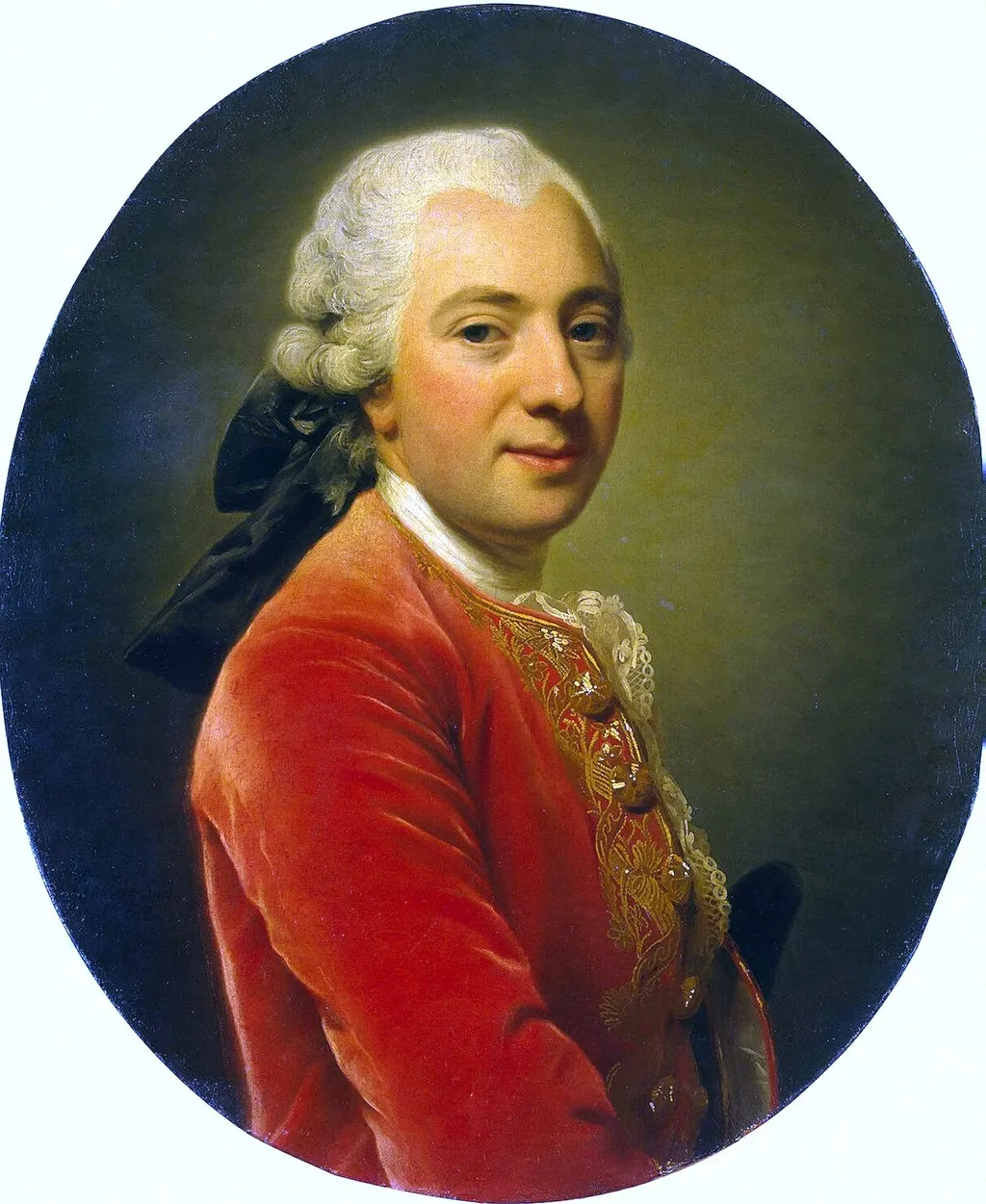
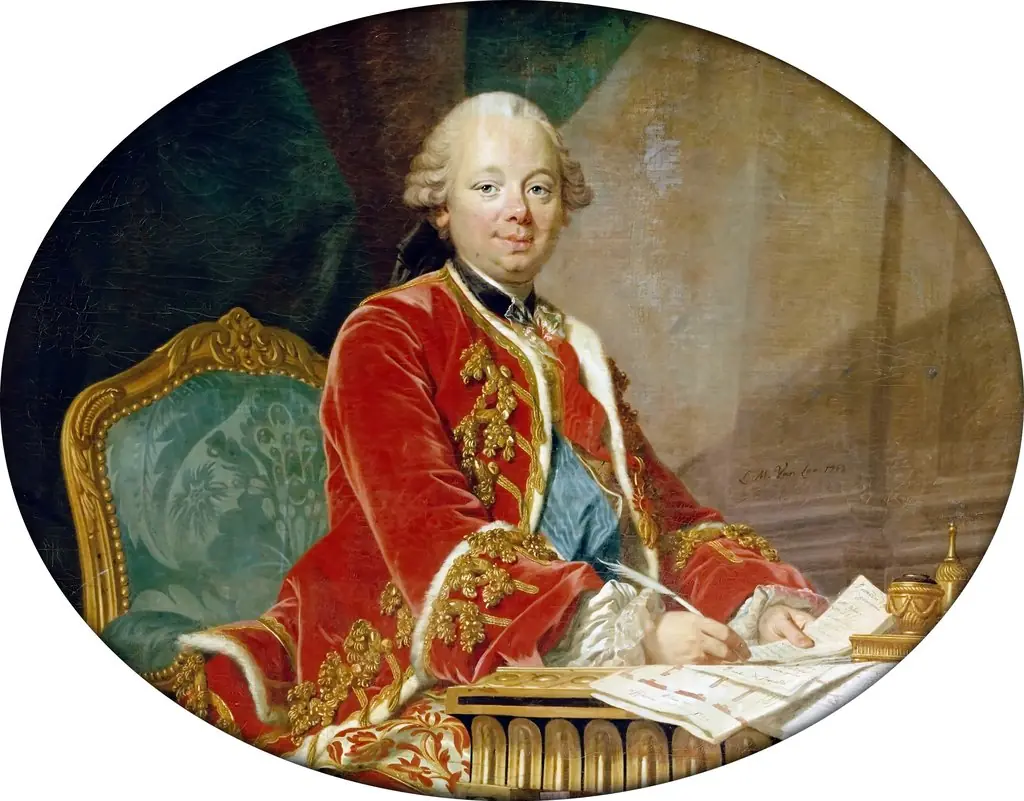
Portrait of a Man Wearing a Red Caftan is an oil painting by the Rococo painting artist Alexander Roslin. It dates from 1764 and is held in the collection of the Hermitage Museum. Created in 1764, this oil portrait depicts a gentleman dressed in a vivid red caftan adorned with gold‑embroidered sleeves.
About this work
Overview
Created in 1764, this oil portrait depicts a gentleman dressed in a vivid red caftan adorned with gold‑embroidered sleeves.
Created in 1764, this oil portrait depicts a gentleman dressed in a vivid red caftan adorned with gold‑embroidered sleeves. The figure’s powdered hair is secured with a black ribbon, and a crisp white cravat frames his neck. Set against an unadorned dark backdrop, the composition directs attention to the sitter’s face and sumptuous attire, exemplifying the refined portraiture typical of mid‑18th‑century European art.
Subject & Meaning
The sitter is presented as a cultured, affluent individual, his attire suggesting both status and an affinity for exotic fashion trends of the era. The careful rendering of the caftan’s texture and the dignified pose convey confidence and poise, while the subdued background underscores an emphasis on personal identity over narrative context.
Technique & Style
Roslin employs a delicate chiaroscuro, allowing light to model the subject’s facial features and the folds of the fabric with subtle gradations. The brushwork captures the sheen of silk and the intricate gold embroidery, reflecting a synthesis of Classicist compositional balance with Rococo’s ornamental luminosity and attention to surface detail.
History & Provenance
The work was painted by Swedish artist Alexander Roslin, who spent most of his career in France serving aristocratic patrons. After its creation, the portrait entered various private collections before being acquired by the State Hermitage Museum in Saint Petersburg, where it remains part of the museum’s European paintings holdings.
Context
In the 1760s, portraiture served as a vehicle for displaying wealth and taste among the European elite. Roslin’s ability to convey psychological depth alongside meticulous material rendering made him a sought‑after portraitist, and this painting exemplifies the period’s fascination with luxurious textiles and the emerging cosmopolitan aesthetic.
Artist & collection
Artist
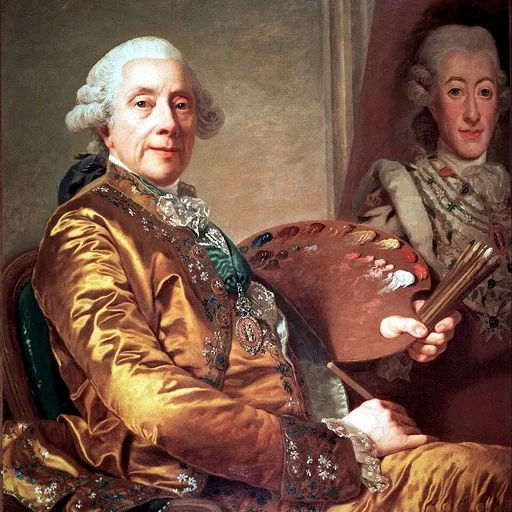
Alexander Roslin (pronounced ; spelled Alexandre in French, pronounced ; 15 July 1718 – 5 July 1793) was a Swedish painter who worked in Scania, Bayreuth, Paris, Italy, Warsaw and St.

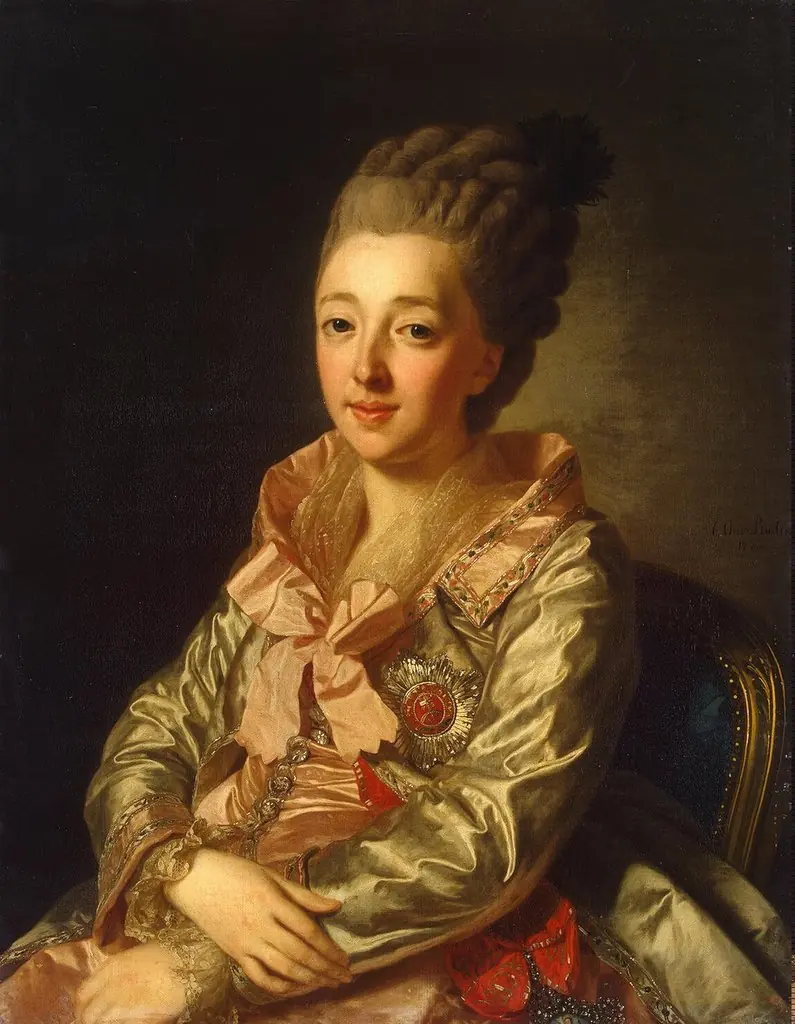 Portrait of Grand Duchess Natalia Alexeyevna
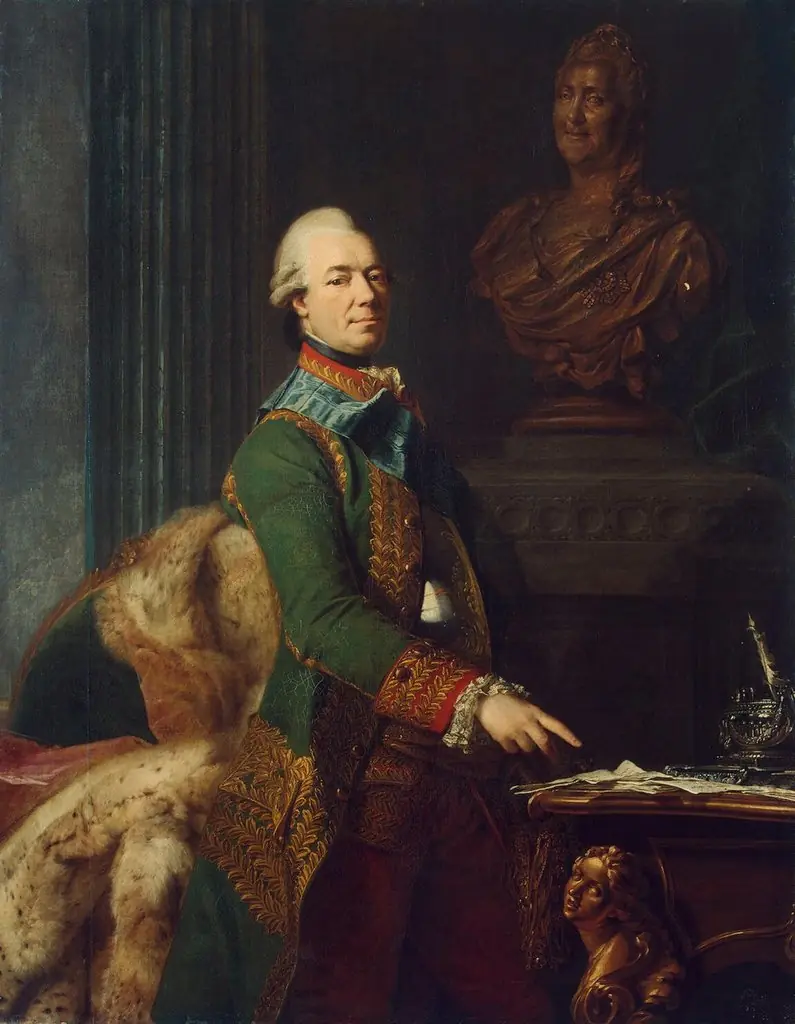 Portrait of Count Zakhar Chernyshev
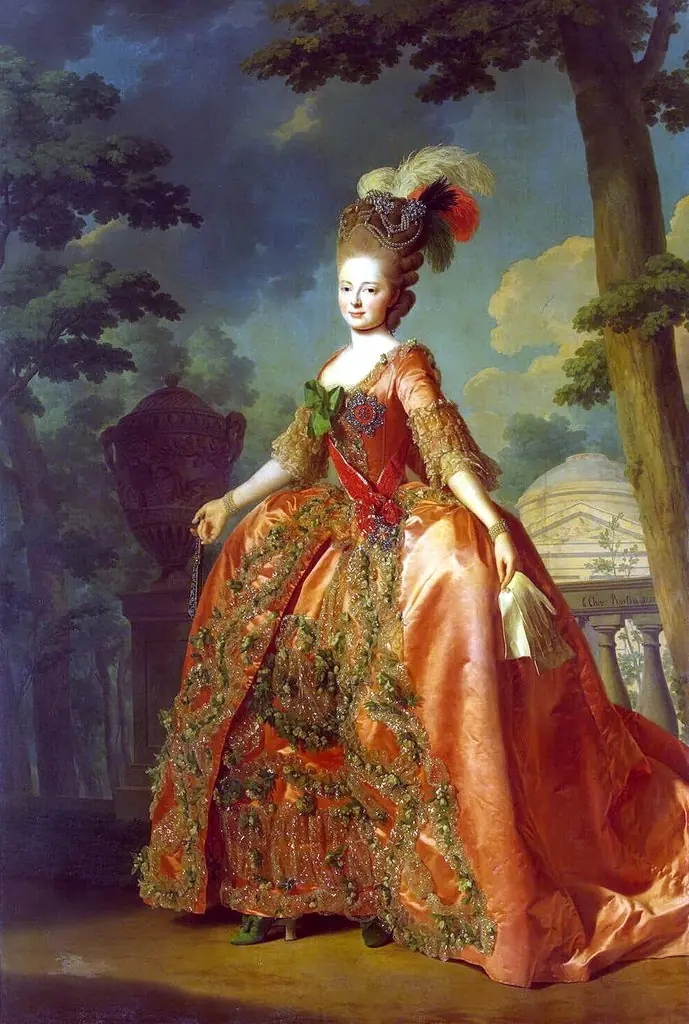 Portrait of Grand Duchess Maria Fiodorovna
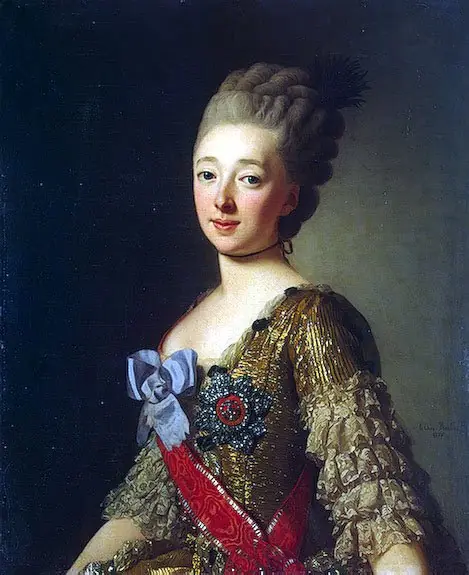 Portrait of Grand Duchess Natalia Alexeievna (Wilhelmina Louisa of Hesse-Darmstadt)
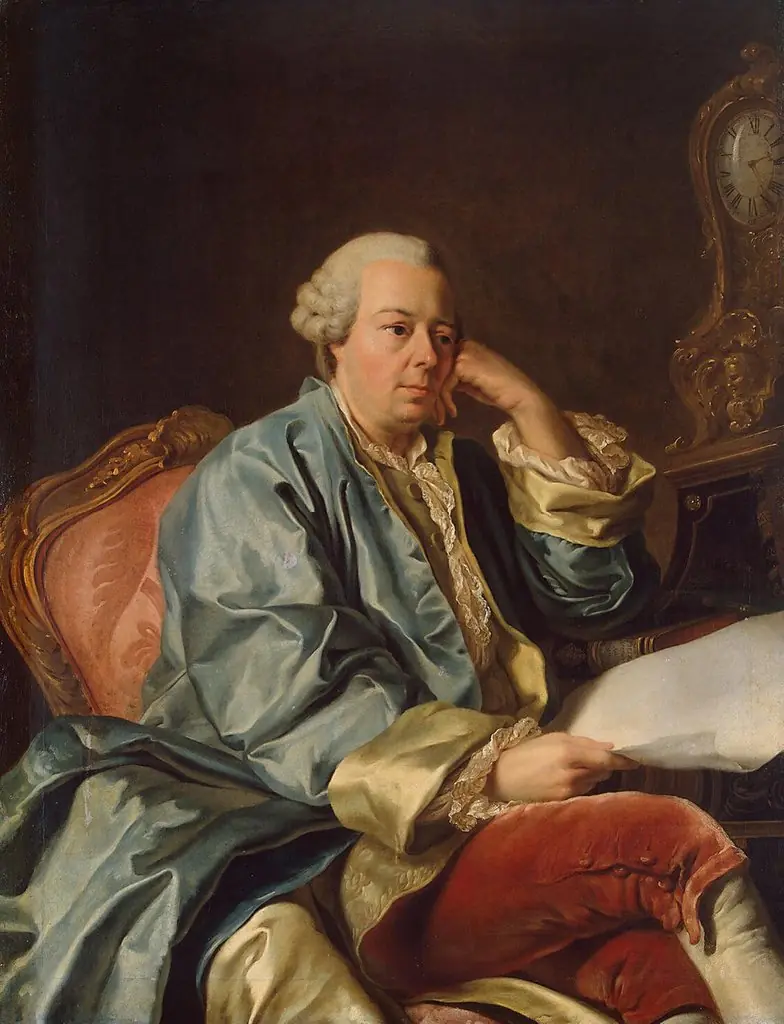 Portrait of Ivan Ivanovich Betskoi Wearing a Dressing Gown (copy)
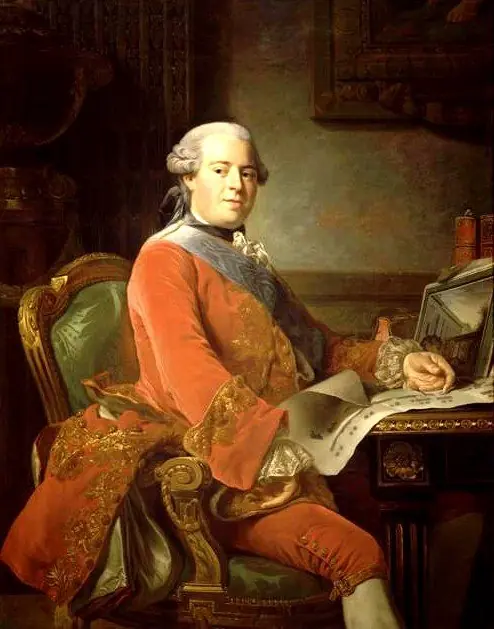 Portrait of Abel-François Poisson, marquis de Marigny
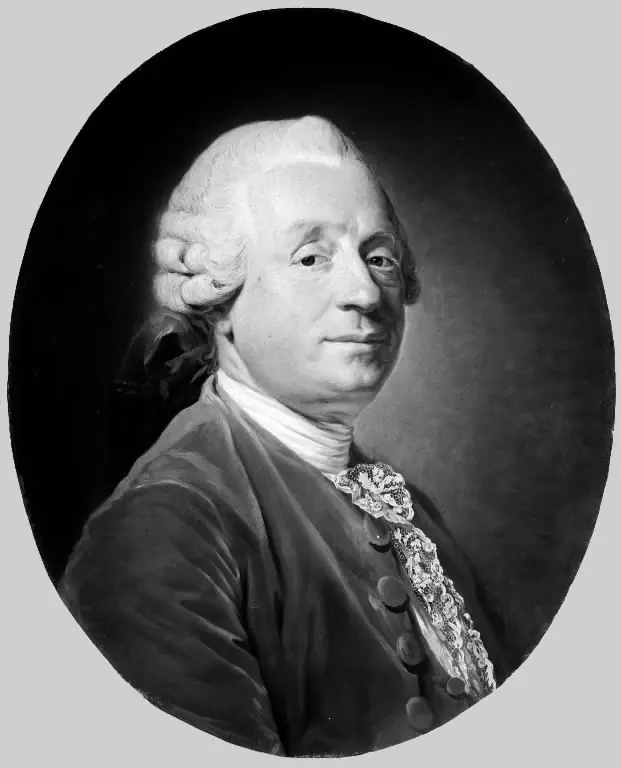 Portrait of Charles Auguste Bourlet de Vauxelles
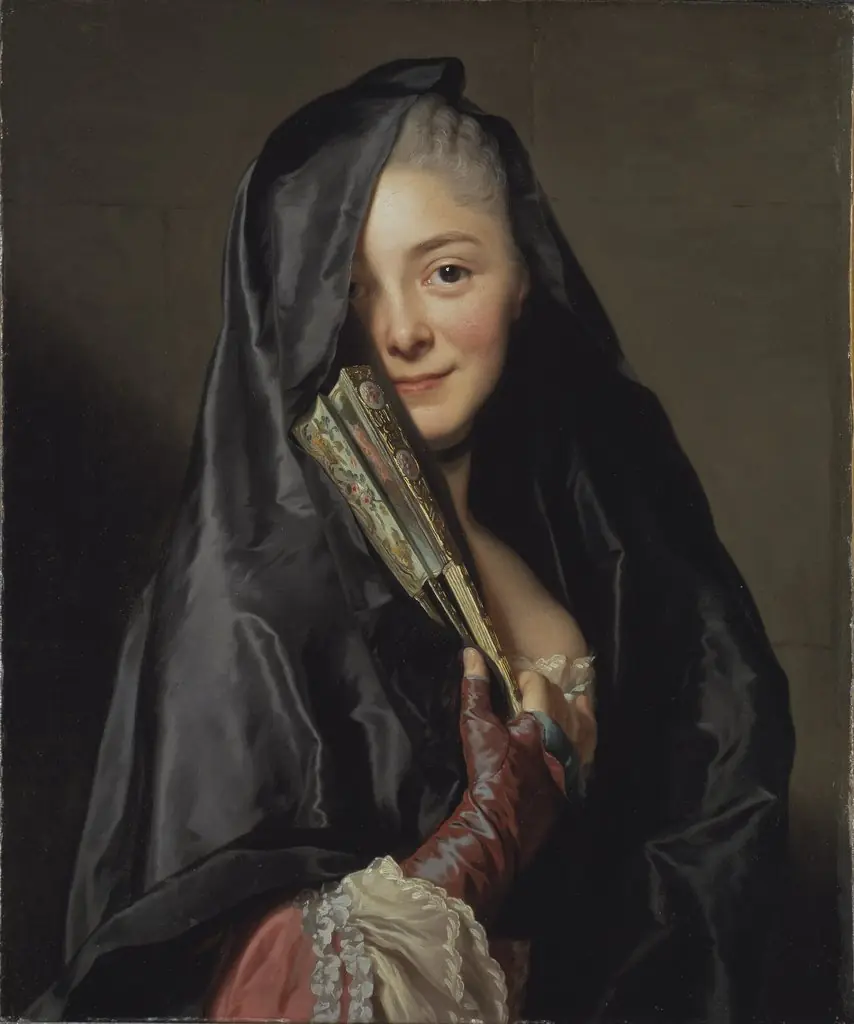 The Lady with a Fan, The Artist's Wife
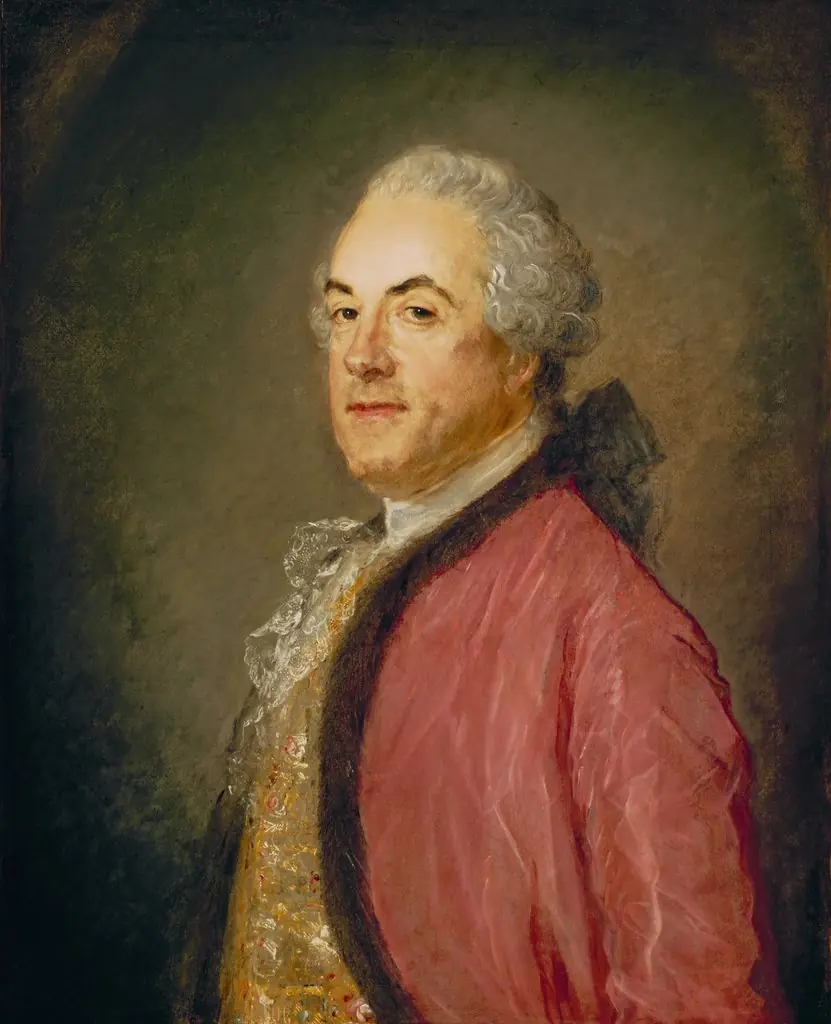 Portrait of a Man
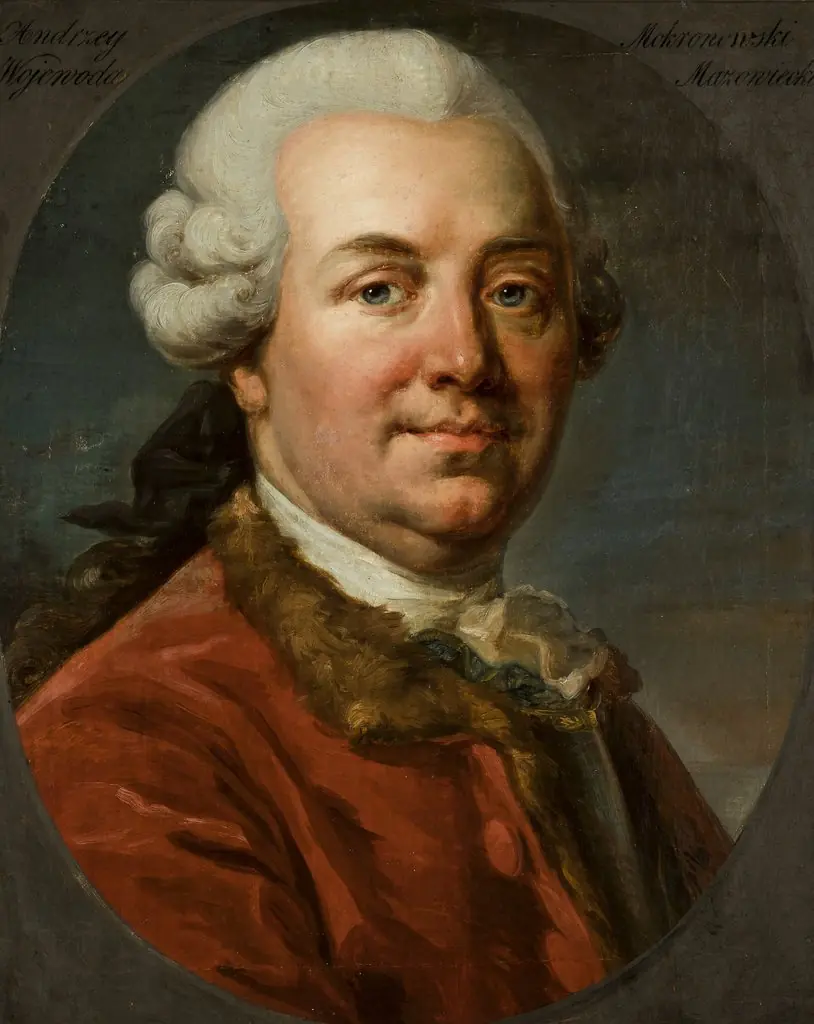 Portrait of Andrzej Mokronowski
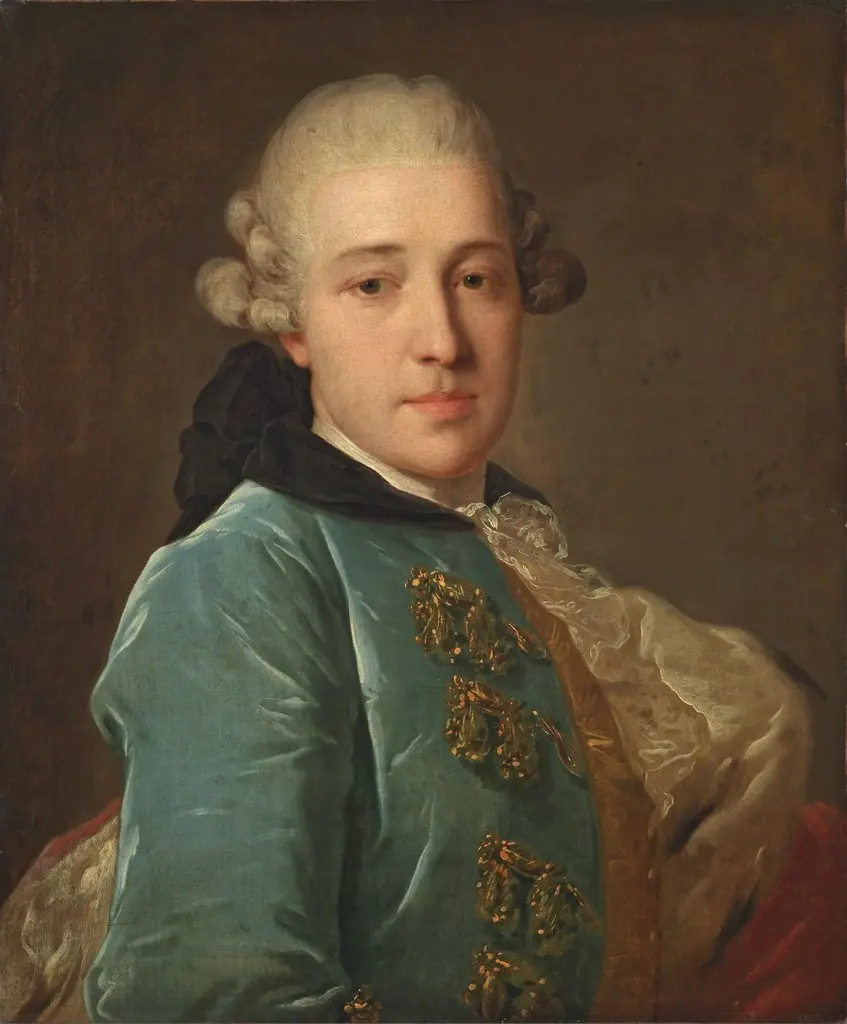 Portrait of Prince Dmitry Mikhailovich Golitsyn
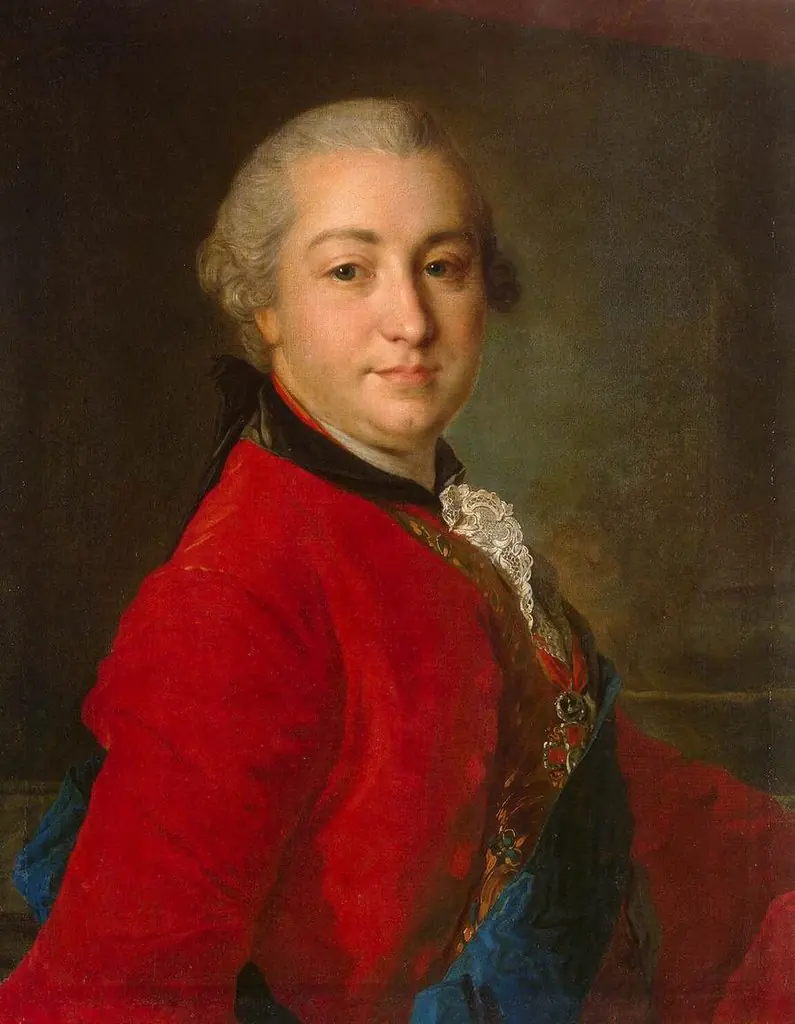 Portrait of Count Ivan Ivanovich Shuvalov
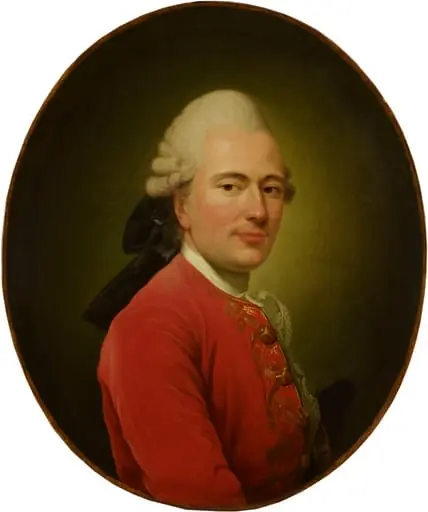 Paul Marie Victoire de Beauvilliers
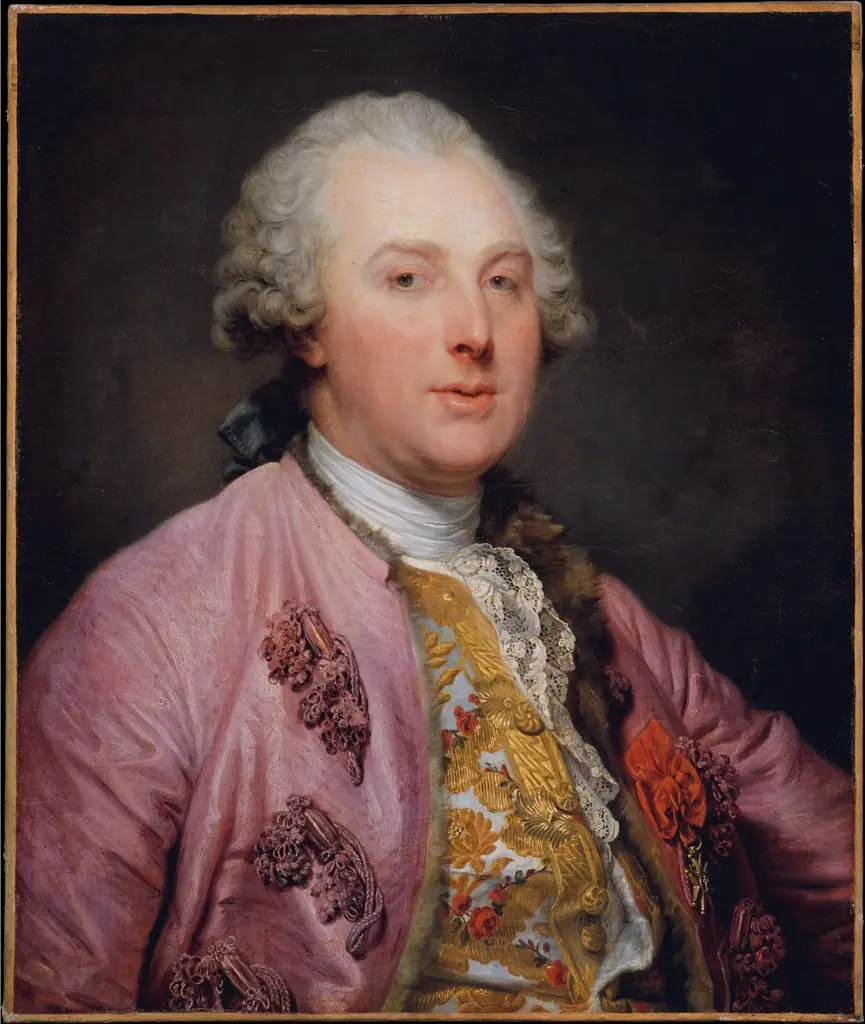 Portrait of Charles Claude de Flahaut de La Billarderie (Comte d'Angiviller)
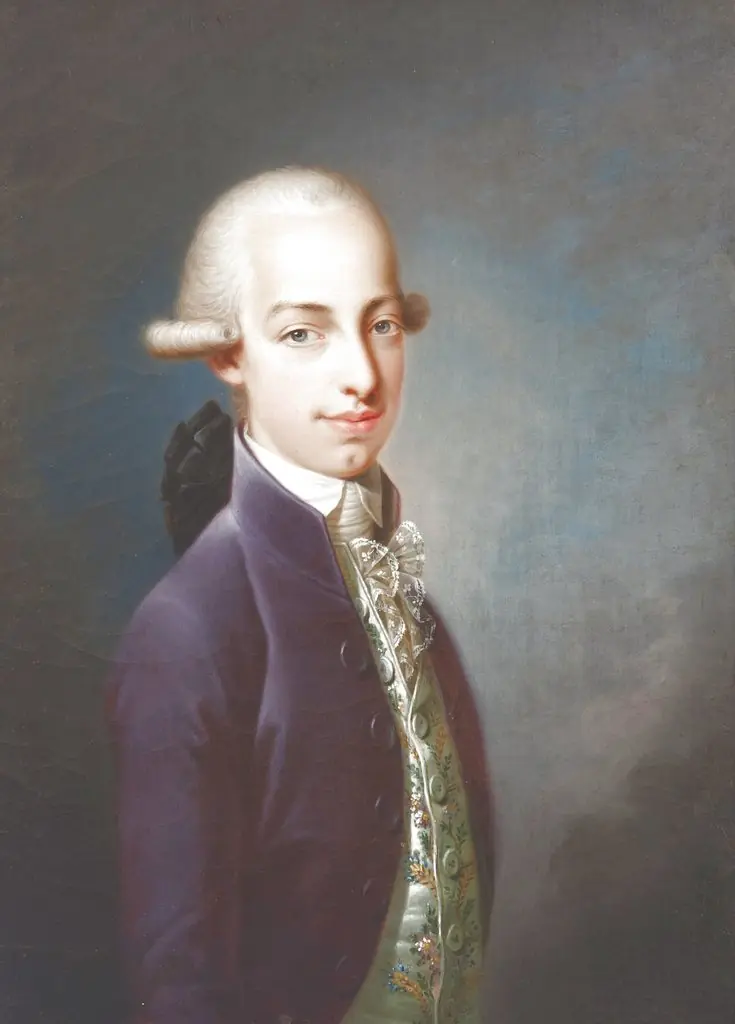 Rainer Joseph, Archduke of Austria
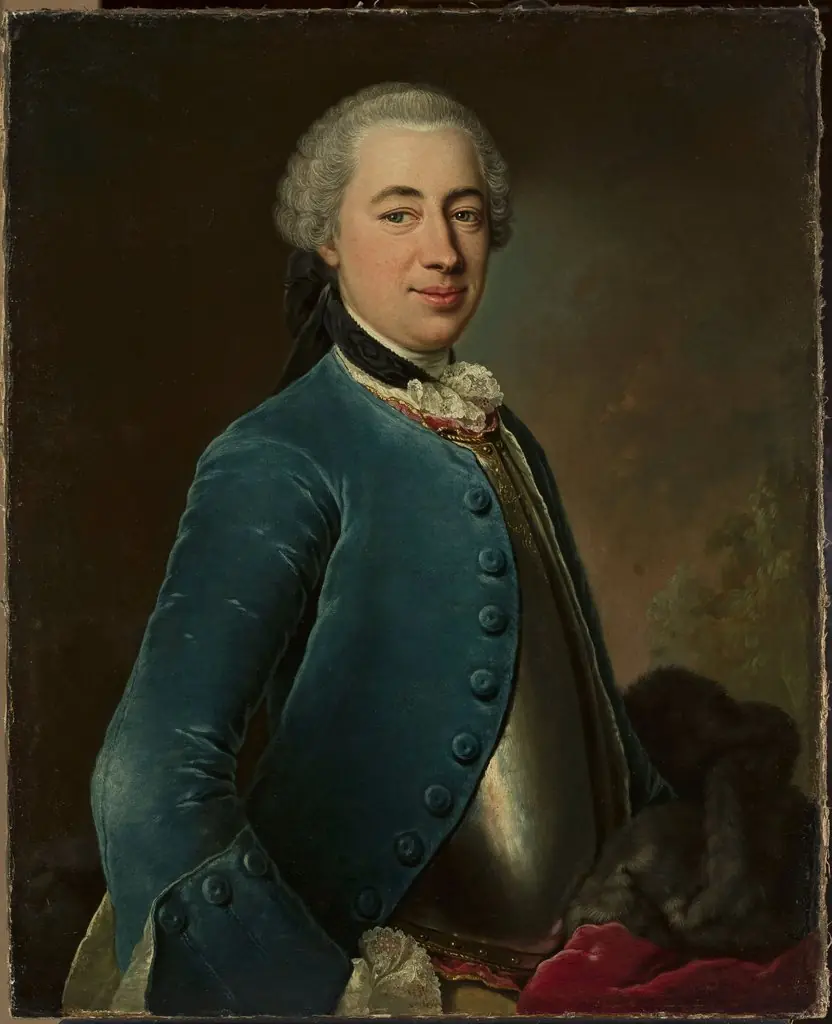 Portrait of a man in armour
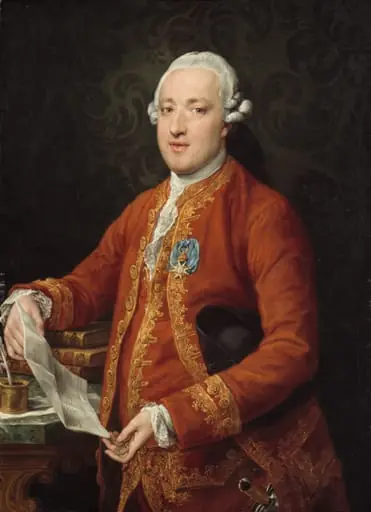 Don José Moñino y Redondo, Conde de Floridablanca
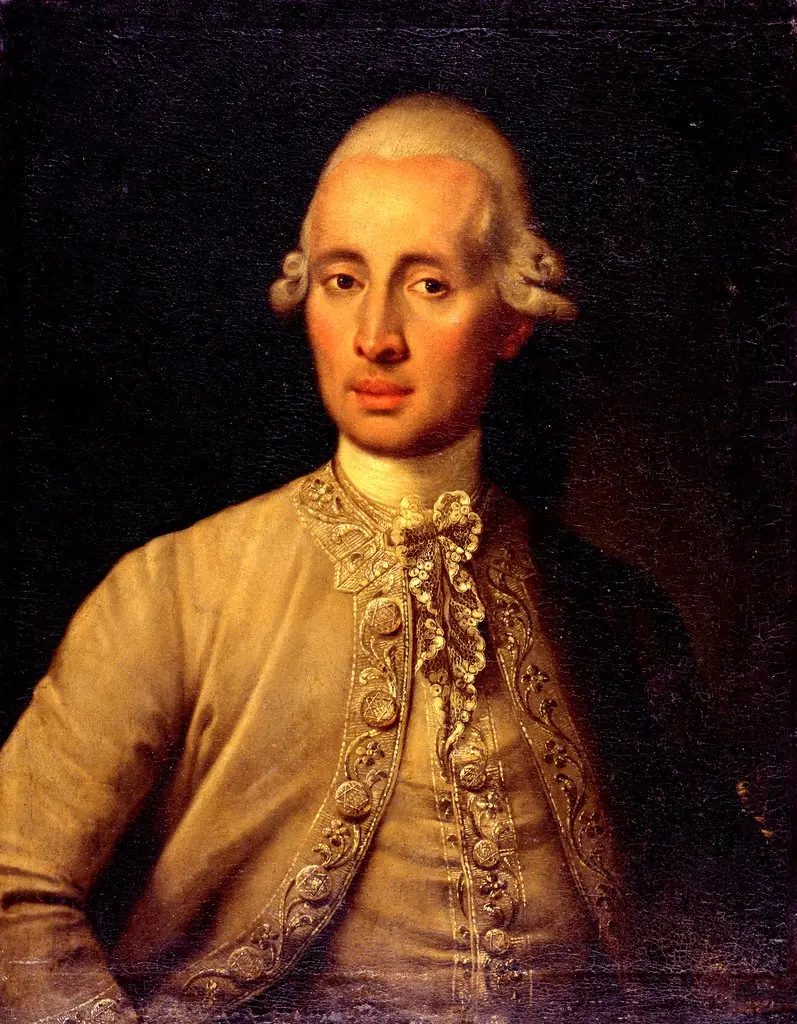 Giovanni Domenico Tiepolo (1727-1804)
 Étienne-François, Duke of Choiseul-Stainville (1719-1785)
 Portrait of Pieter Nicolaas Rendorp, Amsterdam Brewer