Artwork
The Beginning of Winter
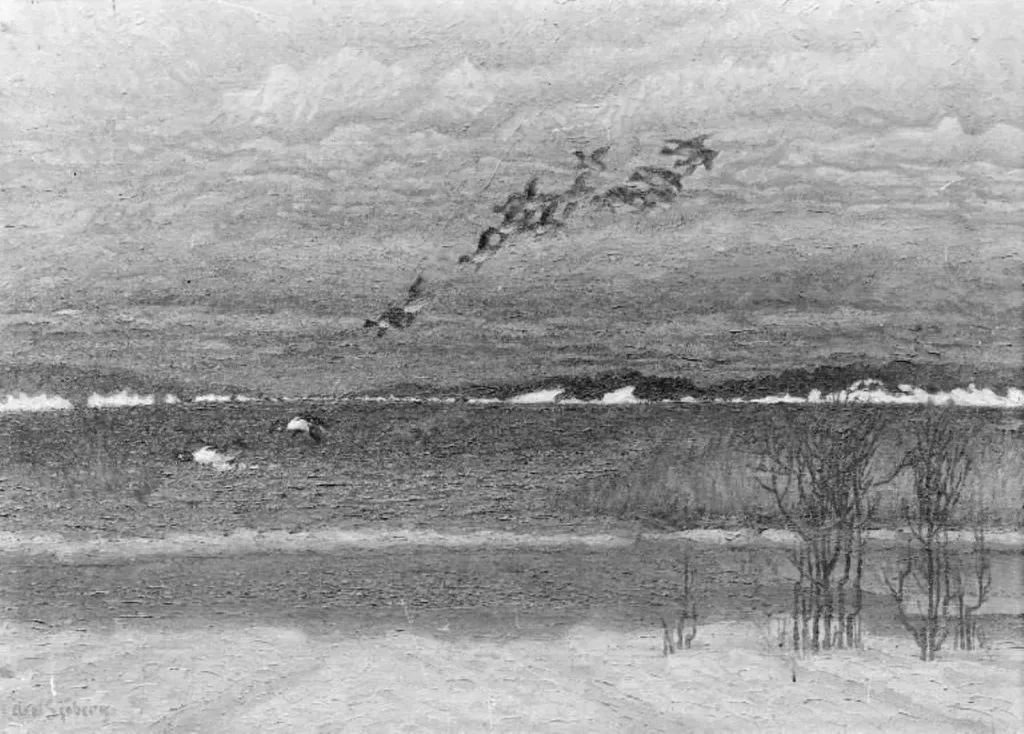
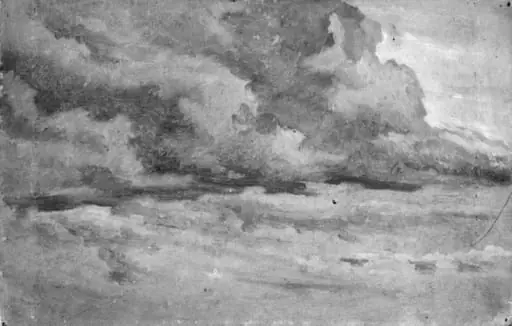
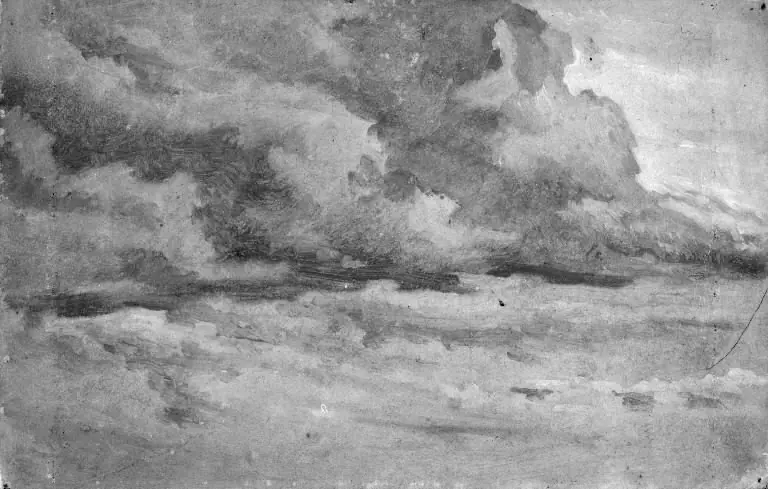
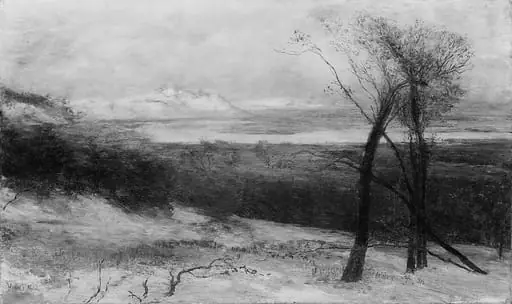
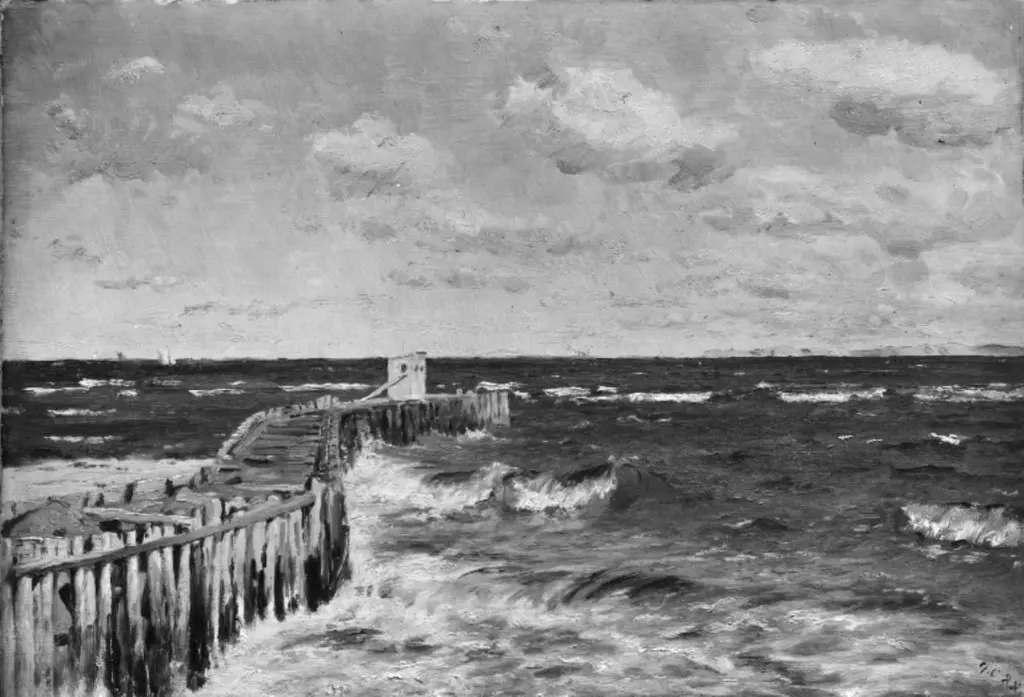
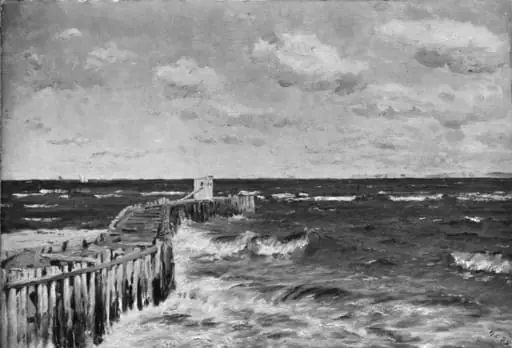
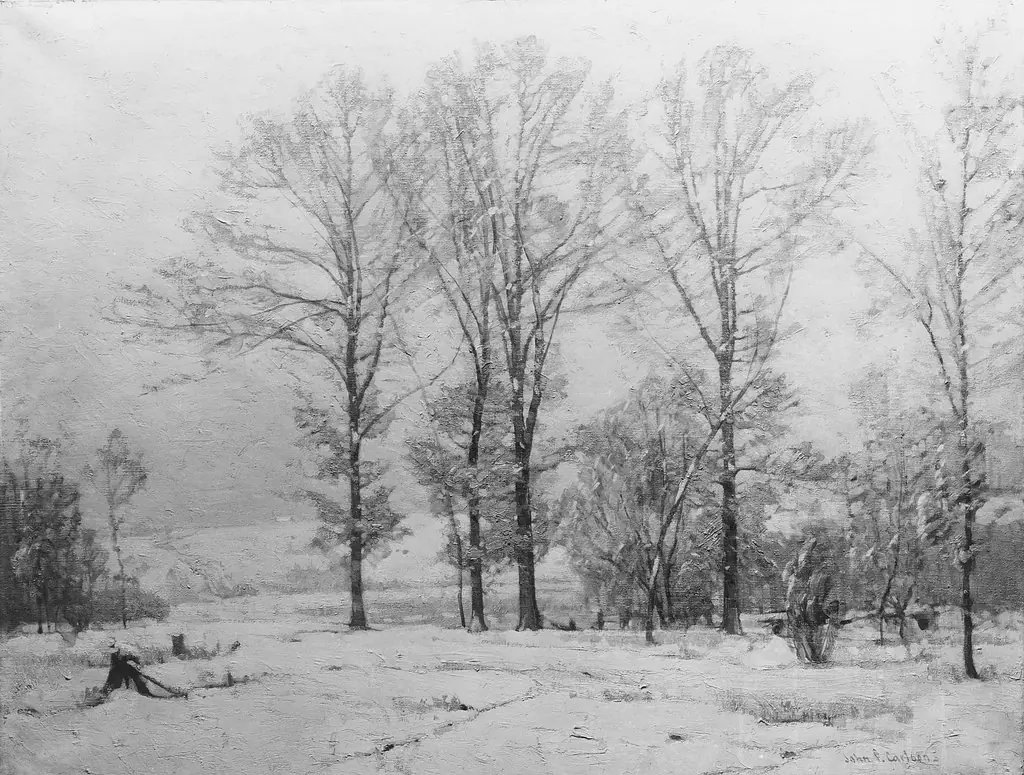
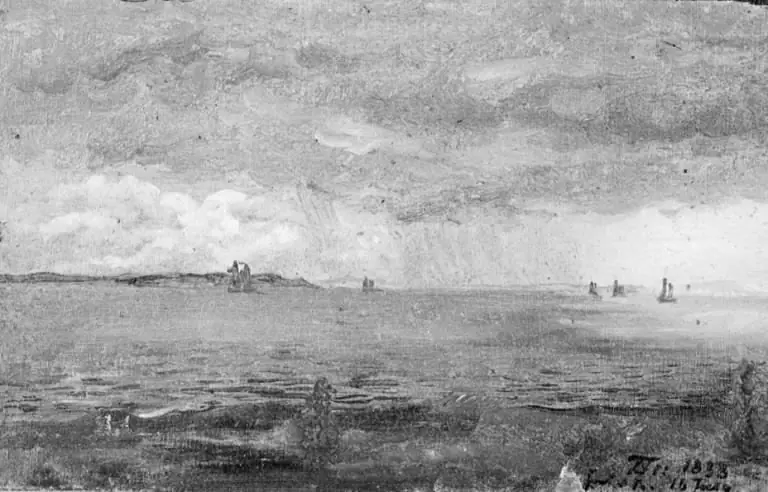
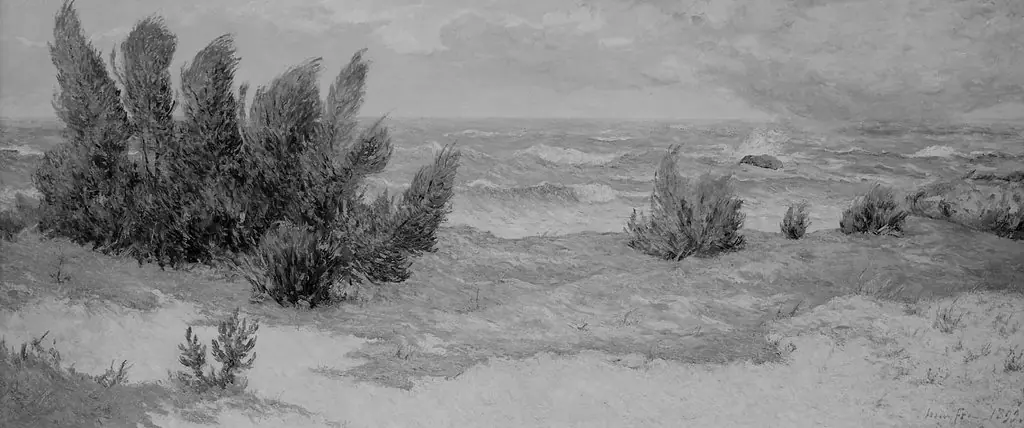
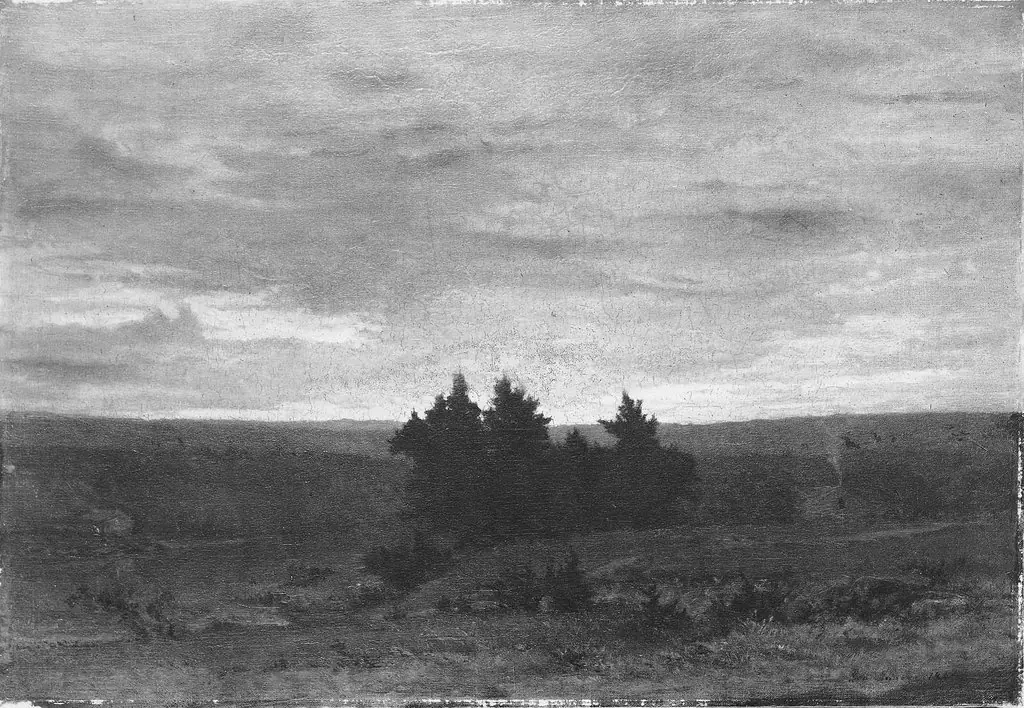
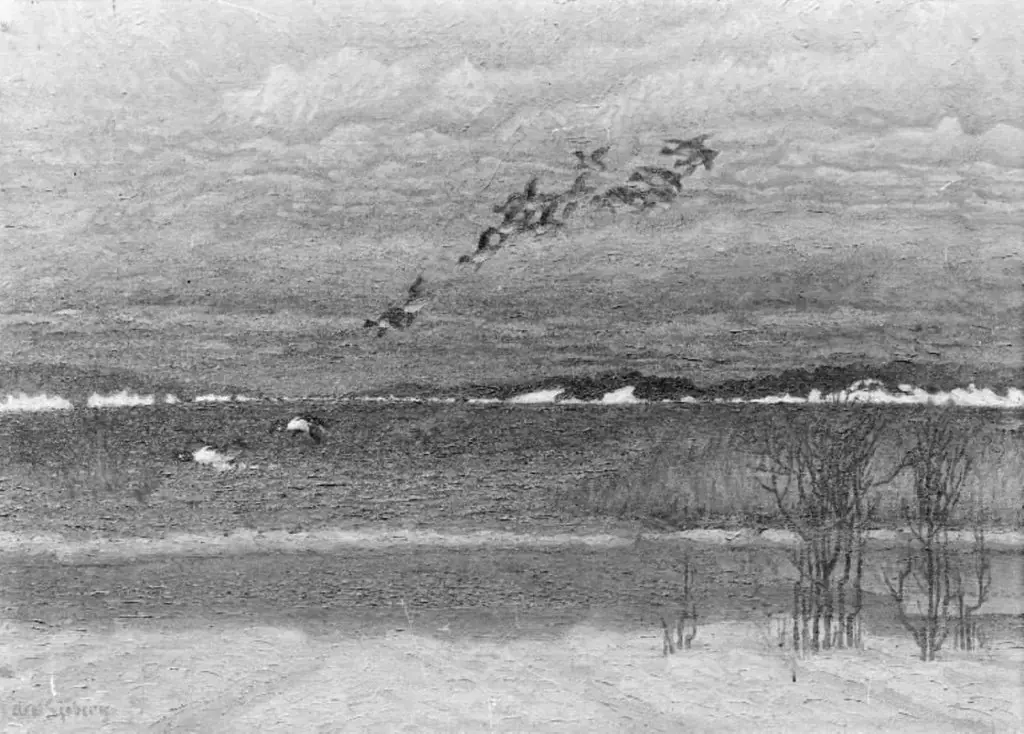
The Beginning of Winter is a photography by Unknown. It dates from 1850 and is held in the collection of the Statens Museum for Kunst. Created around 1850, this black-and-white image depicts a quiet winter landscape.
About this work
Overview
Created around 1850, this black-and-white image depicts a quiet winter landscape. The artist, active in the 1830s and 1840s, captured a frozen river under a pale, hazy sky. The work is held in the collection of the Museum of Ethnography. Its subdued tones and indistinct forms suggest a moment suspended between day and night, emphasizing atmosphere over detail.
Subject & Meaning
The scene portrays a solitary winter environment, with faint figures on the ice suggesting human or animal presence. No narrative is explicit; instead, the composition evokes stillness and isolation. The blurred horizon and indistinct shapes imply a world half-revealed, perhaps reflecting seasonal transition or the quiet endurance of life in harsh conditions.
Technique & Style
The artist employed soft, diffused lines and minimal contrast to dissolve boundaries between land, sky, and ice. No sharp contours define forms; instead, tones melt into one another, creating a hazy, ethereal effect. This approach prioritizes mood over precision, using tonal gradation to suggest depth and silence rather than clear spatial structure.
History & Provenance
The work entered the Museum of Ethnography’s collection in the late 19th century, likely acquired as part of a broader interest in regional visual records. Its origins remain undocumented beyond the artist’s known activity period. No exhibition history or early critical reception is recorded, suggesting it was never widely circulated during its creator’s lifetime.
Context
Made during a period when landscape imagery increasingly turned toward mood and atmosphere, this piece aligns with emerging trends in non-academic visual culture. While not part of a formal movement, its quiet realism reflects a growing sensitivity to everyday natural environments, particularly in regions where seasonal change shaped daily life.
Legacy
The image remains a quiet example of 19th-century observational art, valued for its emotional restraint. It has not influenced major artistic developments but continues to be studied for its subtle handling of light and ambiguity. Its preservation in an ethnographic context underscores its role as a document of place and perception rather than artistic innovation.
Artist & collection

 Domestic Scene
 Giacomo and Cardinal Marco, investing Andrea, Abbot of San Zeno, with his Benefice
 The Nymph of Fontainebleau
 Portrait of a Woman
 Madonna and Child with Saints in the Enclosed Garden
 Venus and Minerva
 Family Group of Four on Sofa
 Wall painting from Room H of the Villa of P. Fannius Synistor at Boscoreale