Artwork
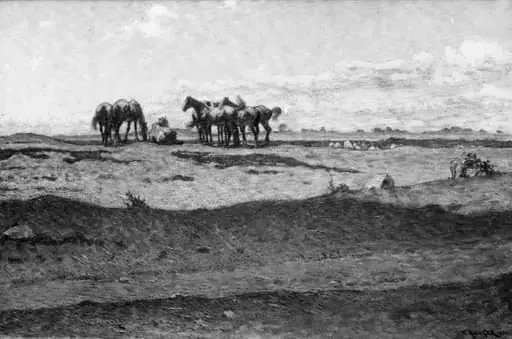
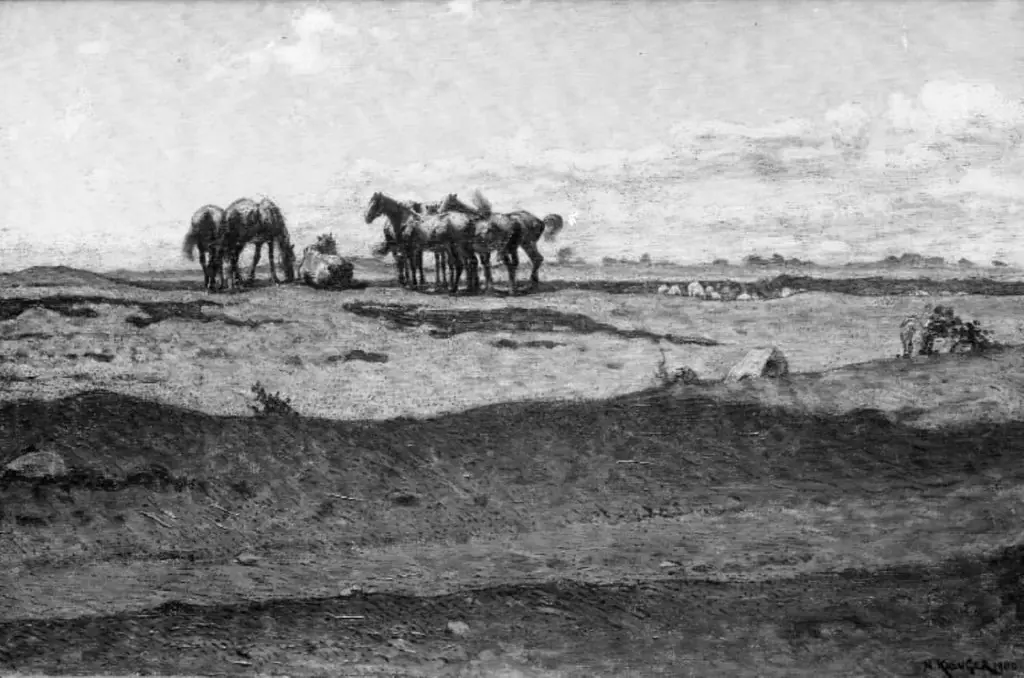
Autumn Day
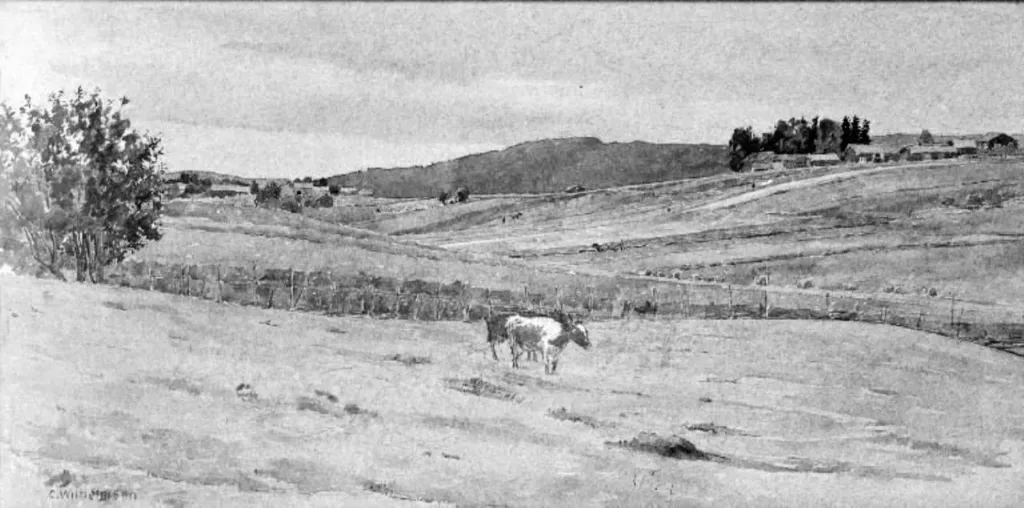
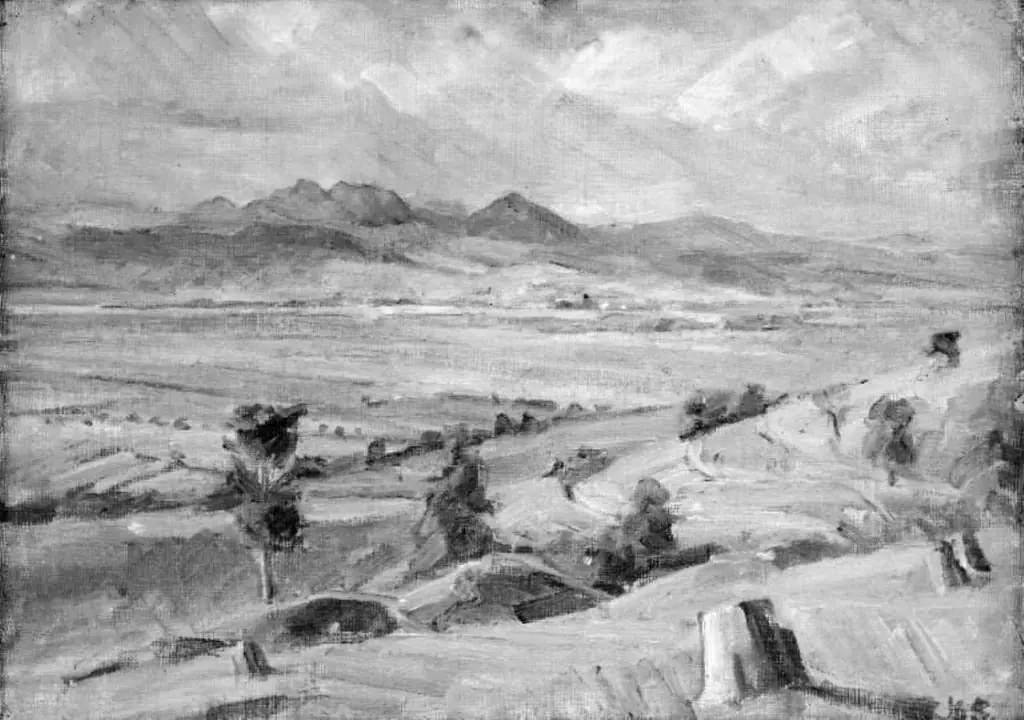
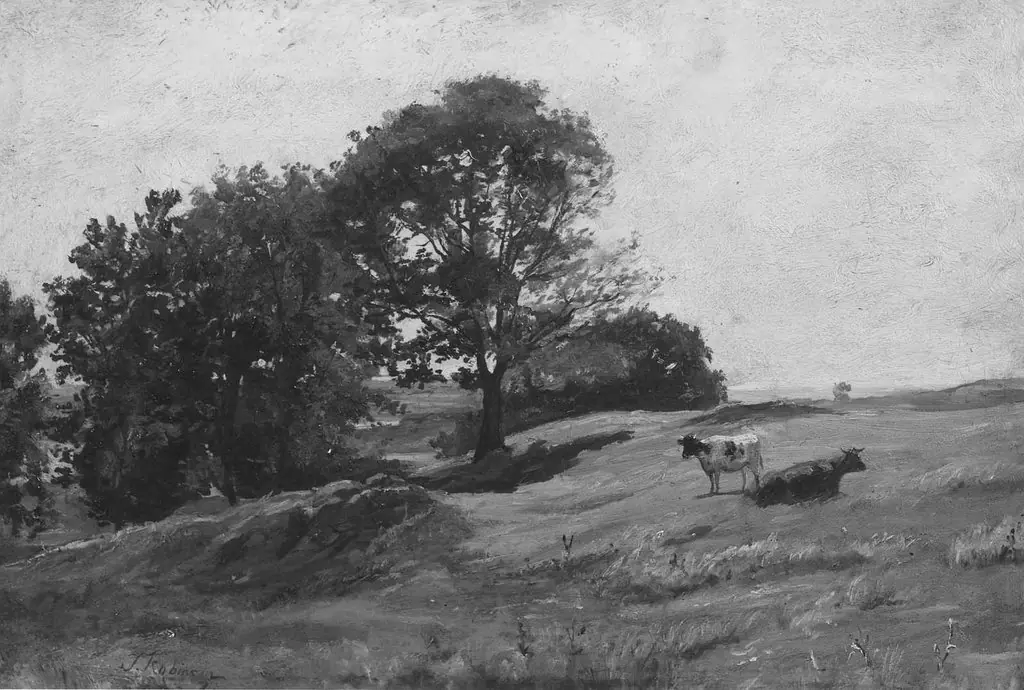
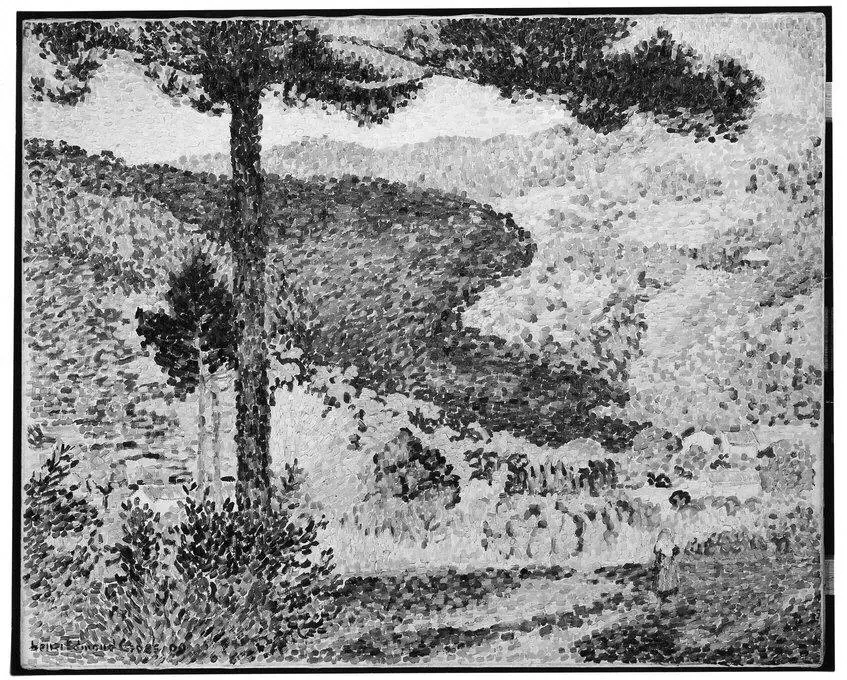
Autumn Day is an unspecified painting by the Impressionist artist Unknown. It dates from 1902 and is held in the collection of the Statens Museum for Kunst.
About this work
Overview
Created in 1902, Autumn Day is a quiet interior scene painted by an artist active in the mid-nineteenth century. The work is part of the collection at the Museum of Ethnography, where it is displayed as a study of solitude and domestic stillness. Its composition emphasizes space over figure, drawing attention to the architecture and light rather than the individual within it.
Subject & Meaning
A woman in a dark dress stands motionless in an empty room, her face obscured by shadow. Beside her, a single chair remains unoccupied, suggesting absence or waiting. The scene conveys contemplation rather than sorrow; the stillness feels deliberate, as if time has paused. The woman is not the focus—her presence is a quiet anchor within an environment that holds more narrative weight.
Technique & Style
The absence of detail in the woman’s features shifts emphasis to the spatial arrangement, reinforcing a sense of isolation through environmental clarity.
The painting uses sharp contrasts of light and shadow to define the room’s geometry. Sunlight enters diagonally, carving a bright band across the floor and casting the figure into partial obscurity. Brushwork is restrained, with muted tones dominating the palette. The absence of detail in the woman’s features shifts emphasis to the spatial arrangement, reinforcing a sense of isolation through environmental clarity.
History & Provenance
The painting entered the Museum of Ethnography’s collection in the early twentieth century, though its origins prior to acquisition remain undocumented. It was likely produced in a private studio, not commissioned, and was retained by the artist’s circle before being donated or transferred to the institution. No exhibition records from its early years are known.
Context
Made during a period when domestic interiors gained artistic attention, Autumn Day aligns with trends favoring psychological subtlety over narrative drama. Unlike genre scenes of the time, it avoids storytelling, instead offering a moment of suspended presence. Its placement in an ethnographic museum suggests an interest in everyday life as cultural artifact, not just aesthetic object.
Legacy
The work has not been widely reproduced or studied, remaining a quiet presence in its institutional setting. Its influence is indirect, contributing to a broader recognition of understated interior scenes as vehicles for emotional resonance. Scholars occasionally reference it in discussions of early twentieth-century quietism in painting, though it has not entered mainstream art historical discourse.
Artist & collection

 Domestic Scene
 Giacomo and Cardinal Marco, investing Andrea, Abbot of San Zeno, with his Benefice
 The Nymph of Fontainebleau
 Portrait of a Woman
 Madonna and Child with Saints in the Enclosed Garden
 Venus and Minerva
 Family Group of Four on Sofa
 Wall painting from Room H of the Villa of P. Fannius Synistor at Boscoreale