Artwork
Udsigt over Waag-dalen, Slovakiet
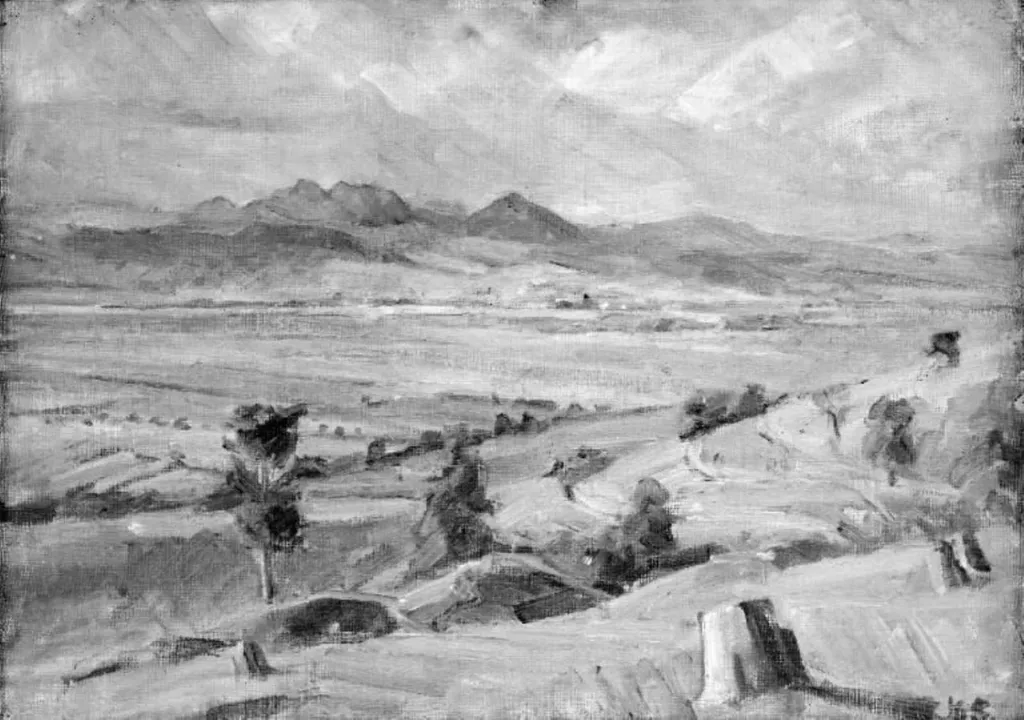
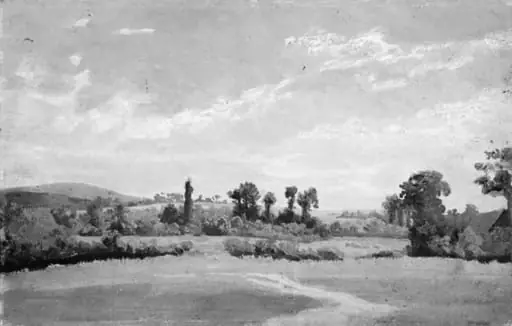
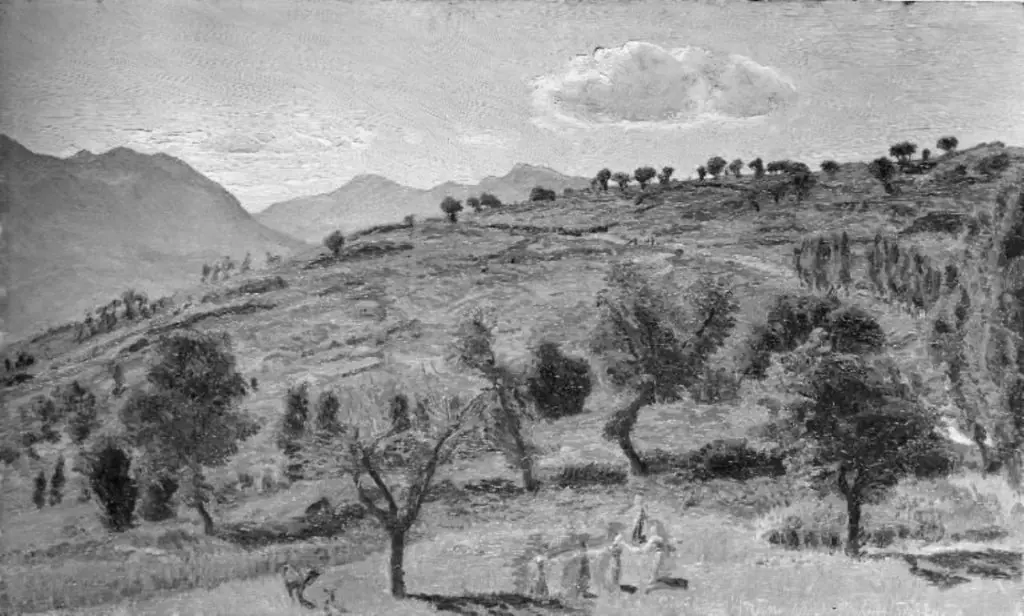
Udsigt over Waag-dalen, Slovakiet is an oil painting by Karl Schou. It dates from 1929 and is held in the collection of the Statens Museum for Kunst.
About this work
Overview
Schou’s approach emphasizes mood over topographical precision, reflecting a broader interest in atmospheric landscape painting of the period.
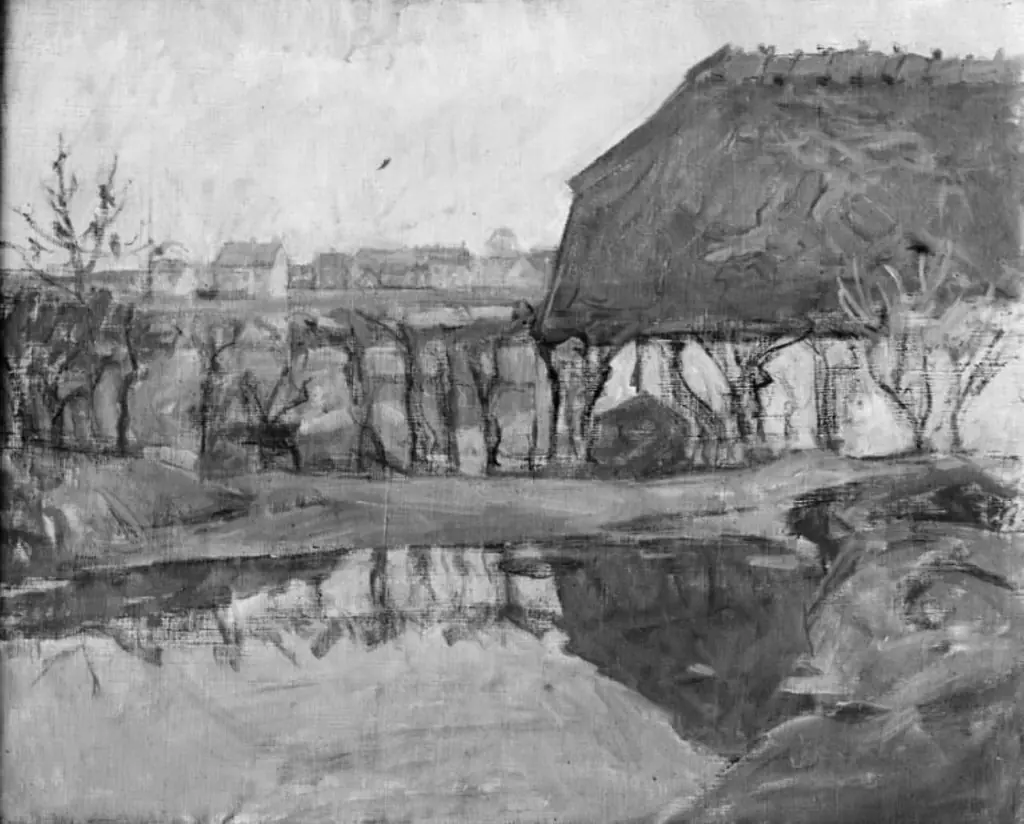
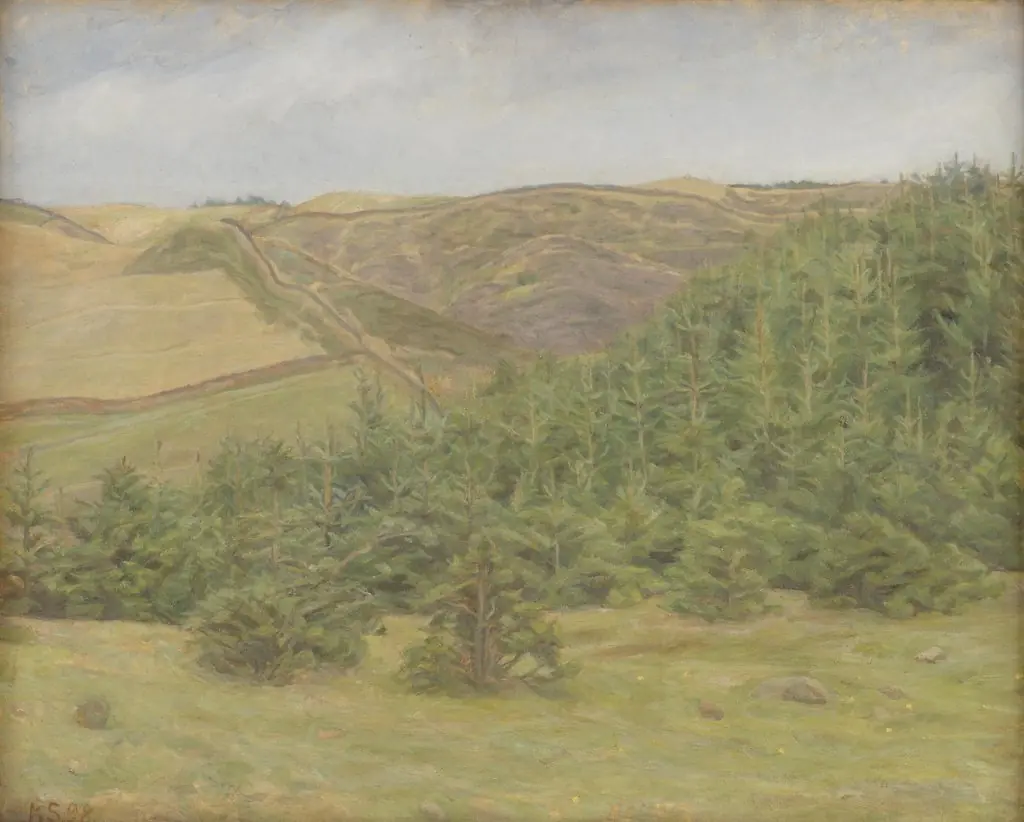
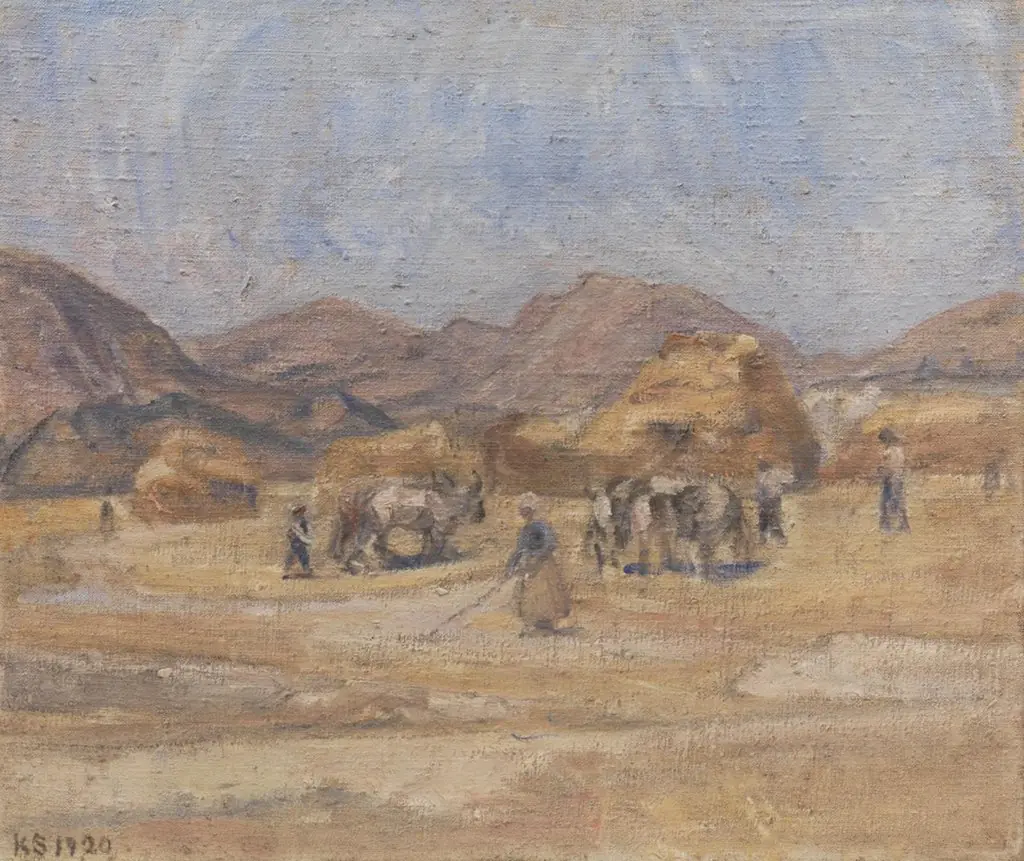
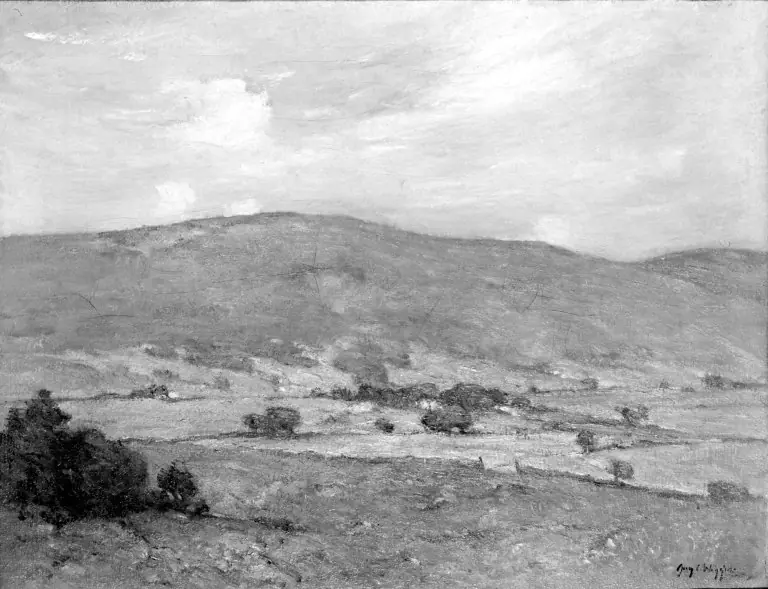
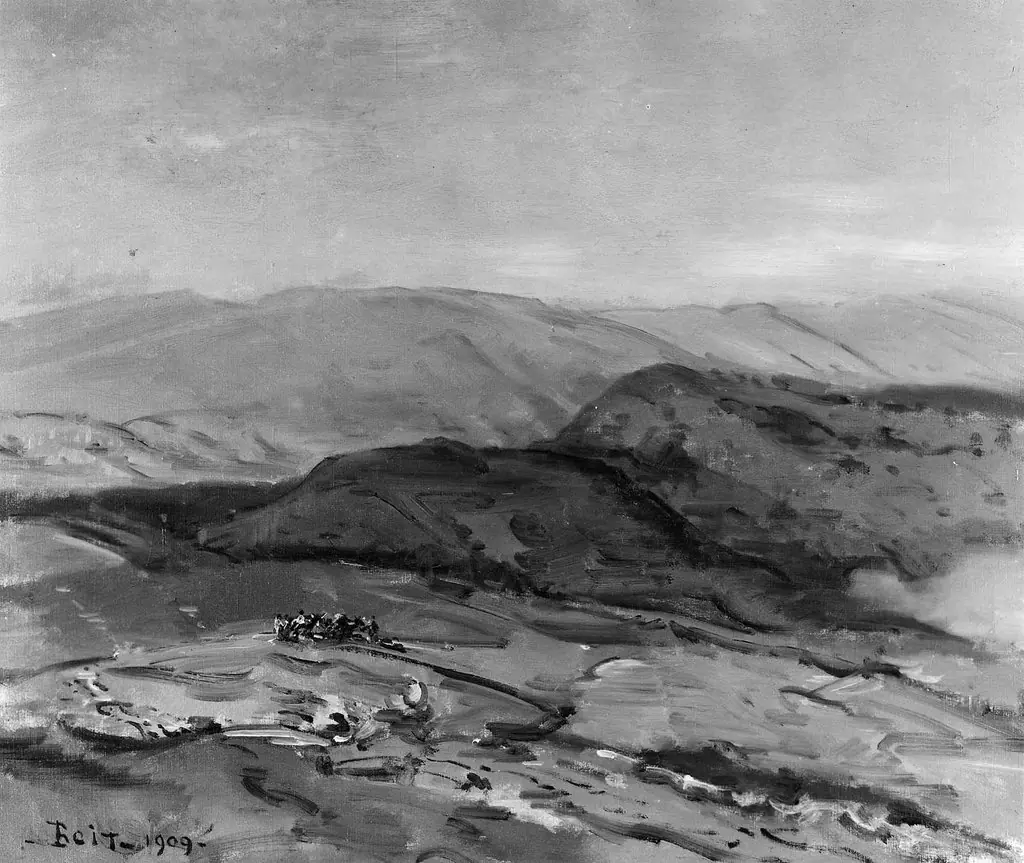
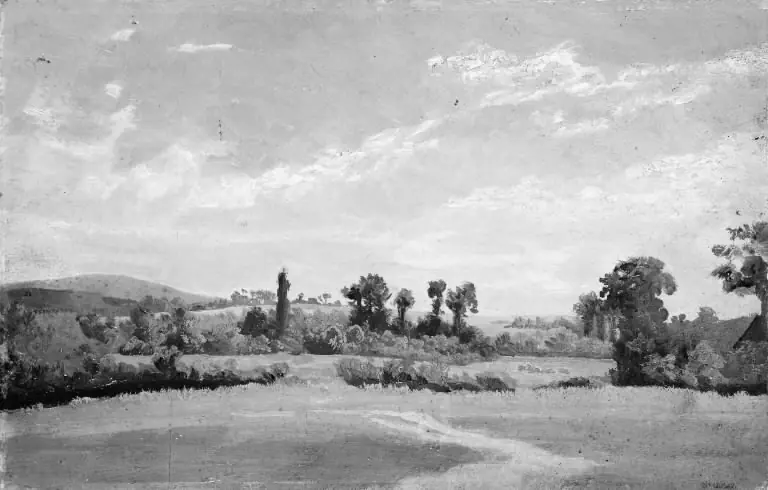
Painted in 1929 by Danish artist Karl Schou, this oil on canvas depicts a quiet valley in Slovakia. The work is part of the collection at Statens Museum for Kunst in Copenhagen. It captures a rural landscape with gentle topography, combining natural elements with subtle human presence. Schou’s approach emphasizes mood over topographical precision, reflecting a broader interest in atmospheric landscape painting of the period.
Subject & Meaning
The scene portrays a tranquil valley framed by distant mountains and foregrounded by dense trees and a modest settlement. The village, rendered with minimal detail, suggests habitation without drawing focus. The composition invites contemplation rather than narrative, conveying stillness and isolation. Schou avoids dramatic elements, instead cultivating a sense of quiet endurance in the land and its sparse human traces.
Technique & Style
Schou employs thick, deliberate brushwork to build texture in the foliage and terrain, while softer transitions in the sky and hills suggest atmospheric perspective. Color is muted yet nuanced—earthy greens, soft grays, and pale blues unify the scene. Light is diffused, enhancing the calm mood. The technique balances expressive gesture with restrained tonality, avoiding romanticized effects in favor of observed subtlety.
History & Provenance
The painting entered the collection of Statens Museum for Kunst shortly after its creation, likely acquired directly from the artist. Schou, active in Denmark during the early 20th century, traveled extensively in Central Europe, and this work stems from one of those journeys. Its preservation in a national museum indicates early recognition of its quiet aesthetic value within Danish art circles.
Context
Created during a period when Danish painters were re-engaging with Nordic and Central European landscapes, the work aligns with a trend toward introspective, non-dramatic scenery. Unlike grand Romantic vistas, Schou’s approach reflects a modernist shift toward personal observation and subdued emotion. His focus on rural Slovakia, then part of Czechoslovakia, reveals an interest in lesser-traveled regions beyond Denmark’s borders.
Legacy
Though not widely exhibited outside Denmark, the painting remains a representative example of Schou’s mature style. It contributes to the understanding of early 20th-century Danish landscape painting as a practice rooted in quiet observation rather than spectacle. The work continues to be studied for its restrained use of color and composition, offering insight into a quieter current in modern European art.
Artist & collection