Artwork
The Penitent Mary Magdalene
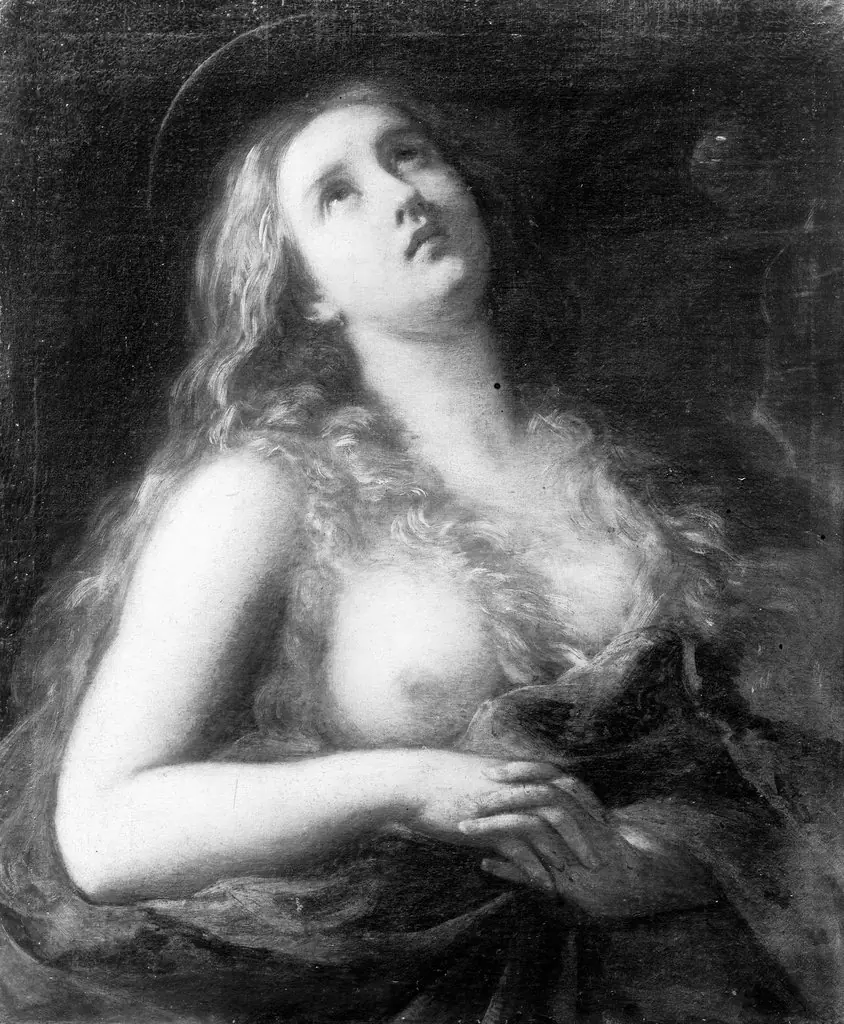
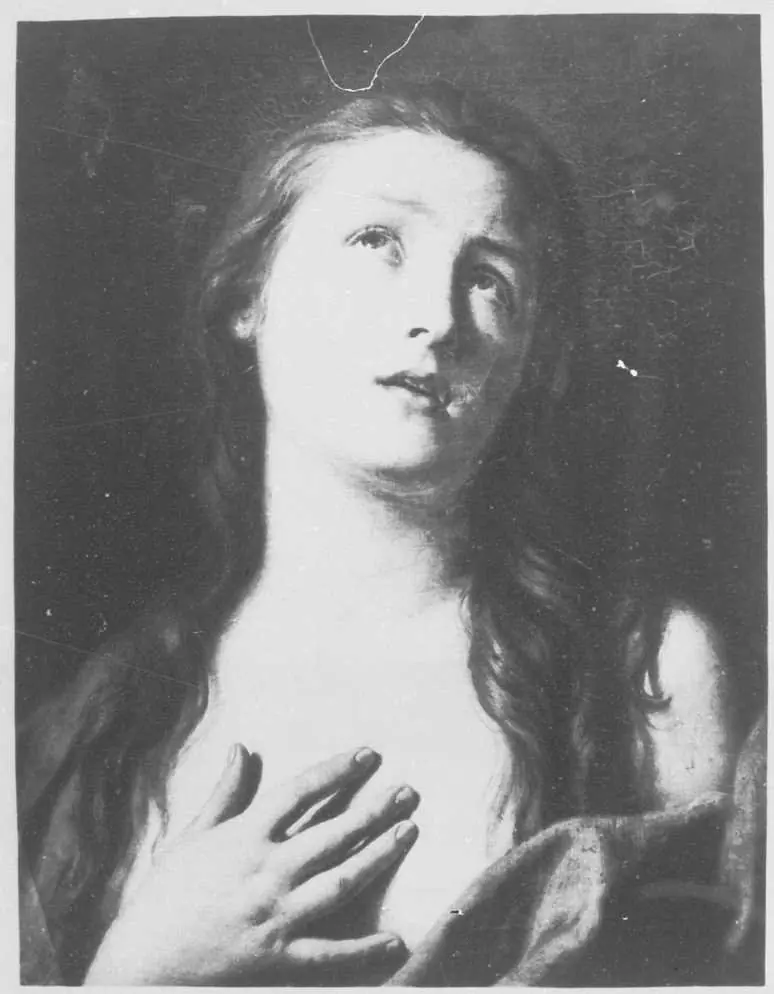
The Penitent Mary Magdalene is a photography by Unknown. It dates from 1550 and is held in the collection of the Statens Museum for Kunst. This black-and-white image, dated around 1550, depicts Mary Magdalene in a moment of quiet introspection.
About this work
Overview
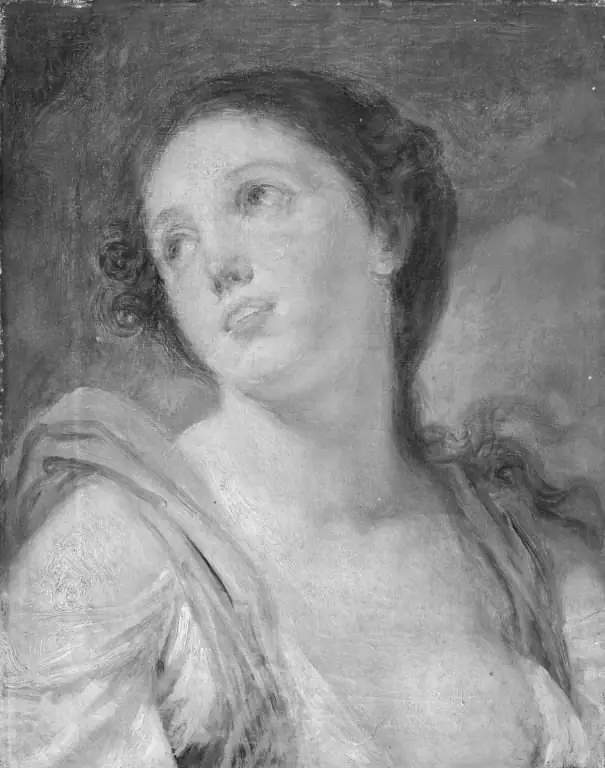
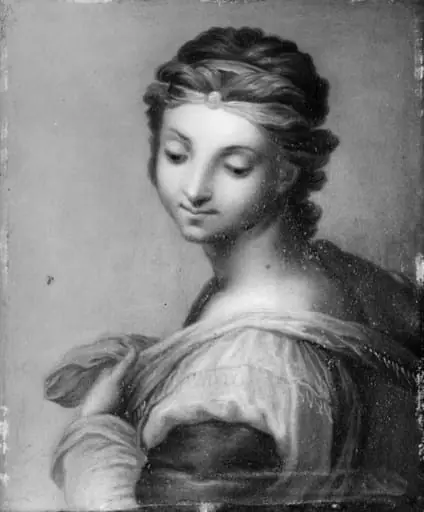
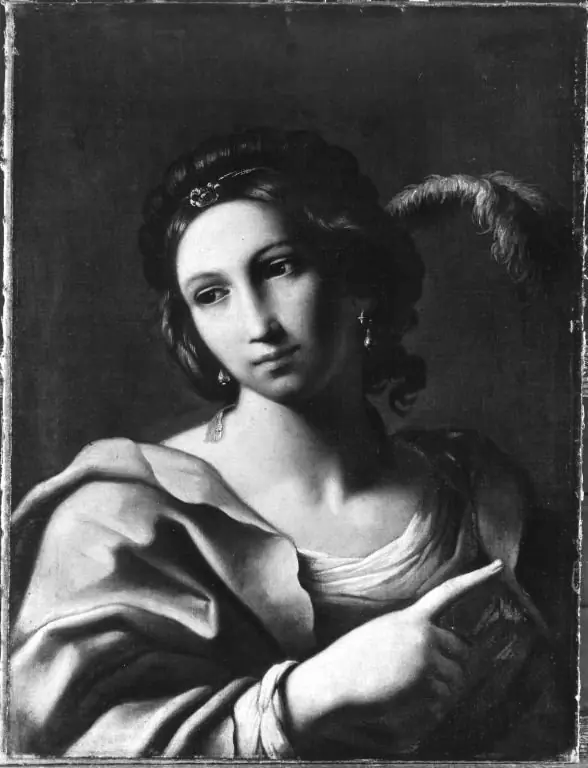
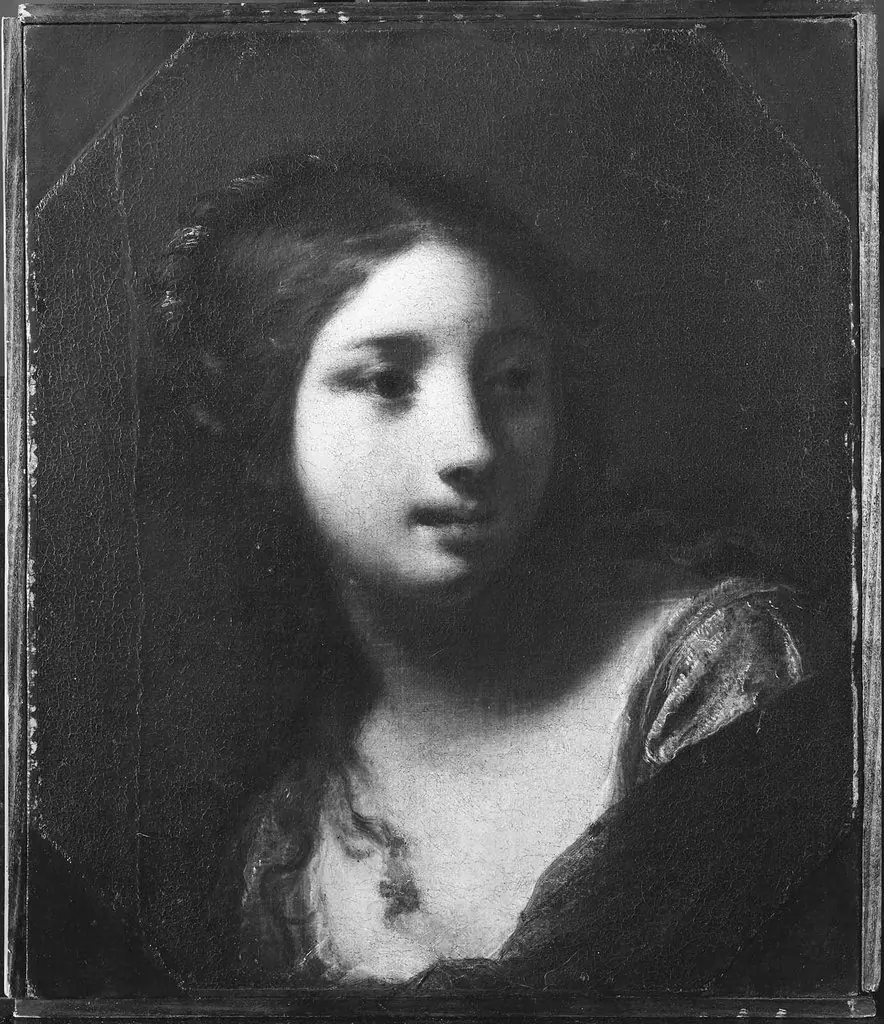
This black-and-white image, dated around 1550, depicts Mary Magdalene in a moment of quiet introspection. Rendered with subtle tonal gradations, the composition isolates her face and upper torso against a dark, indistinct background. The work emphasizes emotional stillness rather than narrative action, using light to draw attention to her contemplative gaze and folded hands.
Subject & Meaning
The figure represents Mary Magdalene as a penitent, a common devotional theme in Renaissance art. Her downcast eyes and clasped hands suggest inner sorrow and repentance, aligning with traditions that portray her as a reformed sinner. The absence of symbolic objects like a skull or ointment jar shifts focus to her psychological state, reinforcing a personal, intimate spirituality.
Technique & Style
The image employs chiaroscuro to model form through soft transitions between light and shadow. The lighting sculpts the contours of her face and hair with delicate precision, avoiding harsh outlines. The monochrome palette enhances the sense of solemnity, while the blurred background isolates the figure, directing all attention to her expression and posture.
History & Provenance
The work is held in the collection of the Museum of Ethnography, though its origins remain undocumented. Its attribution to a specific artist or region is uncertain, and it may have been produced as a devotional study or preparatory sketch. The medium suggests it was likely a drawing or print, possibly copied or circulated in religious circles during the mid-16th century.
Context
In mid-1500s Europe, images of penitent women served as models for spiritual reflection, especially amid growing emphasis on personal piety.
In mid-1500s Europe, images of penitent women served as models for spiritual reflection, especially amid growing emphasis on personal piety. While many such depictions included elaborate settings or symbols, this work’s minimalism reflects a shift toward psychological realism. Its focus on inner emotion aligns with broader trends in Counter-Reformation art that prioritized emotional engagement over spectacle.
Legacy
Though not widely known outside institutional collections, the image exemplifies how quiet, intimate portrayals of religious figures contributed to evolving devotional practices. Its restrained composition influenced later studies of emotional expression in portraiture, particularly in works that favored psychological depth over ornamental detail.
Artist & collection

 Domestic Scene
 Giacomo and Cardinal Marco, investing Andrea, Abbot of San Zeno, with his Benefice
 The Nymph of Fontainebleau
 Portrait of a Woman
 Madonna and Child with Saints in the Enclosed Garden
 Venus and Minerva
 Family Group of Four on Sofa
 Wall painting from Room H of the Villa of P. Fannius Synistor at Boscoreale