Artwork
The pentiting Magdalena
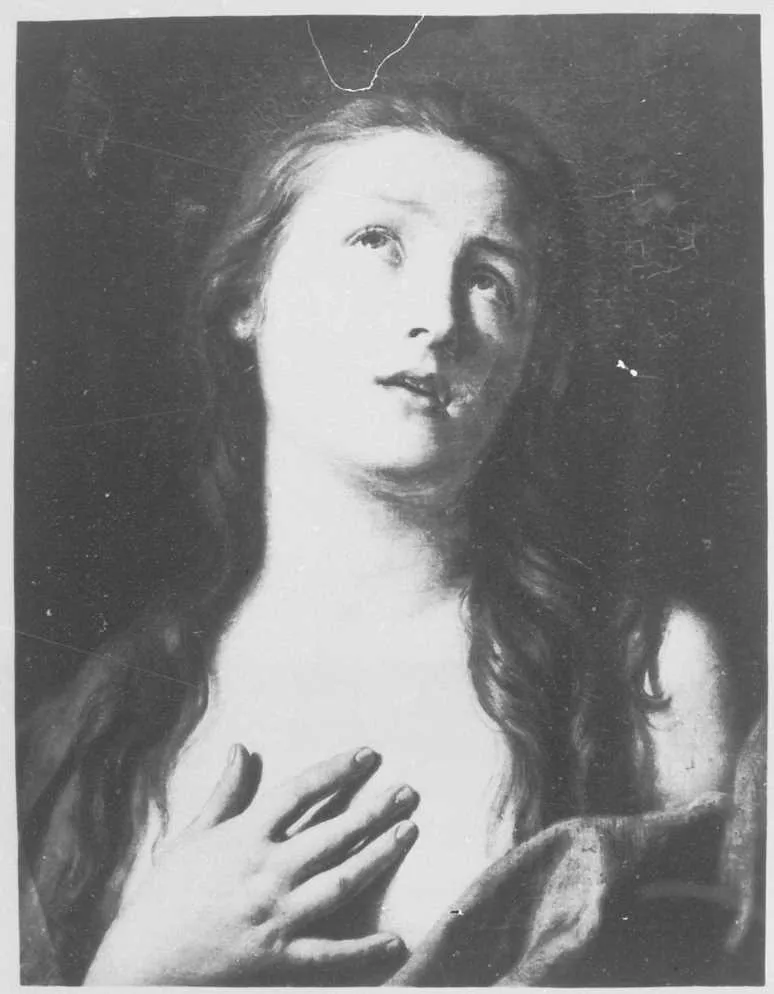
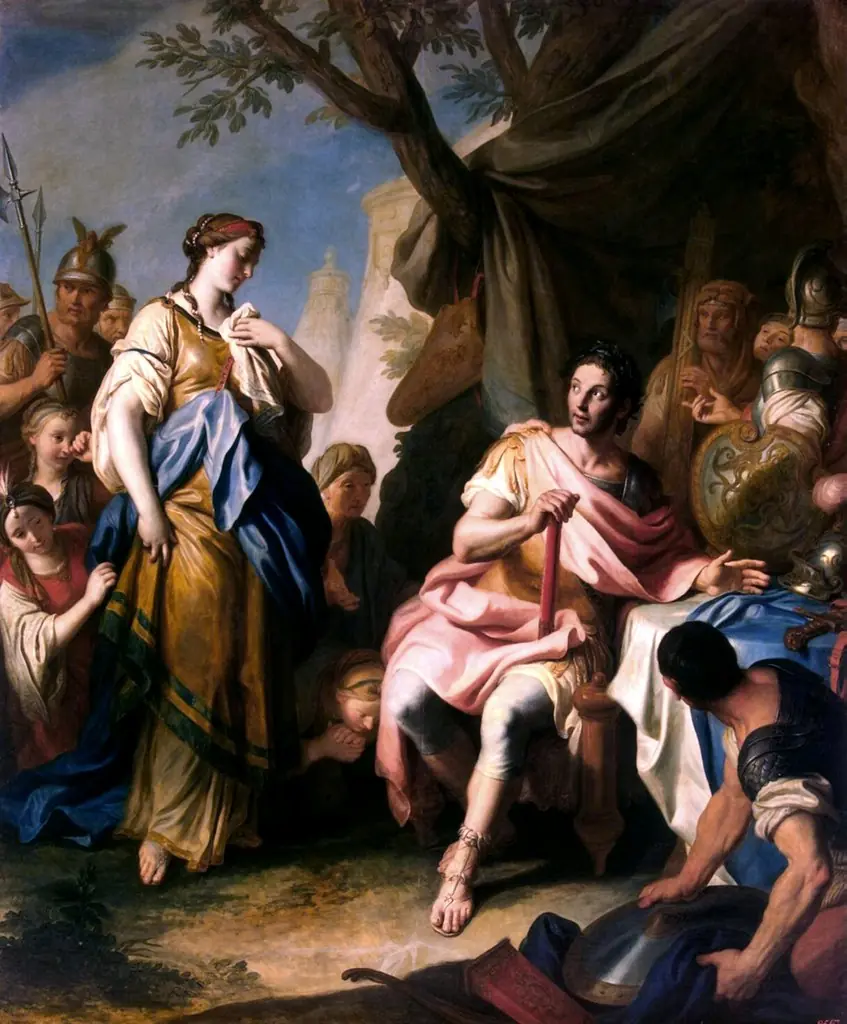
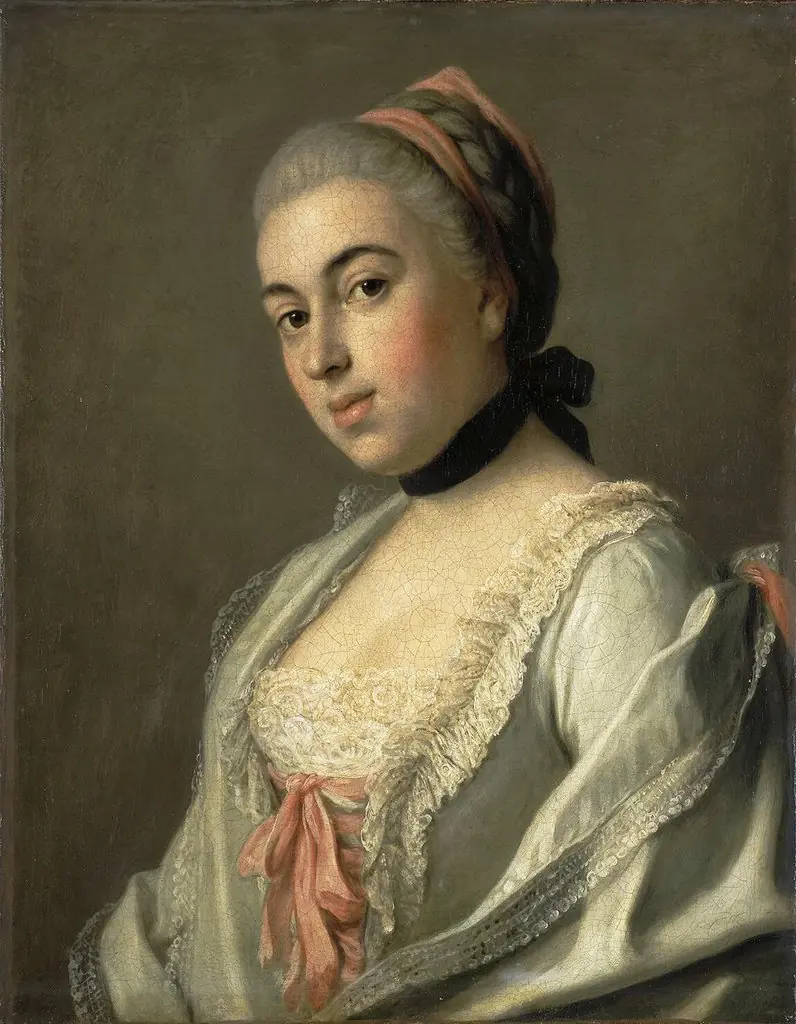
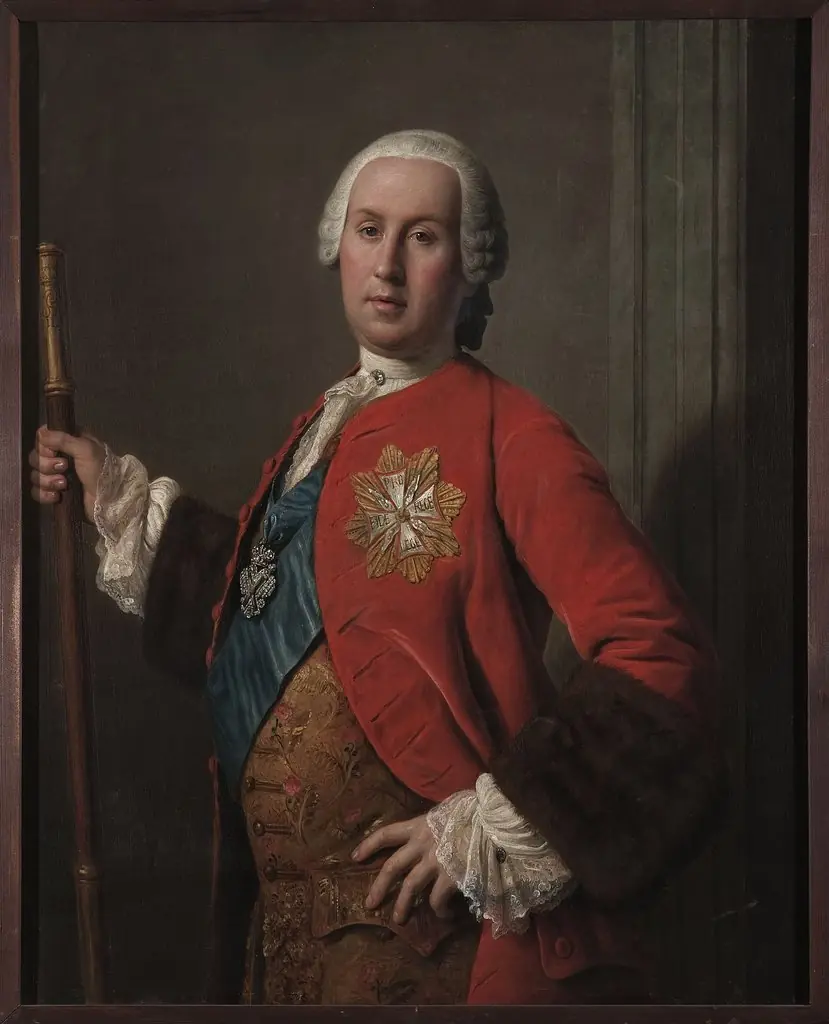
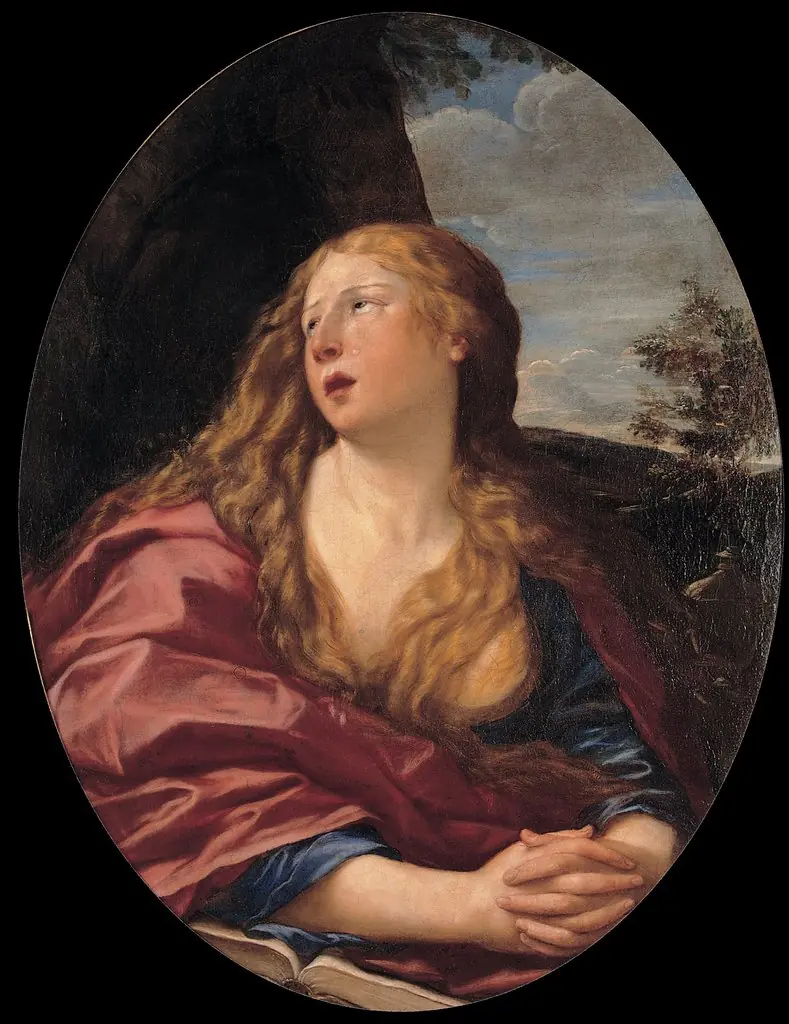
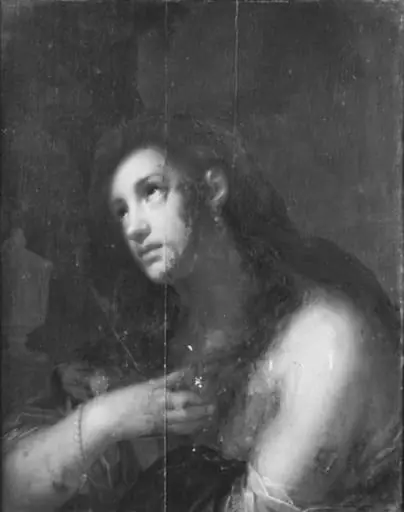
The pentiting Magdalena is an oil painting by the Rococo painting artist Pietro Rotari. It dates from 1754 and is held in the collection of the Staatliche Kunstsammlungen Dresden.
About this work
Overview
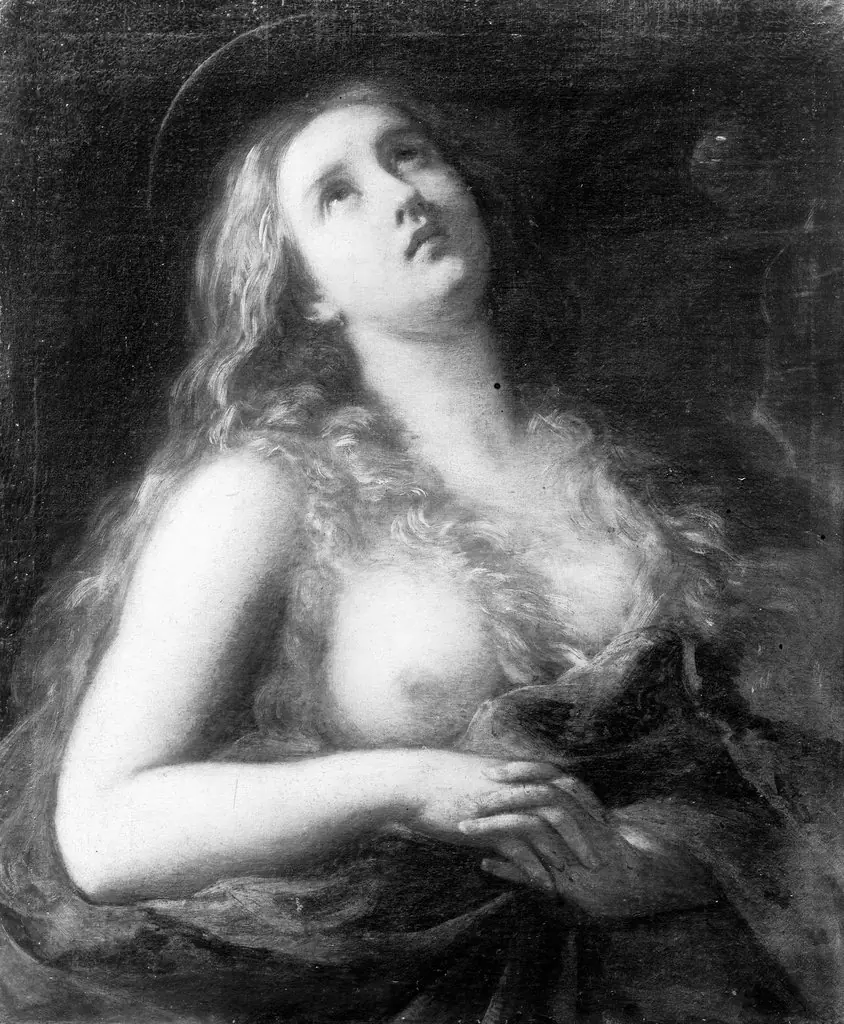
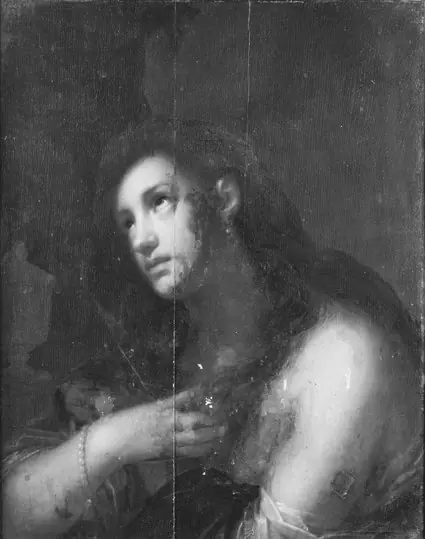
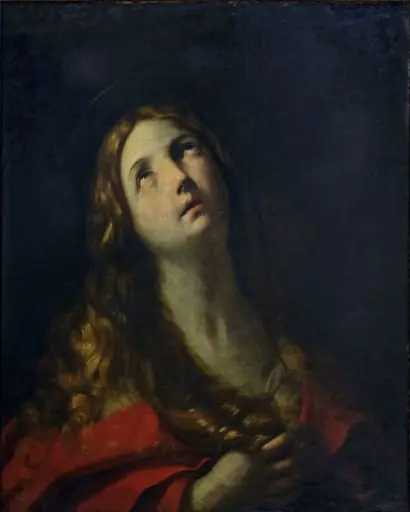
Created in 1754, *The Penitent Magdalene* is an oil on canvas executed by Pietro Rotari. The work belongs to the Rococo period and is held in the Gemäldegalerie Alte Meister. It presents a solitary female figure in a dark interior, illuminated by a focused light that draws attention to her face and clasped hands.
Subject & Meaning
The composition portrays Mary Magdalene in a moment of prayer. She is shown with long, dark hair and a somber expression, her hands pressed together at her chest as she looks upward. The subdued pose and the stark contrast between light and shadow convey a mood of quiet repentance and spiritual introspection.
Technique & Style
Rotari employs chiaroscuro to model the figure, using a strong light source that isolates the Magdalene from a tenebrous background. The brushwork is smooth, rendering the skin and fabric with a realistic texture typical of his portraiture. The overall effect combines Rococo elegance with the dramatic tonalities associated with late Baroque painting.
History & Provenance
Born in Verona, Rotari traveled widely, working for courts in Italy, Germany, and Russia before his death in Saint Petersburg. *The Penitent Magdalene* entered the Gemäldegalerie Alte Meister’s collection in the 19th century, where it has remained part of the museum’s holdings of 18th‑century European art.
Context
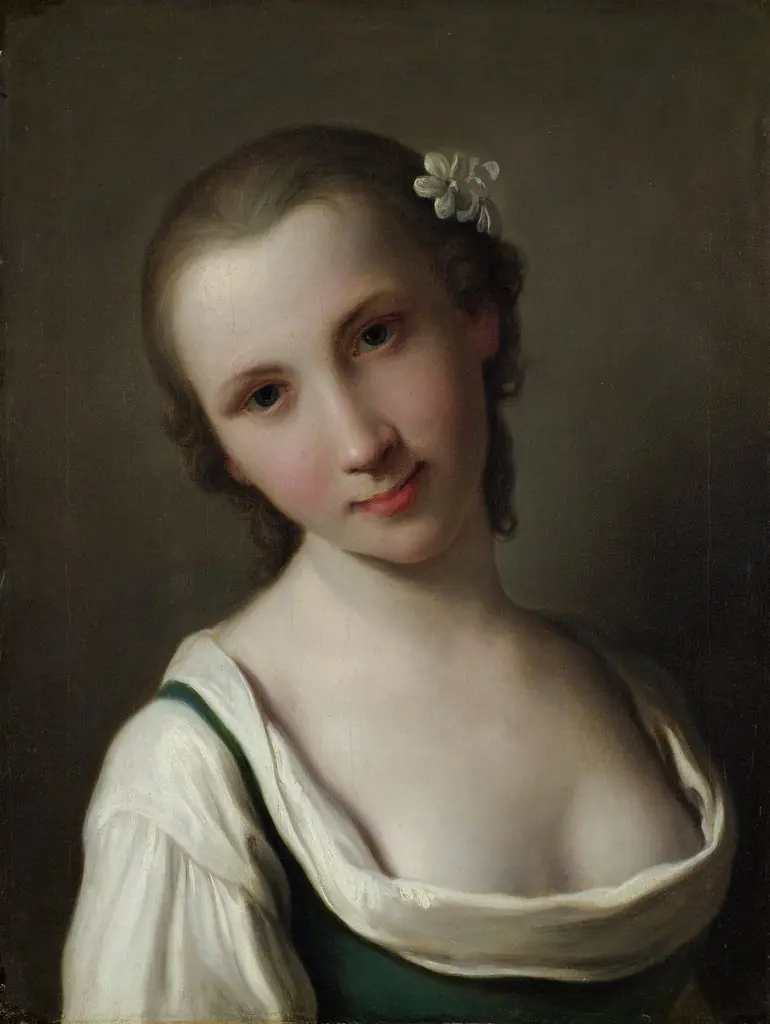
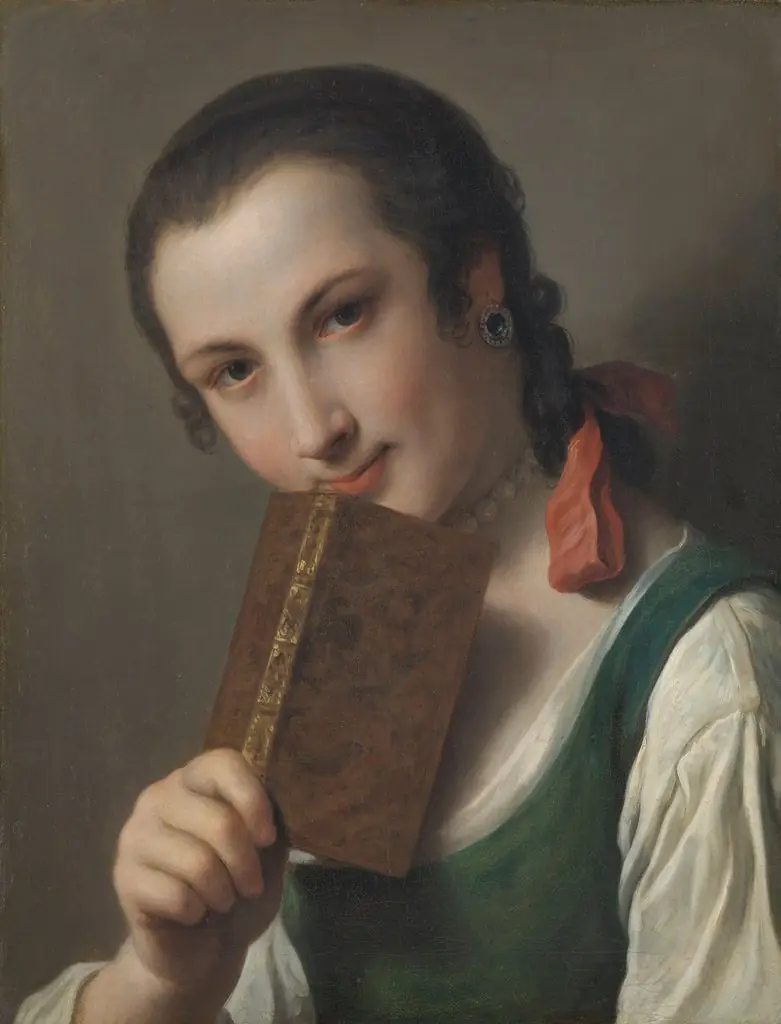
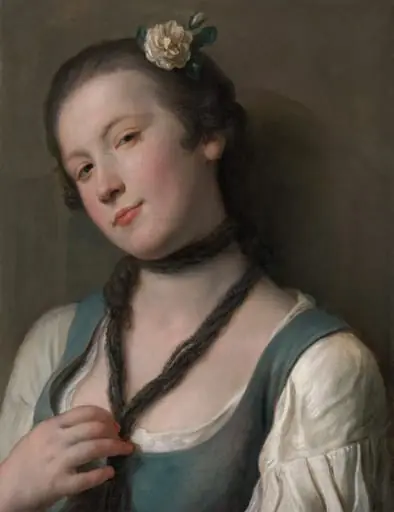
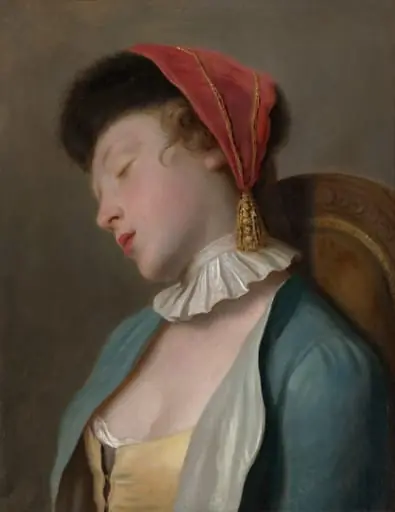
During the mid‑1700s, religious subjects were often rendered with a softer, more intimate sensibility, reflecting Rococo tastes. Rotari’s focus on female figures, especially in devotional moments, aligns with his reputation for creating lifelike, emotionally resonant portraits that appealed to aristocratic patrons across Europe.
Artist & collection
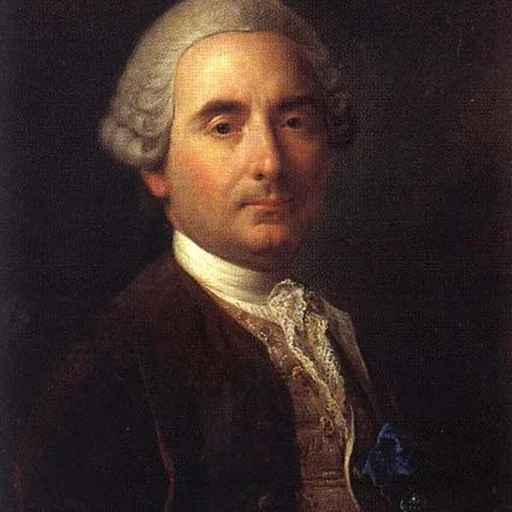
Artist
Pietro Antonio Rotari (30 September 1707 – 31 August 1762) was an Italian painter of the Baroque period.