Artwork
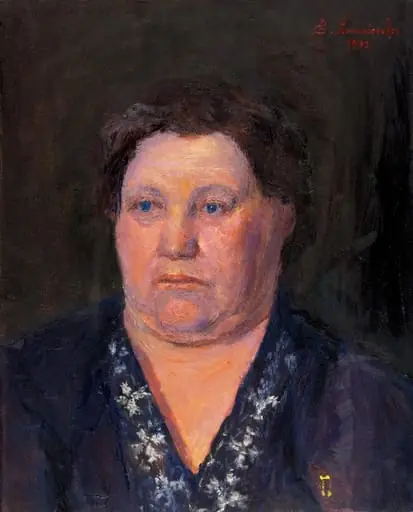
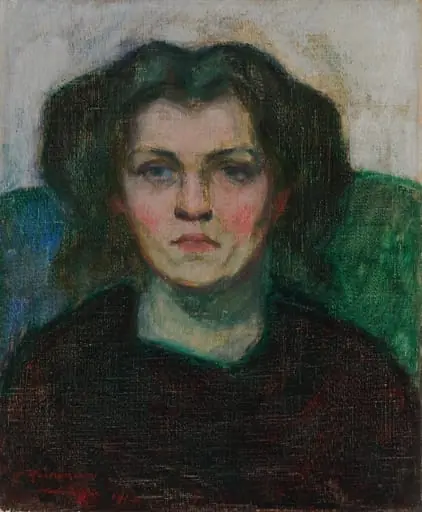
Frøken Kylle Neckelmann
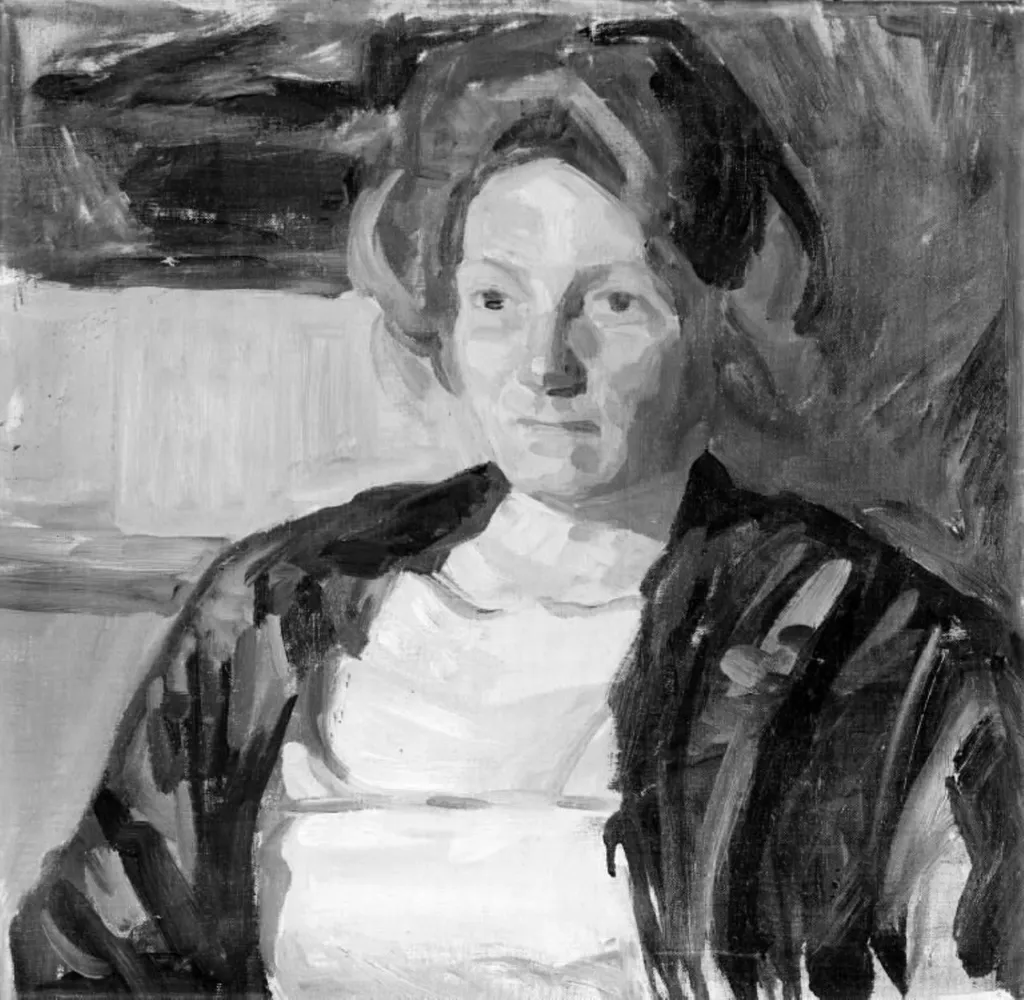
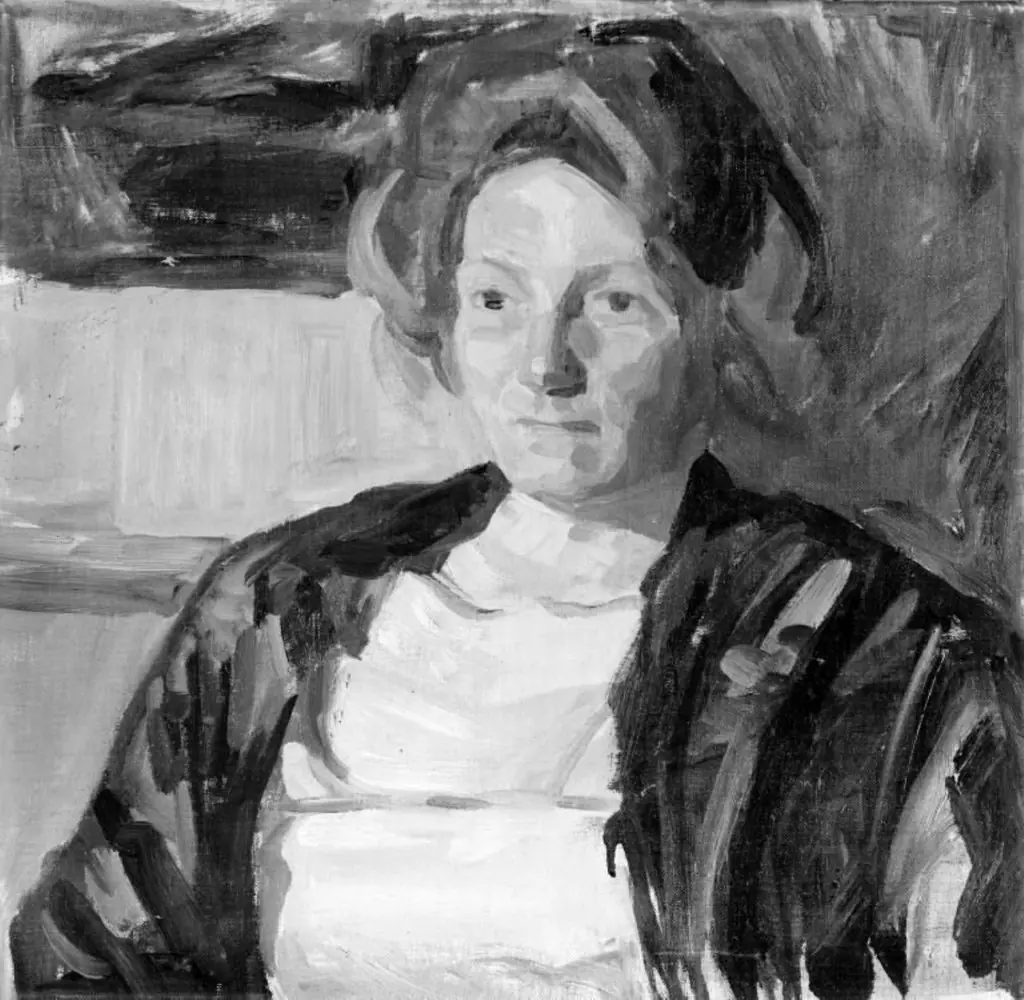
Frøken Kylle Neckelmann is a photography by Unknown. It dates from 1911 and is held in the collection of the Statens Museum for Kunst.
About this work
Overview
It is held in the collection of the Museum of Ethnography, where it functions as a record of individual portraiture within a broader anthropological context.
This black-and-white photograph, dated around 1911, depicts a woman identified as Frøken Kylle Neckelmann. Taken with early 20th-century photographic equipment, the image exhibits a soft grain and muted tonal range, typical of the period’s emulsion technology. It is held in the collection of the Museum of Ethnography, where it functions as a record of individual portraiture within a broader anthropological context.
Subject & Meaning
The subject, a woman of likely Nordic origin, is portrayed without ornamentation or theatricality. Her neutral expression and slight frown convey quiet introspection rather than emotional display. The plainness of her attire—a light blouse and dark shawl—suggests modesty and everyday life. The image resists idealization, presenting its subject with documentary restraint, aligning with early ethnographic aims to capture unvarnished human presence.
Technique & Style
The photograph employs natural lighting to model the face, creating subtle contrasts that define features without harshness. The blurred background isolates the figure, directing attention to her posture and expression. The grainy texture and faded tones reflect the limitations and material qualities of early photographic processes, reinforcing the sense of temporal distance and authenticity in the image’s aesthetic.
History & Provenance
Acquired by the Museum of Ethnography shortly after its creation, the photograph was likely part of a broader collection of regional portraits assembled during the early 1900s. Its preservation suggests it was valued not as fine art but as a cultural artifact, documenting individual identity within a specific social and geographic context of the time.
Context
Created during a period when ethnographic institutions increasingly used photography to classify and preserve cultural types, this image reflects a shift toward visual documentation over written description. Though not staged for spectacle, its composition aligns with contemporary practices that sought to record ordinary individuals as representatives of broader social groups.
Legacy
The photograph endures as a quiet example of early ethnographic portraiture, valued for its unembellished realism. It contributes to scholarly understanding of how visual media were used to construct and preserve identities in the early 20th century, offering insight into the relationship between observation, representation, and cultural memory.
Artist & collection

 Domestic Scene
 Giacomo and Cardinal Marco, investing Andrea, Abbot of San Zeno, with his Benefice
 The Nymph of Fontainebleau
 Portrait of a Woman
 Madonna and Child with Saints in the Enclosed Garden
 Venus and Minerva
 Family Group of Four on Sofa
 Wall painting from Room H of the Villa of P. Fannius Synistor at Boscoreale