Artwork
Diana and Callisto
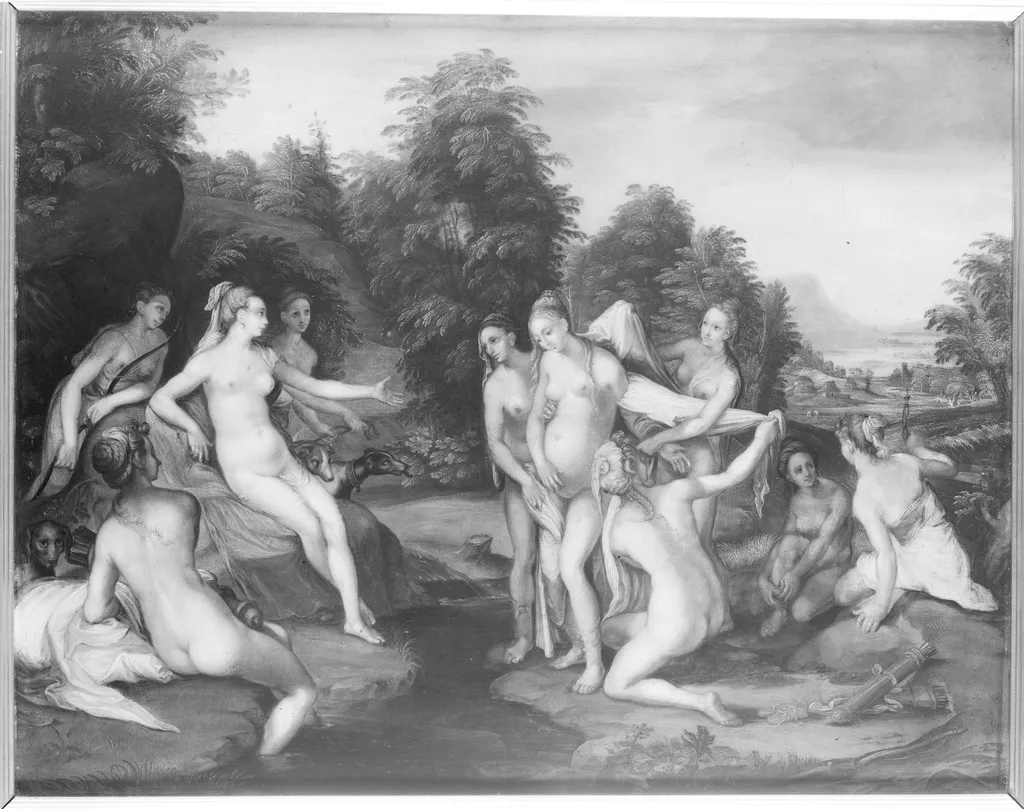
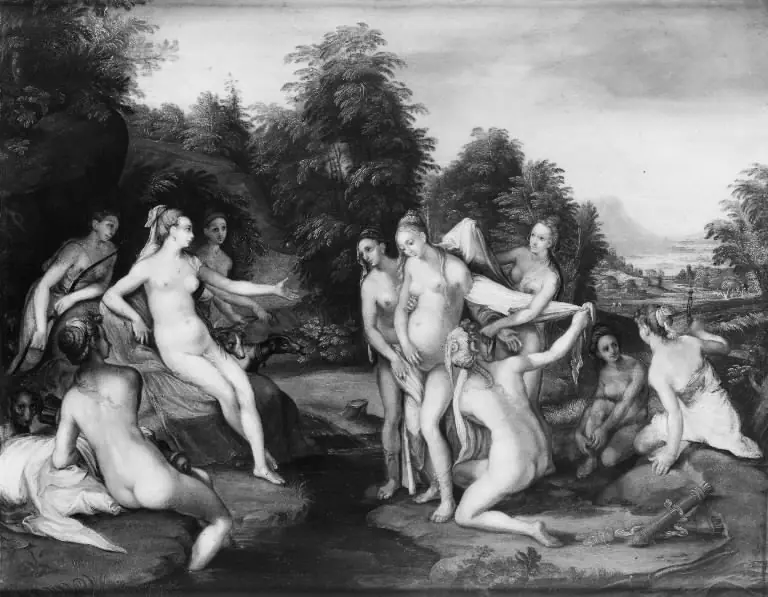
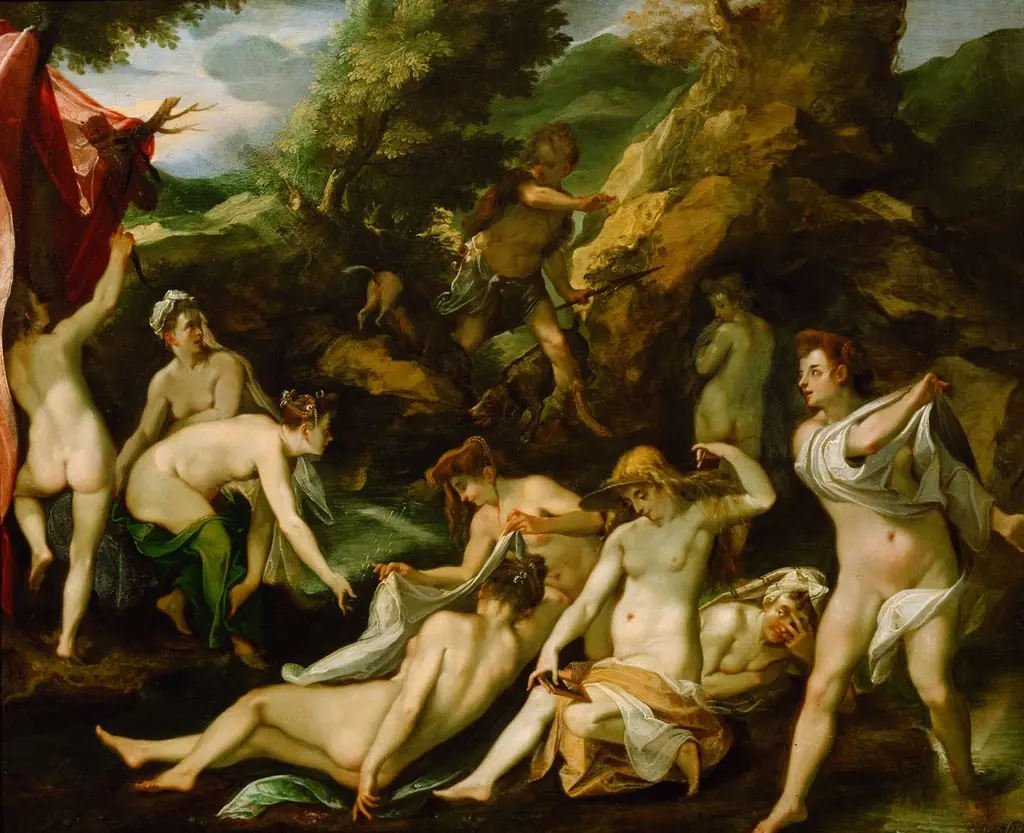
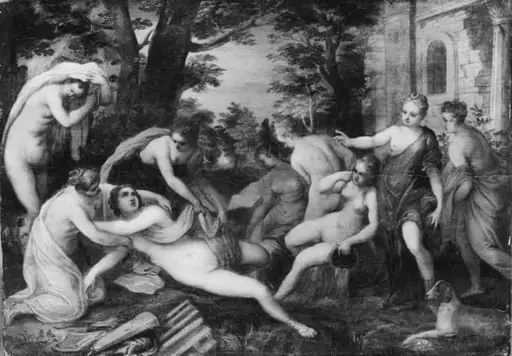
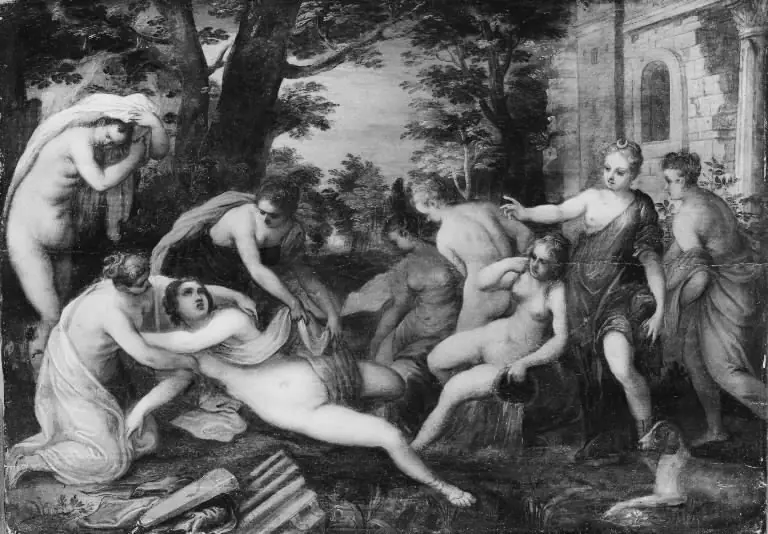
Diana and Callisto is a photography by Unknown. It dates from 1550 and is held in the collection of the Statens Museum for Kunst.
About this work
Overview
The composition captures the shock and dismay of the surrounding figures, emphasizing the gravity of the divine punishment.
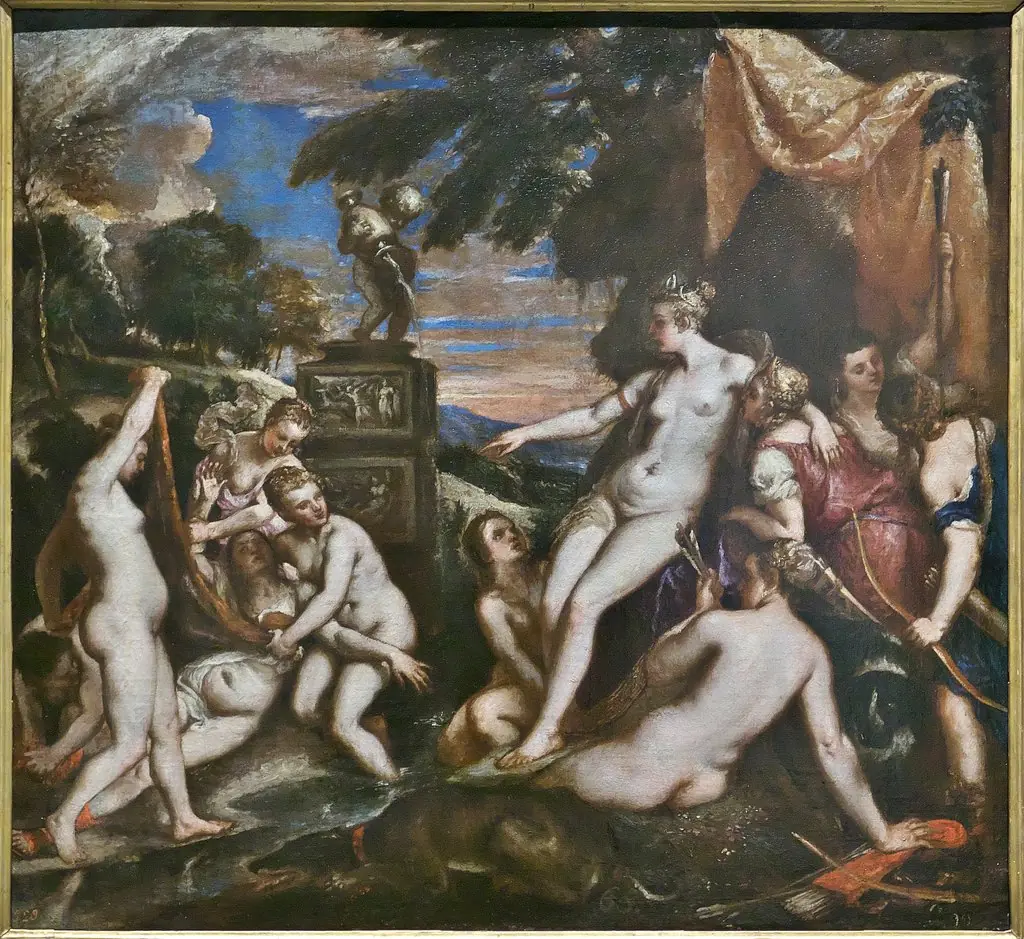
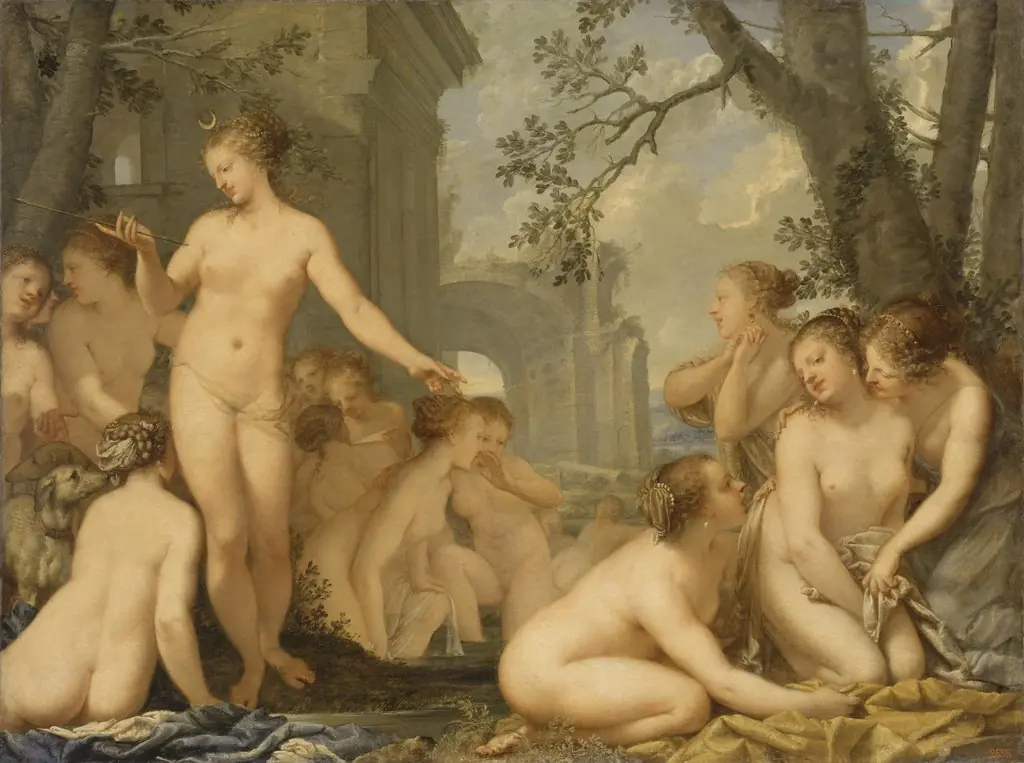
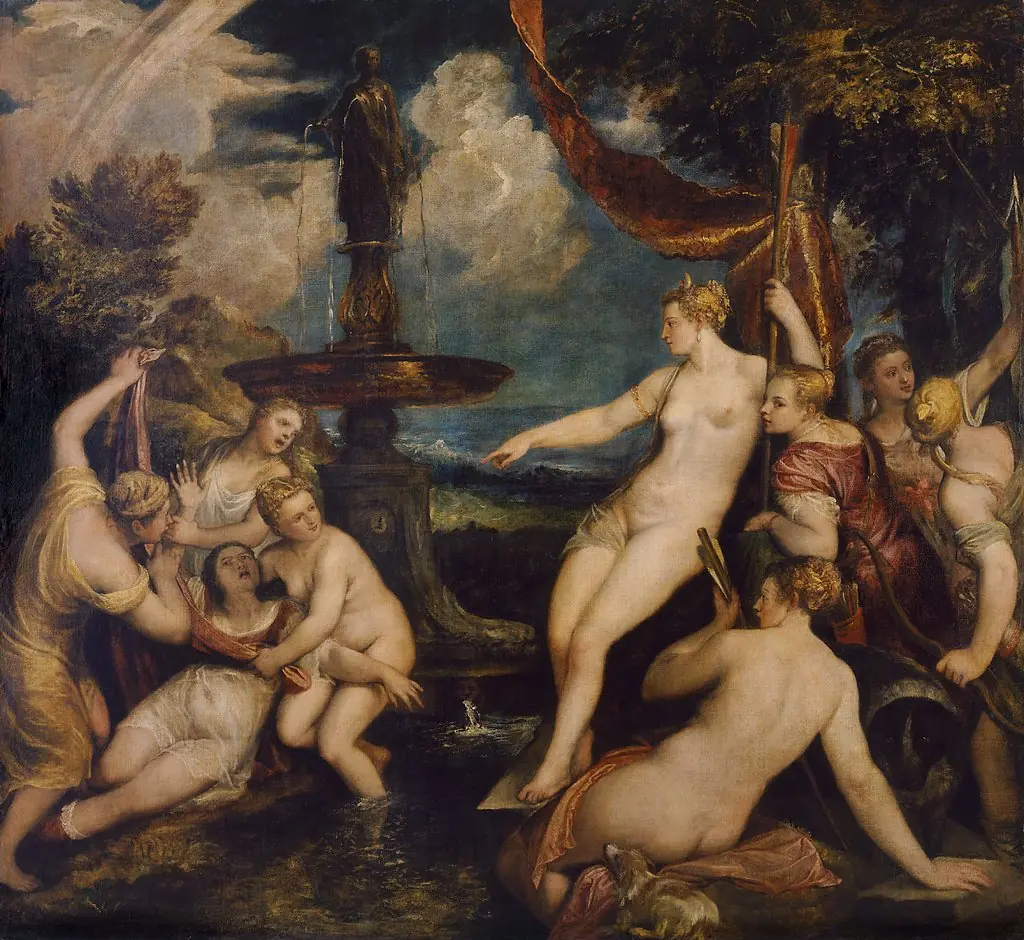
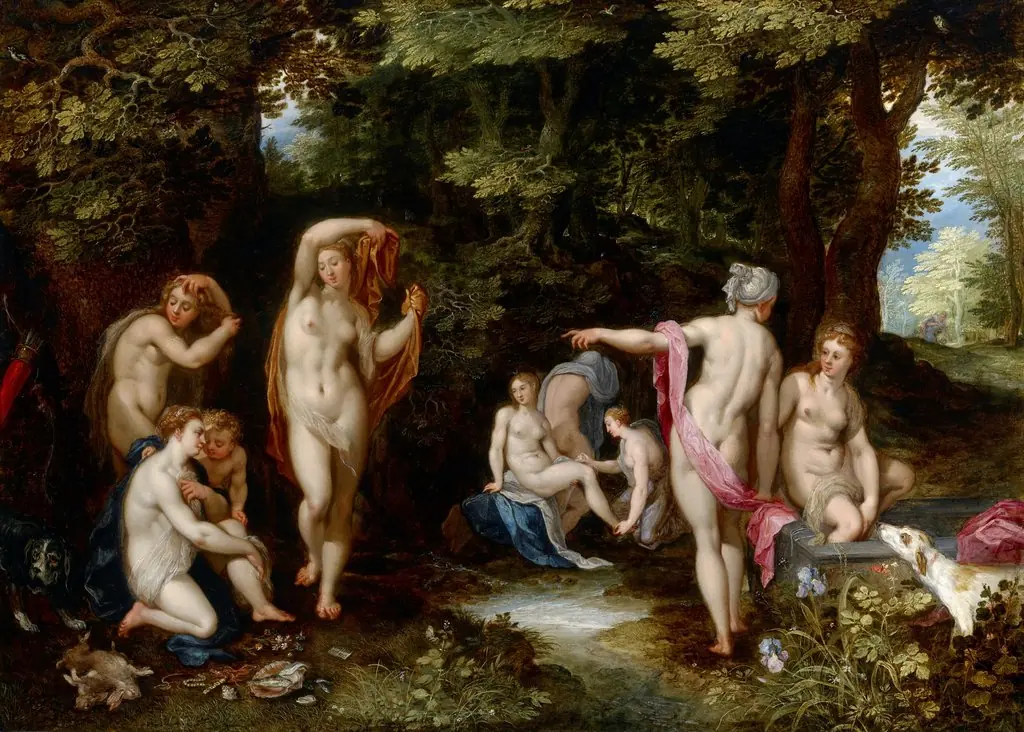
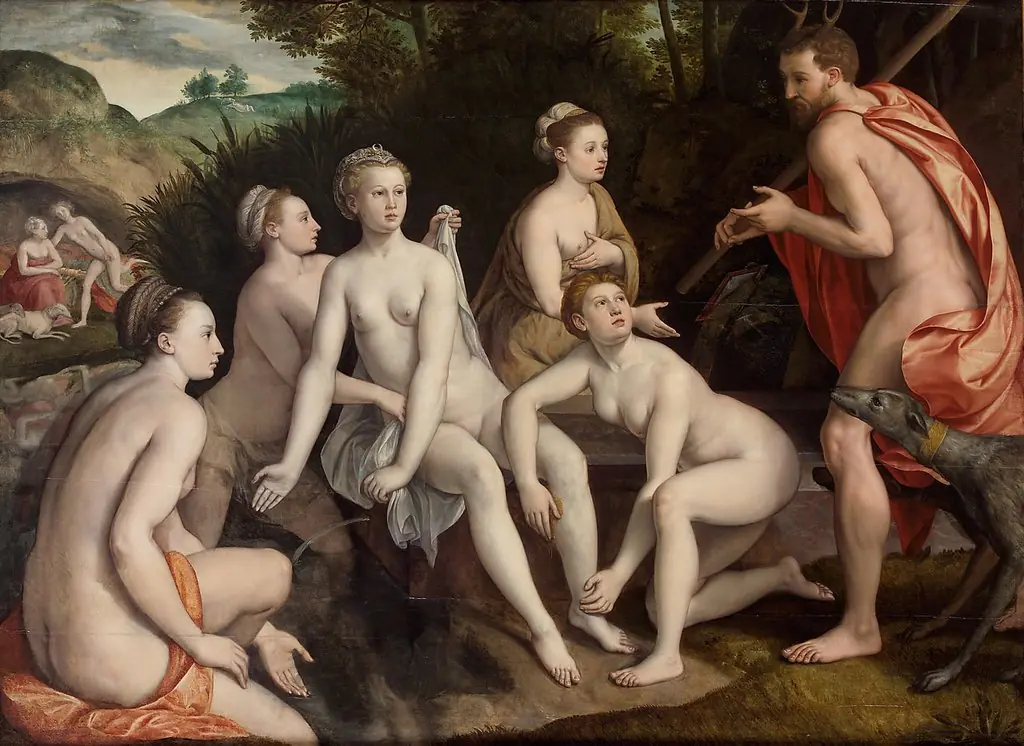
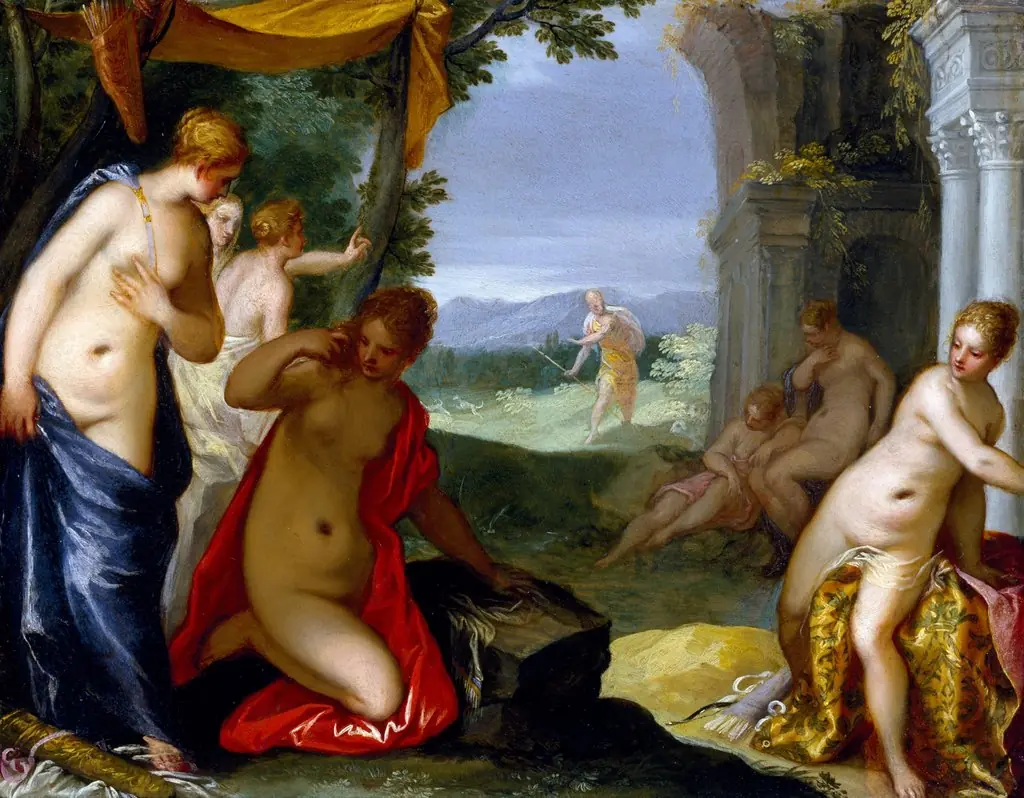
Painted around 1550, this work portrays a moment from Ovid’s Metamorphoses, depicting the goddess Diana discovering that one of her nymphs, Callisto, has broken her vow of chastity. The scene unfolds in a wooded landscape with a pool, where the transformation of Callisto into a bear is just beginning. The composition captures the shock and dismay of the surrounding figures, emphasizing the gravity of the divine punishment.
Subject & Meaning
The painting illustrates the myth in which Callisto, a follower of Diana, is revealed to have been impregnated by Jupiter. As punishment, Diana expels her from the group, and Juno later transforms her into a bear. The moment shown is one of exposure and divine retribution, highlighting themes of purity, betrayal, and the capriciousness of the gods. The figures’ reactions convey moral tension and emotional rupture within the sacred female circle.
Technique & Style
The artist employs a restrained palette of earth tones and soft blues to ground the scene in naturalism, while the figures are rendered with careful attention to anatomical detail and fluid posture. Brushwork is smooth, with subtle modeling to suggest volume and skin texture. The arrangement of bodies creates a rhythmic flow across the canvas, guiding the viewer’s eye toward the central act of transformation.
History & Provenance
The painting was likely commissioned by a European noble patron with an interest in classical mythology. It entered the collection of the Museum of Ethnography in the late 19th century, though its earlier ownership remains partially undocumented. Its attribution to the artist associated with the 1550s courtly tradition has been supported by stylistic analysis and archival records from the period.
Context
Created during the height of Mannerist painting in Italy, the work reflects a fascination with mythological narratives and complex emotional states. While many contemporaries favored idealized forms, this piece leans into psychological realism and narrative immediacy. It aligns with broader Renaissance trends of revisiting classical texts to explore human vulnerability under divine authority.
Legacy
Though not widely exhibited outside specialized collections, the painting has influenced later interpretations of mythological scenes in Northern European art. Its focus on female agency and the consequences of transgression contributed to evolving representations of women in narrative painting. Scholars continue to reference it in studies of gender, power, and myth in 16th-century visual culture.
Artist & collection

 Domestic Scene
 Giacomo and Cardinal Marco, investing Andrea, Abbot of San Zeno, with his Benefice
 The Nymph of Fontainebleau
 Portrait of a Woman
 Madonna and Child with Saints in the Enclosed Garden
 Venus and Minerva
 Family Group of Four on Sofa
 Wall painting from Room H of the Villa of P. Fannius Synistor at Boscoreale