Artwork
Diana and Callisto
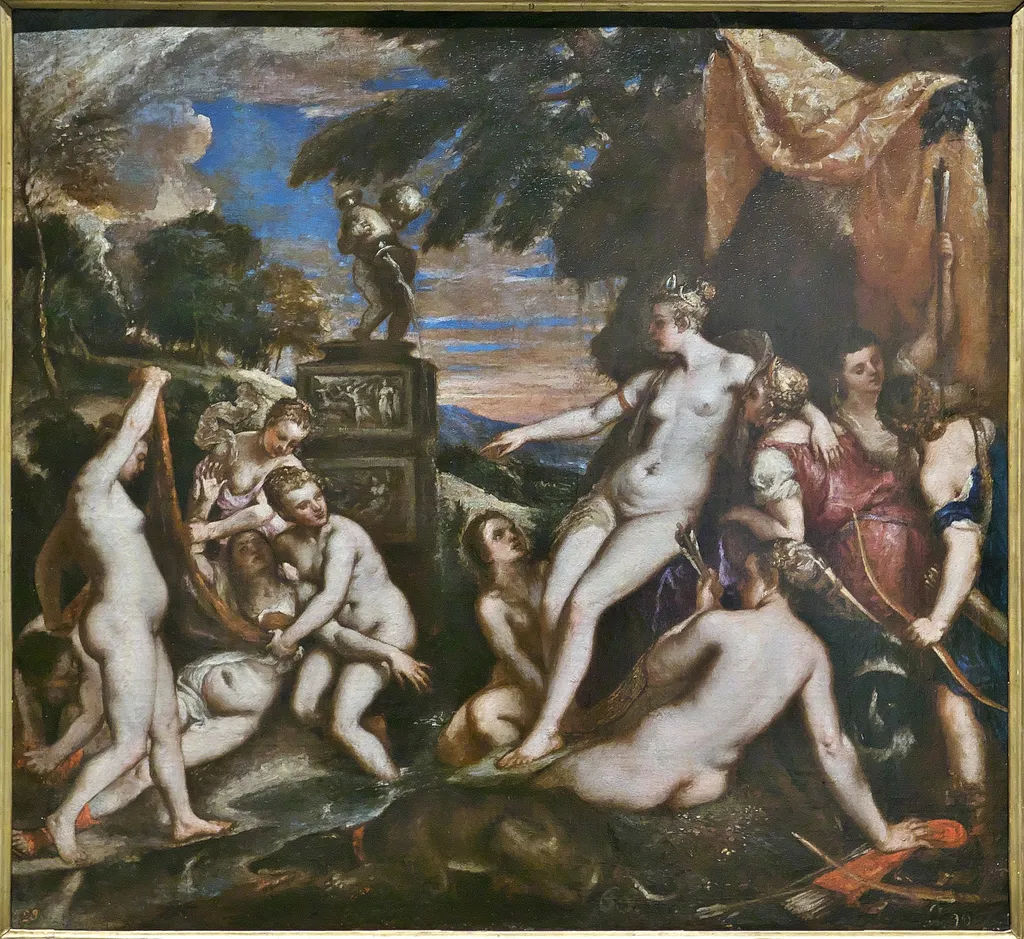
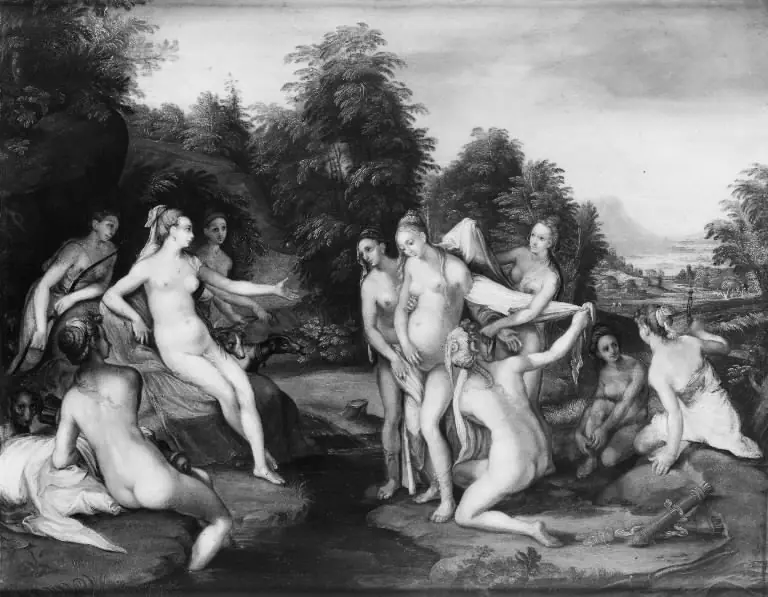
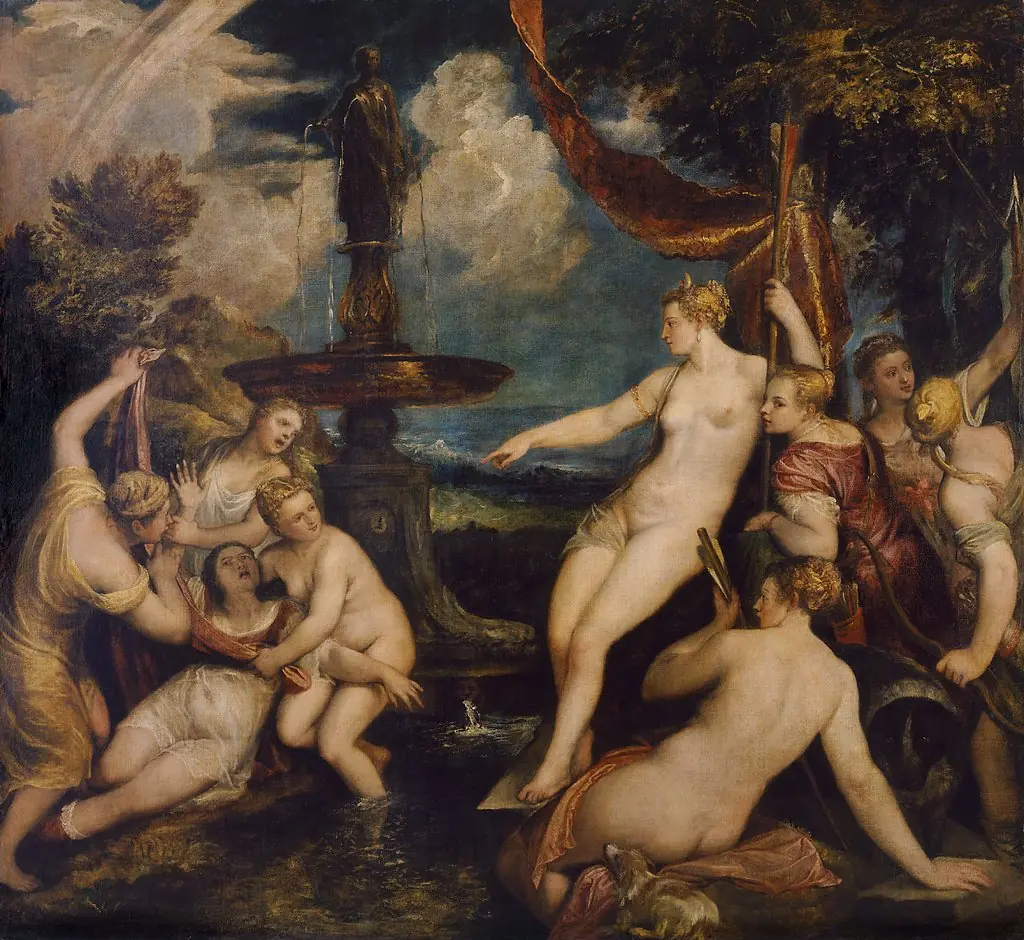
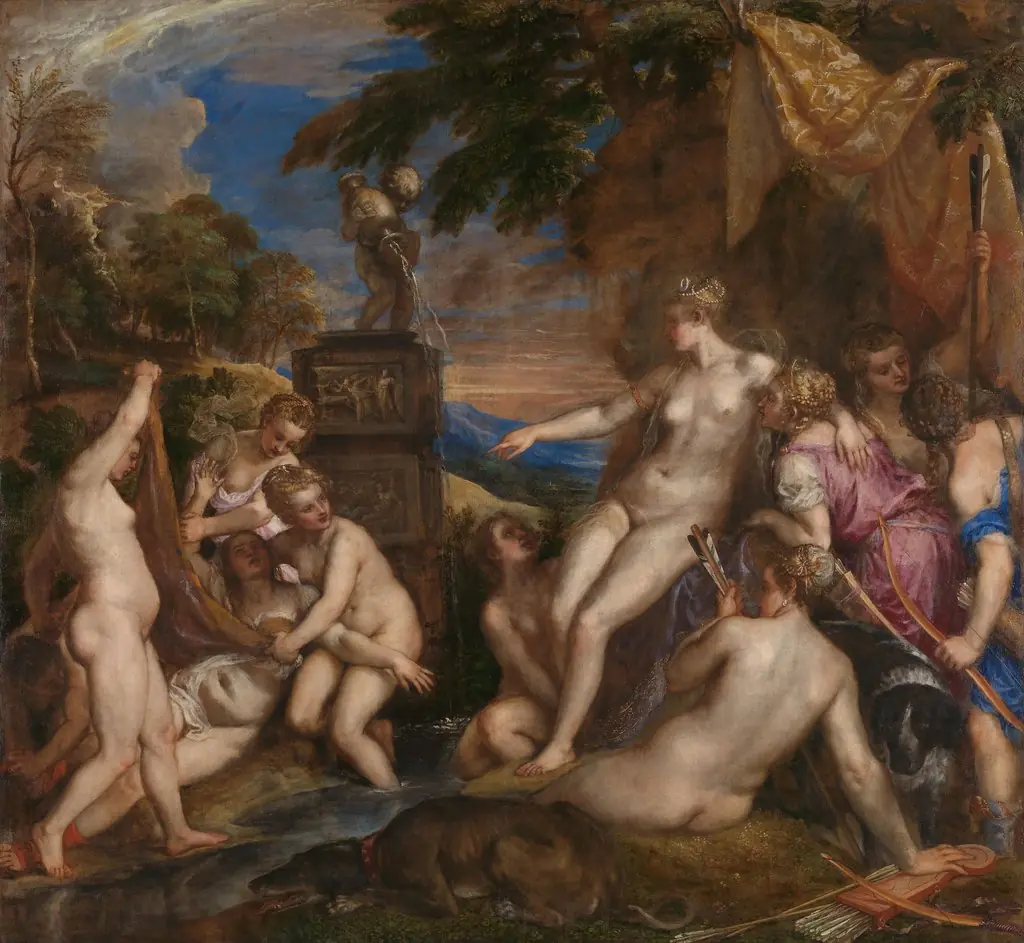
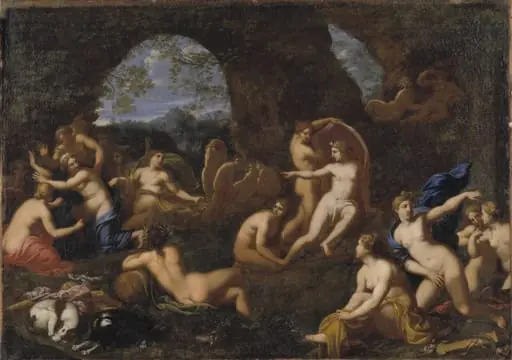
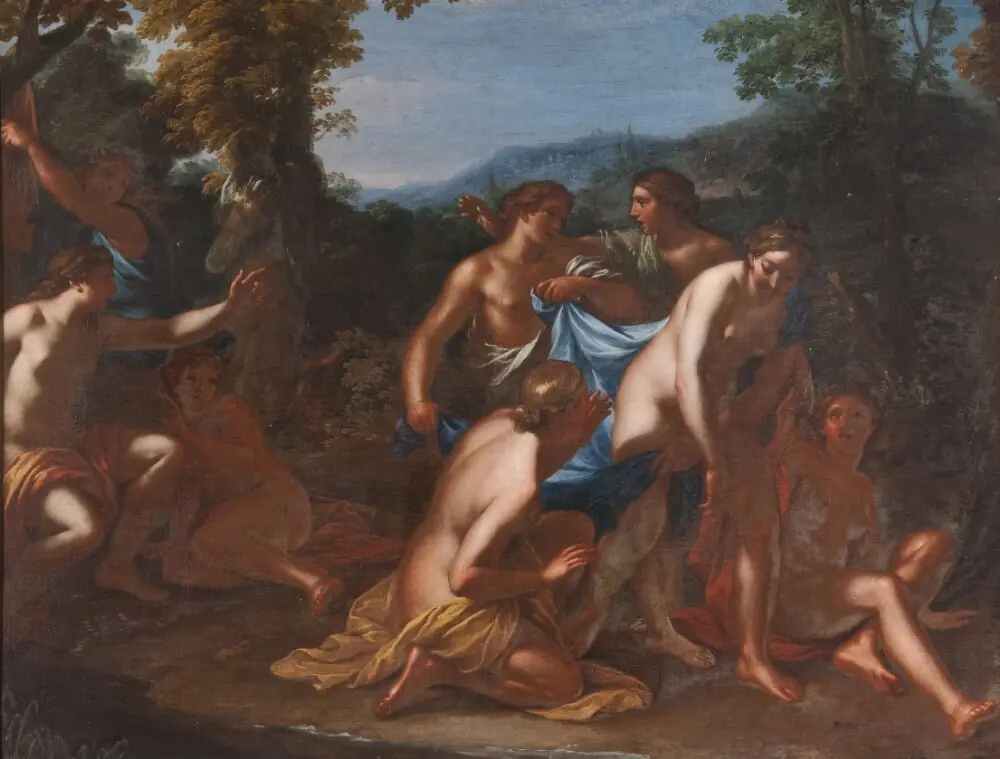
Diana and Callisto is an oil painting by the Early Baroque Italian artist Juan Bautista Martínez del Mazo. It dates from 1650 and is held in the collection of the Museo del Prado.
About this work
Overview
Juan Bautista Martínez del Mazo, a Spanish painter active in the mid‑17th century and a disciple of Diego Velázquez, produced the oil painting *Diana and Callisto* around 1650. Executed in the early Italian Baroque idiom, the work now belongs to the collection of the Museo del Prado.
Subject & Meaning
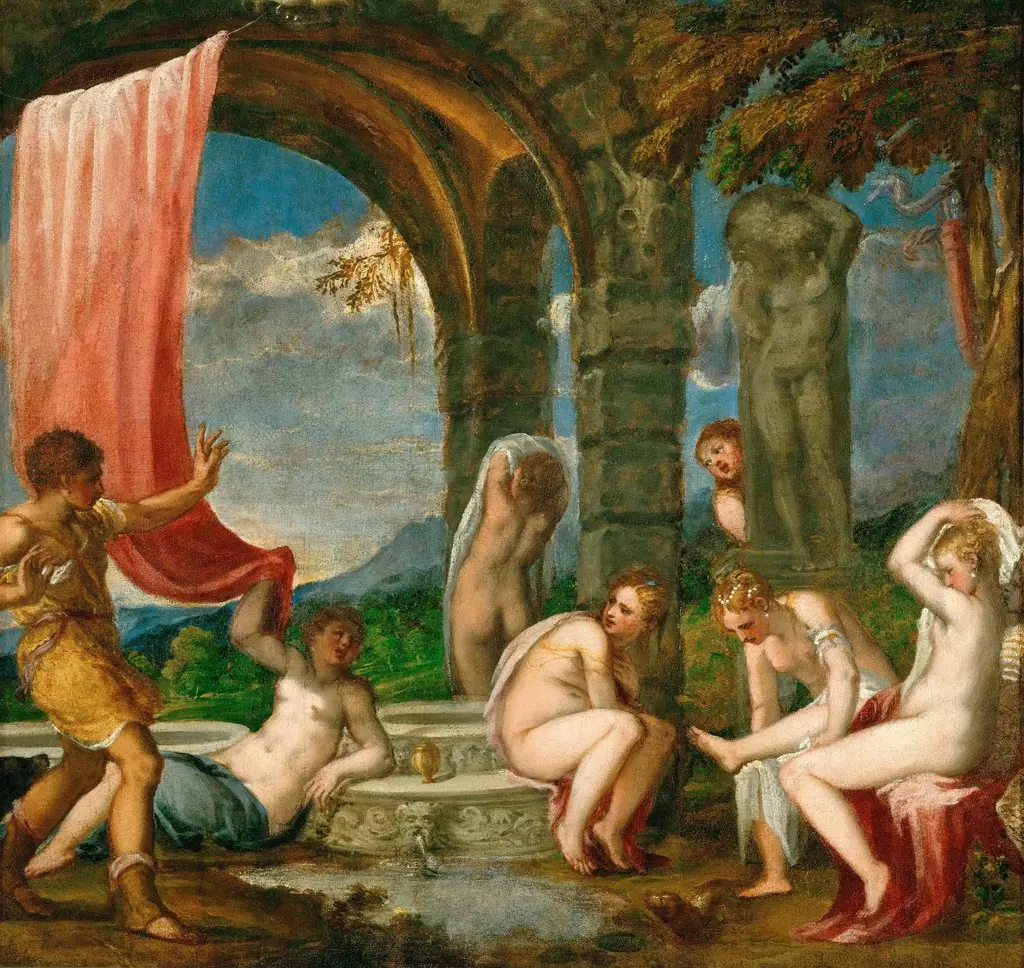
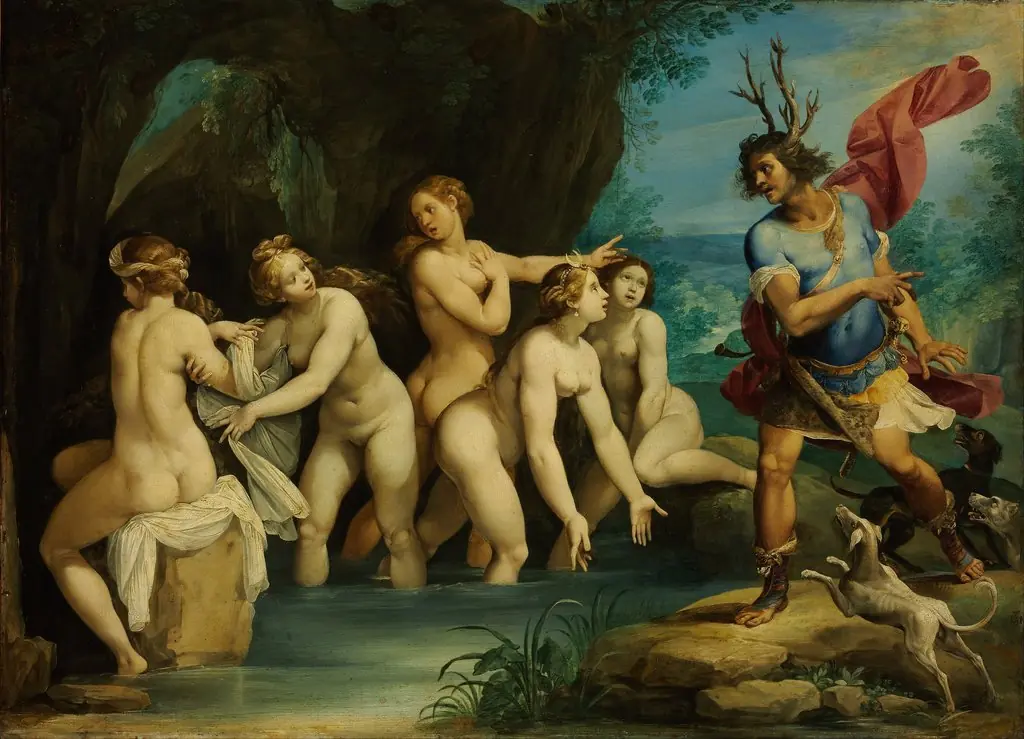
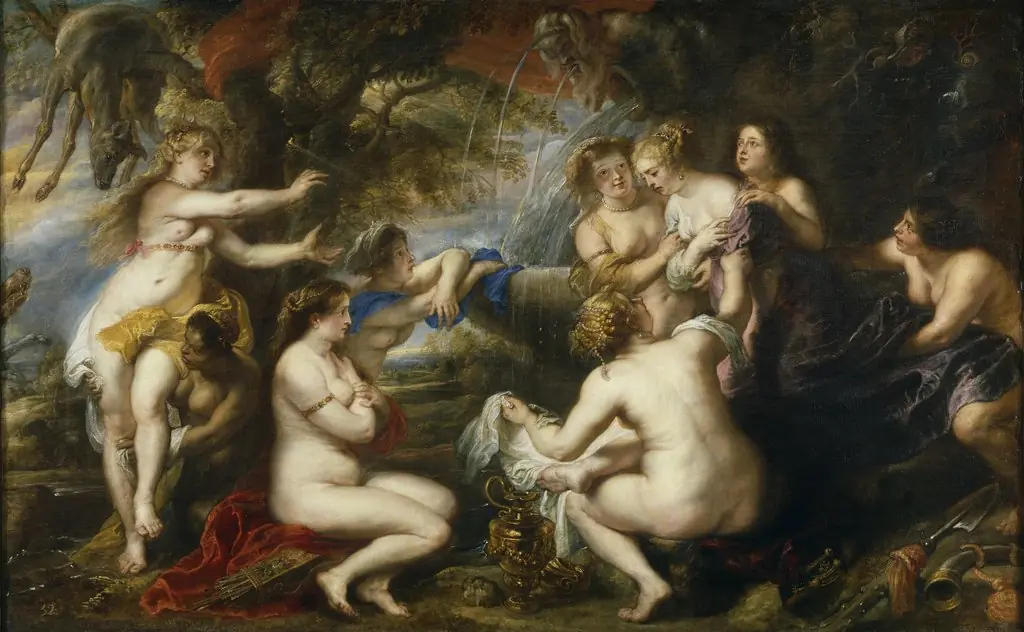
The composition portrays a moment from classical mythology in which the goddess Diana is surrounded by a group of women, some nude and others draped in translucent garments. The gathering suggests the narrative of Callisto’s encounter with the huntress, a theme often used to explore themes of chastity, transformation, and divine retribution.
Technique & Style
Mazo employs a muted palette of browns and greens, allowing the chiaroscuro of light and shadow to model the figures and landscape. Visible brushwork creates a textured surface, while the contrast between illuminated bodies and darker surroundings enhances the sense of volume and spatial depth characteristic of Baroque painting.
History & Provenance
Since its creation, the canvas has remained in Spain and is presently housed in the Museo del Prado, where it is displayed among other works of Spanish Baroque art, reflecting the museum’s commitment to preserving the legacy of Velázquez’s circle.
Artist & collection
Artist
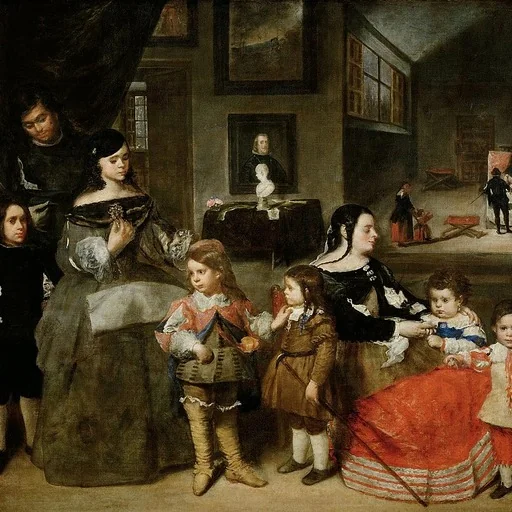
Juan Bautista Martínez del Mazo
Juan Bautista Martínez del Mazo (c.1612 – February 10, 1667) was a Spanish Baroque portrait and landscape painter, the most distinguished of the followers of his father-in-law Velázquez, whose style he imitated more closely than did any…

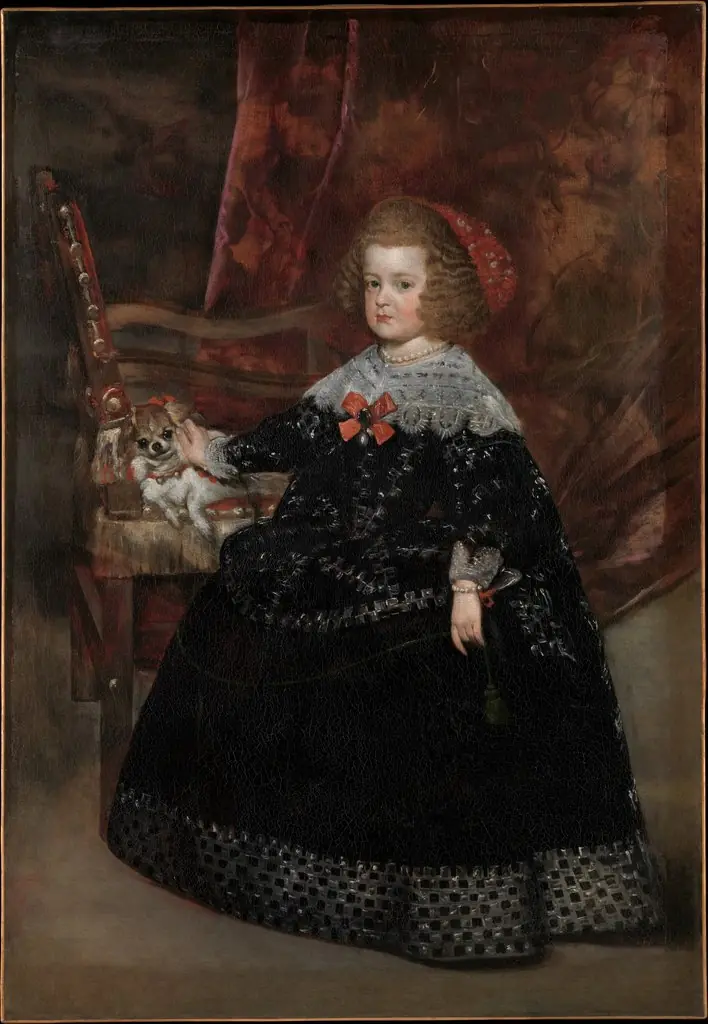 María Teresa (1638–1683), Infanta of Spain
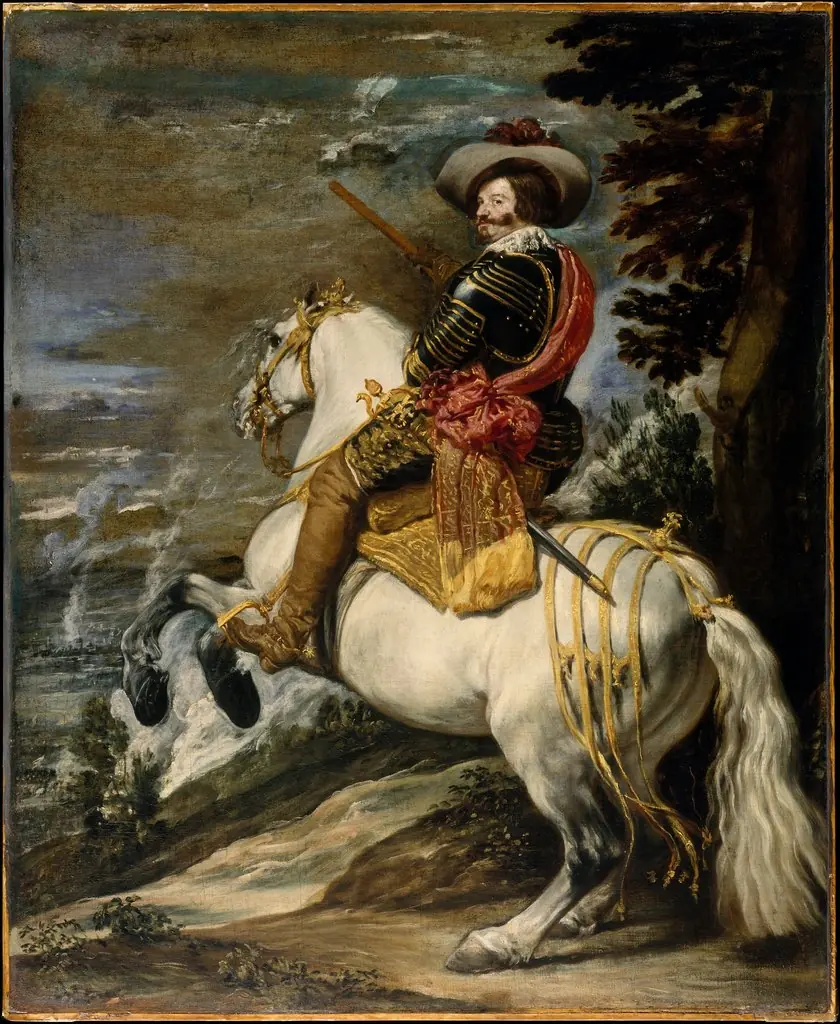 Don Gaspar de Guzmán (1587–1645), Count-Duke of Olivares
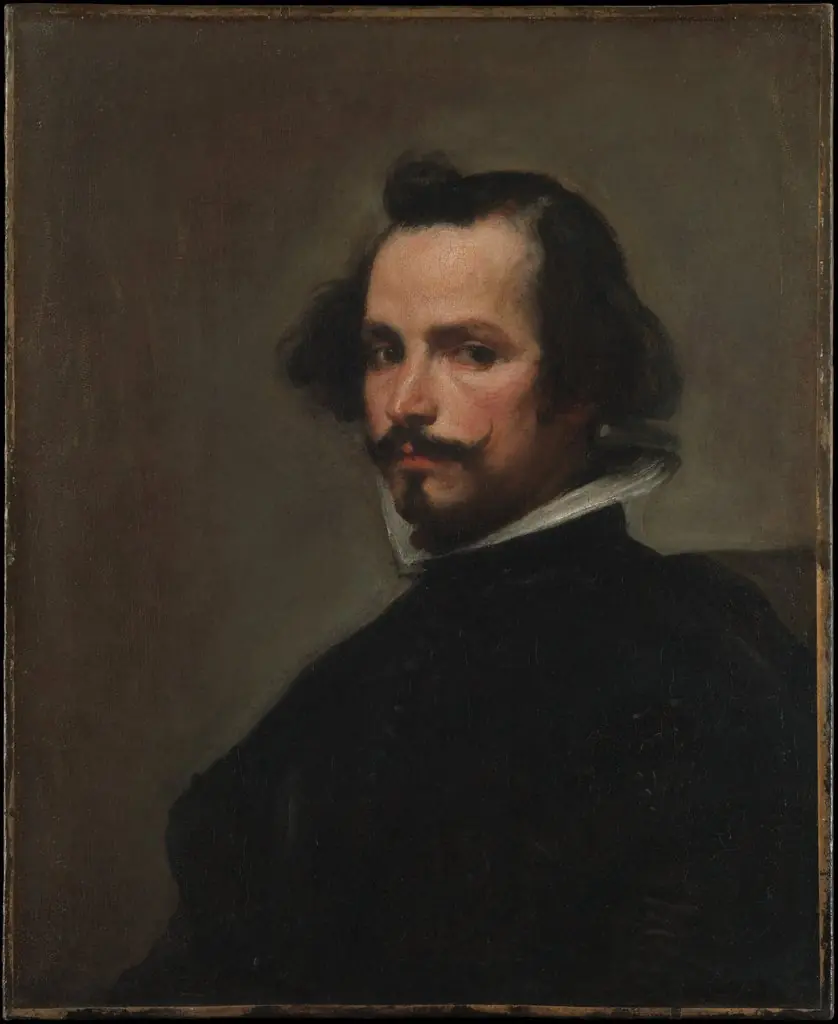 Portrait of a Man
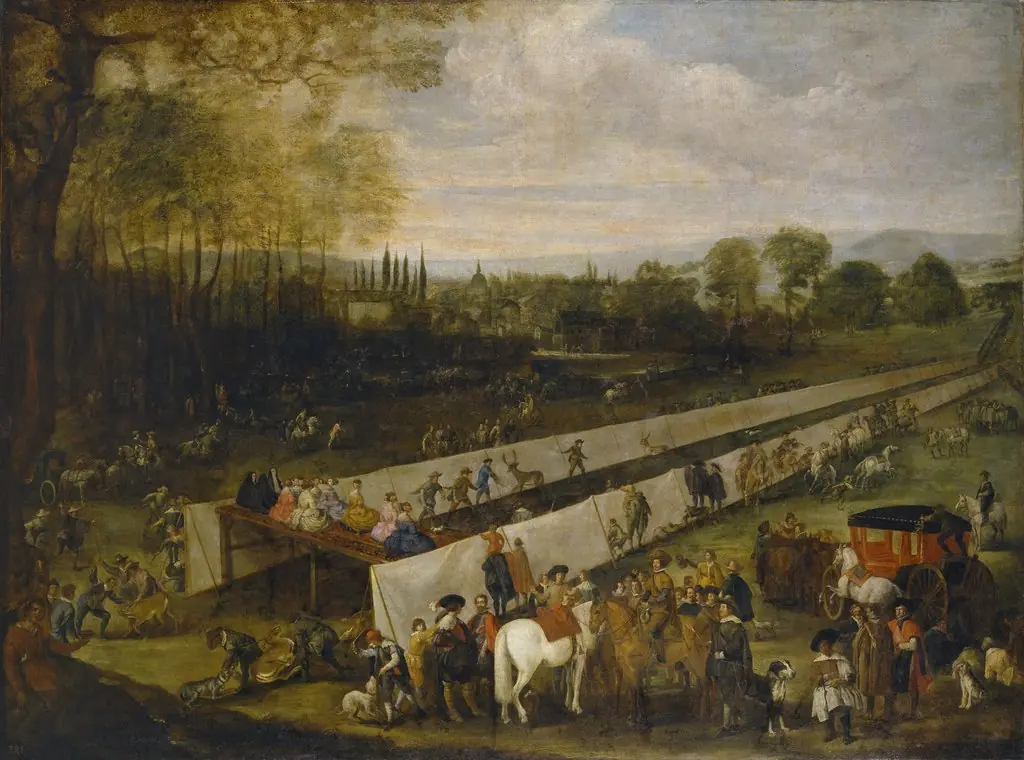 Watching the Hunt in Aranjuez
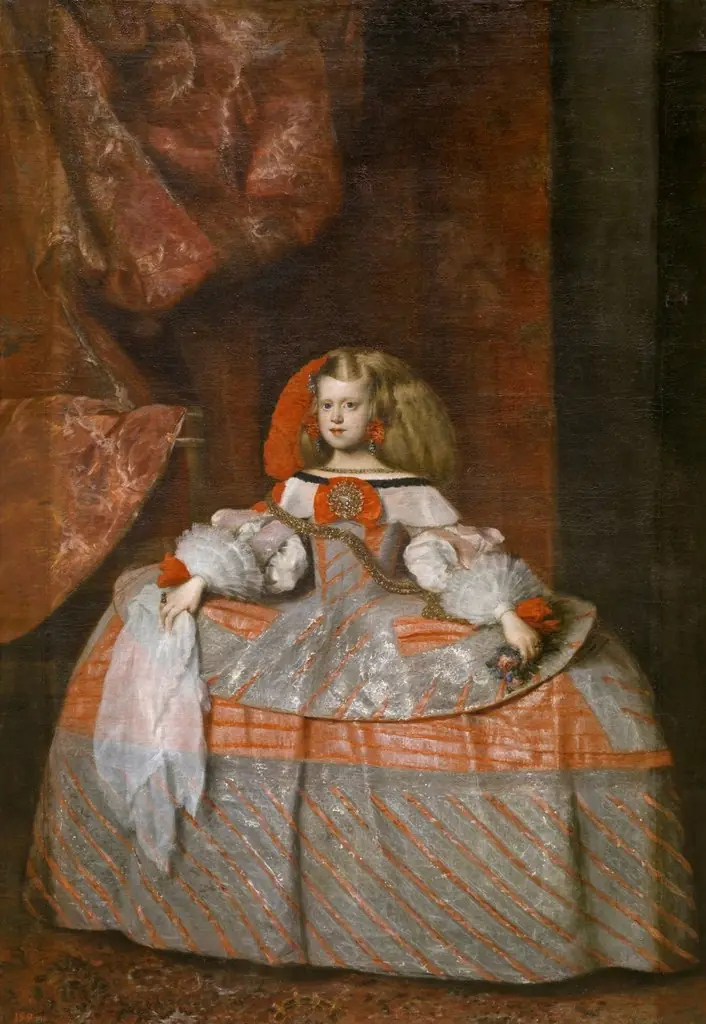 Infanta Margarita Teresa in a Pink Dress
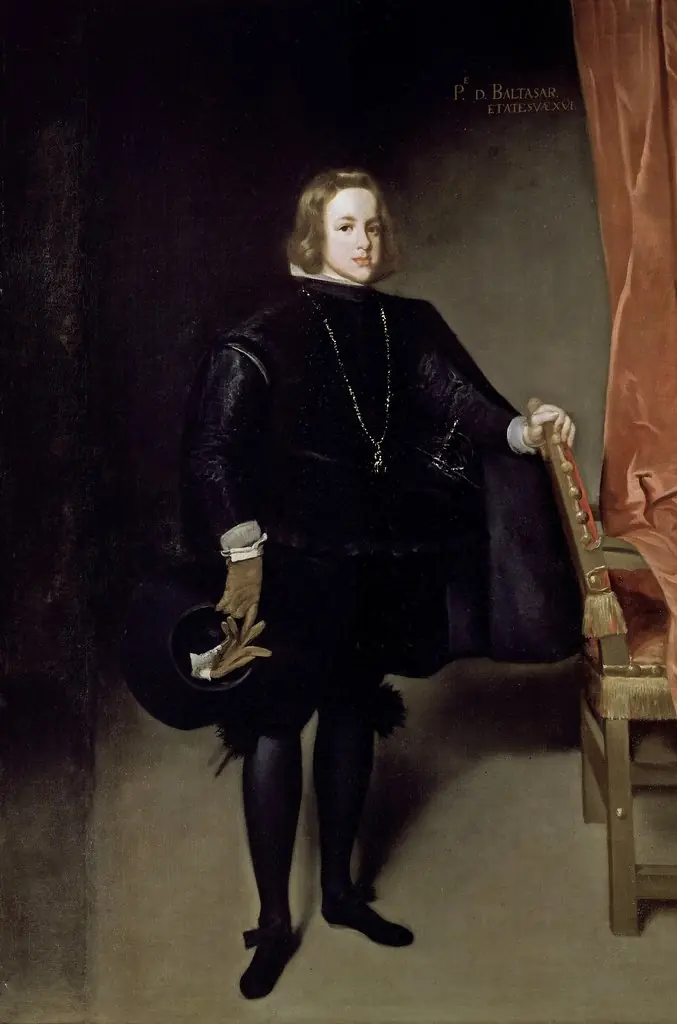 Portrait of Baltasar Carlos of Spain (1629-1646)
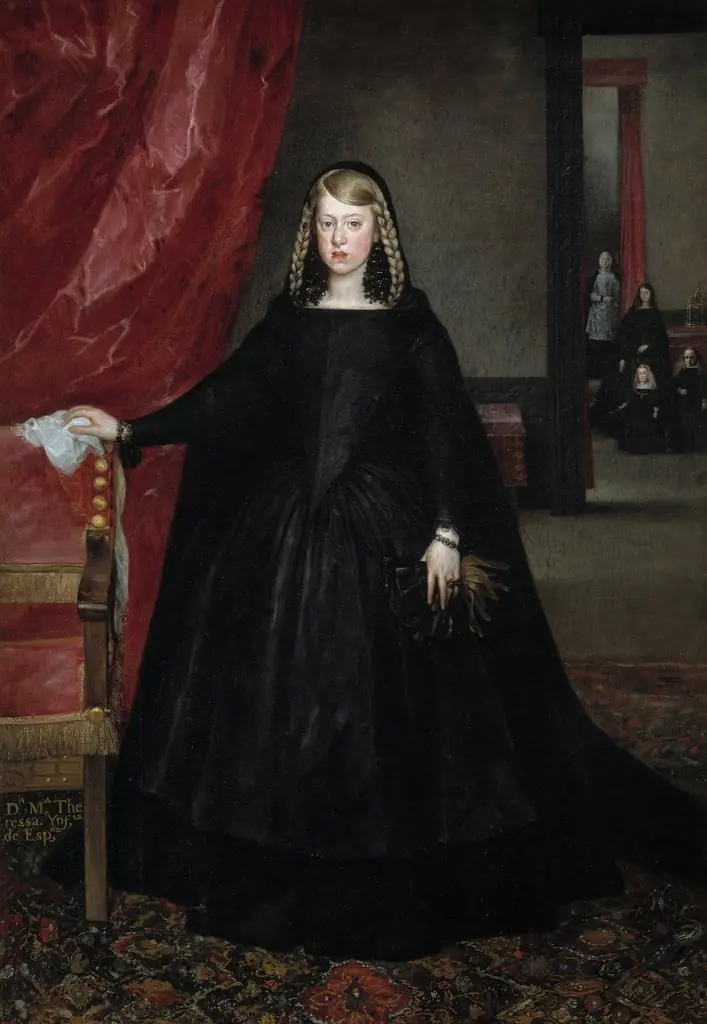 Empress Doña Margarita de Austria in Mourning Dress
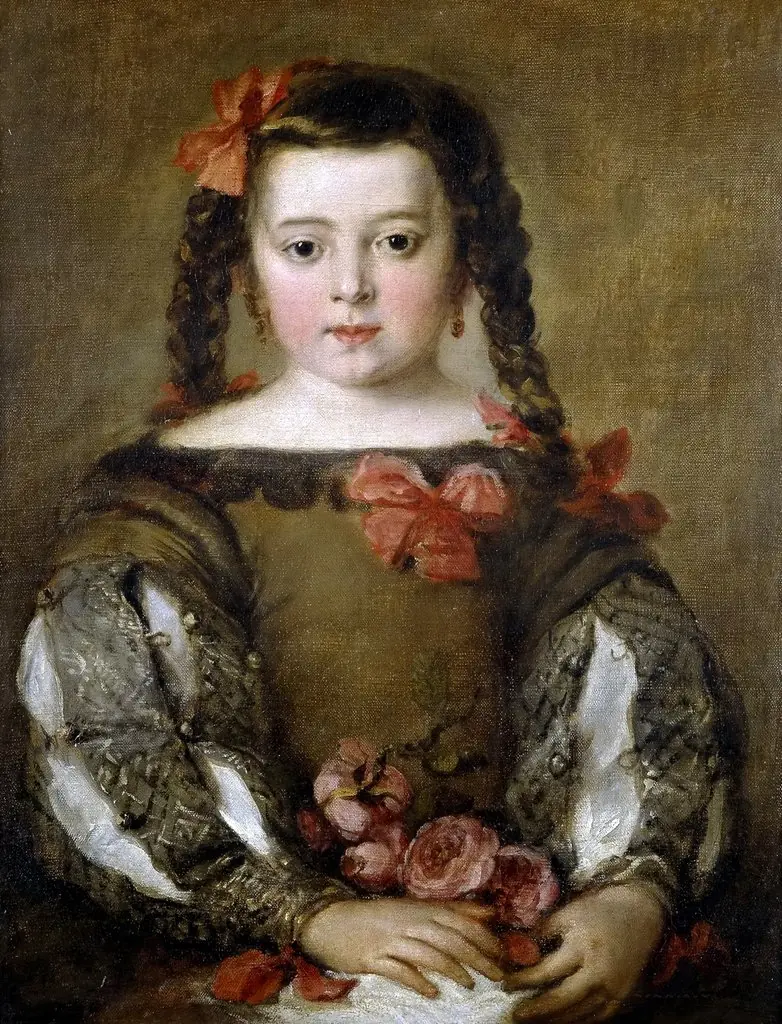 Portrait of a Young Girl